
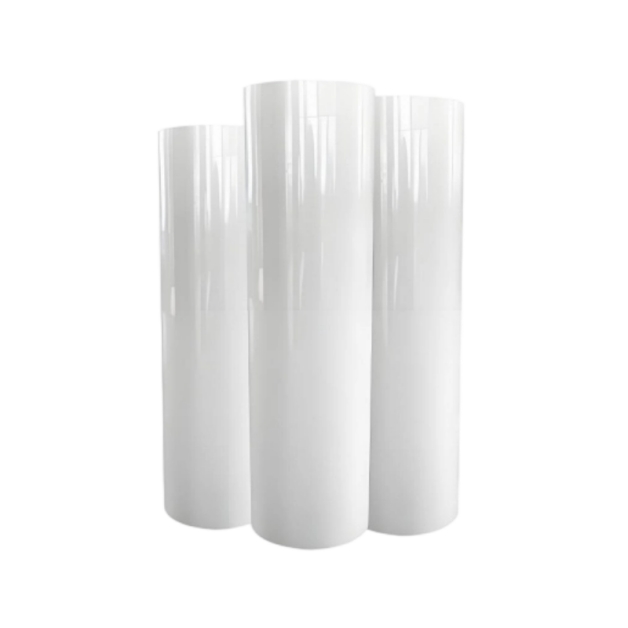
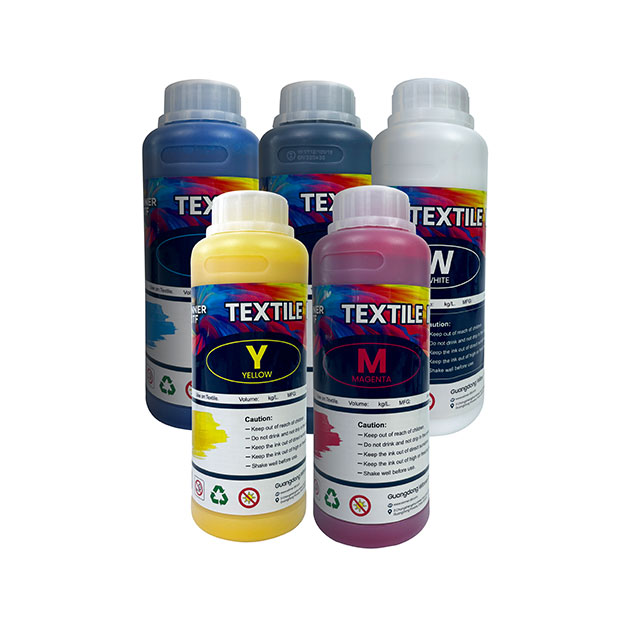
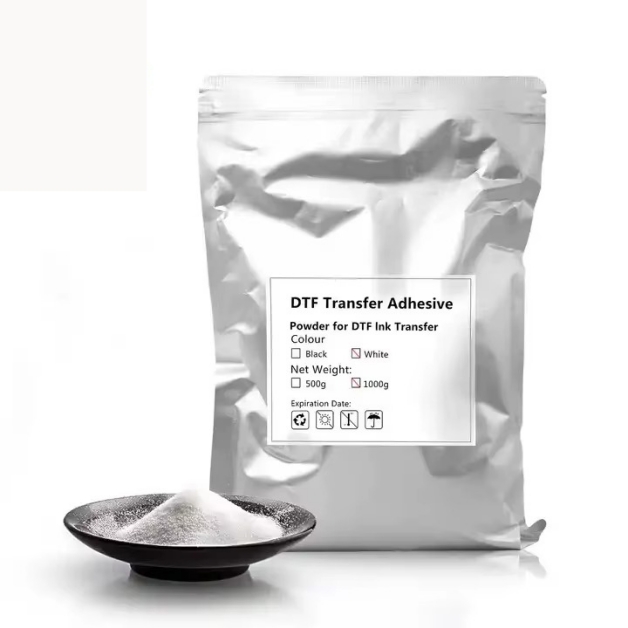

UV DTF (Ultraviolet Direct-to-Film) printing is a revolutionary digital printing technology that combines the best features of UV printing and DTF (Direct-to-Film) printing. Unlike traditional printing methods, the UV DTF printer uses UV-curable inks that dry instantly when exposed to UV light, allowing for immediate handling of printed materials. This technology works by first printing the design onto a special PET film using CMYK and white inks, then applying an adhesive layer before curing with UV light. The result is a durable, vibrant transfer that can be applied to almost any surface.
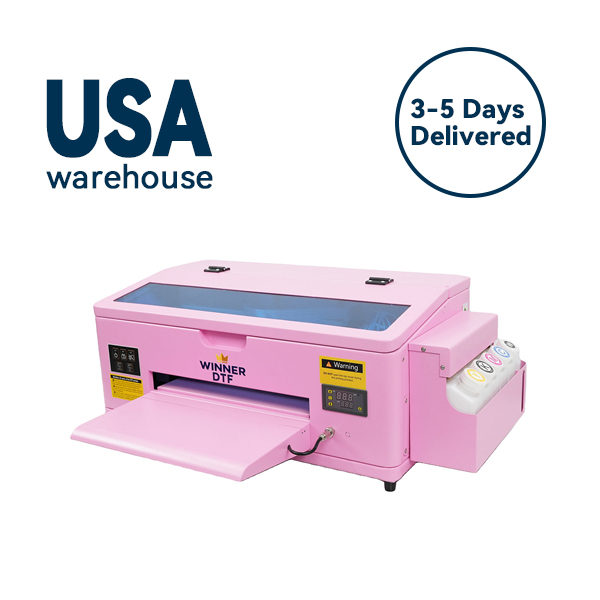
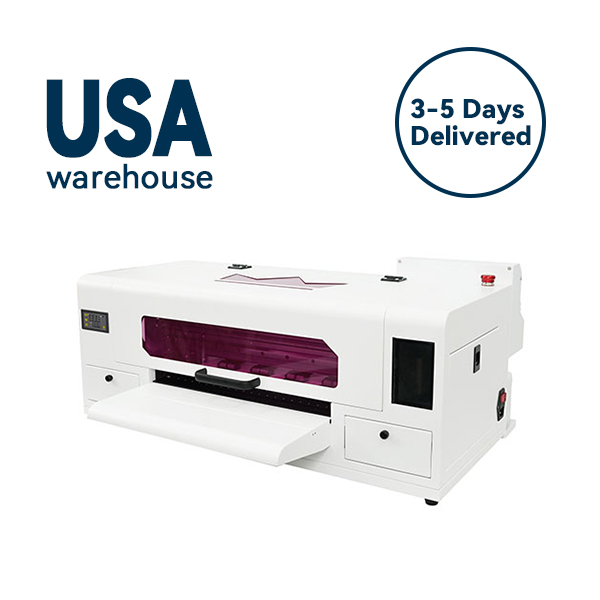
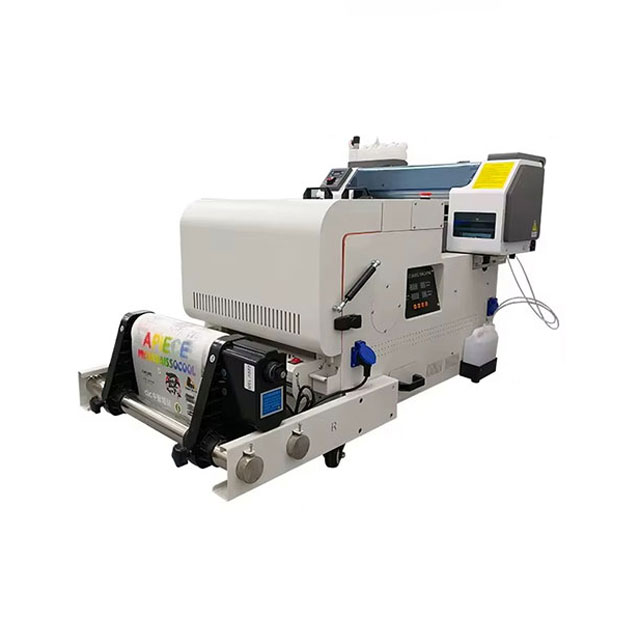
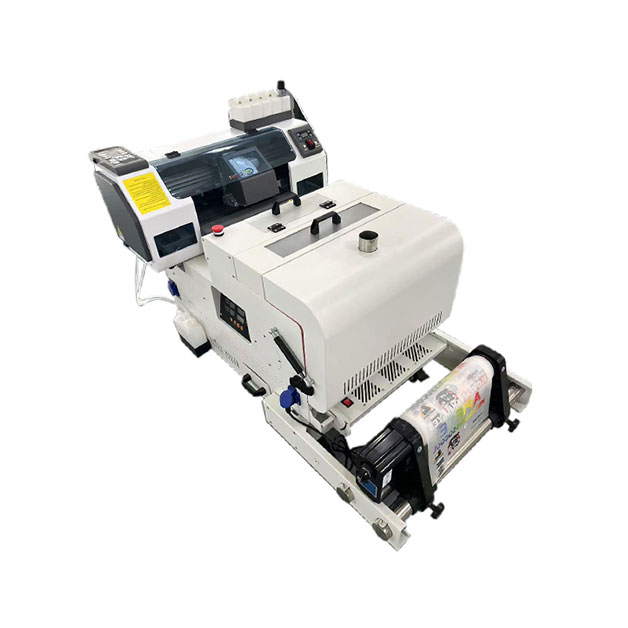
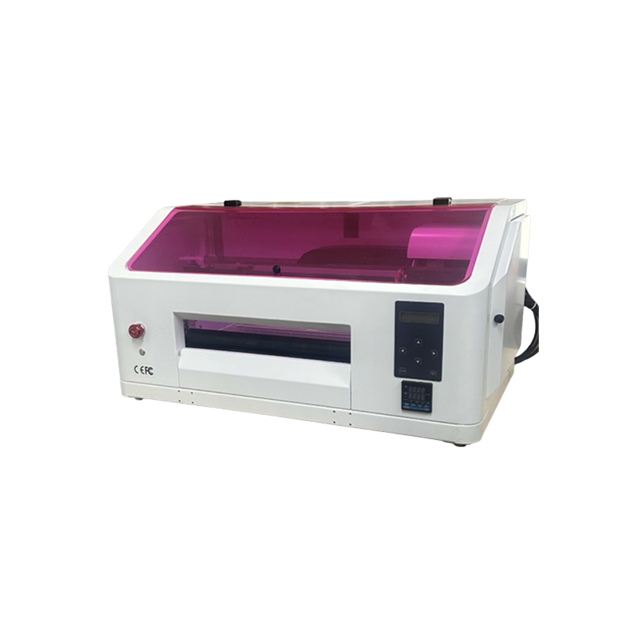
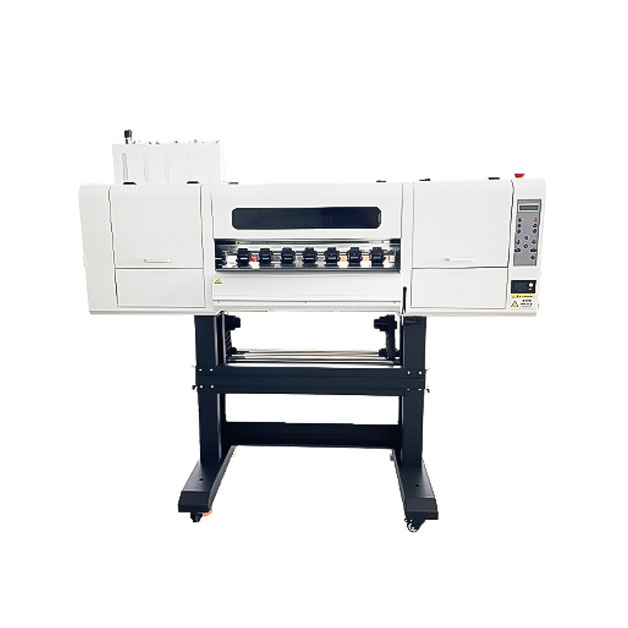
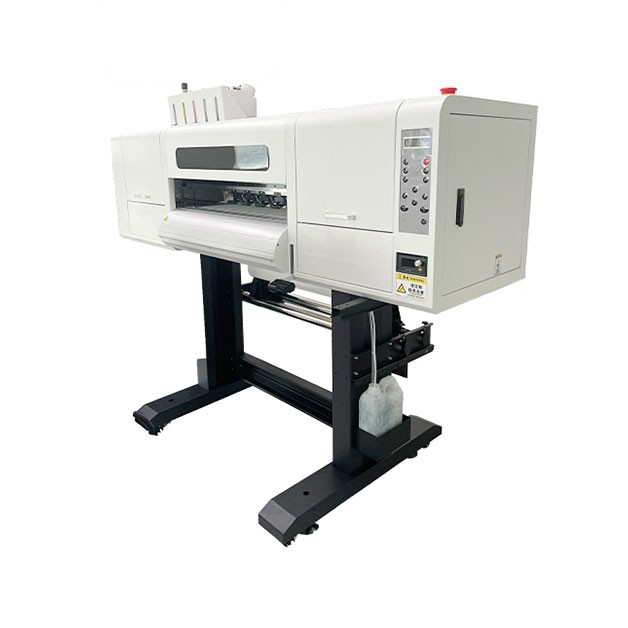
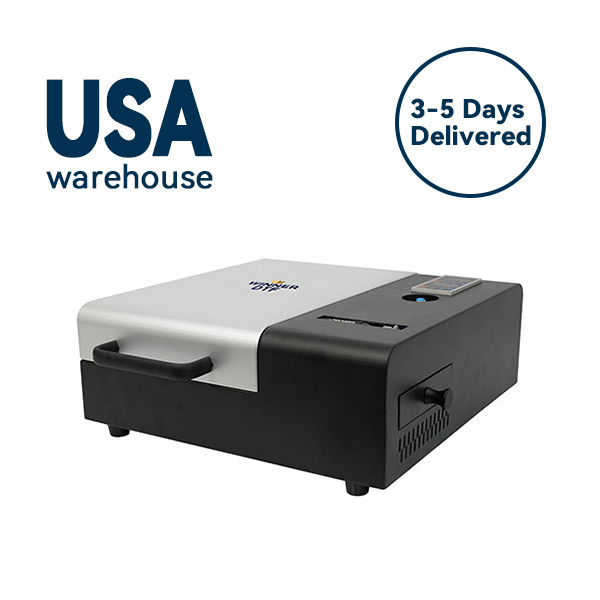
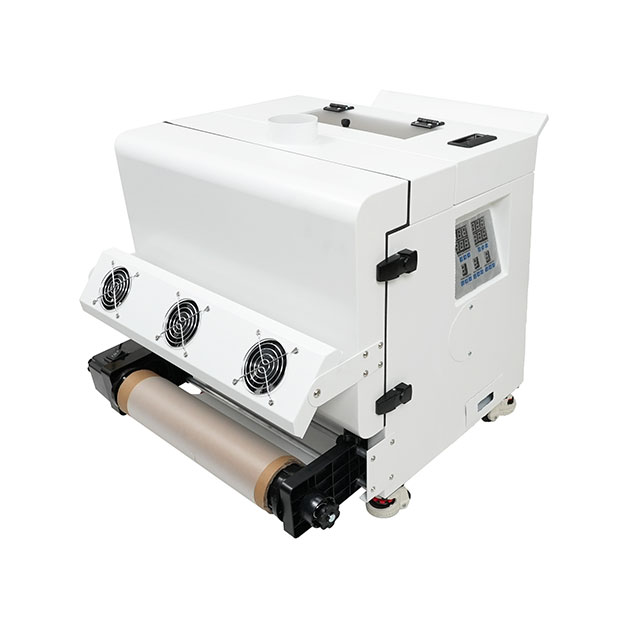
A complete UV DTF printer system consists of several essential components: the printer itself with specialized print heads, UV curing lamps, a film feeding mechanism, and a control system. The print heads are designed to handle UV-curable inks, which are thicker than regular inks. The UV lamps are strategically placed to cure the ink immediately after printing, preventing smudging and ensuring quick production. Additionally, the system includes software for design preparation and color management, which is crucial for achieving accurate color reproduction.
One of the most significant advantages of a UV DTF printer is its versatility. It can print on a wide range of materials, including plastics, metals, glass, wood, leather, and even textiles. This makes it ideal for businesses looking to expand their product offerings, from custom phone cases and promotional items to signage and industrial parts. The ability to print on both rigid and flexible surfaces opens up endless possibilities for creative applications.
UV DTF prints are known for their exceptional durability. The UV-cured inks create a strong bond with the substrate, making the prints resistant to scratches, water, and fading. This durability is especially important for outdoor applications, where prints are exposed to harsh weather conditions. Unlike traditional prints that may fade over time, UV DTF prints retain their vibrancy and quality for years, making them a cost-effective choice for long-term projects.
When choosing a UV DTF printer, several factors should be considered. First, the print size and resolution are crucial for achieving high-quality results. A printer with a higher resolution will produce sharper images, while a larger print size allows for more flexibility in project size. Additionally, the type of inks used and the curing system’s efficiency will affect the print quality and production speed. It’s also important to consider the printer’s compatibility with different materials and the availability of technical support.
There are several reputable brands offering UV DTF printers, each with its own set of features and capabilities. Some models are designed for small businesses and hobbyists, while others are built for industrial-scale production. When comparing models, it’s essential to look at factors such as print speed, ink consumption, maintenance requirements, and overall cost of ownership. Reading reviews and seeking recommendations from industry experts can help you make an informed decision.
Before printing, it’s important to prepare your design properly. This includes ensuring the design is in the correct format (usually PNG or JPG) and has a transparent background if necessary. The design should also be sized correctly for the intended substrate. Using color management software can help ensure accurate color reproduction, which is crucial for achieving the desired results. Additionally, it’s important to test the design on a small sample before proceeding with a full production run.
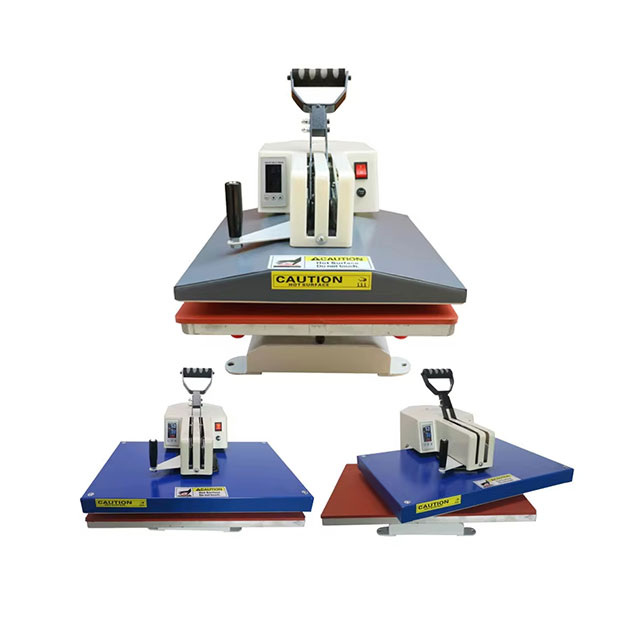
Once the design is prepared, the printing process begins. The UV DTF printer will print the design onto the PET film, followed by the white ink layer and the adhesive layer. The printed film is then cured using UV light, which dries the inks and activates the adhesive. After curing, the transfer can be applied to the substrate using a heat press or roller. The application process requires careful alignment and the right amount of pressure to ensure a strong bond between the transfer and the substrate.
Proper maintenance is essential for keeping your UV DTF printer in optimal condition. This includes regular cleaning of the print heads to prevent clogs, checking the UV lamps for signs of wear, and ensuring the ink levels are sufficient. It’s also important to keep the printer in a clean, dust-free environment to prevent debris from affecting the print quality. Following the manufacturer’s maintenance schedule and using high-quality inks and materials can extend the life of your printer.
Like any piece of equipment, UV DTF printers can experience issues from time to time. Common problems include print quality issues (such as streaks or faded colors), ink clogs, and curing problems. To resolve these issues, it’s important to follow the troubleshooting guide provided by the manufacturer. In some cases, simple adjustments to the print settings or cleaning the print heads can fix the problem. If the issue persists, it may be necessary to contact technical support for further assistance.
The UV DTF printing industry is constantly evolving, with new innovations being introduced regularly. One of the most exciting trends is the development of more eco-friendly inks and materials, which reduce the environmental impact of the printing process. Additionally, advances in print head technology are leading to faster printing speeds and higher resolutions. Another trend is the integration of artificial intelligence and machine learning into printer systems, which can optimize print settings and reduce waste.
UV DTF printing is having a significant impact on various industries, from advertising and signage to fashion and automotive. In the advertising industry, UV DTF prints are used to create eye-catching displays and promotional materials. In the fashion industry, the technology is used to create custom apparel and accessories. The automotive industry uses UV DTF printing for interior and exterior parts, while the packaging industry uses it for custom labels and packaging. As the technology continues to advance, it’s likely to find even more applications in the future.