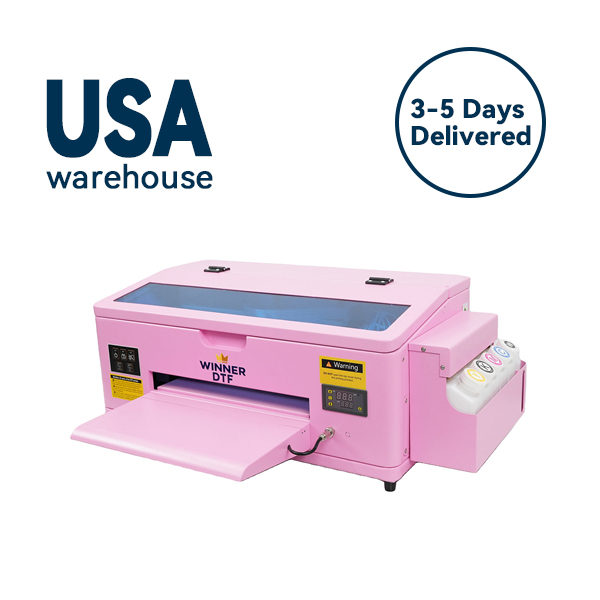
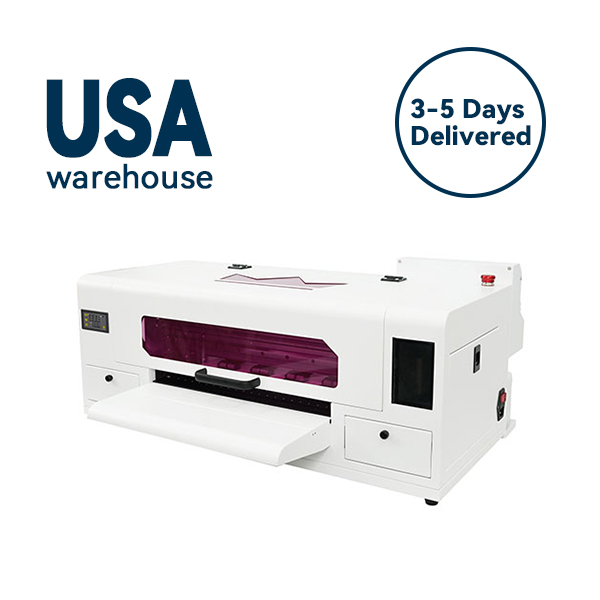
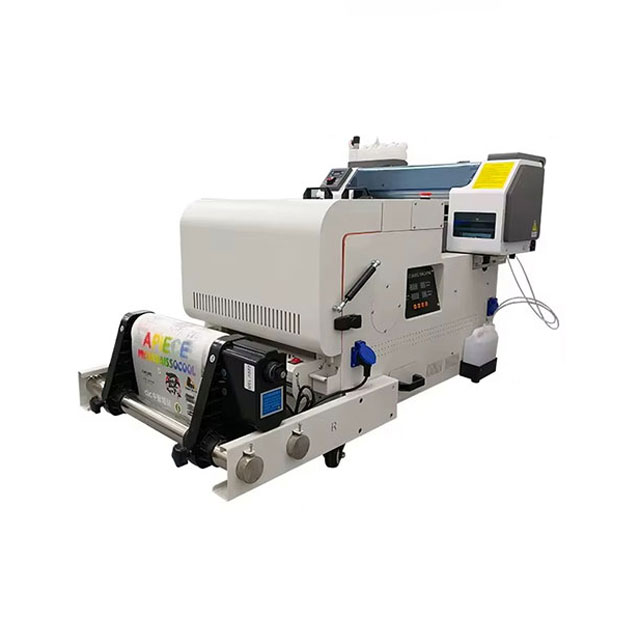
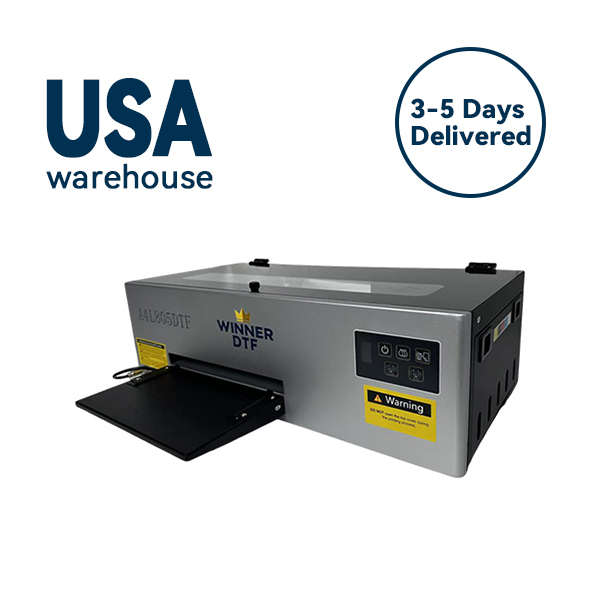

In today’s rapidly evolving digital printing landscape, DTF printers are sparking a technological revolution with their unique advantages. Whether you are a startup, a fashion designer, or a printing professional looking to expand your business, understanding the core value of DTF printers is crucial. This article provides an in-depth analysis of how DTF printers work, their applications, and tips for selection, offering a comprehensive and practical guide to help you stand out in a competitive market.
With the surge in demand for personalized customization and on-demand printing, traditional printing technologies are struggling to meet market requirements for flexibility, cost-effectiveness, and high-quality output. As an emerging digital printing solution, DTF (Direct to Film) printers have quickly become an industry focus due to their exceptional adaptability and printing results. This article aims to provide a comprehensive overview of the advantages of DTF printers, helping you make informed decisions and enhance your business competitiveness. Through the following content, you will learn how to leverage DTF printers for efficient production and optimize your printing workflow.
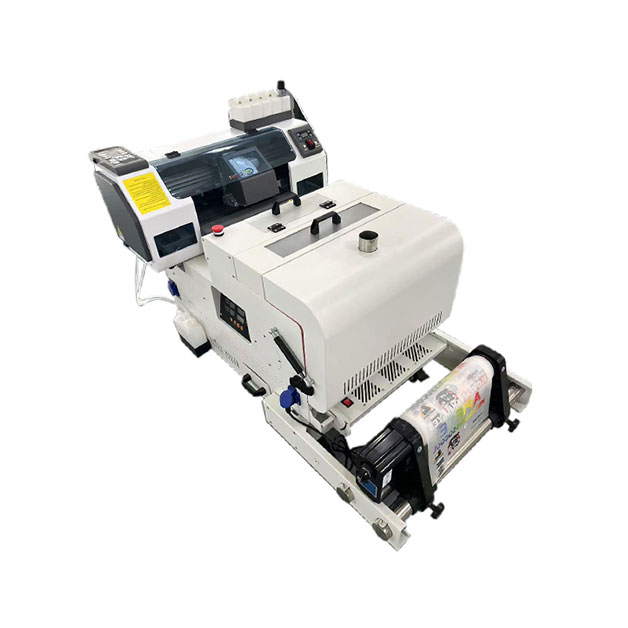
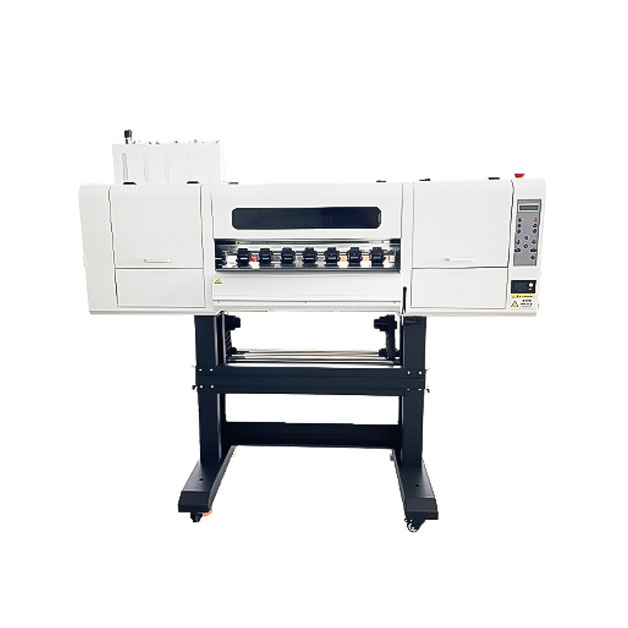
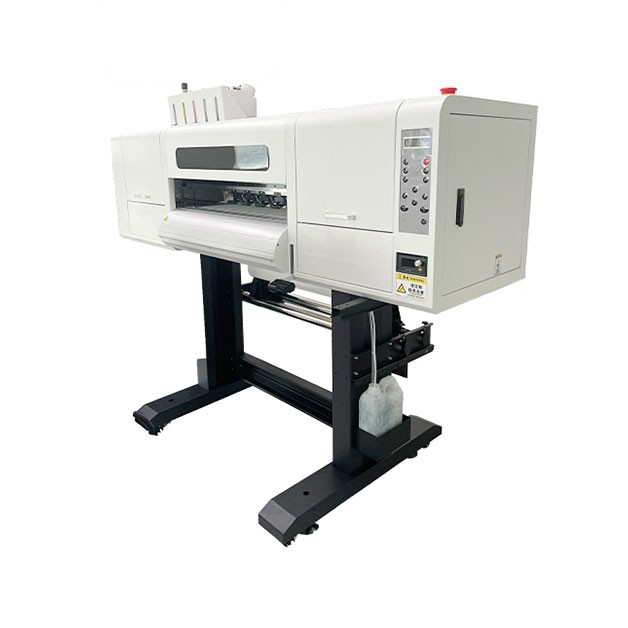
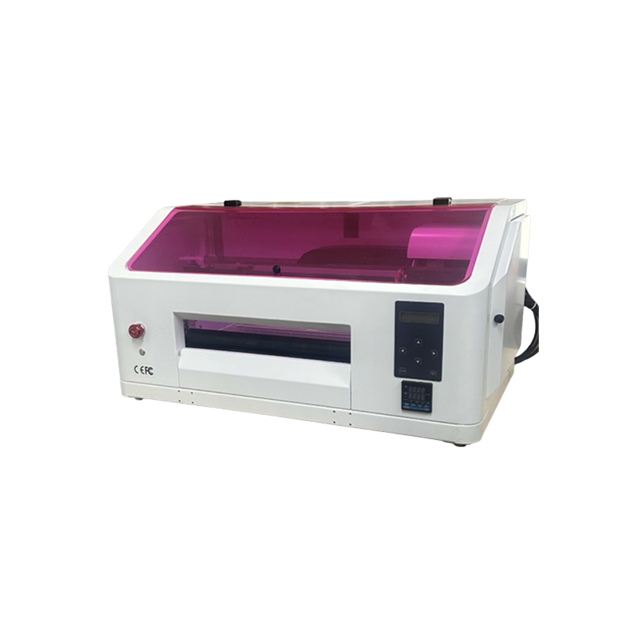
A DTF printer is a digital printing device based on direct-to-film technology. It prints patterns onto specialized film and then transfers them onto various material surfaces through a heat transfer process. Compared to traditional DTG (Direct to Garment) or screen printing, DTF printers offer greater compatibility, suitable for materials such as cotton, polyester, leather, and even metal. Their core advantage lies in achieving vibrant, long-lasting prints on both dark and light fabrics without the need for pretreatment.
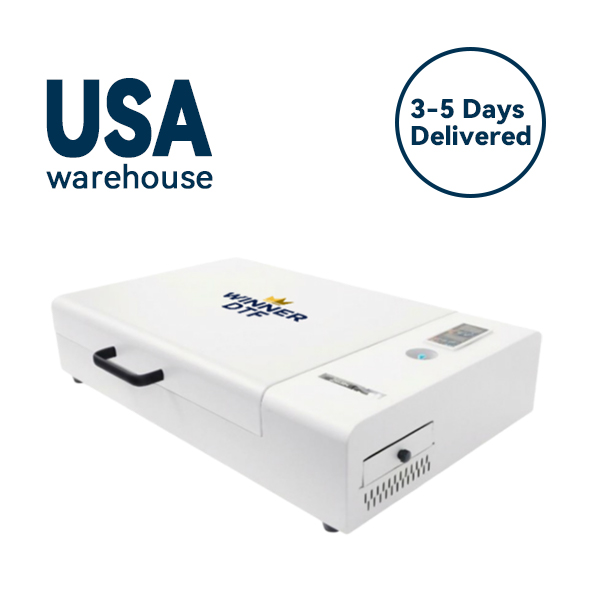
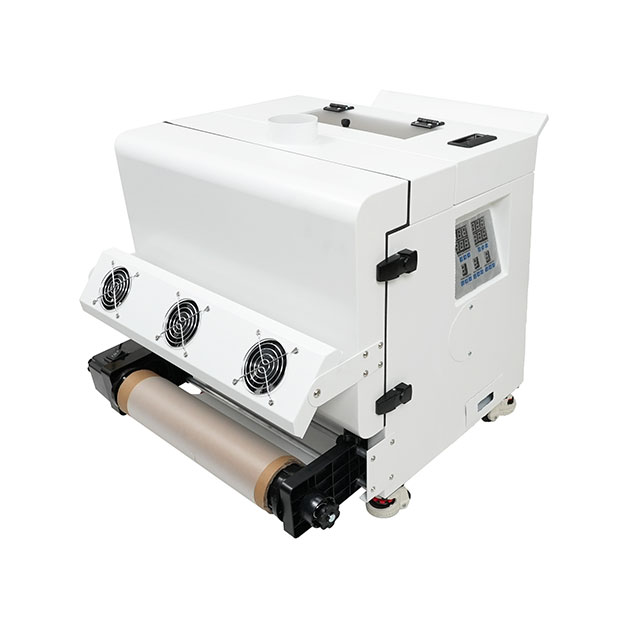
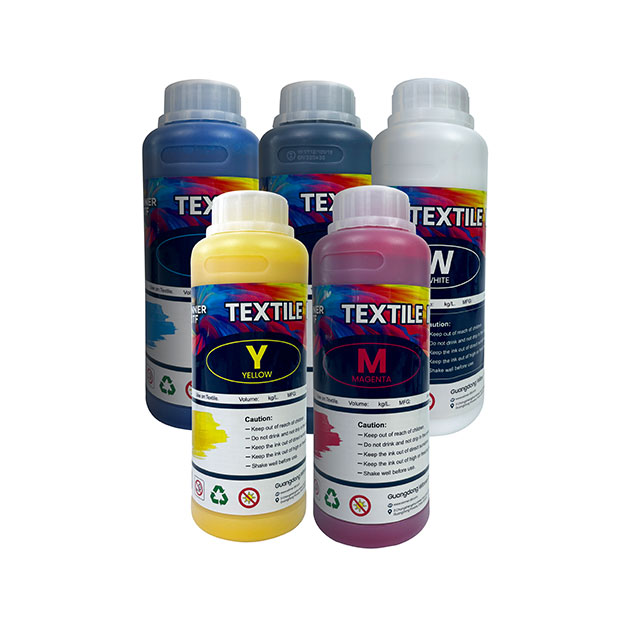
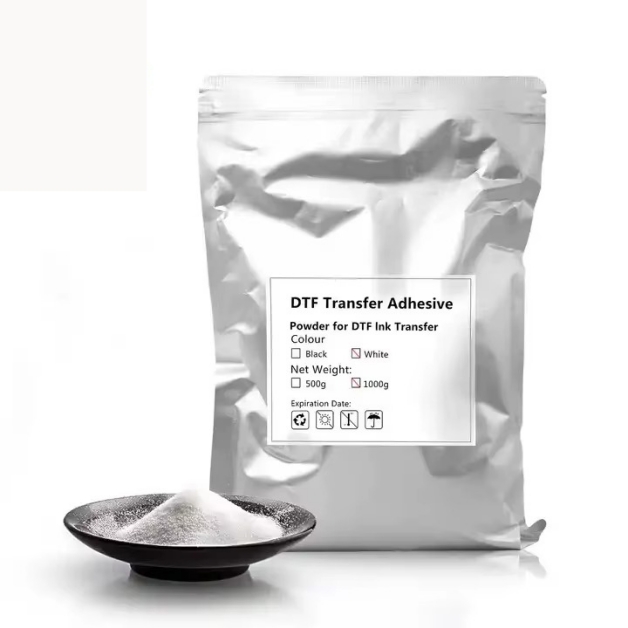
The working principle of this printer involves three steps: printing, powder application, and curing. First, water-based ink is used to print the pattern onto PET film. Then, hot-melt powder is applied to the printed surface. Finally, the pattern is transferred to the target material through heat pressing. This process not only simplifies operations but also significantly reduces waste, making DTF printers an ideal choice for small-batch, multi-variety production.
Choosing a DTF printer means gaining multifaceted improvements for your business. First, it excels in cost control—no need for plate-making or complex setups reduces initial investment and material waste. For small and medium-sized enterprises, this significantly lowers the barrier to entry. Second, DTF printers support full-color printing with high detail reproduction, maintaining precision even with complex patterns or gradient colors. Additionally, their printing speed is fast, and multiple items can be transferred in a single cycle, boosting production efficiency.
From an environmental perspective, the water-based inks and powders used in DTF printers mostly comply with eco-friendly standards, reducing chemical waste emissions. More importantly, maintaining these devices is relatively straightforward, with routine cleaning and nozzle upkeep ensuring long-term stable operation. Many users report that after adopting DTF printers, order delivery times have shortened by over 30%, and customer satisfaction has increased accordingly.
The flexibility of DTF printers makes them highly impactful across multiple industries. In apparel and textiles, they are commonly used for customizing T-shirts, sportswear, hats, and backpacks, meeting the demand for personalized fashion. The advertising and promotional industry utilizes them for producing flags, banners, and gifts, enabling rapid prototyping and small-batch production. Additionally, home goods such as cushions and curtains, as well as cultural and creative products like phone cases and keychains, can achieve high-quality prints effortlessly with DTF printers.
With the rise of e-commerce and social media marketing, DTF printers empower entrepreneurs to quickly respond to market trends and launch limited-edition products. For example, many influencer-driven brands use DTF technology to create unique designs that attract younger consumers. In industrial applications, they are also used for label printing and sample production, showcasing their versatility. In summary, DTF printers are driving the printing industry toward digitization and customization, creating new profit opportunities for businesses and individuals alike.
When selecting a DTF printer, multiple factors must be considered to ensure a return on investment. First, evaluate the printing size and resolution—choose a model that supports A3 or larger sizes based on your business needs, and ensure a resolution of at least 1200 dpi for clear output. Second, focus on printing speed and production efficiency: high-end DTF printers can process dozens of items per hour, making them suitable for bulk orders, while entry-level models are better for trial production or small studios.
Ink compatibility and costs should not be overlooked. Opt for DTF printers that use original or certified inks to avoid nozzle clogging and ensure color stability. At the same time, calculate the per-unit printing cost, including film, powder, and energy consumption, to optimize long-term operational expenses. Brand reputation and after-sales service are equally critical—prioritize suppliers that offer technical support and warranty periods to minimize downtime risks.
It is advisable to conduct sample tests before purchasing to personally verify print quality and durability. Referencing user reviews and industry reports can help you identify top-performing DTF printer models in the market. Remember, a reliable DTF printer should be a partner in your business growth, not merely a cost.
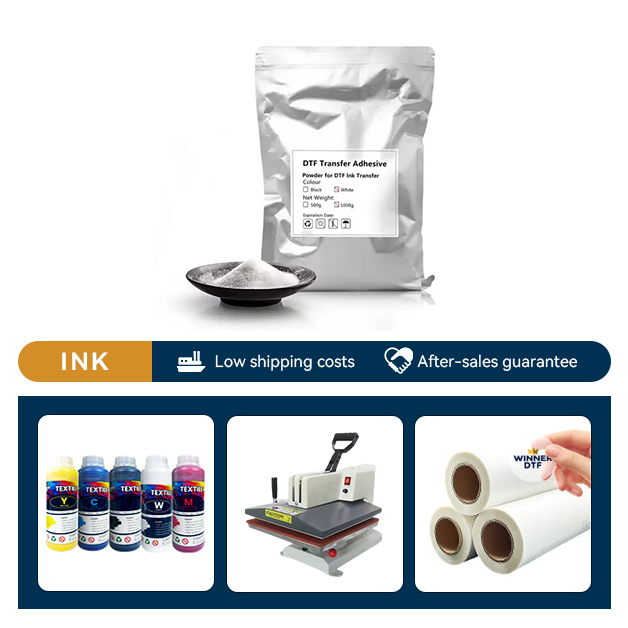
To maximize the efficiency of your DTF printer, daily operations and maintenance are essential. Before printing, ensure design files are high-resolution vector graphics and use professional software for color management to avoid color discrepancies. For environmental control, maintain the workspace temperature at 20-25°C and humidity at 50-60%, which aids ink drying and even powder adhesion.
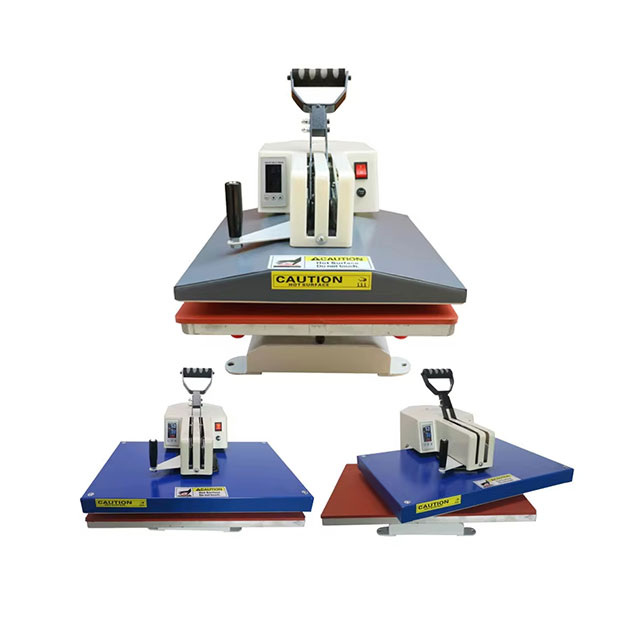
Regular cleaning of print nozzles and film feeding systems can prevent clogging and paper jams. It is recommended to perform deep maintenance weekly, including inspecting ink lines and calibrating print heads. For the heat transfer process, adjust the temperature and time parameters of the heat press to suit different materials—for example, cotton fabrics typically require 160°C and 10 seconds of transfer, while synthetic fibers need lower temperatures.
Common issues such as pattern peeling or dull colors often stem from uneven powder application or insufficient curing. Optimizing powder application and curing time can resolve these problems. Additionally, store unused film in a cool, dry place to extend its shelf life. By following these tips, your DTF printer will maintain high-efficiency output over the long term and reduce the frequency of repairs.
DTF printer technology continues to evolve, with more innovations expected in the coming years. Intelligence is a major direction—DTF printers integrated with IoT functionality can enhance production efficiency through remote monitoring and automatic adjustments. Environmental improvements are also advancing, such as the development of biodegradable powders and low-energy models to reduce carbon footprints.
Market-wise, with the global wave of personalized consumption, demand for DTF printers is projected to grow steadily. Emerging applications like 3D texture printing and smart clothing integration will expand their boundaries. For industry professionals, staying updated on technological advancements and training resources can maintain a competitive edge. In summary, investing in a DTF printer is not only about adapting to the present but also about positioning your business for the future.
In conclusion, DTF printers, with their versatility, cost-effectiveness, and high-quality output, are becoming transformative forces in the modern printing industry. Through this guide, we hope you gain a comprehensive understanding of their value and apply it to your business operations. Whether improving production efficiency or exploring new markets, a suitable DTF printer can be a powerful ally. Take action now and discover how this technology can empower your creativity and business goals!