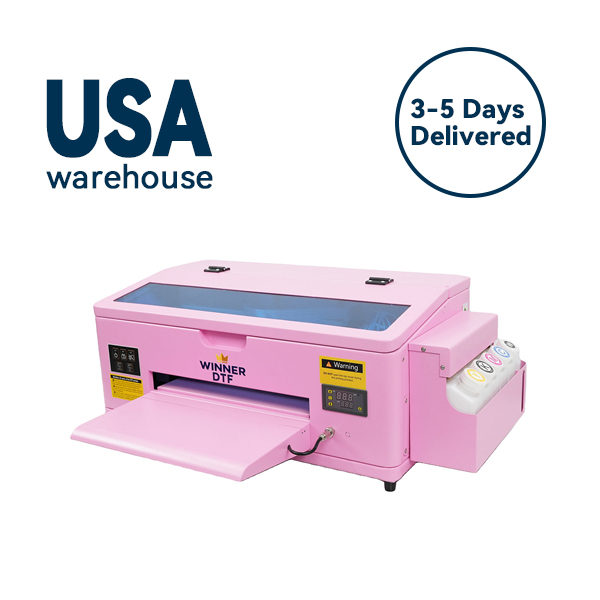
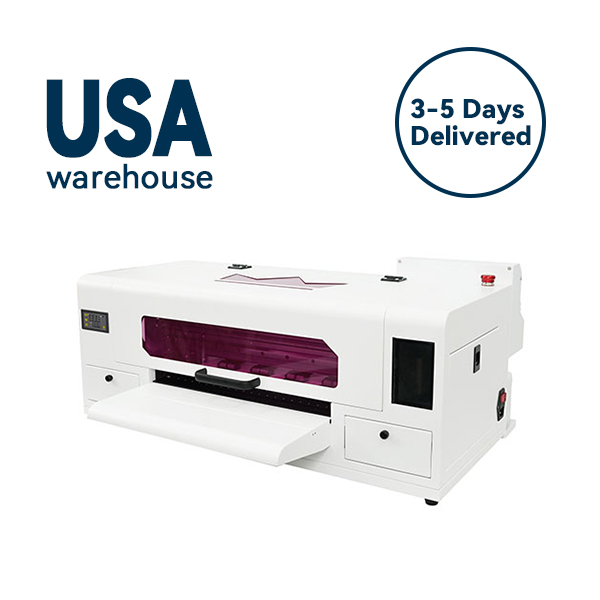
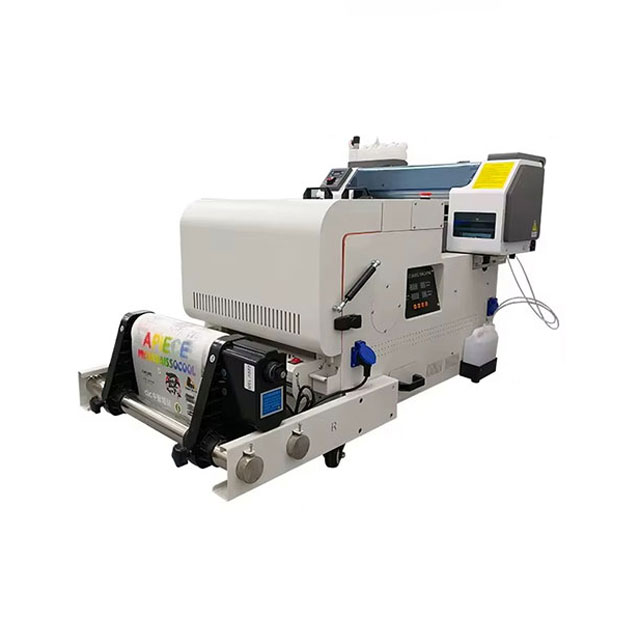
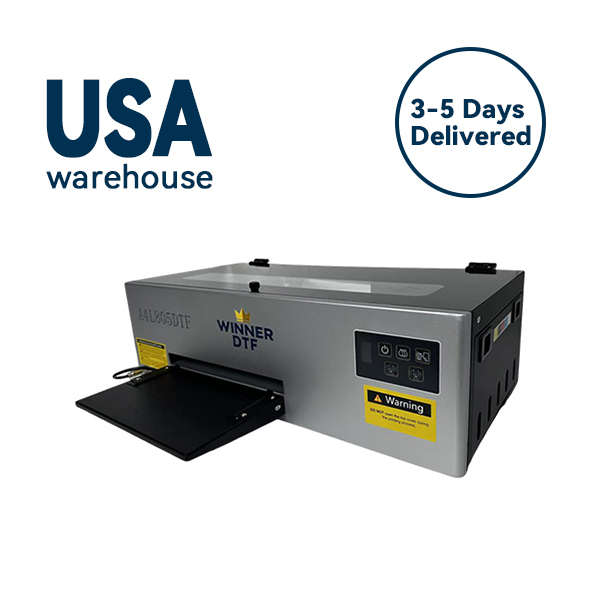
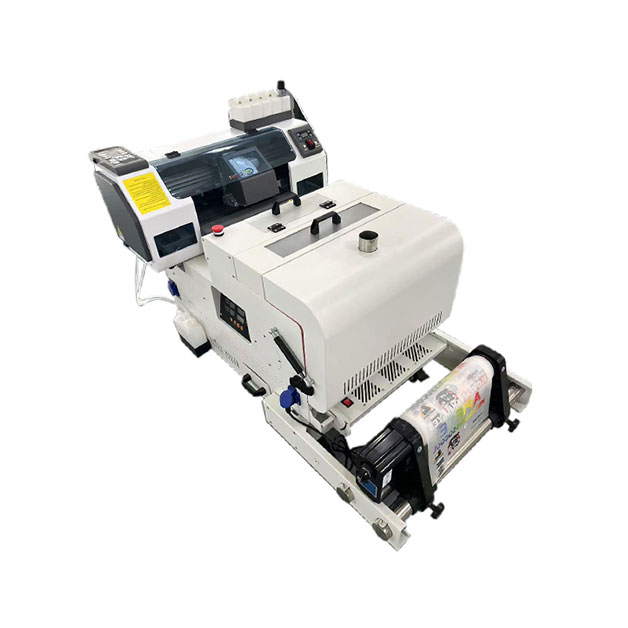
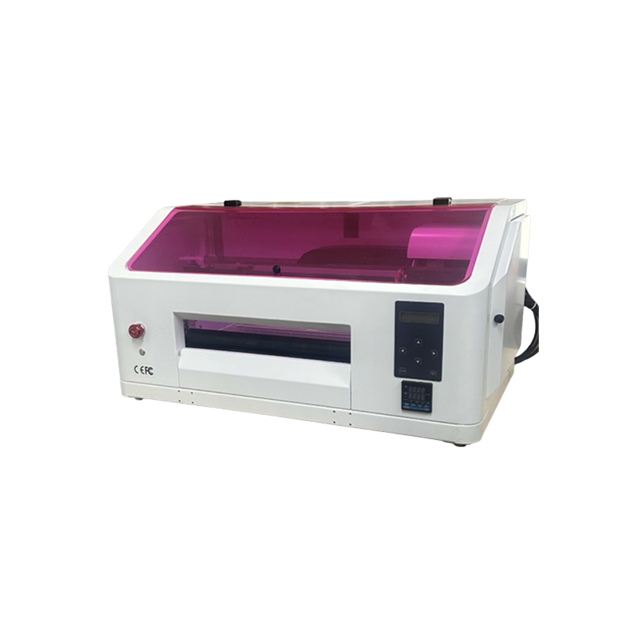
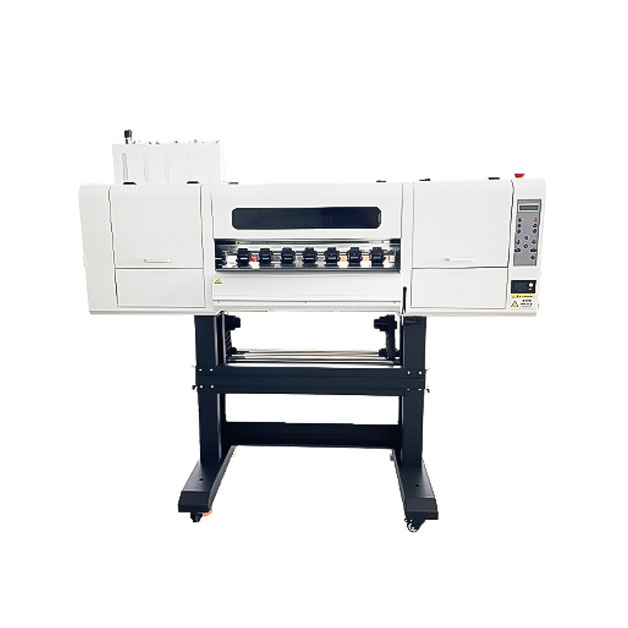
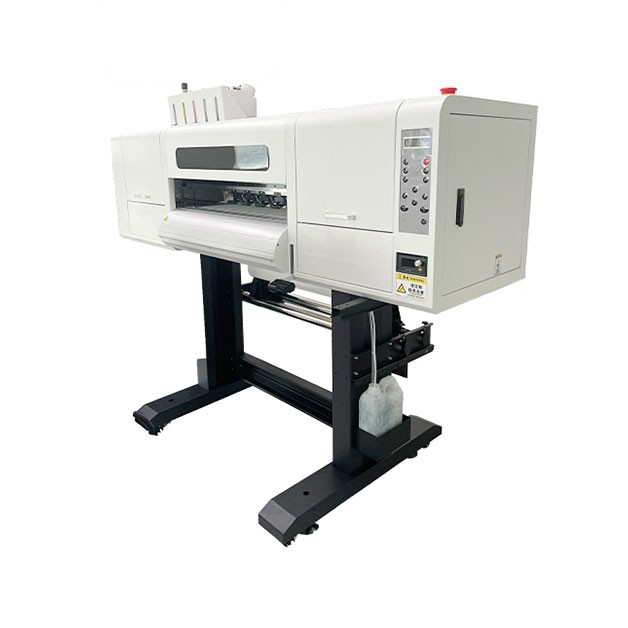
Amid the booming trend of personalized customization in the textile and gift industries, the A3 DTF Printer has become a must-have device for startups, small studios, and medium-small printing shops, thanks to its core advantages: no plate making required, compatibility with multiple fabrics, and efficient small-batch production. Compared with the stiff texture of traditional heat transfer and the fabric limitations of DTG printers, the A3 DTF Printer achieves a triple balance of color reproduction, ease of operation, and cost control. It can not only handle small orders such as custom class uniforms and trendy brand graphic printing but also efficiently fulfill bulk production demands.
I. Core Understanding of A3 DTF Printer: Key Factors for Its Standout Performance
1. Technical Principle: Breaking the Boundaries of Traditional Printing
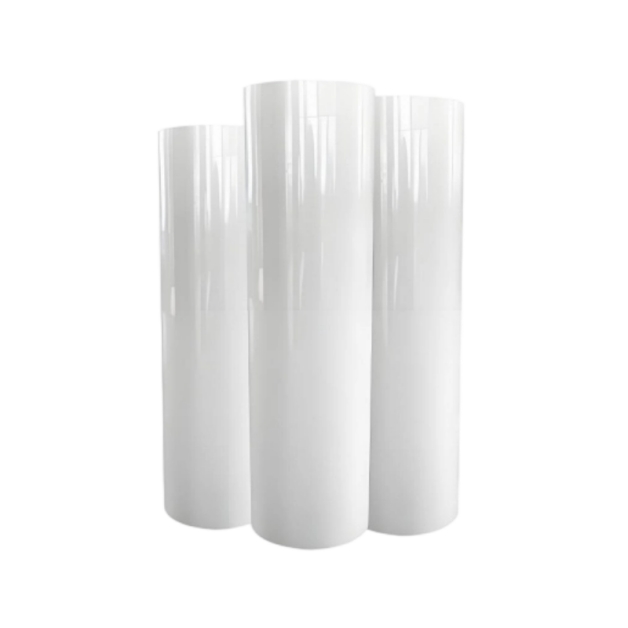
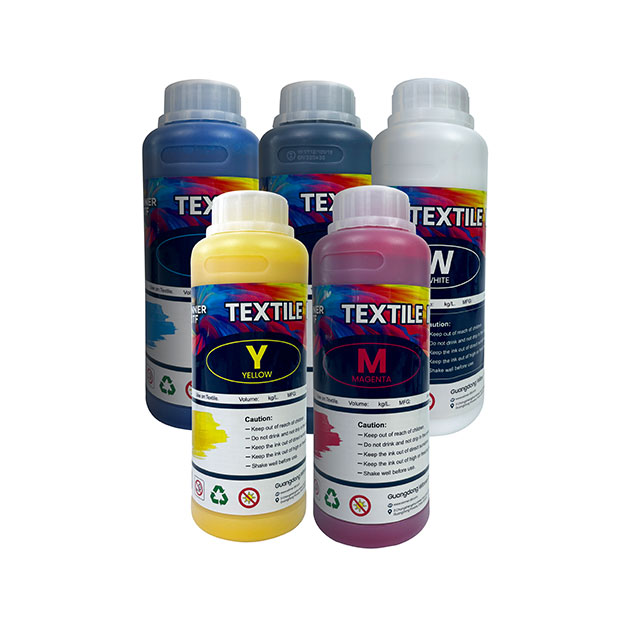
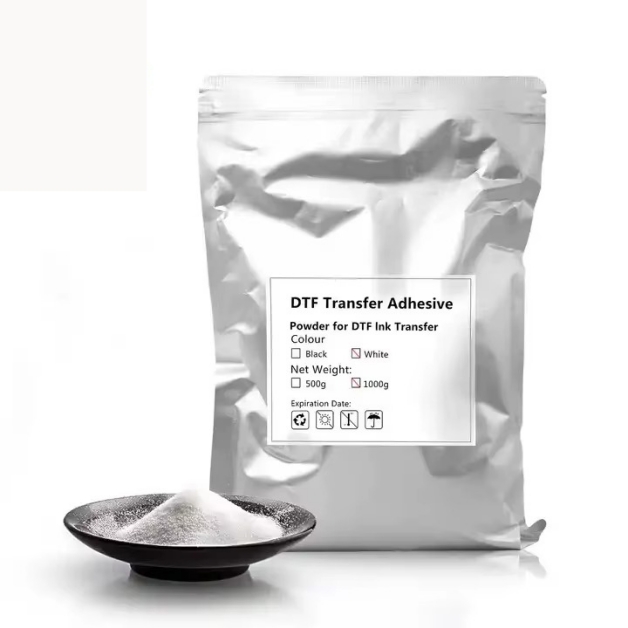
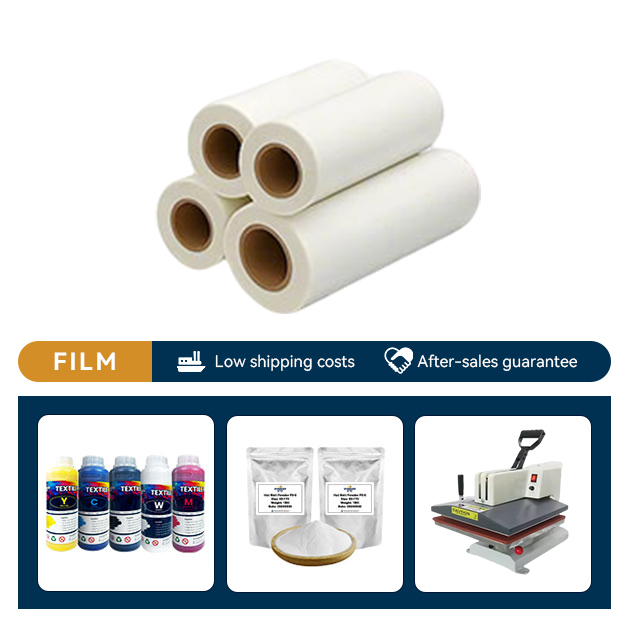
The A3 DTF Printer adopts the Direct to Film transfer process. It prints designs onto PET film using specialized water-based eco-friendly inks, which are then cured with hot-melt powder. Finally, the designs are transferred onto various surfaces via a heat press machine. Unlike screen printing that requires custom screen plates, or DTG printing that needs pre-treatment of fabrics, this process only takes 3 steps to complete custom production, significantly lowering the threshold for small-batch orders.
2. Core Advantages: Why It’s the Top Choice for Startups
Unlimited Fabric Compatibility: Whether it’s cotton, polyester, blended fabrics, or materials like shoes, hats, bags, and phone cases, the A3 DTF Printer handles them all with ease, solving the pain point of “fabric selectivity” in traditional printing technologies.
Superior Printing Quality: Patterns boast vibrant and saturated colors with a resolution of 1200–4800 dpi, rendering fine textures clearly. After transfer, the finished product feels soft and skin-friendly, with a dry/wet rubbing fastness rating of Grade 4 or higher. It won’t crack or peel even after dozens of washes.
Balanced Cost & Efficiency: The A3 format (11.7×16.5 inches) meets the printing needs of most garment cut pieces and accessories while avoiding the redundant costs of large-format equipment. A single A3 print only takes 5–15 minutes, and models equipped with automatic powder shaking functions can further boost production efficiency.
Eco-Friendly & Safe: It uses water-based eco-friendly inks and non-toxic hot-melt powder, producing no wastewater or exhaust gas during printing. This complies with modern environmental production standards and meets consumers’ demand for safe products.
II. A3 DTF Printer vs. Competitor Devices: How to Choose Without Risks
1. Core Differences from Traditional Heat Transfer
Comparison Dimension
A3 DTF Printer
Traditional Heat Transfer
Touch Experience
Soft & skin-friendly, no sticky residue
Stiff texture, poor breathability
Durability
Resists peeling after 50+ washes
Prone to cracking and ink peeling after repeated washes
High cost for complex patterns due to plate-making limitations
2. Selection Logic vs. A4 DTF Printers
A3 DTF Printer: With double the printing area of A4 models, it supports large-format designs (e.g., back prints on hoodies) and can print multiple small designs simultaneously, improving material utilization. It is ideal for small businesses or studios with a daily order volume of 10–50 units.
A4 DTF Printer: Smaller in size and lower in price, it suits individual entrepreneurs or side hustlers who only need small-area printing (e.g., chest prints on T-shirts, sock designs). It offers better cost-effectiveness for daily order volumes under 5 units.
3. Application Scenario Differentiation vs. DTG & Heat Sublimation Printers
vs. DTG Printers: The A3 DTF Printer requires no fabric pre-treatment, works well with low-cotton blended fabrics, and has lower equipment maintenance costs, making it perfect for mixed-fabric orders. DTG printers excel only at cotton fabrics and produce more breathable patterns but have a narrow order scope.
vs. Heat Sublimation Printers: Heat sublimation only works on polyester fabrics, while the A3 DTF Printer has no fabric restrictions. Heat sublimation is suitable for bulk solid-color printing, whereas the A3 DTF Printer is better for personalized complex custom designs.
III. 2025 Cost-Effective A3 DTF Printer Recommendations (By Budget Category)
1. Budget: $3,000–$5,000: Entry-Level Pick for Startups
Core Specifications: Max print format A3+ (13×19 inches), resolution 4800×2400 dpi, 10–15 minutes per A3 print, supports CMYK + white ink configuration.
Advantages: Low modification cost, large ink capacity, and a per-page printing cost of only $0.5–$1, ideal for budget-constrained startups.
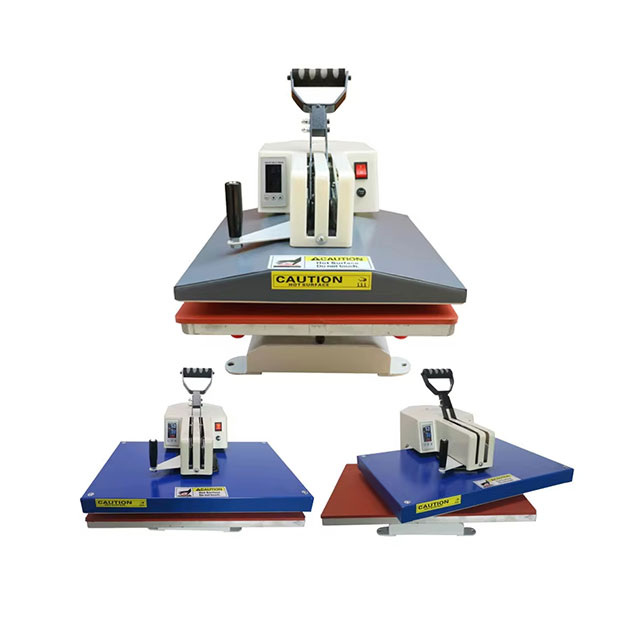
Notes: Requires manual powder application, suitable for daily order volumes of 10–20 units. It is recommended to pair it with an entry-level heat press machine.
Representative Model: Roland BN-20 (DTF Conversion Kit Version)
Core Specifications: Print format 13.5×19.5 inches, resolution 1440×1440 dpi, dual functions of DTF printing and vinyl cutting, approximately 10 minutes per print.
Advantages: High brand reliability and compatibility with various consumables, suitable for integrated studios that need both custom printing and cutting services.
Notes: Slightly higher ink cost; regular printhead maintenance is required to avoid clogging caused by long-term idleness.
3. Budget: $15,000–$25,000: Professional Bulk Production Choice
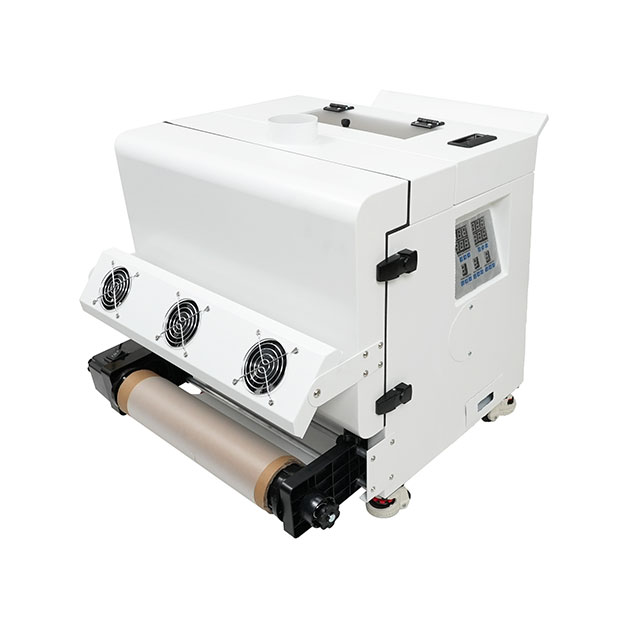
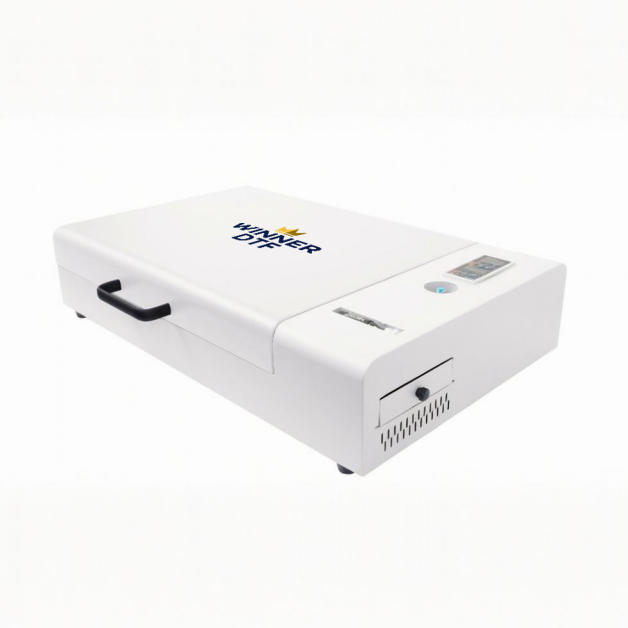
Core Specifications: Max print format 13.8×19.7 inches, resolution 1200×1200 dpi, 5–8 minutes per A3 print, optional automatic powder shaker and drying module.
Advantages: High production efficiency and strong stability, supporting 24/7 continuous operation, ideal for professional printing shops with a daily order volume of over 50 units.
Notes: Large equipment size; dedicated operation space must be reserved, and professional maintenance personnel are recommended.
IV. A3 DTF Printer Usage Pitfalls & Maintenance Guide
1. Quick Troubleshooting for Common Faults
White Ink Not Printing: First, check if the ink has expired and if the film is compatible with the ink. Adjust the printing mode and reduce white ink density; avoid using third-party consumables.
Printing Streaks: Vertical streaks require cleaning the internal roller; horizontal streaks may result from printhead collision; random streaks need wiping the encoder strip (with isopropyl alcohol).
Ink Maintenance Light Flashing: A single red light may indicate an ink resetter malfunction; alternating flashing lights require resetting the waste ink counter; simultaneous flashing lights mean contacting after-sales service for core fault repairs.
Printhead Clogging: Minor clogs can be resolved using the device’s built-in cleaning function; severe clogs allow removing the printhead and soaking it in specialized cleaning fluid. Daily use should avoid long-term equipment idleness.
2. Key Daily Maintenance Tips
Regular Usage: It is recommended to turn on the device and print a test page daily or every other day to prevent ink sedimentation and printhead clogging.
Consumable Compatibility: Use original or certified DTF inks, PET films, and hot-melt powder to avoid compromising print quality and shortening device lifespan due to incompatible consumables.
Environmental Control: Maintain an operating environment with a temperature of 18–25℃ and humidity of 40%–60%; avoid excessive dust that may contaminate rollers or printheads.
Cleaning Routine: Clean rollers and encoder strips weekly, and inspect ink pipelines monthly to prevent ink leakage or clogging.
V. A3 DTF Printer Startup Application Scenarios: Unlocking Diverse Profit Models
The flexibility of the A3 DTF Printer enables it to cover multiple profit scenarios, making it a quick-to-launch solution for both full-time startups and side-hustle income generation:
Garment Customization: Undertake orders for class uniforms, couple T-shirts, team wear, trendy brand apparel, etc., supporting small-batch personalized designs with a unit price of $8–$30.
Accessory Printing: Offer custom printing on shoes, hats, backpacks, phone cases, etc., expanding into the gift market, ideal for holiday promotions and corporate custom orders.
E-Commerce Order Fulfillment: Open custom shops on cross-border e-commerce platforms for a “zero inventory” operation model—print and produce immediately upon receiving orders to reduce capital pressure.
Offline Services: Set up experience stores in shopping malls or near campuses to provide on-site custom printing services, attracting walk-in customers and enhancing brand awareness.
In conclusion, the A3 DTF Printer breaks the limitations of traditional printing technologies, lowers startup barriers, and stands out as one of the most worthwhile digital printing investments in 2025. When selecting a model, consider your budget, daily order volume, and business scenarios, prioritizing devices with strong compatibility and easy maintenance. Proper daily maintenance can significantly extend equipment lifespan and ensure consistent print quality.
Whether you are a startup founder, a small printing shop owner, or an entrepreneur looking to expand your side business, theA3 DTF Printer can help you quickly respond to market demands and seize opportunities in the personalized consumption wave.
Subscribe
To join our mailing list and never miss our updates !