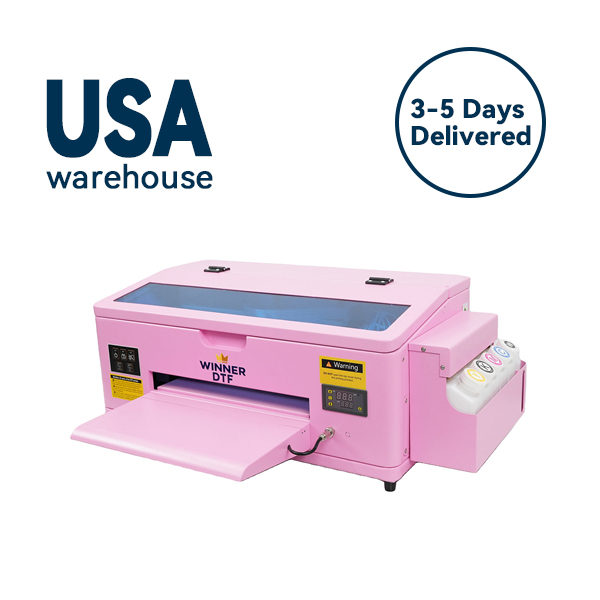
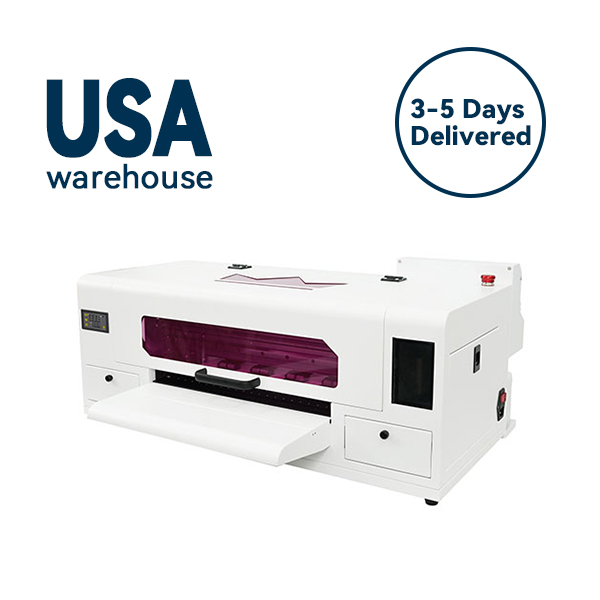
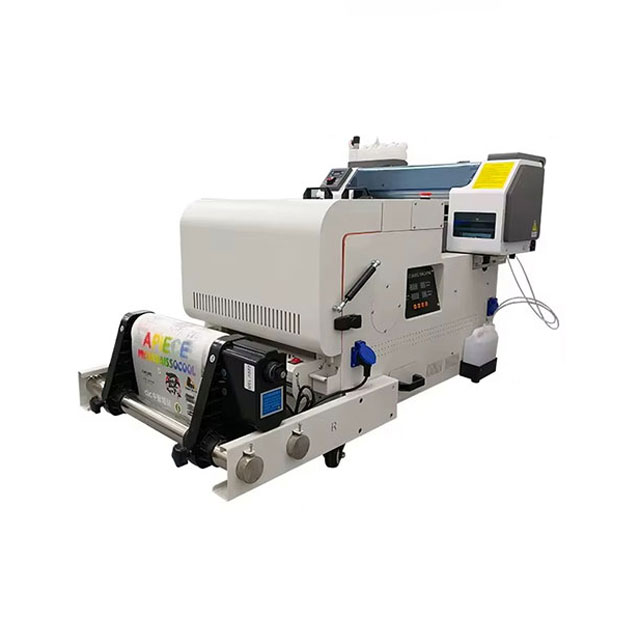
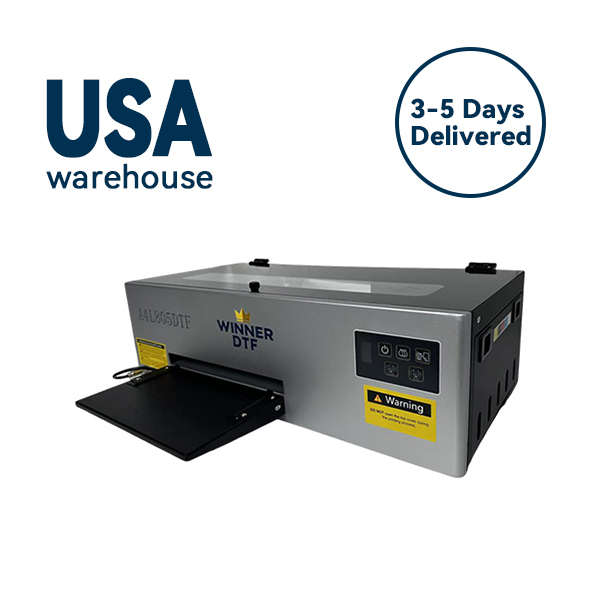
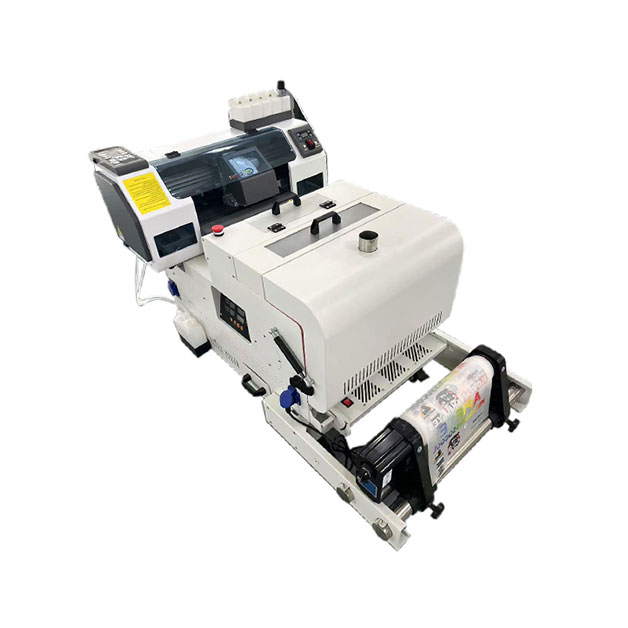
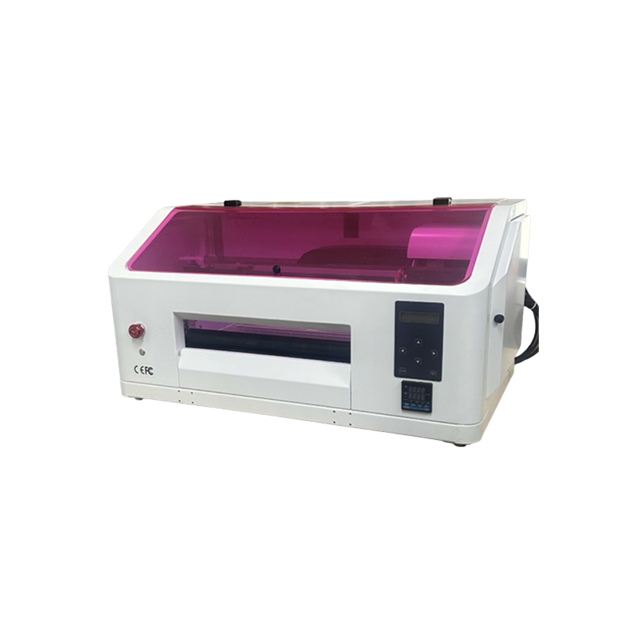
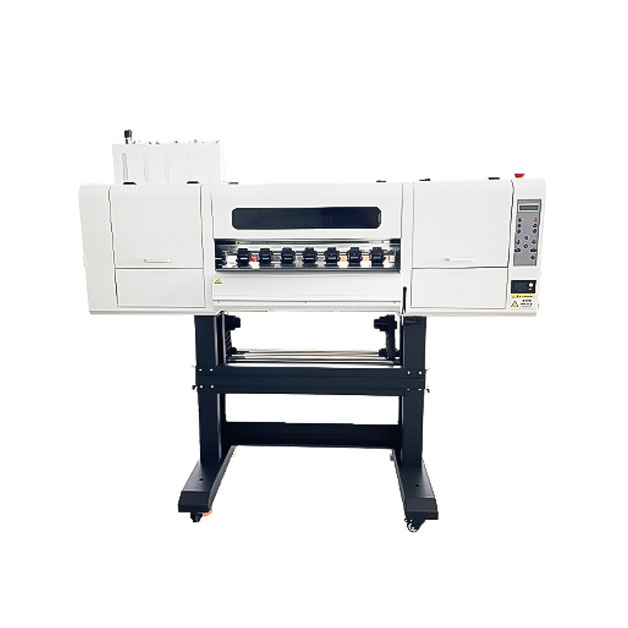
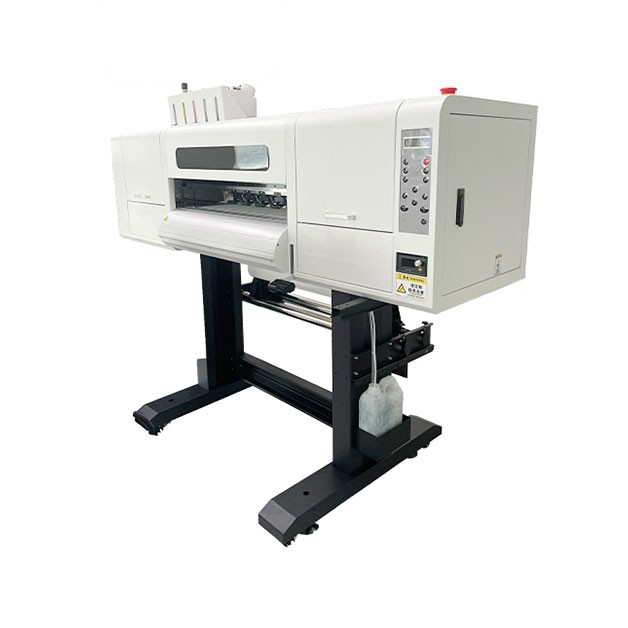


The cost of a DTF (Direct-to-Film) printer can vary significantly based on several key components. When asking how much dtf printer costs, it’s important to consider the print head technology, which is one of the most expensive parts of the printer. Piezoelectric print heads, known for their precision and durability, are typically more expensive than thermal print heads. Additionally, the printer’s resolution, print speed, and maximum print size all contribute to the overall cost. Higher resolution printers with faster print speeds and larger print areas will generally be more expensive.
Brand reputation and model features also play a significant role in determining how much dtf printer costs. Established brands with a history of quality and reliability often charge a premium for their products. Entry-level models designed for small businesses and hobbyists are more affordable, while industrial-grade printers with advanced features can cost several times more. When comparing prices, it’s important to consider the long-term value, including maintenance costs, ink consumption, and the printer’s expected lifespan.
Entry-level DTF printers are designed for small businesses and hobbyists who are just starting with DTF printing. These printers typically have lower print speeds and smaller print sizes but offer an affordable entry point into the technology. When considering how much dtf printer costs at this level, you can expect to pay between $1,500 and $5,000. These printers are ideal for businesses with low to moderate production needs and are a great way to test the waters before investing in a more advanced model.
Mid-range DTF printers offer a balance between performance and cost, making them a popular choice for growing businesses. These printers typically have faster print speeds, higher resolutions, and larger print areas than entry-level models. When asking how much dtf printer costs in this category, you can expect to pay between $5,000 and $15,000. Mid-range printers are suitable for businesses with moderate to high production needs and offer a good return on investment for those looking to expand their product offerings.
Industrial-grade DTF printers are designed for large-scale production and offer the highest performance and durability. These printers have fast print speeds, high resolutions, and large print areas, making them ideal for businesses with high-volume production needs. When considering how much dtf printer costs at this level, you can expect to pay between $15,000 and $50,000 or more. Industrial-grade printers are a significant investment but offer the highest level of performance and reliability for businesses with demanding production requirements.
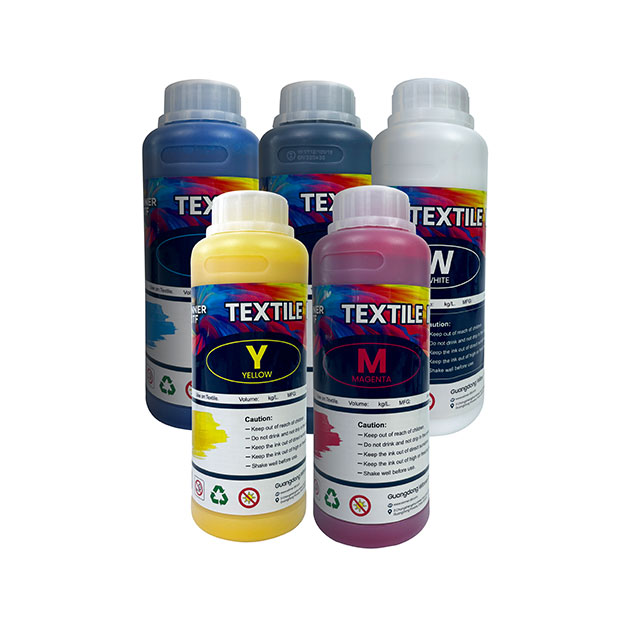
When calculating how much dtf printer costs, it’s important to consider the ongoing expenses for ink and consumables. DTF printers use specialized inks, including CMYK and white inks, which can be more expensive than traditional inks. Additionally, you’ll need to purchase PET film, adhesive powder, and other consumables. The cost of these materials can add up over time, so it’s important to factor them into your overall budget. Choosing high-quality inks and consumables can help reduce long-term costs by minimizing waste and ensuring consistent print quality.
Maintenance and repair costs are another important factor to consider when determining how much dtf printer costs. Regular maintenance, including cleaning the print heads and replacing parts, is essential for keeping your printer running smoothly. The cost of maintenance can vary depending on the printer model and the frequency of use. Additionally, unexpected repairs can add to the overall cost of ownership. Investing in a printer with a good warranty and access to technical support can help reduce these costs and ensure your printer remains in optimal condition.
To get the best value for your DTF printer investment, it’s important to assess your business needs before making a purchase. Consider factors such as your production volume, the types of materials you’ll be printing on, and your budget. If you’re a small business with low production needs, an entry-level printer may be sufficient. For larger businesses with high-volume production, an industrial-grade printer may be a better investment. By understanding your needs, you can choose a printer that offers the right balance of performance and cost.
When shopping for a DTF printer, it’s important to compare prices and features from different suppliers. Look for suppliers that offer competitive pricing, high-quality products, and good customer support. Consider factors such as the printer’s warranty, technical support, and availability of replacement parts. Additionally, read customer reviews and seek recommendations from industry experts to ensure you’re getting a reliable product. By taking the time to compare options, you can find a DTF printer that meets your needs and offers the best value for your investment.
When considering how much dtf printer costs, you may want to explore financing options such as leasing or buying. Leasing a DTF printer can be a good option for businesses with limited upfront capital, as it allows you to spread the cost over time. Leasing also provides the flexibility to upgrade to a newer model when your needs change. Buying a printer outright, on the other hand, gives you full ownership and may be more cost-effective in the long run. Consider your business’s financial situation and long-term goals when deciding between leasing and buying.
Some governments offer grants and incentives to small businesses looking to invest in new technology, including DTF printers. These grants can help offset the cost of purchasing a printer and make it more affordable for small businesses. Research the available grants and incentives in your area to see if you qualify. Additionally, some suppliers may offer financing options or discounts for small businesses, so be sure to ask about these when shopping for a DTF printer.
To determine the return on investment (ROI) of your DTF printer, you’ll need to consider the initial cost of the printer, ongoing expenses for ink and consumables, and the revenue generated from your printed products. Calculate the cost per unit for your printed items and compare it to the selling price to determine your profit margin. Over time, the revenue generated from your printed products should offset the initial investment and ongoing expenses. By tracking your ROI, you can ensure that your DTF printer is a profitable investment for your business.
To maximize the ROI of your DTF printer, it’s important to focus on efficient production and effective marketing. Streamline your production process to reduce waste and increase productivity. Use high-quality inks and materials to ensure consistent print quality and customer satisfaction. Additionally, market your printed products effectively to reach a wider audience and increase sales. By combining efficient production with effective marketing, you can maximize the return on your DTF printer investment.
One common mistake when purchasing a DTF printer is overlooking long-term costs. While the initial cost of the printer is important, it’s also essential to consider ongoing expenses such as ink, consumables, and maintenance. Failing to factor these costs into your budget can lead to unexpected expenses and reduce the overall value of your investment. Be sure to research the long-term costs associated with the printer you’re considering and factor them into your decision.
Another common mistake is choosing the wrong printer for your needs. If you’re a small business with low production needs, an industrial-grade printer may be overkill and a waste of money. Conversely, if you’re a large business with high-volume production needs, an entry-level printer may not be able to keep up with demand. Take the time to assess your business needs and choose a printer that offers the right balance of performance and cost. By avoiding these common mistakes, you can ensure that your DTF printer investment is a success.