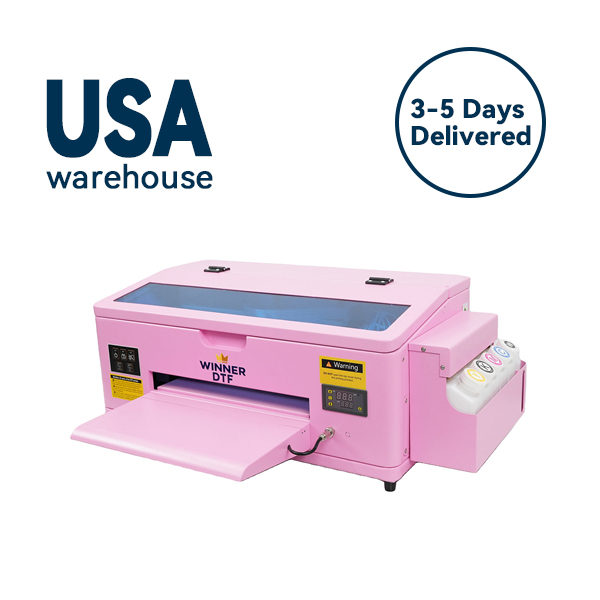
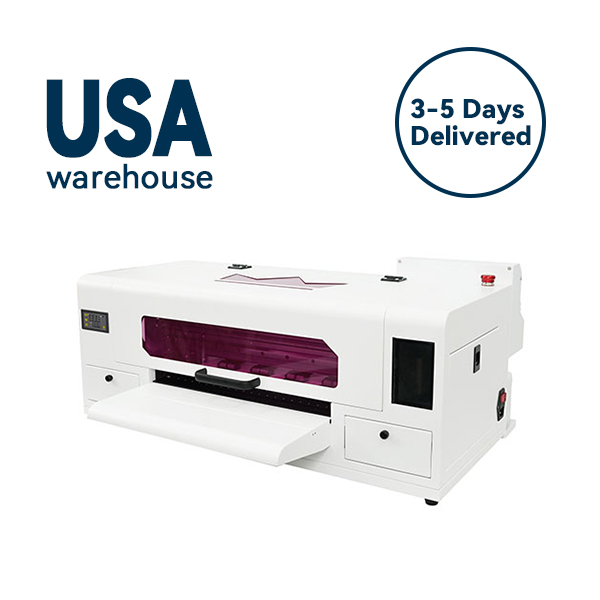
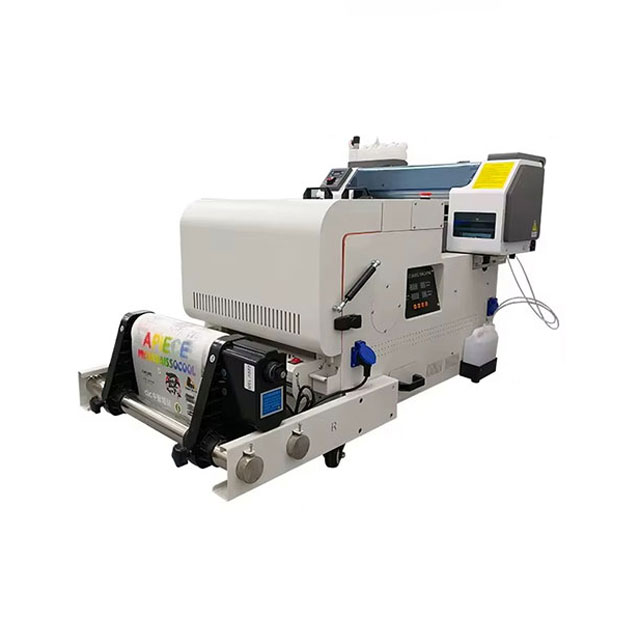
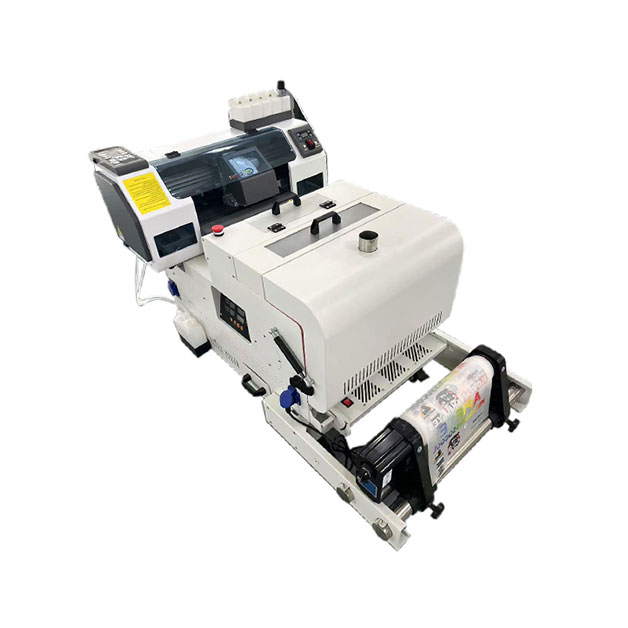
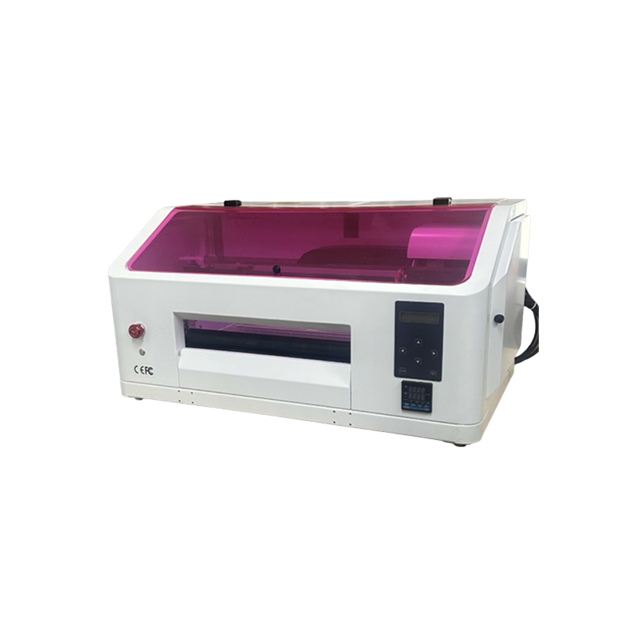
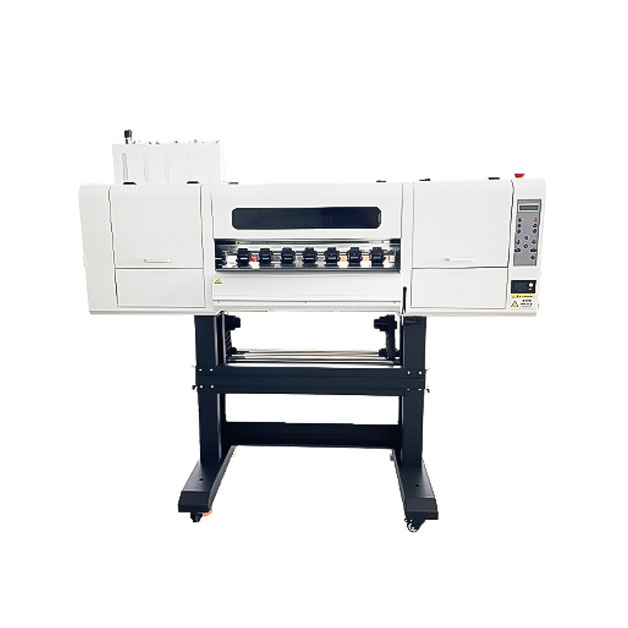
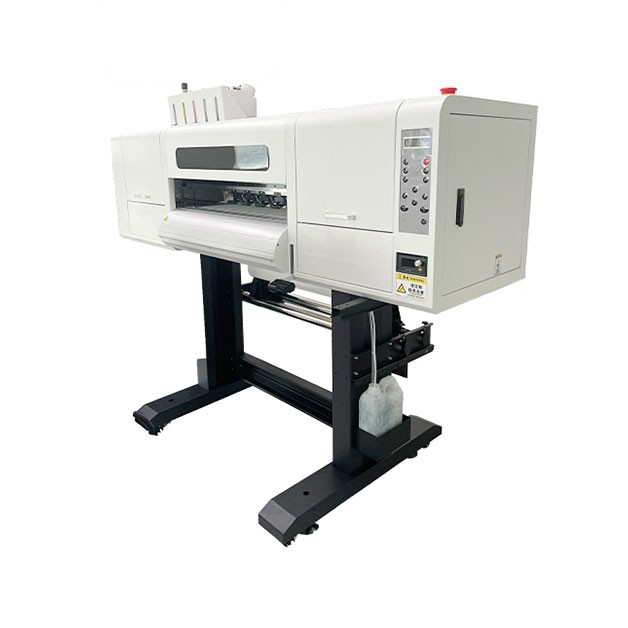
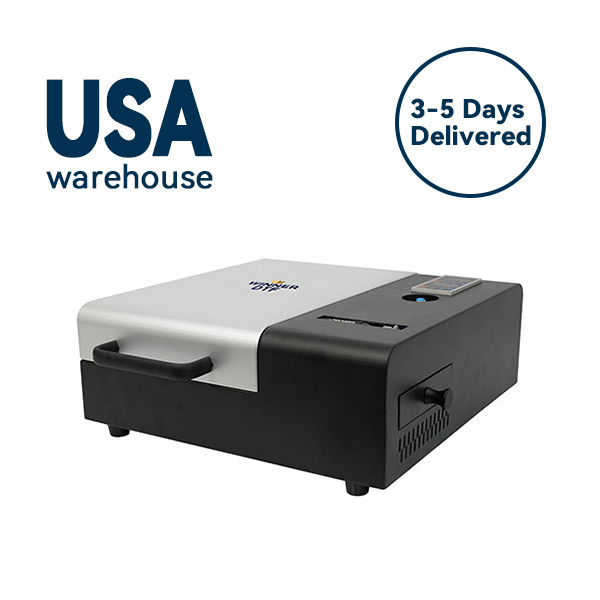
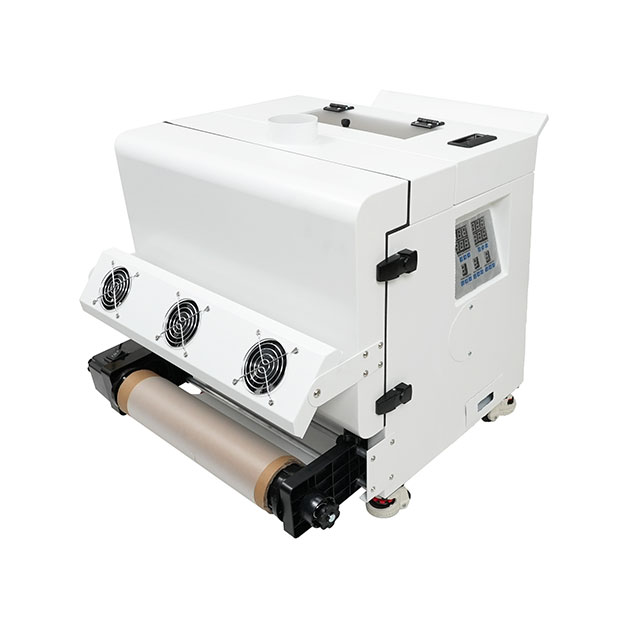
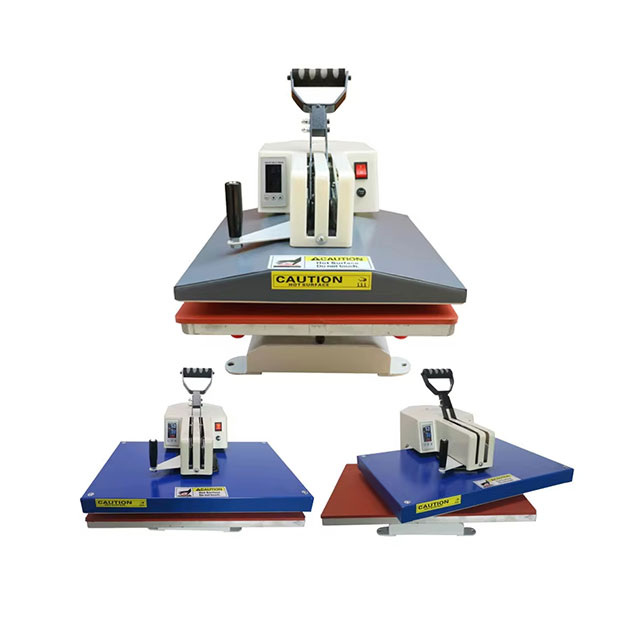
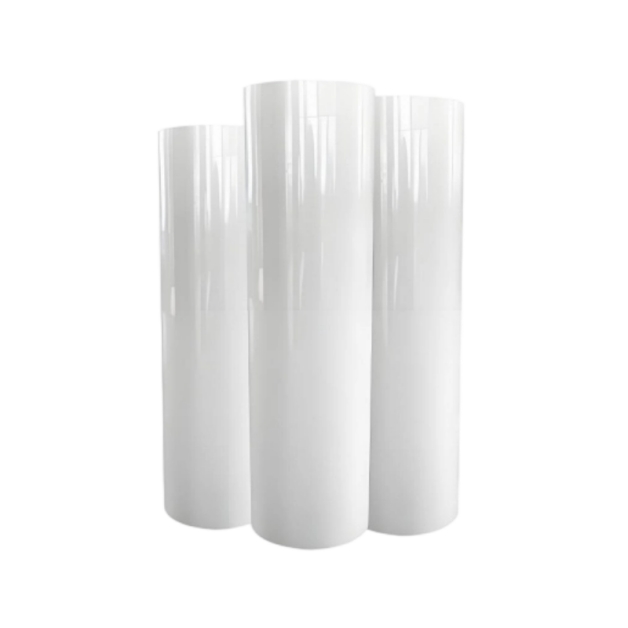


Amid the booming demand for personalized customization and industrial printing, UV DTF printers (UV Direct-to-Film Printers) have emerged as a transformative device driving industry innovation, thanks to their core advantages of “multi-material compatibility, high-efficiency curing, and wear/weather resistance.” According to authoritative data from QYResearch, the global UV DTF printer market achieved
1.481billioninsalesin2024andisprojectedtogrowataCAGRof4.31.988 billion by 2031. Whether you’re a startup entering the personalized gift segment or a traditional printing manufacturer upgrading production capacity, UV DTF printers address the pain points of low efficiency and poor adaptability in traditional processes through their technical features of “no powder required, instant curing, and cross-material transfer.” This guide comprehensively breaks down the core value of UV DTF printers from technical principles, selection strategies, application scenarios to future trends, helping you seize market opportunities accurately.
I. Technical Analysis of UV DTF Printers: Redefining the “All-Rounder” of Printing
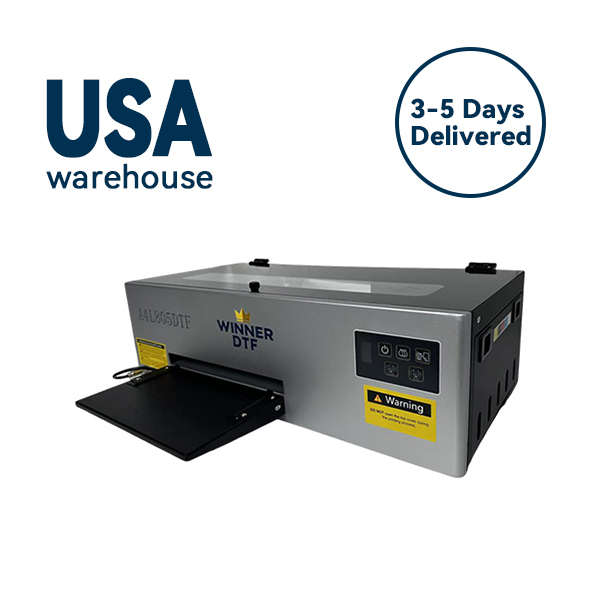
A UV DTF printer is a specialized equipment integrating digital inkjet and UV curing technologies. Its core process can be summarized in four steps: “Printing – Curing – Transferring – Forming.” It ejects UV-curable ink onto specialized PET film via piezoelectric printheads, instantly cures the ink to form a high-adhesion ink layer using LED lamps, and then transfers the layer to various substrate surfaces through heat pressing. Compared with traditional DTF and DTG technologies, UV DTF printers offer three core advantages:
In terms of key technical parameters, the printhead type (e.g., Epson i3200, Ricoh G5) determines printing precision (up to 2400dpi), LED curing power (≥36W recommended) affects ink adhesion, and modular design influences equipment scalability. For example, the Aeoon UV DTF Hybrid supports custom widths from 24 to 64 inches, meeting full-scene needs from gifts to large billboards.
II. 2025 UV DTF Printer Selection Guide: Avoid 90% of Newbie Pitfalls
Selection is critical to ROI. Based on market data and practical cases from over 100 enterprises, the following three dimensions will help you match your needs accurately:
(1) Selection by Enterprise Scale
(2) Core Parameter Pitfall-Avoidance Checklist
| Parameter Type | Key Indicators | Selection Recommendations |
| Printhead | Brand + Quantity | Prioritize Epson/i3200 printheads; dual printheads for better stability |
| Curing System | LED Power + Wavelength | ≥36W, 365nm wavelength compatible with most inks |
| Ink Layer Thickness | White Ink Opacity | ≥20μm to ensure printing effect on dark substrates |
| Operational Ease | Touchscreen + Intelligent Calibration | Support automatic alignment to reduce labor costs |
| After-Sales Support | Warranty Period + Consumable Supply | Minimum 1-year warranty; local consumable suppliers available |
(3) Cost Calculation Formula (Rare Dry Goods)
Single-Piece Printing Cost = (Ink Consumption × Ink Unit Price) + (Transfer Film Cost) + (Electricity + Labor Depreciation)
For example, A4-sized textile printing: 5ml ink consumption (unit price:
0.8/ml)+0.5 transfer film +
0.3othercosts=totalcostofapproximately5.8. The market price can reach
20−30, with a gross profit margin exceeding 70%.
III. Explosive Application Scenarios of UV DTF Printers: Unlock a Trillion-Dollar Market Demand
According to the 2025 industry report, the following four scenarios are growing the fastest and can be called “profit goldmines”:
IV. 2025-2031 Industry Trends: Three Upgrade Directions for UV DTF Printers
Conclusion
UV DTF printers are reshaping the competitive landscape of the printing industry with their core advantages of “multi-material adaptability, high-efficiency production, and high profit margins.” From a $1.481 billion market size in 2024 to a 4.3% CAGR, the growth potential of this track is undeniable. For entrepreneurs, entry-level equipment is sufficient to enter the personalized gift segment; for traditional manufacturers, upgrading to UV DTF printers can expand business boundaries and undertake high-value-added orders.
When selecting a model, keep in mind the three principles: “matching production capacity, strict parameter control, and cost accounting.” Prioritize brands with technical upgrading capabilities to remain competitive in the future market. With the iteration of intelligent and environmentally friendly technologies, the application scenarios of UV DTF printers will continue to expand. Early adopters will surely seize the “golden window” of industry growth.