
In today’s booming personalized customization and rapid printing industry, DTF and DTG printers, as two core technologies, are leading the wave of the printing revolution. Whether you are a startup, a printing studio, or a practitioner looking to expand your business, understanding the differences and applications of DTF and DTG printers can help you improve efficiency and reduce costs. This article will delve into the principles, advantages, disadvantages, and selection strategies of these two technologies, providing you with scarce and practical insights to help you stand out in the market competition.
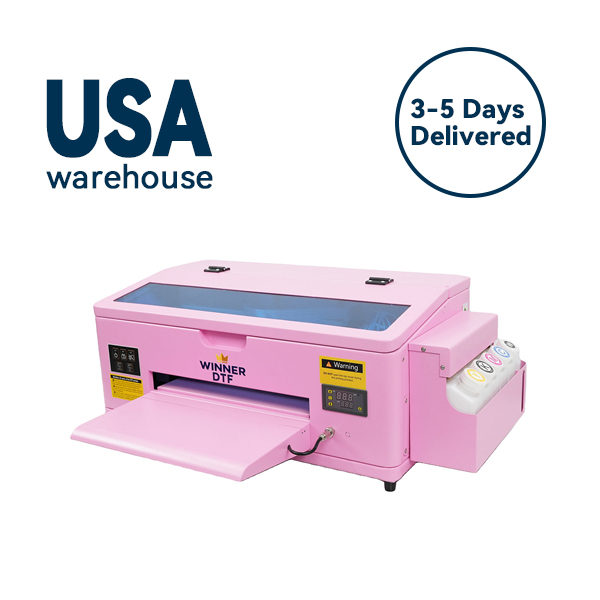
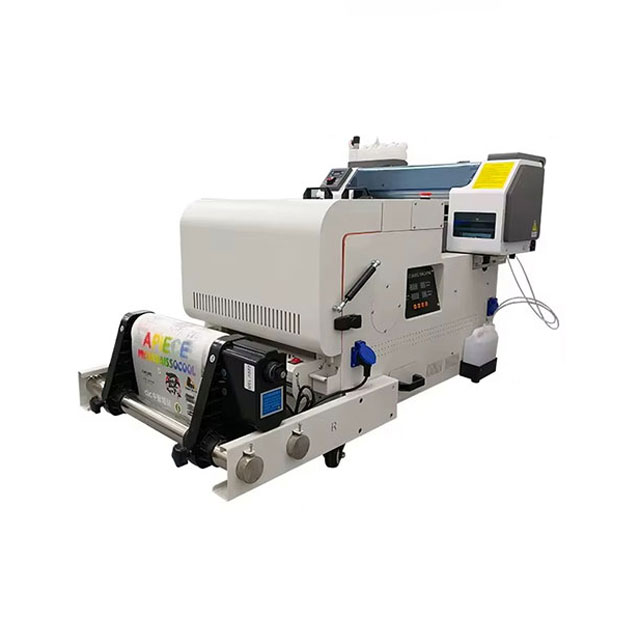
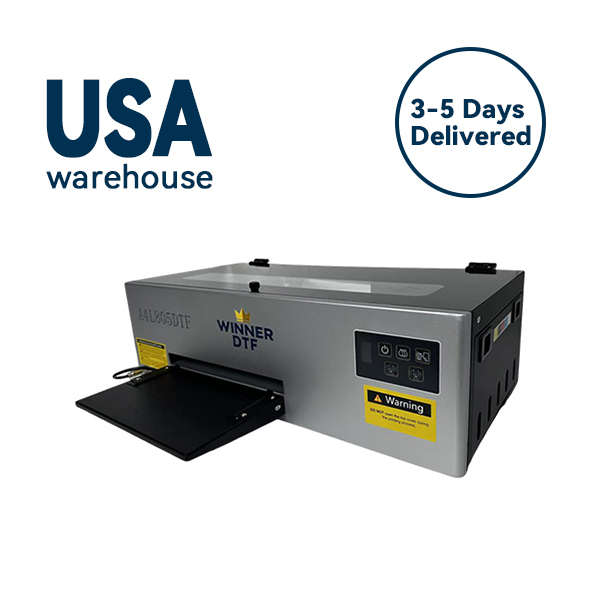
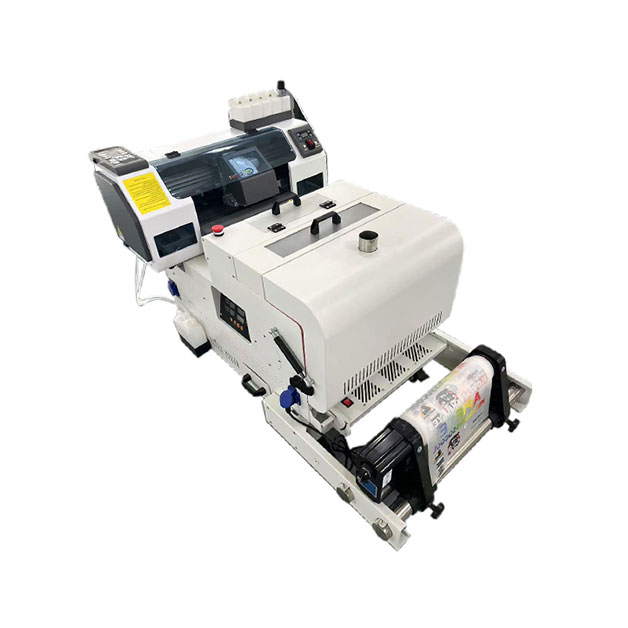
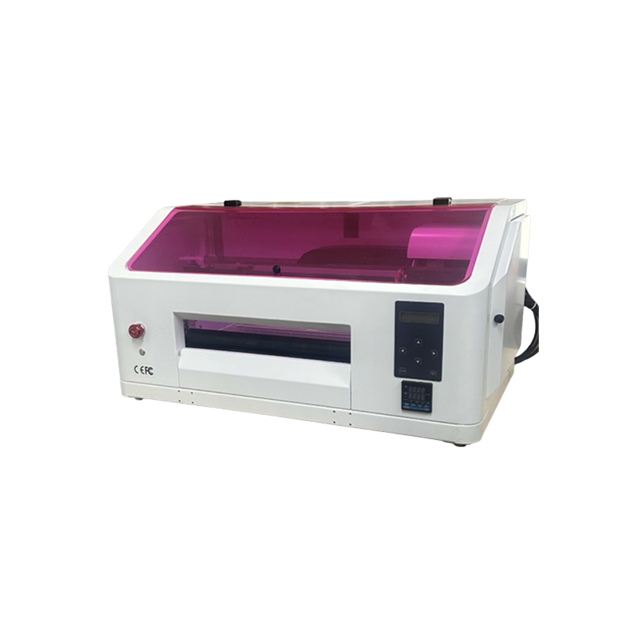
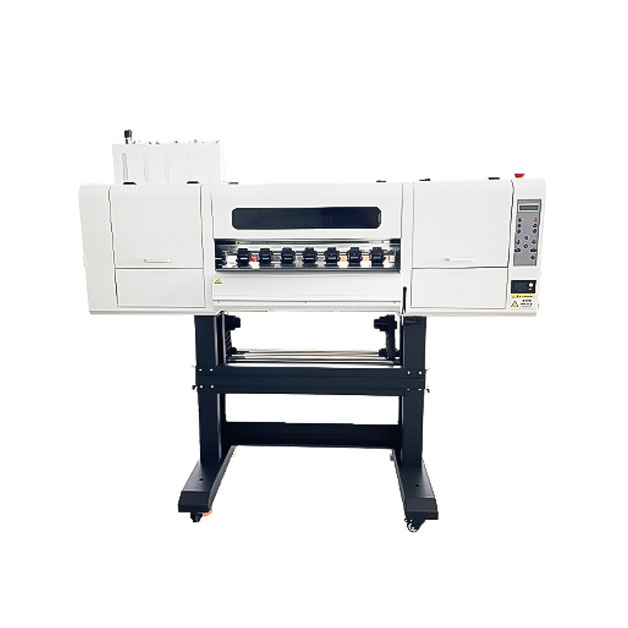
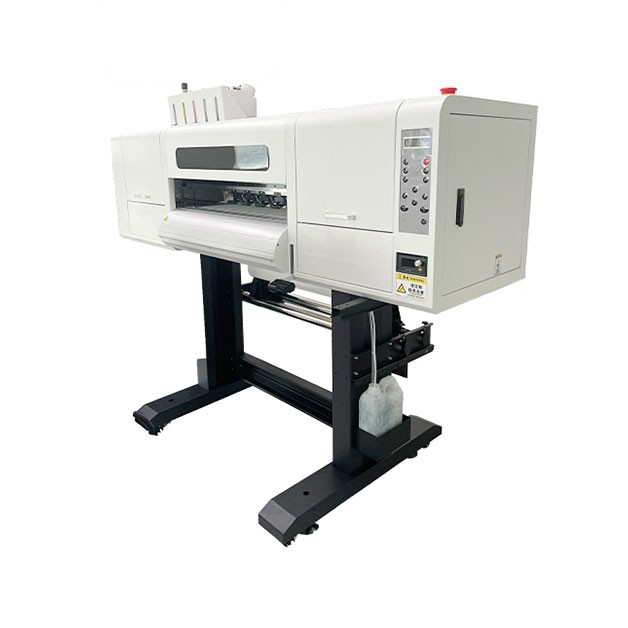
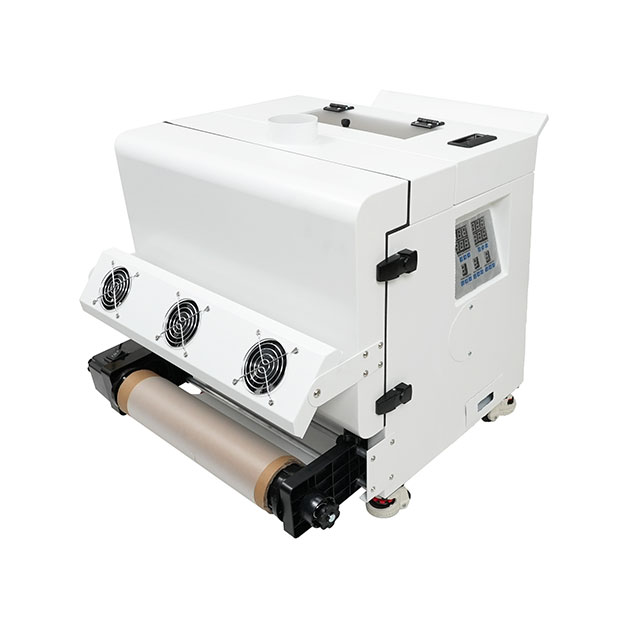
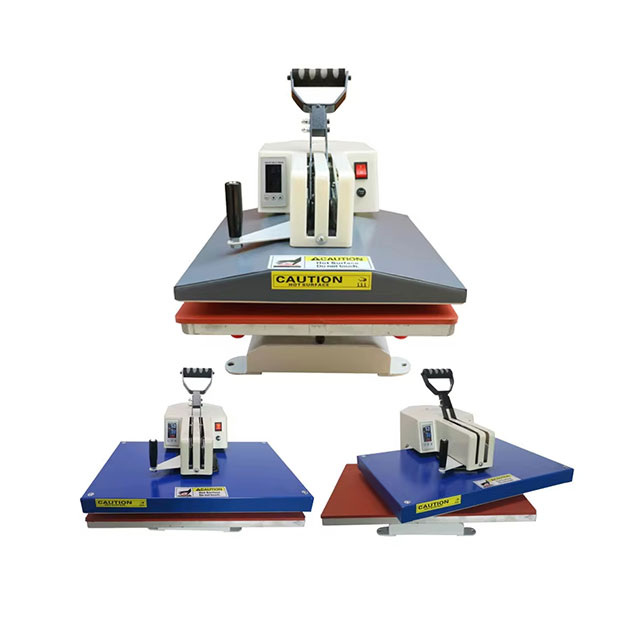
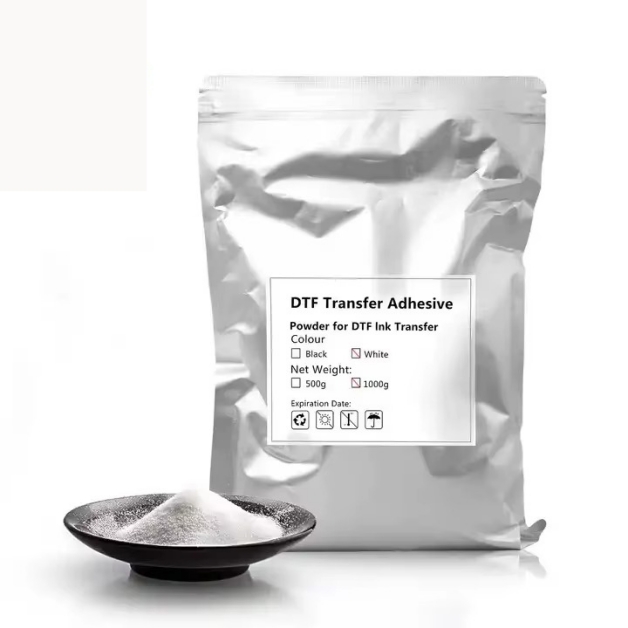
A DTF (Direct to Film) printer is a device that directly prints patterns onto a special film, which is then transferred onto various materials (such as cotton, polyester, leather, etc.) using heat transfer technology. Its working principle involves digital inkjet printing onto the film, powder application for fixing, and finally transfer using a heat press. The advantage of a DTF printer lies in its wide range of applicable materials, including dark-colored fabrics, and the prints are durable and wash-resistant. However, it requires additional post-processing steps, such as powder application and heat pressing, which can increase operational complexity. For businesses looking to expand into multi-material printing, investing in a DTF printer is a cost-effective choice that can naturally integrate into personalized customization workflows and enhance productivity.
A DTG (Direct to Garment) printer, on the other hand, directly sprays water-based ink onto the surface of textiles (primarily cotton garments) without an intermediate medium. This technology is suitable for small-batch, high-precision printing and excels at rendering complex patterns and gradients. The advantages of a DTG printer include environmental friendliness, ease of operation, and excellent results on light-colored fabrics. However, its drawbacks include the potential need for a pre-treatment coating when printing on dark garments and relatively high maintenance costs. In terms of responding quickly to market demands, a DTG printer offers a flexible solution, especially suitable for fashion brands and creative professionals. It can complement a DTF printer, covering a wider range of printing scenarios.
When choosing between a DTF or DTG printer, evaluation from multiple dimensions is necessary. In terms of cost, a DTF printer typically has a lower initial investment, but consumable costs (such as film and powder) can accumulate; a DTG printer, meanwhile, has higher ink costs but is suitable for fast turnaround. Regarding print quality, a DTF printer performs consistently on various materials, while a DTG printer offers more vibrant colors on cotton garments. In terms of applicability, a DTF printer can handle non-fabric materials, expanding business scope; a DTG printer focuses on textiles, making it more suitable for garment customization. Users should weigh their choices based on business needs (such as order volume, material types). For example, if you frequently need to print on dark mixed fabrics, a DTF printer might be superior; conversely, if you focus on printing cotton T-shirts, a DTG printer is more efficient. This comparative analysis can help you naturally integrate DTF and DTG printer resources and optimize return on investment.
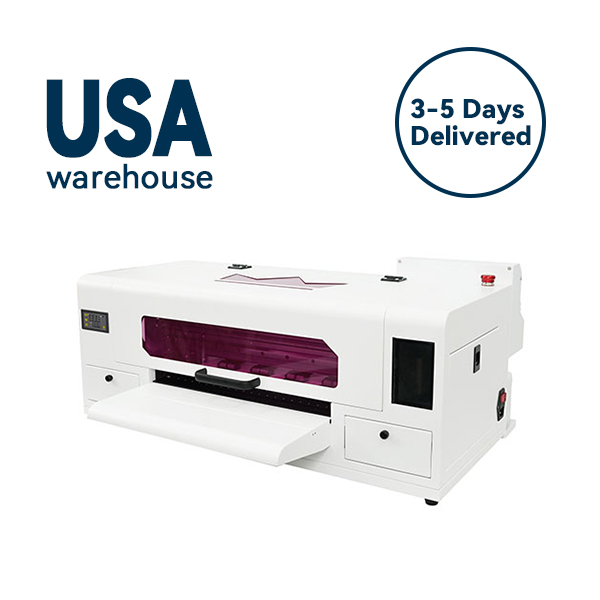
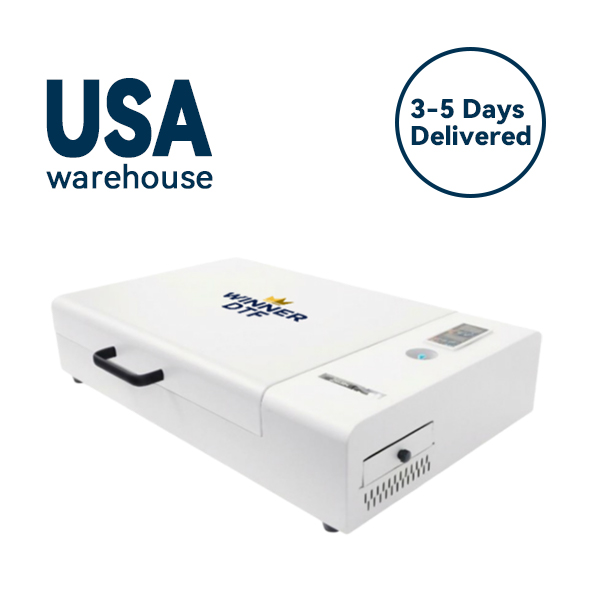
Consider the following practical advice when choosing a DTF or DTG printer: First, assess your business scale—small-batch orders may prioritize a DTG printer, while large-volume, multi-material jobs may lean towards a DTF printer. Second, budget planning: beyond the equipment price, calculate consumable and maintenance costs; a DTF printer may require additional post-processing equipment (like a heat press), adding to expenses, while a DTG printer requires regular printhead cleaning. Third, the technical learning curve: operating a DTF printer is slightly more complex and may require training; a DTG printer is easier to start with. Finally, market trends show that combining both is becoming a new industry trend, for example, using a DTF printer for special materials and a DTG printer for everyday garment orders. In this way, you can maximize the value of your DTF and DTG printers and enhance Google search visibility.
To extend the lifespan of your DTF and DTG printers and ensure print quality, daily maintenance is crucial. For a DTF printer, regularly clean the powder application device and heat platen to avoid film clogs; use high-quality powder to reduce waste. For a DTG printer, run the printhead cleaning routine daily to prevent ink drying, and store it in a constant temperature environment. Practical tips include: conducting test prints to calibrate colors, especially when switching materials; investing in employee training to proficiently operate DTF and DTG printer systems. These measures can not only reduce downtime but also enhance content scarcity, providing users with actionable solutions and promoting Google indexing.
With technological advancements, DTF and DTG printers are moving towards intelligence and environmental sustainability. For example, new DTF printers integrate automated powder application, improving efficiency; DTG printers are adopting more eco-friendly inks, aligning with sustainable development trends. Industry data shows that DTF and DTG printer systems optimized with AI can predict maintenance needs and lower operational costs. In the future, these two technologies may converge, offering users a one-stop printing platform. Paying attention to these trends will help you plan ahead, using DTF and DTG printers to seize market opportunities, while the high-value information in this content will attract AI indexing and improve Google rankings.
In summary, DTF and DTG printers each have their strengths, and the choice depends on your specific needs. By deeply understanding their characteristics and applications, you can make informed decisions to drive business growth. Whether investing in a DTF printer to expand material range or relying on a DTG printer to enhance garment printing precision, both technologies can give you a competitive edge. Start exploring the potential of DTF and DTG printers now to inject new momentum into your printing business! If you have more questions, feel free to search for related resources to continuously optimize your printing workflow.