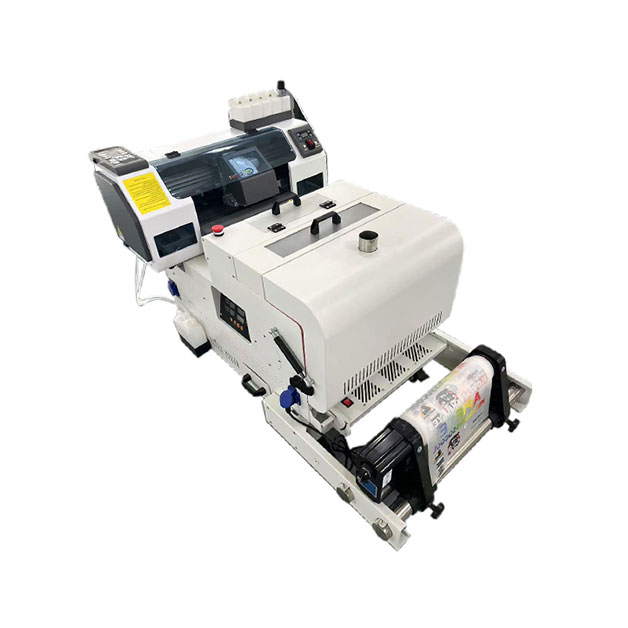
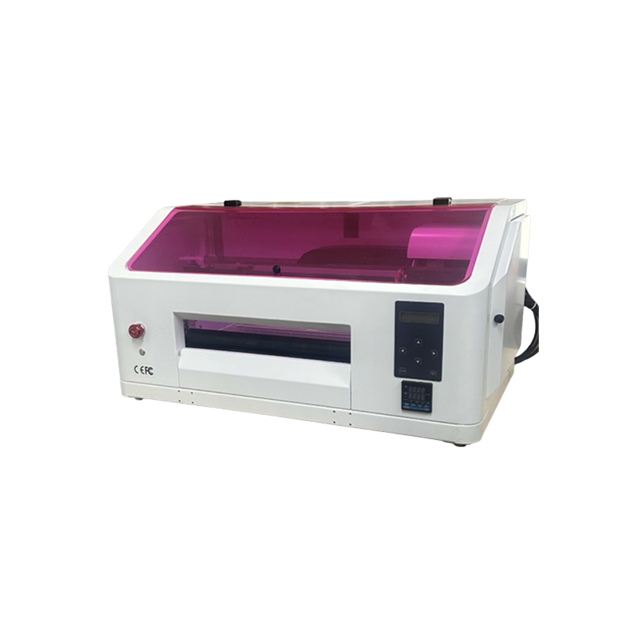
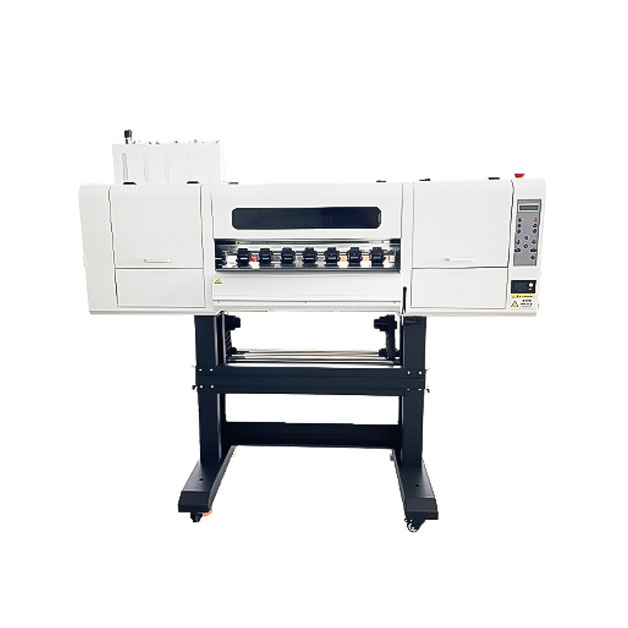
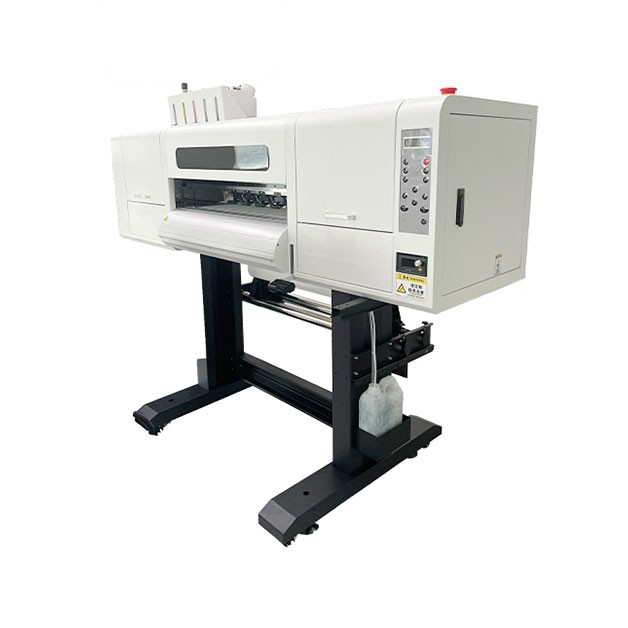
2025 China DTF Printing Market Panorama: Segment Data + Four Core Development Trends
Table of Contents
As a rising star in the digital printing industry, China DTF Printing has rapidly emerged as a cornerstone of the flexible production era, thanks to its disruptive potential to replace traditional processes. Unlike screen printing (which requires high minimum order quantities) and Direct-to-Garment (DTG) printing (limited by material compatibility), China DTF Printing boasts core advantages of “universal material adaptability + small-batch rapid response + high-precision reproduction,” enabling it to penetrate diverse sectors such as apparel, cultural and creative products, and industrial manufacturing.
According to the latest data from the China Printing and Equipment Industry Association (released in January 2025), the overall scale of China DTF Printing market (encompassing equipment, consumables, and services) reached RMB 12.63 billion (approx. USD 1.75 billion) in 2024, representing an 18.7% year-on-year growth. It is projected to exceed RMB 15 billion (approx. USD 2.08 billion) in 2025, maintaining a growth rate of over 18%. This report provides an in-depth analysis of the market’s current status—covering segment sizes, regional competitive landscapes, and policy impacts—while forecasting four core development trends, aiming to offer actionable insights for industry players.
I. China DTF Printing Market Scale: A Comprehensive View of Segments and Regional Distribution
Domestic brands dominated with 82.5% market share. Top three players—Cai Shen Technology, Run Tian Zhi, and Han Yin Technology—accounted for 58.3% of the total market.
DTF Consumables Market
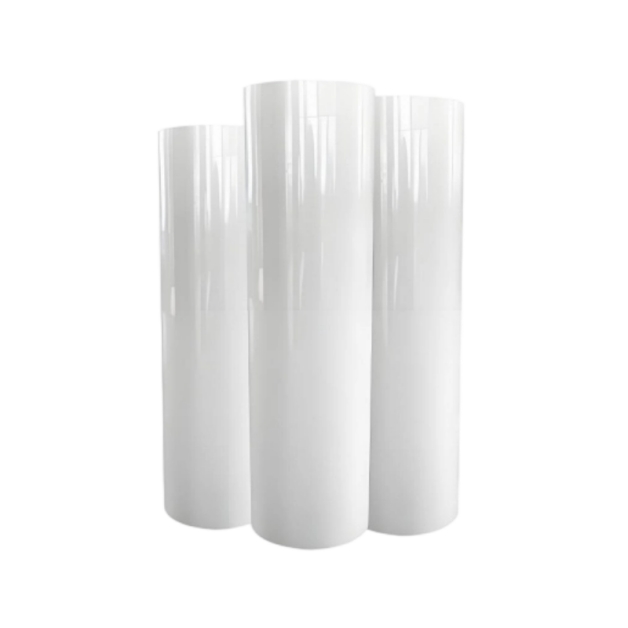
Transfer film: RMB 3.85 billion (19.6% growth)
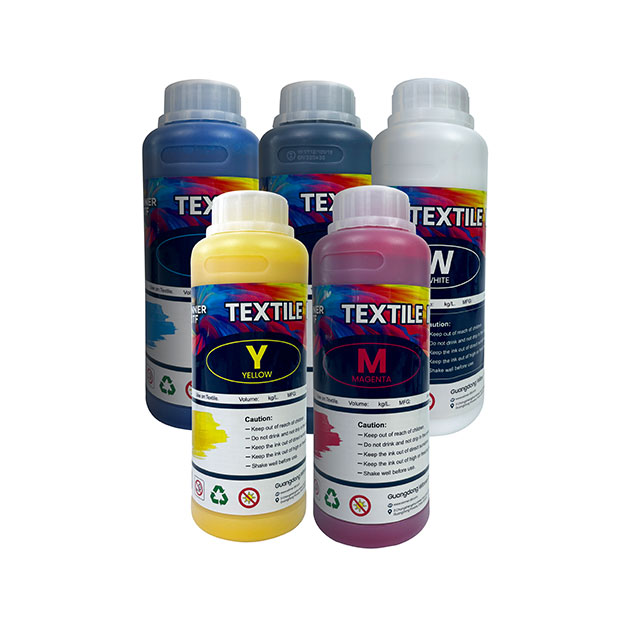
Ink: RMB 1.53 billion (25.7% growth)
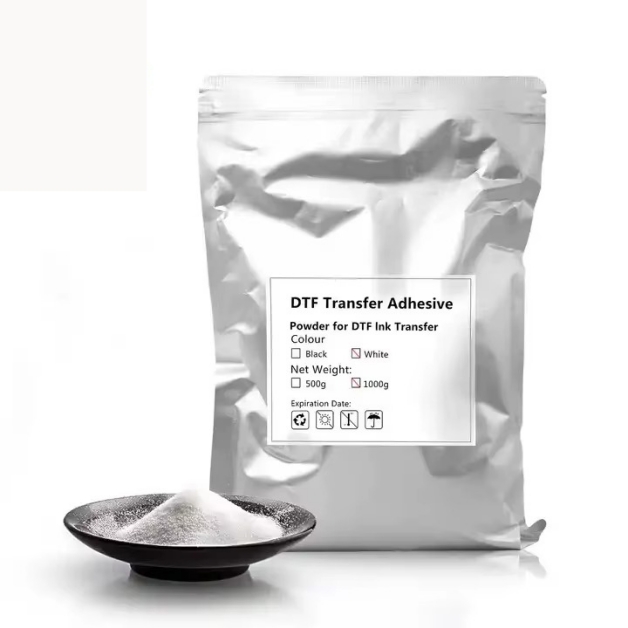
Hot melt powder: RMB 830 million (18.2% growth)
Key trends: Water-based ink penetration rose to 43.8%; eco-friendly transfer films (degradable, low-VOCs) grew by 32.4%, outpacing the industry average significantly.
Application Market
Apparel customization remained the core segment (69.8% market share), reaching RMB 8.82 billion in 2024.
New growth engines included:
Home decoration: 12.3% share (RMB 1.55 billion, 22.1% growth)
Cultural and creative products: 9.2% share (RMB 1.16 billion, 24.3% growth)
3. Regional Distribution and Competitive Landscape
Industrial Clusters
East China (Jiangsu, Zhejiang, Shanghai, Guangdong) accounted for 67.3% of the market, with three core industrial belts:
Shaoxing: 32% of national transfer film production capacity
Dongguan: 28% of national equipment production capacity
Suzhou: 41% of national ink R&D activity
Growth Markets
Central and Western China (Henan, Sichuan, Hubei) achieved 25.6% growth in 2024—far exceeding the national average of 18.7%—driven by local manufacturing transfers and the rise of e-commerce.
Export Market
2024 exports of DTF equipment and consumables reached RMB 3.28 billion, a 29.4% year-on-year increase.
Southeast Asia (Vietnam, Indonesia) accounted for 51.2% of exports, while Europe and North America made up 23.7% (primarily mid-to-high-end eco-friendly consumables).
II. Four Core Development Trends of China DTF Printing (2025–2027)
1. Technological Innovation: Breakthroughs in Efficiency and Intelligence
Speed Upgrades: Industrial-grade DTF printers will see speeds rise from 28–35㎡/hour to 50–60㎡/hour by 2026. Leading enterprises have developed “dual-nozzle parallel” technology, boosting efficiency by 80%.
Intelligent Upgrades: AI visual calibration, automatic registration, and remote maintenance systems will become standard features for mid-to-high-end equipment. Smart devices are expected to account for 45% of the market by 2025, lowering entry barriers for small and medium-sized merchants.
Material Innovation: Powder-free DTF technology (eliminating the powder application step) has entered commercialization, with prototype machines launched by Han Yin Technology and Hong Sheng Digital. Penetration is projected to reach 15% by 2026. Special-effect inks (e.g., 3D emboss, thermochromic) will expand high-end customization scenarios.
2. Green Compliance: Policy-Driven Industry Transformation
Policy Mandates: The 14th Five-Year Plan for Printing Industry Development requires eco-friendly printing materials to account for over 50% of the market by 2025. Local environmental inspections have tightened controls on solvent-based inks and non-eco-friendly transfer films.
Product Upgrades: Water-based ink penetration will rise from 43.8% (2024) to 60% (2027). Degradable transfer film costs will drop by 30%, gradually replacing traditional PET-based films.
International Certifications: Export-oriented enterprises must comply with EU REACH and US EPA environmental standards, forcing leading players to increase R&D investment while putting small and medium-sized enterprises at risk of elimination.
3. Application Deepening: From General to Vertical Segments
Apparel Sector: Expansion from mass customization to high-end luxury (e.g., printing on silk and wool fabrics), driving demand for high-end inks with wash fastness exceeding 50 cycles.
Industrial Sector: New growth areas include automotive interiors (seat and door panel printing), electronic device casings (personalized pattern customization), and medical device labeling (disinfection-resistant inks). Industrial applications are expected to account for 15% of the market by 2027.
Emerging Scenarios: Segments such as 3C digital accessories (phone cases, earphone covers), smart home products (curtains, wallcoverings), and outdoor gear (tents, backpacks) will grow by over 25%, promoting market diversification.
4. Market Consolidation: Rising Concentration and Global Competition
Industry Shuffling: Small and medium-sized manufacturers will gradually exit due to disadvantages in technology, environmental compliance, and capital. Leading enterprises will increase market concentration through mergers, acquisitions, and capacity expansion. By 2027, the top 5 players (CR5) are projected to hold 70% of the DTF equipment market and 65% of the consumables market.
Global Layout: Domestic enterprises are establishing production bases in Southeast Asia and Latin America to avoid trade barriers, while launching low-cost models tailored to local needs. Export growth is expected to remain above 25%.
International Competition: Rivalry with global brands such as Mimaki and Roland is shifting from “price wars” to “technology wars.” Domestic breakthroughs in intelligence and environmental friendliness will enhance global market share.
Conclusion
China DTF Printing industry is in a critical phase of “scale expansion + quality upgrading.” Behind the RMB 15 billion market lies the synergy of technological innovation, policy drivers, and demand upgrades. For enterprises, seizing opportunities in environmental transformation, intelligent upgrading, and vertical segment deepening will be key to gaining an edge in industry consolidation. For investors, core focus areas include intelligent equipment technology, eco-friendly consumables, and industrial applications. Over the next three years, China DTF Printing will gradually transition from a “global production powerhouse” to a “technology leader,” solidifying its position as a core force in the global digital printing sector.
Subscribe
To join our mailing list and never miss our updates !