Beyond the Decal: Why UV DTF Printing is the $1,000/Hour Game Changer for 2026
Table of Contents
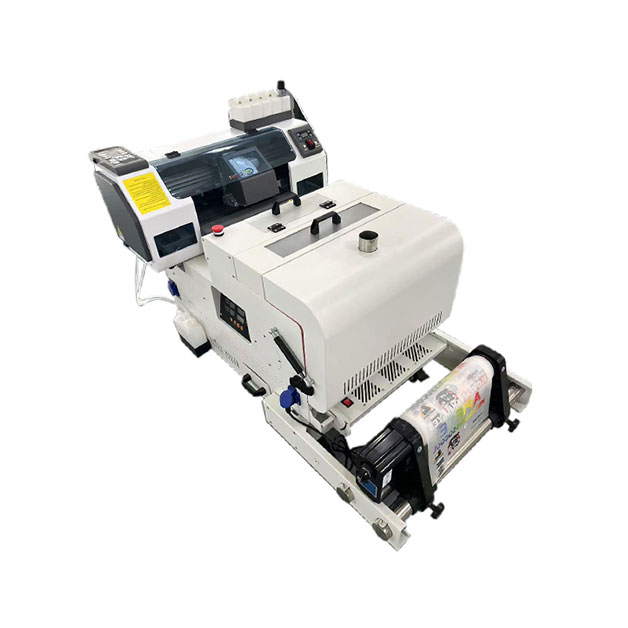
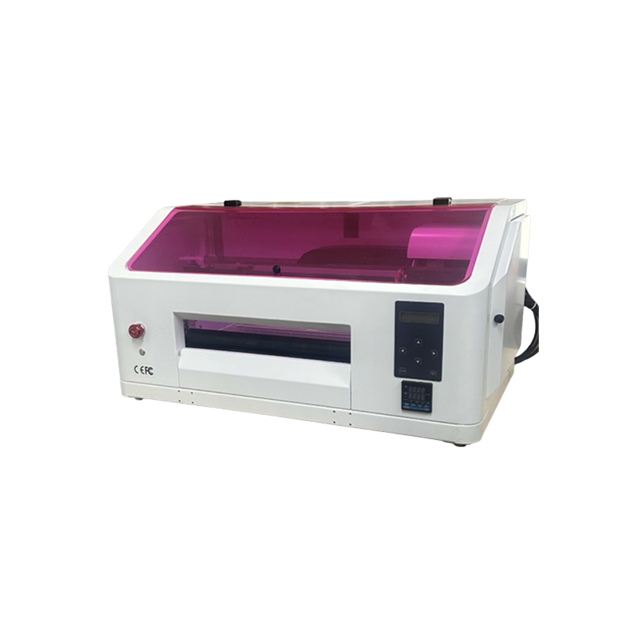
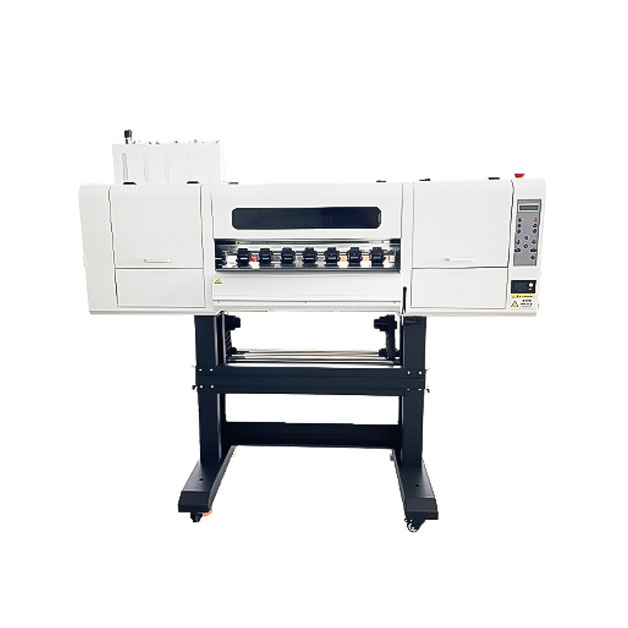
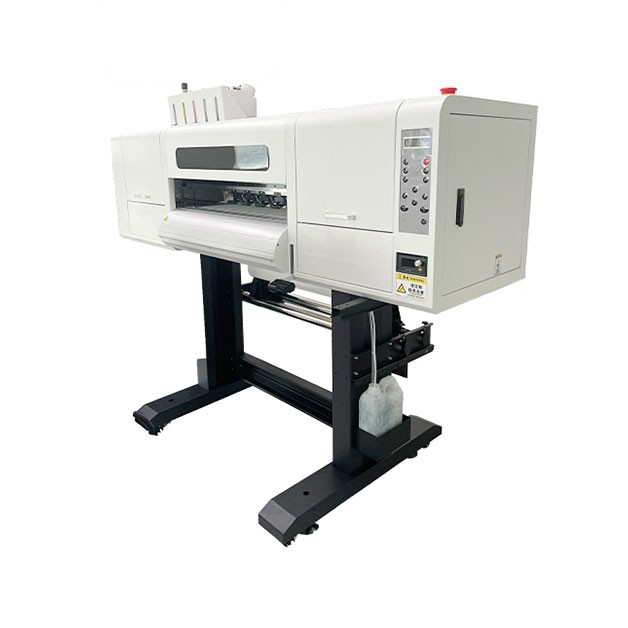
In the crowded landscape of custom printing, a quiet revolution is underway. While Direct-to-Film (DTF) changed the game for t-shirts, UV DTF printing is quietly reshaping a much larger market: the multi-billion dollar world of hard surface decoration. This isn’t just about making stickers; it is about bypassing the limitations of heat, shape, and material to turn any object into a revenue stream.
If you are a print shop owner looking to diversify or an entrepreneur hunting for the next high-margin side hustle, understanding UV DTF in 2026 isn’t optional—it’s the key to unlocking profits on items you couldn’t touch before.
What is UV DTF Printing? Decoding the “AB” Film Magic
To the uninitiated, the process can look like sorcery. You print a vibrant design, stick it to a curved phone case, peel away a layer, and the ink stays perfectly bonded. How does it work without heat or a press?
The Science of the Transfer: Film A + Film B
Unlike standard DTF, which relies on adhesive powders and a heat press, UV DTF utilizes a sophisticated two-film system engineered for cold application .
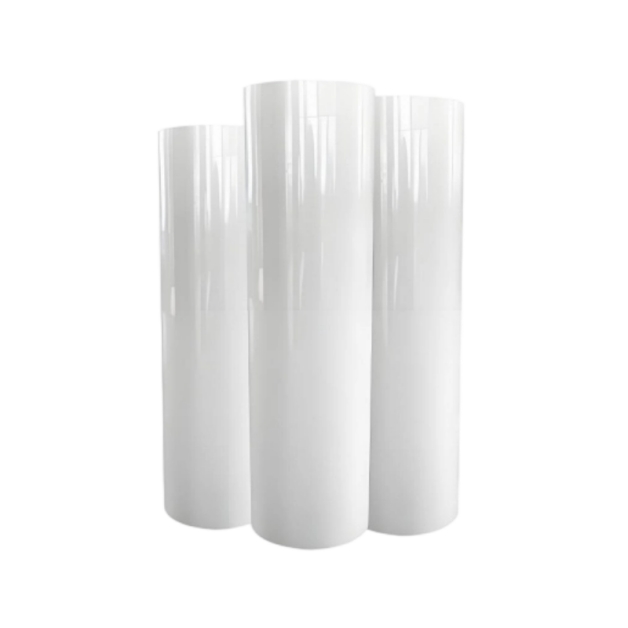
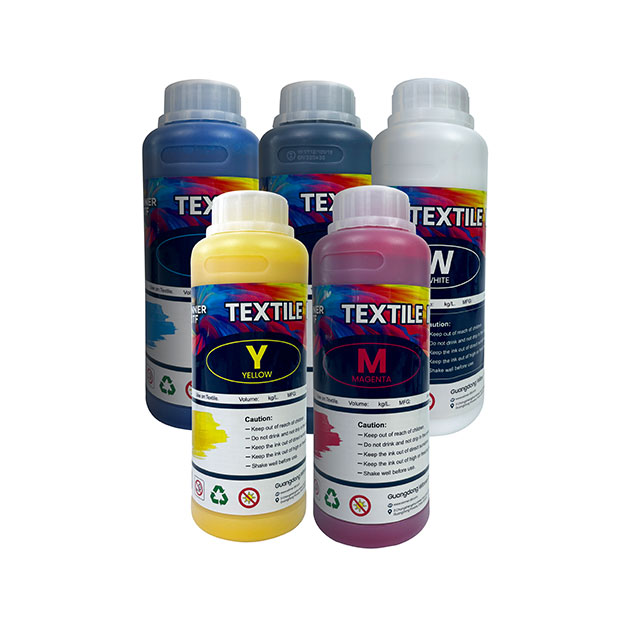
Film A (The Print Receptor): This is the film onto which the UV printer deposits the design. The printer uses UV-curable inks (CMYK + White + Varnish). As the print head lays down the ink, integrated UV LED lamps instantly cure it—turning the liquid into a solid, durable layer through photopolymerization .
Film B (The Adhesive Carrier): Once printed, Film A is immediately laminated with Film B. This second film carries the high-tack adhesive. When you later separate them for application, the design stays on Film B, ready to be transferred. You simply apply pressure, and the adhesive chemically bonds to the target surface .
The “Cold Transfer” Advantage
The elimination of a heat press is not just a convenience; it is a capability expander. Because UV DTF uses pressure-sensitive adhesives rather than thermal activation, it can be applied to heat-sensitive materials like thin plastics, certain coated metals, or even candles without the risk of warping or melting .
UV DTF vs. DTF: Why They Are Siblings, Not Rivals
One of the biggest mistakes buyers make is pitting these two technologies against each other. In reality, they are designed for different material ecosystems.
Substrate Battleground: Textiles vs. Hard Surfaces
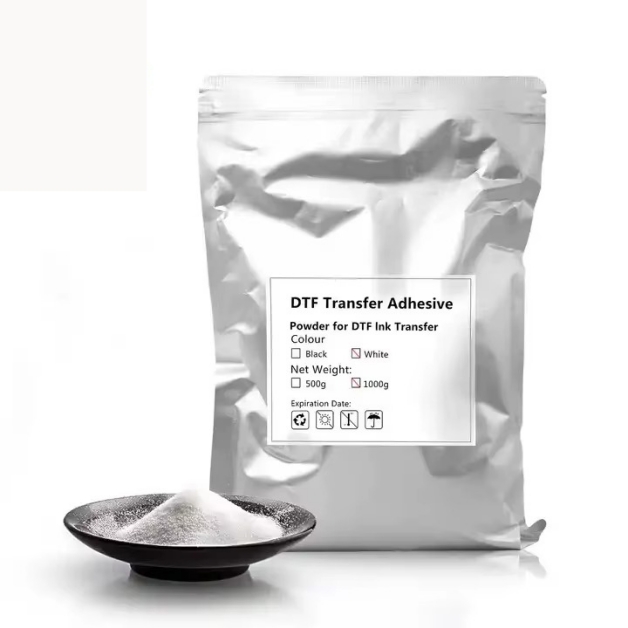
Standard DTF: This method is engineered for the “give” of fabric. The adhesive powder melts into the weave, allowing the print to stretch and rebound. It is the undisputed king of t-shirts, hoodies, and tote bags .
UV DTF: This method is engineered for non-porous, rigid substrates. It excels on materials where ink has nowhere to go: glass, metal, ceramics, acrylic, and coated wood. While it can be applied to fabric, it is not recommended; the rigid nature of cured UV ink will crack under the stress of stretching .
Durability Metrics: Washes vs. Years
The way we measure durability differs fundamentally between the two.
DTF Durability: Measured in wash cycles. A quality DTF print on fabric can withstand 50 to 100 home laundry cycles before showing significant wear .
UV DTF Durability: Measured in environmental exposure. Because these prints are exposed to handling, UV light, and weather, their lifespan is typically 2 to 5 years for outdoor applications, making them perfect for permanent labels and promotional items .
The Financial Case: ROI and Profit Margins in 2026
Is a UV DTF printer worth the investment? For small to medium businesses, the math is becoming increasingly attractive, with many seeing a return on investment in under six months .
Breaking Down the Costs (Per Unit)
The variable cost of producing a UV DTF transfer is surprisingly low, which is the secret to the high margins. Based on industry averages for a standard 3″x3″ decal:
A/B Film Share: ~$0.12 (when ganging multiple designs on a sheet)
UV Ink & Varnish: ~$0.07
Labor & Overhead: ~$0.16
Estimated Total Cost:~$0.35 per decal.
What to Charge: The Margin Sweet Spot
Because UV DTF transfers look like high-end industrial prints, customers assign them a high value.
Retail Price Point: $3.00 – $5.00 for small decals.
Profit Per Unit: $2.65 – $4.65.
Daily Potential: If you produce 100 items a day, you are looking at $265 to $465 in daily gross profit on the low end .
For larger items like full tumbler wraps, the numbers scale even faster. A tumbler wrap costing roughly $1.50 in materials can easily retail for $12 to $20, yielding a profit margin of 85% or more .
Top Revenue Applications: Where UV DTF Wins in 2026
Knowing the machine is one thing; knowing where to point it is another. These are the highest-growth verticals for UV DTF this year.
The “Impossible” Promo Products
Promotional distributors often struggle with requests for logos on oddly shaped or textured items. UV DTF handles these with ease.
Drinkware: Libbey glass cans, stainless steel tumblers, and wine glasses with complex curves.
Electronics: Phone cases, laptop covers, and power banks where heat would damage components.
Tools & Industrial: Measuring tapes, hard hats, and machinery with textured grips where vinyl fails .
Short-Run Packaging and Prototyping
Brands needing low minimum order quantities (MOQs) for product launches are turning to UV DTF. Instead of ordering 10,000 custom-printed boxes, they buy plain stock boxes and apply UV DTF labels. The high-gloss, raised finish mimics spot UV or foil stamping, making prototypes and limited editions look premium without the inventory risk .
The 2026 Trend: Mastering 3D Textured and Tactile Prints
As the market becomes saturated with flat transfers, the ability to offer texture is the new differentiator. 3D textured UV DTF is moving from a novelty to an expectation for luxury branding .
Building Height with Varnish Layers
The “3D” effect is achieved through a process of varnish layering.
The Technique: Instead of printing a flat image, the RIP software is configured to print multiple layers of clear varnish (spot gloss) on specific areas of the design.
The Result: By stacking 3 to 10 layers of varnish, you create a physical, raised relief on the surface. This tactile element mimics the feel of engraved or embossed details .
Why Texture Commands Higher Prices
Tactile prints engage more senses, which increases perceived value.
Perceived Quality: A raised logo on a wine bottle or a cosmetic jar feels premium and industrial, allowing you to charge luxury prices.
Enhanced Durability: Those extra varnish layers act as a thick, protective shield, making the transfer significantly more resistant to scratches and abrasion than flat prints .
Mastering Application: How to Apply UV DTF Transfers
Even the best print will fail if the application is sloppy. Because the adhesive is aggressive, you usually only get one shot.
Surface Prep: The 91% IPA Rule
The number one cause of transfer failure is contamination. You must strip away any oils, dust, or mold release agents.
Method: Wipe the surface vigorously with a lint-free cloth soaked in 91% Isopropyl Alcohol. Do not use household cleaners that leave a residue .
The Burnishing and 180° Peel
Burnish: Use a felt squeegee or a firm plastic scraper to apply heavy pressure from the center outwards. This ensures the adhesive “wets out,” meaning it fills the microscopic pores of the surface to eliminate air pockets .
The Peel: Peel the clear carrier film (Film B) back at a sharp, 180-degree angle. Peeling straight up (90 degrees) can stress the fine details and cause them to lift off the product .
Conclusion: The Strategic Advantage of UV DTF
UV DTF printing is not a replacement for DTF or screen printing; it is an expansion of your addressable market. It bridges the gap between the “flat and flexible” world of textiles and the “curved and rigid” world of promotional products.
In an era where personalization is the primary driver of consumer spending, the ability to decorate anything—regardless of shape, texture, or heat sensitivity—gives you an unassailable competitive advantage. Whether you are producing industrial labels that need to last three years or luxury wedding favors that need to impress for one night, UV DTF offers the quality, speed, and margin to make it profitable
Subscribe
To join our mailing list and never miss our updates !