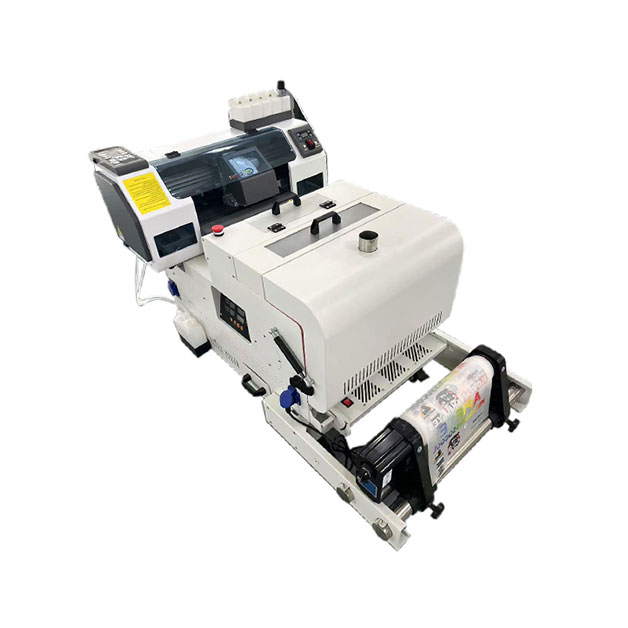
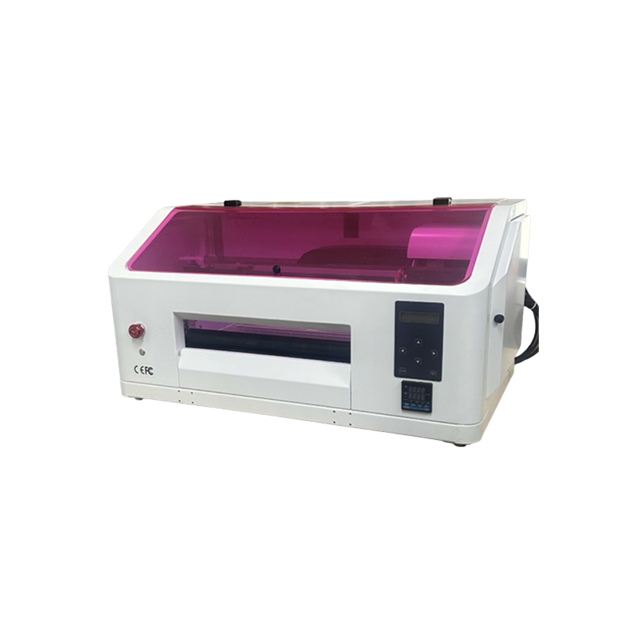
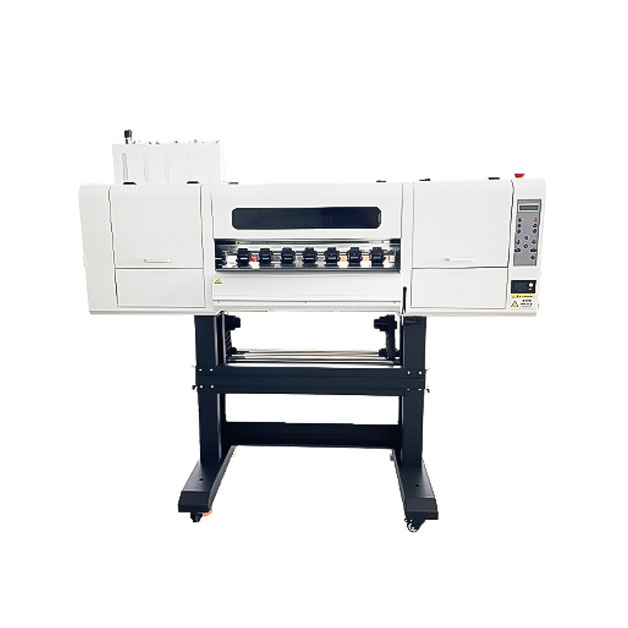
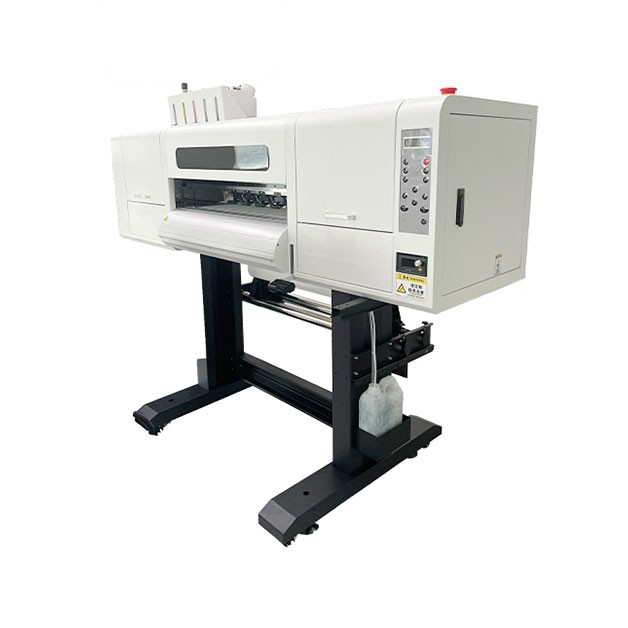

The custom apparel industry is undergoing a seismic shift. While screen printing has long been the reigning champion for bulk orders and Direct-to-Garment (DTG) has been the go-to for detailed cotton prints, a versatile and powerful contender has emerged: DTF printing (Direct-to-Film).
For entrepreneurs and e-commerce brands, DTF printing isn’t just another method; it is a business model enabler. It effectively eliminates the barriers between a complex design and a finished product, allowing you to print on materials that were previously problematic. Whether you are a solo entrepreneur working from a spare bedroom or an established print shop looking to optimize workflow, understanding the nuances of DTF printing is the key to unlocking higher profit margins and faster turnaround times .
This comprehensive guide dives deep into the mechanics, profitability, and future of DTF printing, providing you with the actionable insights needed to dominate your local market or scale your online store.
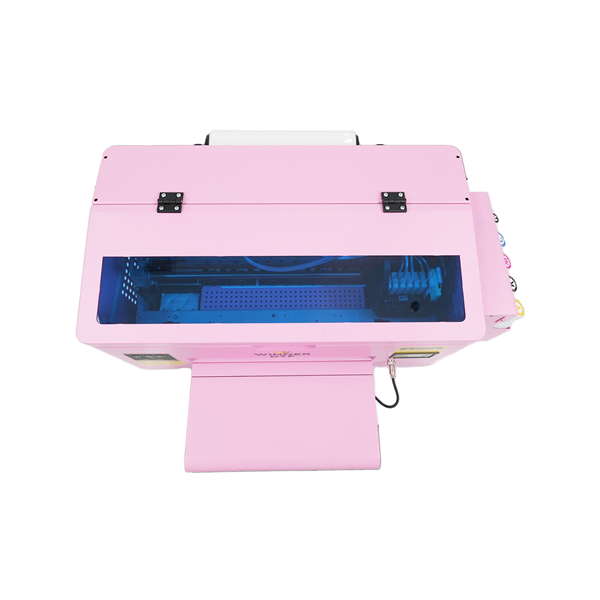
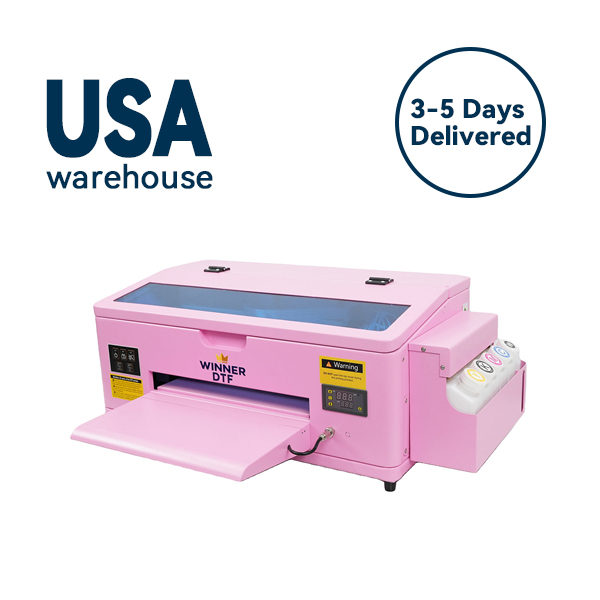
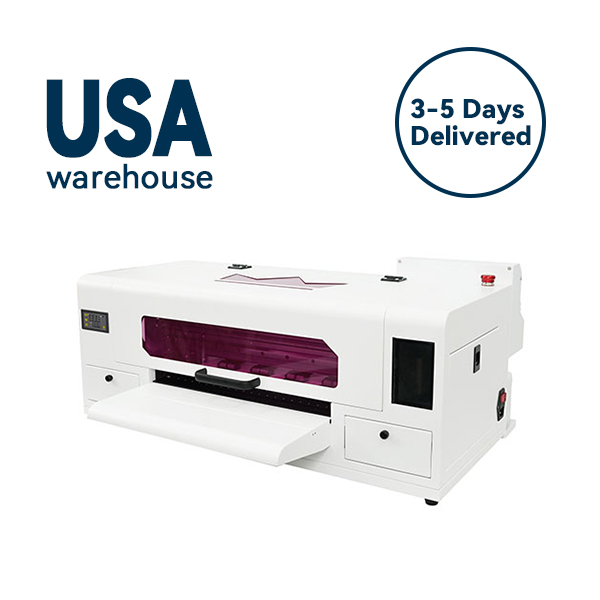
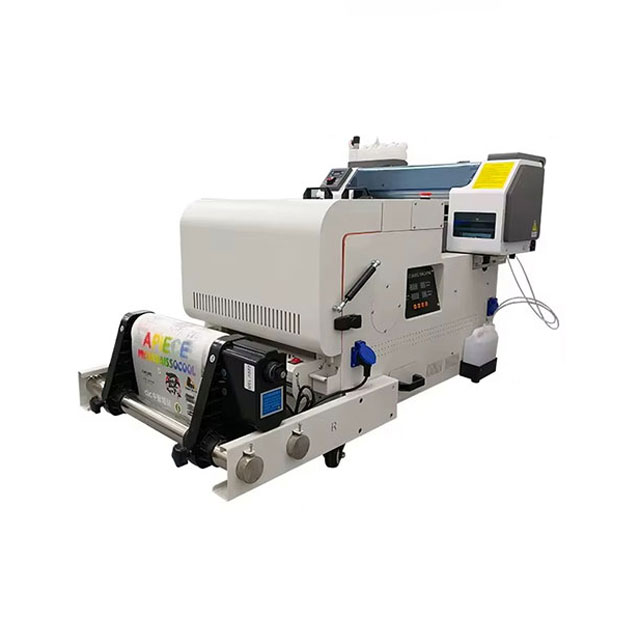
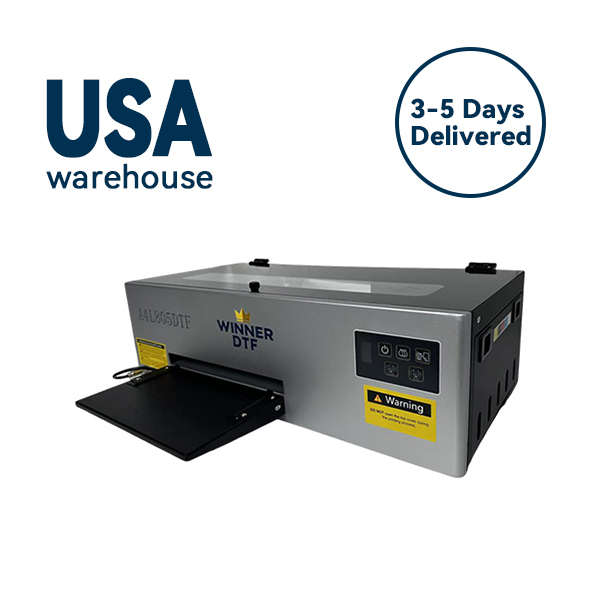
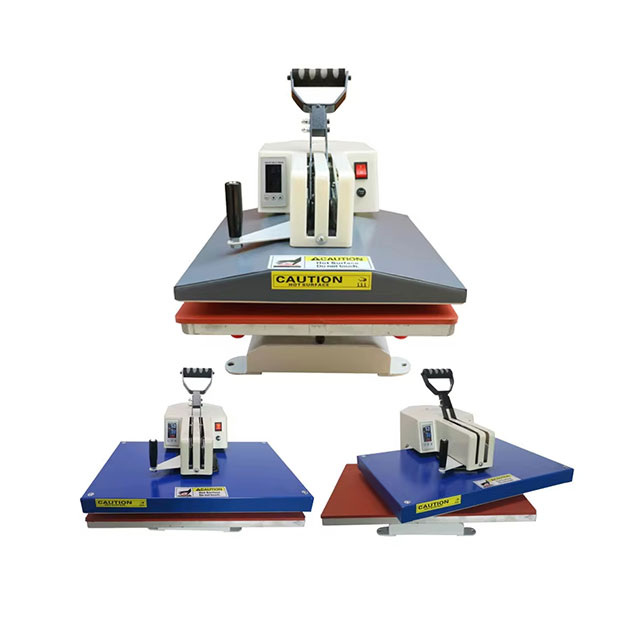
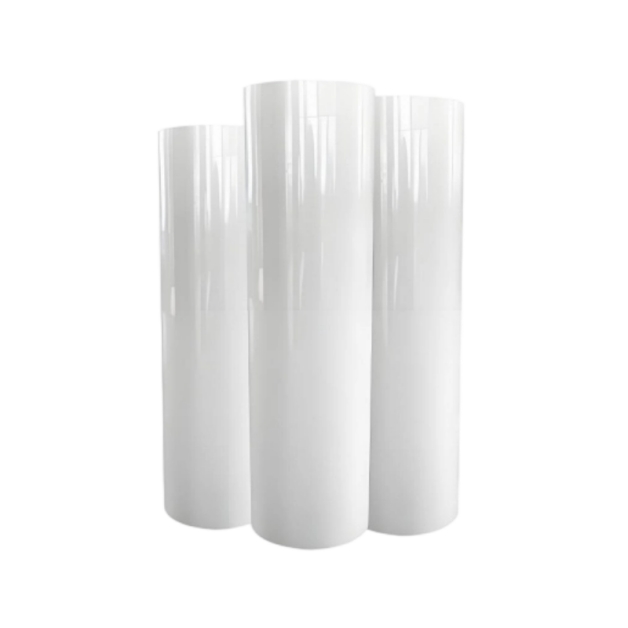
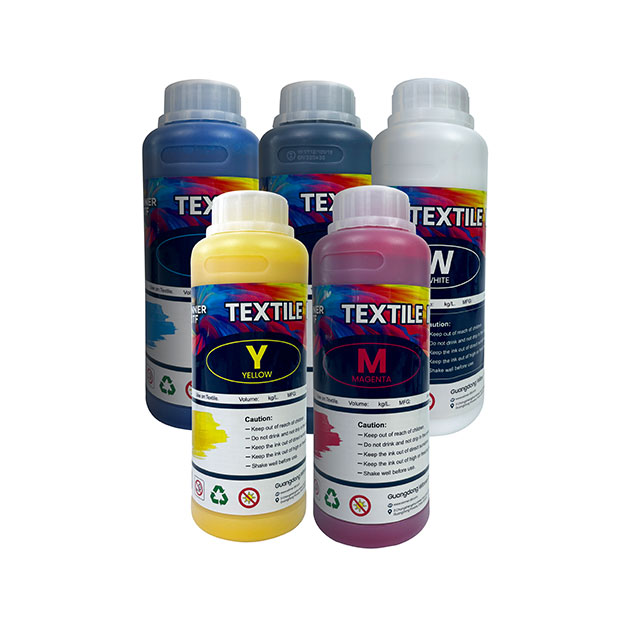
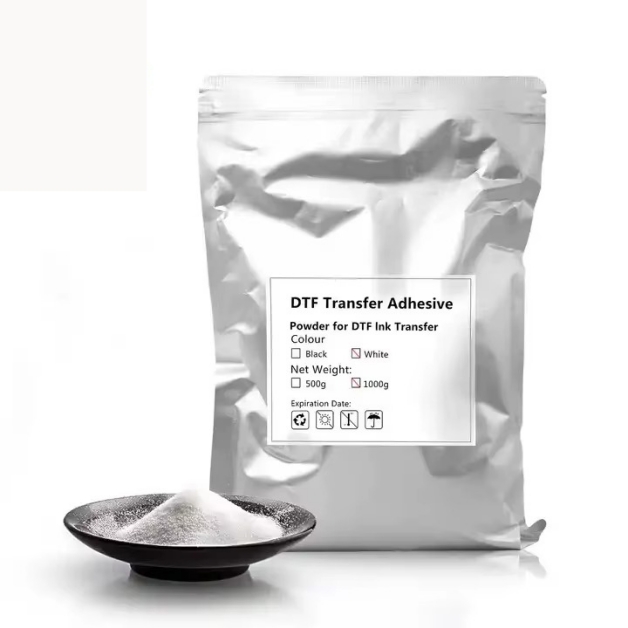
Direct-to-Film (DTF) printing is a method where a design is printed onto a specialized PET film (transfer film) using a printer equipped with pigment inks. While the ink is still wet, a hot-melt adhesive powder is applied. After curing (melting) the powder, the film becomes a ready-to-press transfer that can be applied to almost any fabric using a heat press .
The “killer app” of DTF is its versatility. Unlike DTG, which requires fabric pre-treatment and typically performs best on 100% cotton, or sublimation, which is limited to polyester, DTF adheres seamlessly to cotton, polyester, nylon, leather, denim, and even hard surfaces like wood or acrylic .
To truly appreciate the value of DTF, it must be viewed through the lens of business operations:
For businesses focused on the bottom line, the shift to DTF printing isn’t just about quality; it’s about economics. The cost-per-print (CPP) model of DTF allows for aggressive pricing and high markup potential.
Understanding your consumables is critical to profitability. Unlike outsourcing, where you pay a fixed fee per transfer, in-house production allows you to control costs down to the square inch. Here is how the numbers typically break down for a standard 10″ x 12″ design:
When you sell that finished t-shirt for $20 to $25, your gross profit margin can soar between 60% and 80% . This margin allows for aggressive marketing spend, discounting for bulk orders, or simply pocketing significantly more than competitors who outsource their printing .
One of the most lucrative strategies emerging in 2026 is the hybrid model. Print shops are using DTF not just to print on garments, but to print transfer sheets to sell to other businesses.
Achieving a high-quality DTF transfer that withstands 50+ washes requires a disciplined workflow. It is a marriage of digital precision and chemical accuracy.
The quality of your final print is determined long before the ink hits the film.
Once the file is processed through the RIP software, it prints onto the DTF film.
No technology is without its challenges. The most common frustration in DTF printing revolves around printhead health and image quality. Understanding these issues will save you thousands of dollars in wasted materials and downtime.
“Banding” appears as horizontal lines or stripes across your print. It is the enemy of a professional finish. According to industry troubleshooting guides, banding usually stems from one of three issues :
White pigment ink is heavy. It settles and clogs faster than CMYK inks. Modern printers combat this with automatic ink circulation systems that stir the ink periodically to keep the pigment suspended. If you are using an older or entry-level model without this feature, manually stirring the ink cartridges daily is a non-negotiable maintenance task .
The DTF printing landscape is evolving rapidly. Staying ahead of the curve requires looking at emerging technologies that promise to make the process faster, softer, and more sustainable.
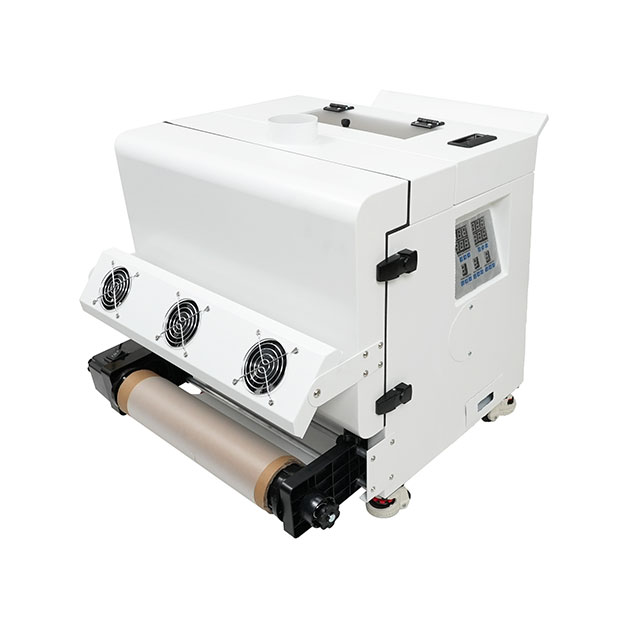
One of the messiest and most variable parts of DTF is the adhesive powder. It can get everywhere, and inconsistent application leads to poor adhesion.
As regulations around VOCs (Volatile Organic Compounds) tighten, the industry is moving toward more eco-friendly solutions. New water-based pigment ink systems, like those from Kodak’s KODACOLOR line, are designed to reduce the environmental footprint while maintaining the vibrant color required for retail success .
For e-commerce entrepreneurs, DTF printing is a logistics dream. It solves the two biggest problems in online retail: inventory risk and product variety .
With DTF, you don’t need to hold 100 shirts in every size and color. You hold blanks. When an order comes in, you grab the appropriate film transfer (which you can print in batches during downtime) and press it.
The unboxing experience matters. DTF prints, when cured correctly, offer excellent stretchability without cracking. This is vital for brands selling activewear or baby onesies where the fabric undergoes significant stress. By controlling the process in-house, you ensure that the “soft hand” and durability meet your brand standards, reducing the risk of negative reviews related to print failure after washing .
DTF printing has democratized the apparel decoration industry. It has lowered the barrier to entry for solo entrepreneurs while simultaneously providing established shops with a tool to increase efficiency and margin.
If your goal is to offer a wide range of products, minimize inventory risk, and capture the demand for high-detail, full-color designs on any fabric, then investing in DTF technology—or mastering the sourcing of high-quality DTF transfers—is not just an option; it is a strategic necessity for 2026 and beyond.
Ready to take the next step? Start by auditing your current production bottlenecks. Are you losing sales because you can’t print on polyester? Is your setup cost killing your profit on small orders? The solution lies in the versatility and efficiency of the DTF process.