
Amid the boom in personalized consumption, T-shirt printing has evolved from a mere decorative need to a key carrier for brand expression and self-presentation. Traditional printing processes are either limited by fabric materials or struggle to balance color reproduction and durability—issues that DTF T-shirt print has completely resolved. As the most competitive digital printing solution in 2025, DTF T-shirt print has become the top choice for independent designers, niche brands, corporate customizations, and individual users, thanks to its three core advantages: full fabric compatibility, high-definition color rendering, and flexible production models. This guide will comprehensively analyze the core value of DTF T-shirt print from four dimensions—process principles, core advantages, technical trends, and purchasing guidelines—helping you avoid industry pitfalls and find the most suitable printing solution.
I. DTF T-shirt Print Process Analysis: Redefining Digital Printing Logic
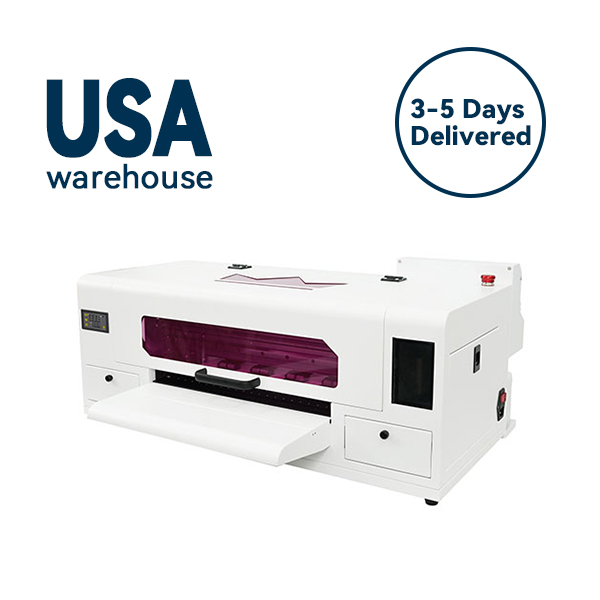
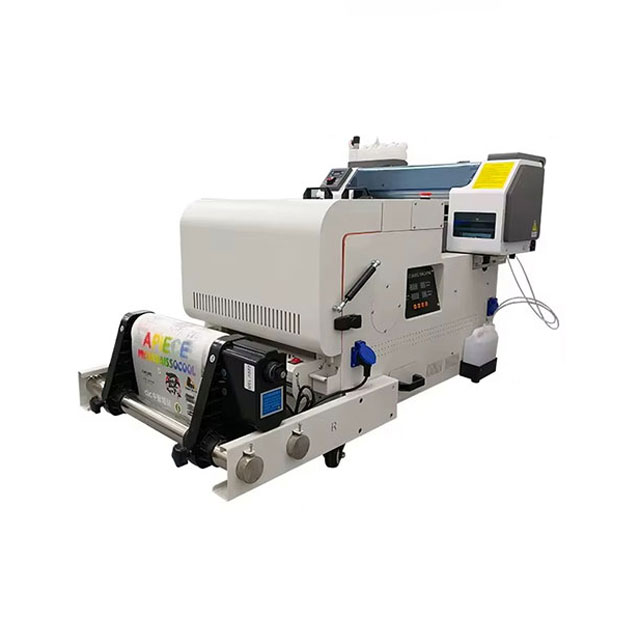
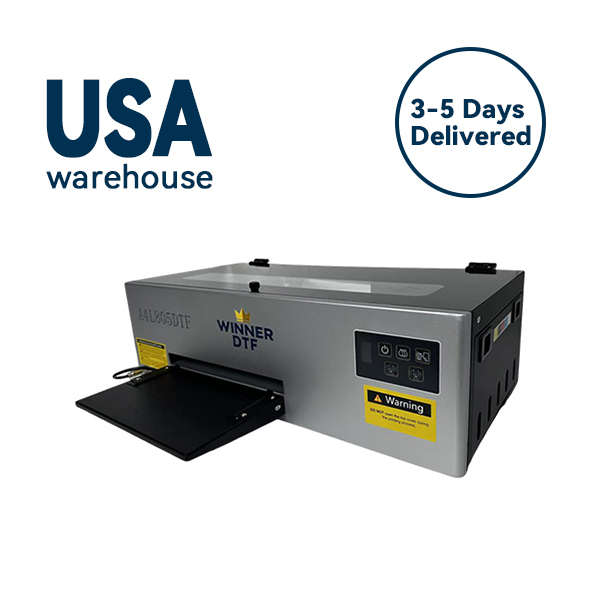
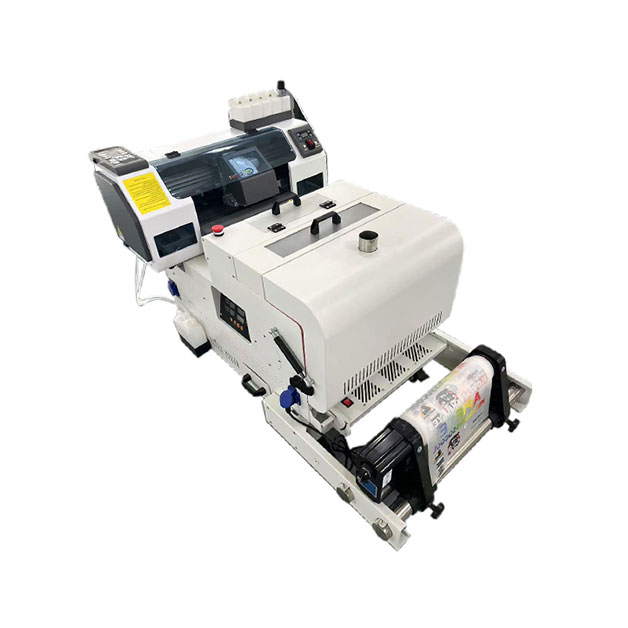
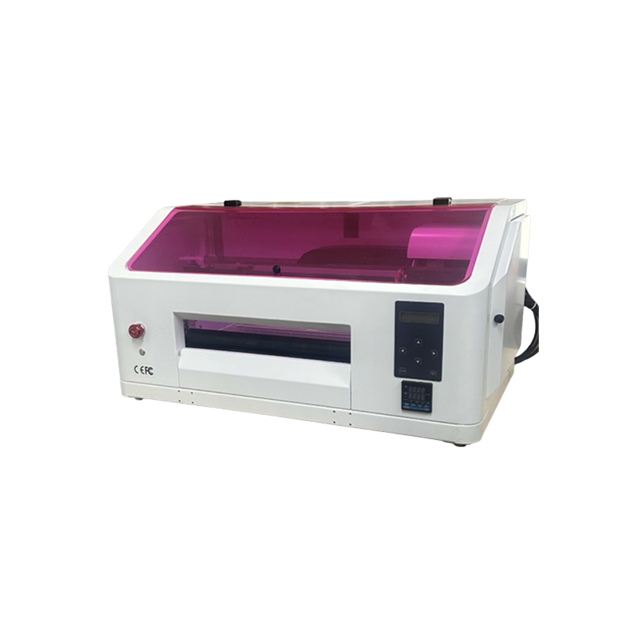
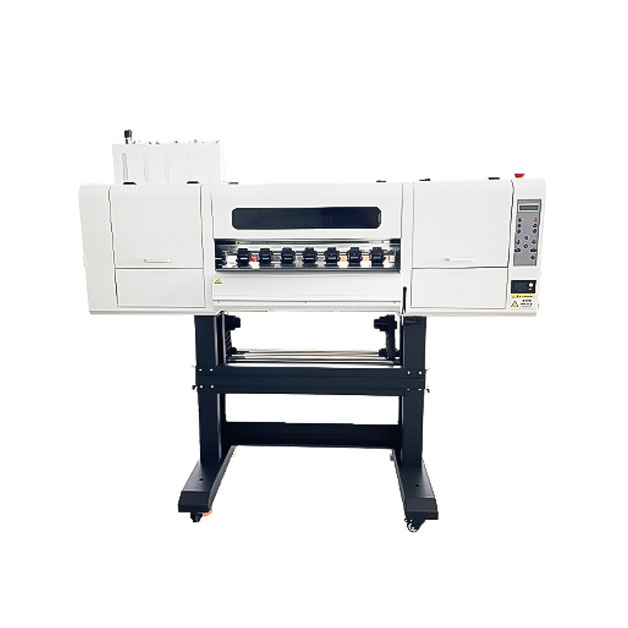
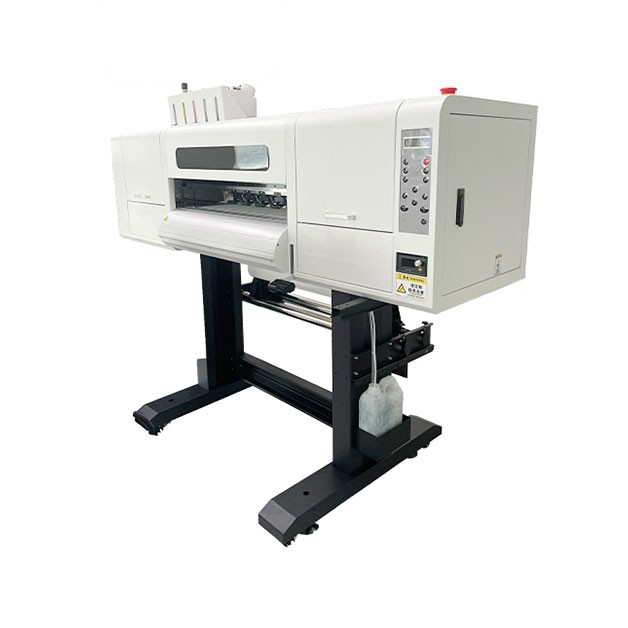
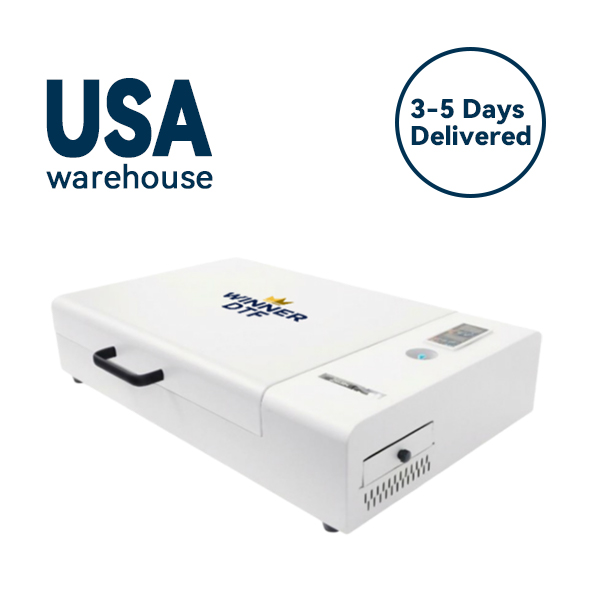
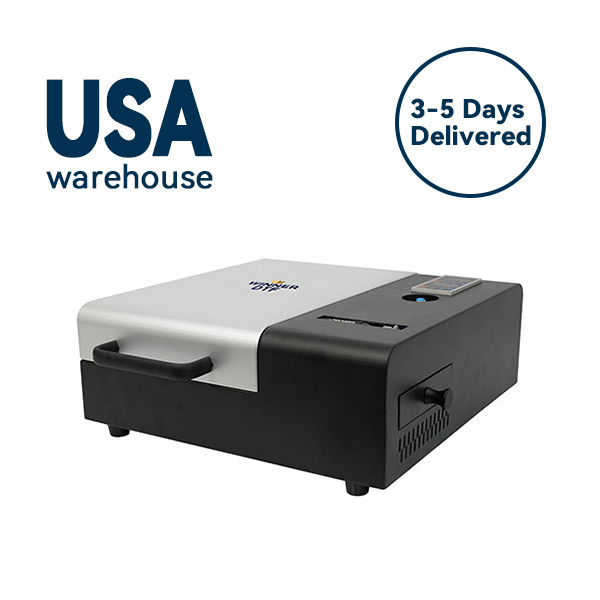
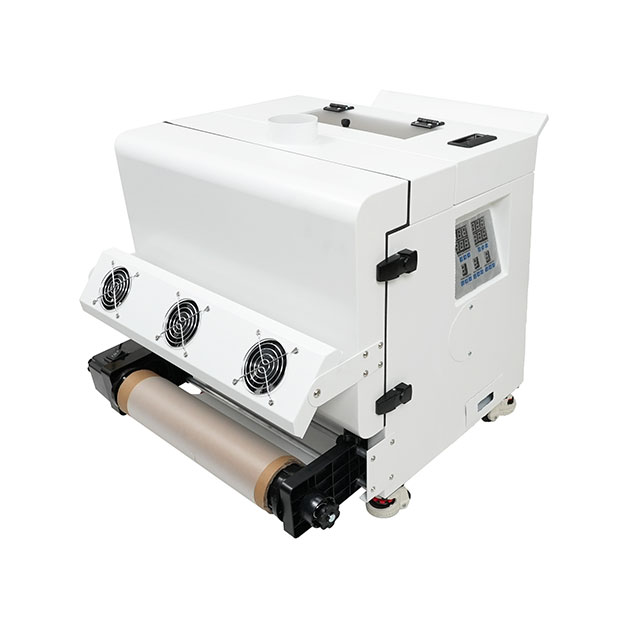
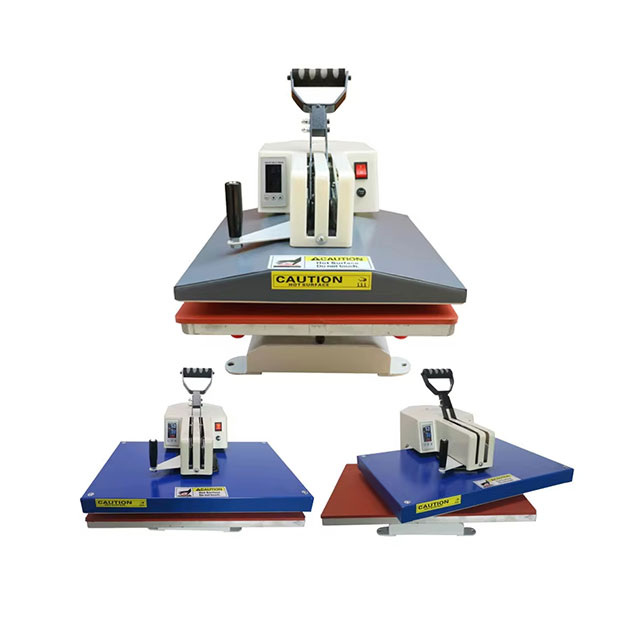
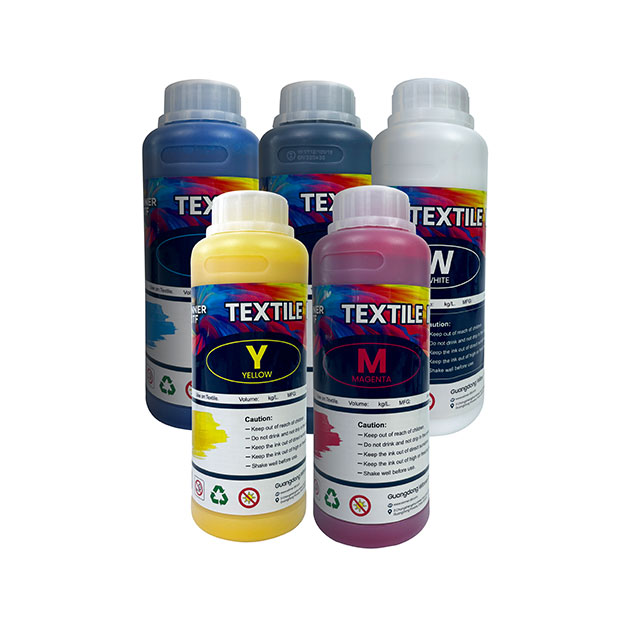
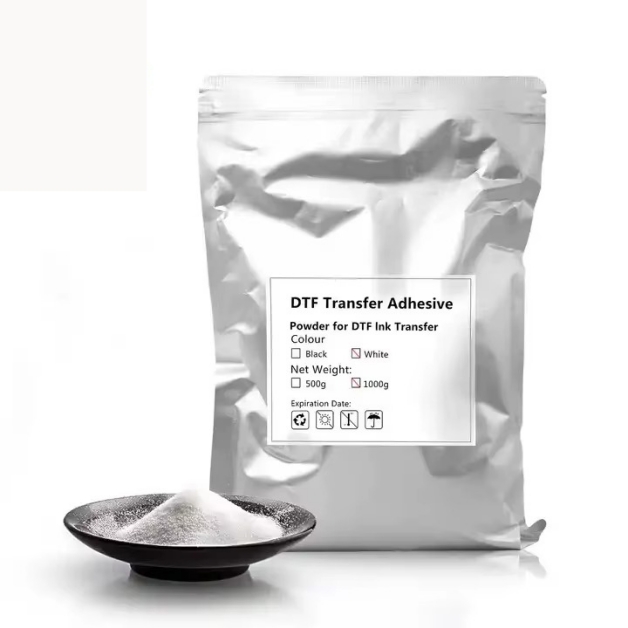
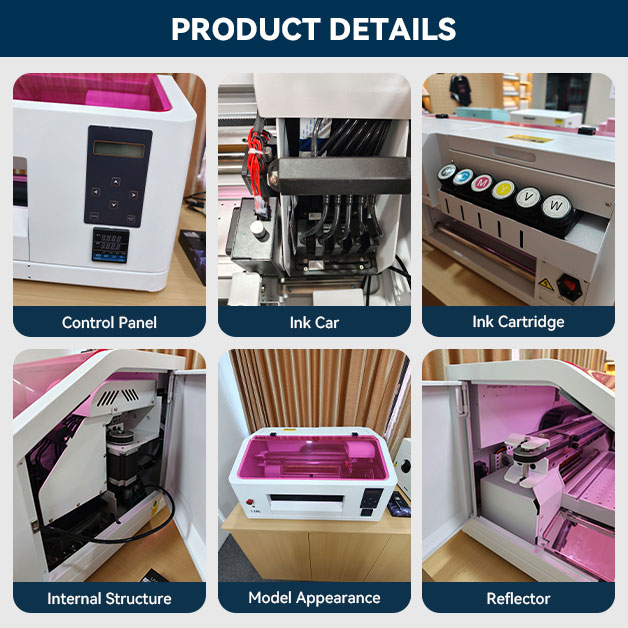
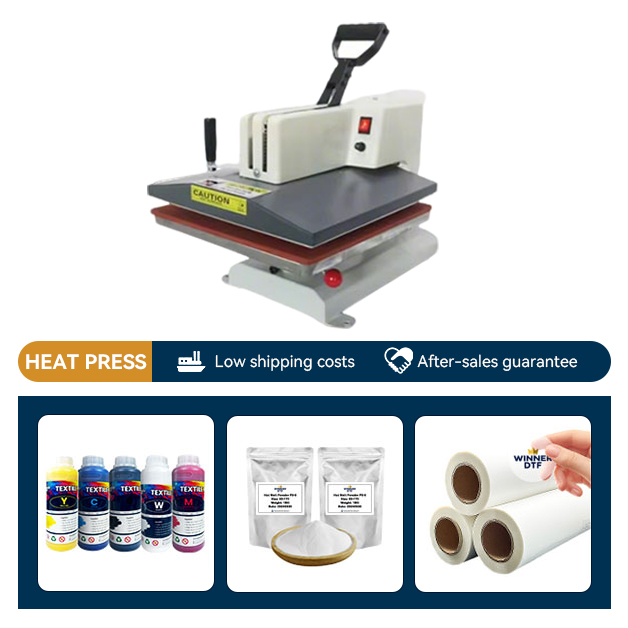
DTF (Direct to Film) refers to “direct-to-film transfer printing,” an innovative process integrating digital printing and heat transfer technology that powers DTF T-shirt print. Its core workflow consists of four steps: first, a professional DTF printer sprays the design onto a PET transfer film while spreading eco-friendly hot melt adhesive powder; second, the film undergoes low-temperature curing at 80-120℃ to form an integrated “design + adhesive layer” film; finally, the film is attached to the T-shirt fabric and heat-pressed at 150-180℃ for 10-15 seconds, allowing the adhesive layer to fully fuse with the fibers. The film is then peeled off to complete the printing.
Compared with traditional processes, the revolutionary breakthrough of DTF T-shirt print lies in its “white ink underbase technology”—a white ink layer that eliminates the industry pain point of dull or see-through prints on dark fabrics (such as black or dark gray T-shirts), enabling vivid reproduction of 16 million high-definition colors. Additionally, its ultra-thin adhesive layer (0.05-0.1mm) ensures a soft, skin-friendly touch, far superior to the thick adhesive feel of heat transfer and the ink buildup of screen printing.
II. Core Advantages of DTF T-shirt Print: Why It’s the 2025 Mainstream Choice?
1. Full Fabric Compatibility: No More “Material Restrictions”
DTF T-shirt print is a “fabric all-rounder,” perfectly adapting to natural fibers (cotton, linen, etc.), chemical fibers (polyester, nylon), leather, and even unconventional materials like plush and waterproof fabrics. This advantage allows it to cover diverse scenarios such as sports T-shirts, streetwear hoodies, and corporate workwear—especially ideal for brands requiring cross-material production.
2. Dual Benchmarks in Color and Durability
Using water-based eco-friendly inks, DTF T-shirt print achieves 98% color accuracy, with 1440dpi high-resolution output that clearly presents hairline details and gradient effects. Most importantly, it boasts industry-leading wash resistance: no fading or cracking after 50 machine washes, and an abrasion resistance grade of 4-5, fully meeting daily wear and high-frequency use needs (e.g., marathon event T-shirts, team activity apparel).
3. Optimal Balance of Cost and Efficiency
DTF T-shirt print requires no plate-making and supports “print-on-demand” (minimum order quantity: 1 piece), with minimal cost difference between single-piece and 100-piece orders—greatly lowering the threshold for small-batch customizations. Powered by AI intelligent layout technology, production efficiency is 3x higher than traditional processes, with 24-hour delivery available, perfectly suited for fast fashion and emergency customizations. Equipment and consumable costs are 30% lower than DTG direct printing, enabling small and medium-sized businesses to easily enter the personalized printing market.
III. Comparison of Mainstream Printing Processes: Core Competitiveness of DTF T-shirt Print
| Comparison Dimension | DTF T-shirt Print | Heat Transfer | Screen Printing | DTG Direct Printing |
| Fabric Compatibility | All materials (cotton/linen/chemical fibers/leather) | Cotton/polyester only | Natural fibers mainly | Fabrics with ≥60% cotton content |
| Color Performance | 16 million colors, no see-through with white ink underbase | CMYK prone to color deviation | Excellent spot colors, poor gradients | Vibrant colors, good breathability |
| Print Resolution | 1440dpi | 1200dpi | 300dpi | 1200dpi+ |
| Wash Resistance (Times) | ≥50 | ≤30 (edge cracking prone) | ≥50 (strong 3D effect) | ≥40 |
| Minimum Order Quantity | 1 piece | 50 pieces | 100 pieces | 1 piece |
| Environmental Friendliness | Water-based inks, zero pollution | Solvent-containing, requires waste discharge | Heavy metal inks | Bio-based inks optional |
| Unit Cost (10 pieces) | Low (≈30% cost savings) | Medium | High (plate-making cost sharing) | High (expensive inks) |
Data Sources: Baosiwei Industrial Printing Technology Report (2025), Textek Global Digital Printing Trends White Paper
IV. 2025 DTF T-shirt Print Technical Trends: Innovations to Watch
1. Rise of Powder-Free DTF T-shirt Print Technology
Launched in September 2025, powder-free DTF T-shirt print technology completely solves the environmental and tactile issues of traditional powder adhesives. Replacing powder with liquid binders reduces VOCs emissions by 16%, eliminates graininess in large-area prints, and makes DTF T-shirt print feel closer to the fabric itself. It also simplifies the production process and reduces operational errors.
2. Environmental Upgrade Becomes a Must
With the strict implementation of EU REACH regulations and US CPSC standards, eco-friendly inks for DTF T-shirt print have become mainstream. The 2025 new water-based white ink uses a biodegradable formula, free of formaldehyde and heavy metals, making printed T-shirts compliant with infant clothing safety standards—becoming a core competitiveness for brands entering mainstream supply chains.
3. AI + Automation Boosts Production Capacity
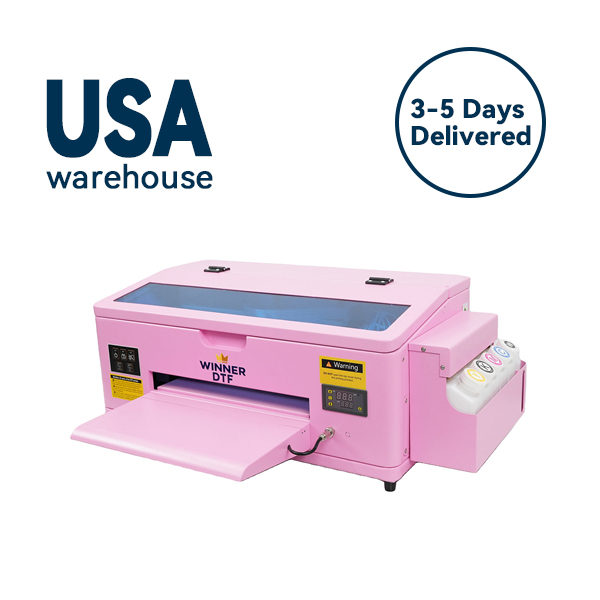
Industrial-grade printers for DTF T-shirt print now integrate AI intelligent layout, automatic powder shaking, and constant-temperature curing, with a single device’s daily capacity exceeding 500 pieces. Some manufacturers have launched “instant peel” transfer film technology, increasing peeling efficiency by 50% and significantly shortening the delivery cycle for small-batch orders.
V. DTF T-shirt Print Purchasing/Collaboration Guide: Avoid Pitfalls
1. 5 Criteria for Choosing a Reliable DTF T-shirt Print Manufacturer
2. Key Process Parameters for DTF T-shirt Print to Avoid Mistakes
3. Quick Acceptance Standards for DTF T-shirt Print
VI. Frequently Asked Questions (FAQs) About DTF T-shirt Print
Q: Is DTF T-shirt print suitable for mass production?
A: Yes! While supporting 1-piece orders, the cost for 100+ pieces can be as low as $0.7 (≈¥5), with no plate-making fees—more cost-effective than screen printing.
Q: Will printed designs from DTF T-shirt print affect T-shirt breathability?
A: Small-area designs have almost no impact. For large-area prints, choose powder-free technology or breathable adhesive layers to ensure comfort.
Q: Can DTF T-shirt print achieve 3D effects?
A: Yes! The 2025 new 3D embossed DTF T-shirt print technology can create 3mm raised designs, ideal for streetwear brands and band merchandise.
Conclusion
With its core advantages of full fabric compatibility, high-definition durability, and flexible efficiency, DTF T-shirt print is reshaping the personalized printing market. Whether customizing a unique T-shirt for personal use, creating differentiated products for niche brands, or designing corporate team apparel, DTF T-shirt print technology offers the optimal solution. As innovations like powder-free processes, eco-friendly inks, and AI automation continue to advance, the application scenarios of DTF T-shirt print will expand further. Choosing a reliable manufacturer and mastering key pitfall-avoidance skills will help you fully leverage this technology to create value.