Printable DTF: The Digital Heat Transfer Revolution Transforming the Textile Printing Industry
Table of Contents
Overview: The Epoch-Making Significance of DTF Printing Technology
In the rapidly evolving field of digital printing, Printable DTF (Direct-to-Film) technology is reshaping the personalized textile printing industry at an unprecedented pace. This innovative technology not only addresses the limitations of traditional printing methods but also provides unprecedented creative freedom and business opportunities for small and medium-sized enterprises and independent designers. This article will delve into the core principles, application advantages, market prospects, and practical guidelines of DTF technology, offering a comprehensive analysis of this digital printing revolution that is currently disrupting the industry.
What is DTF Printing Technology?
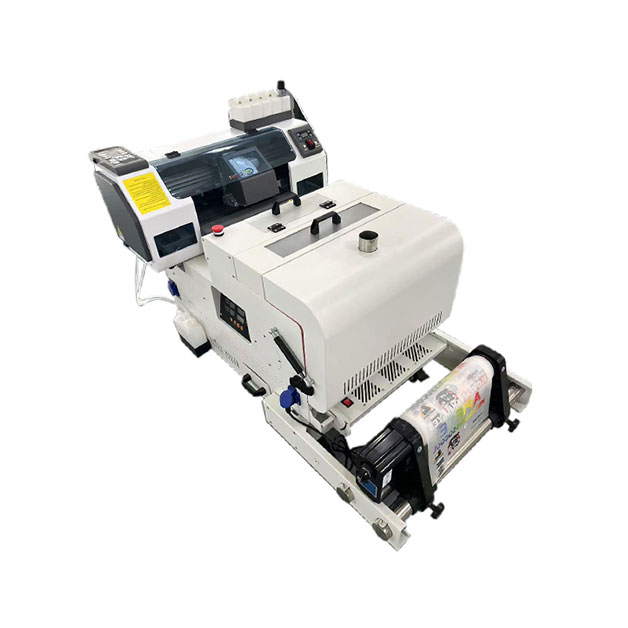
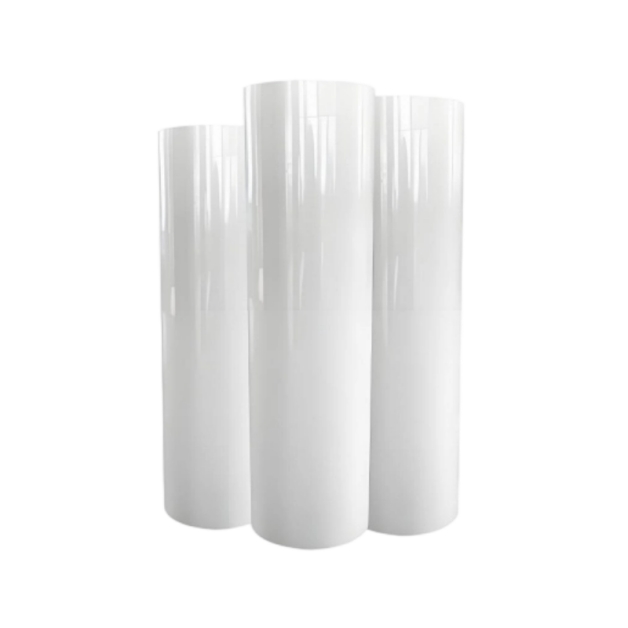
Printable DTF is a digital printing technology that involves first printing a pattern onto a special PET film, then transferring the pattern onto the surface of various fabrics through a process using hot-melt adhesive powder and heat pressing. Compared to traditional DTG (Direct-to-Garment) and screen printing, DTF technology breaks through material limitations, enabling high-quality printing on a variety of materials including cotton, polyester, blends, and even nylon and silk, while maintaining the vibrancy, softness, and durability of the patterns.
Five Core Advantages of DTF Technology
The reason DTF technology has gained widespread market recognition in a short period is mainly due to its multiple technical advantages:
Extremely Wide Material Compatibility: Can print on almost anything, from 100% cotton to 100% polyester, from canvas to silk.
Exceptional Print Quality: Image resolution up to 1440 dpi, with vibrant, long-lasting colors and precise detail reproduction.
Soft, Natural Hand Feel: The transfer layer is thin, flexible, and barely affects the original fabric hand feel.
Simplified Workflow: Eliminates the need for pre-treatment and post-printing curing, significantly shortening production cycles.
Significant Cost-Effectiveness: More economical for small-batch production, with a notably lower defect rate.
In-Depth Analysis of DTF Technology: Working Principles and Core Components
How DTF Printing Systems Work
The complete workflow of Printable DTF technology involves six key steps, each crucial to the final product quality:
Step 1: Pattern Design and Optimization When designing patterns with professional software (like Photoshop, Illustrator), considerations must include color separation, halftone dot control, and white baseplate generation. DTF printing requires printing a white base layer first as a foundation for colors, which is especially critical for printing on dark fabrics.
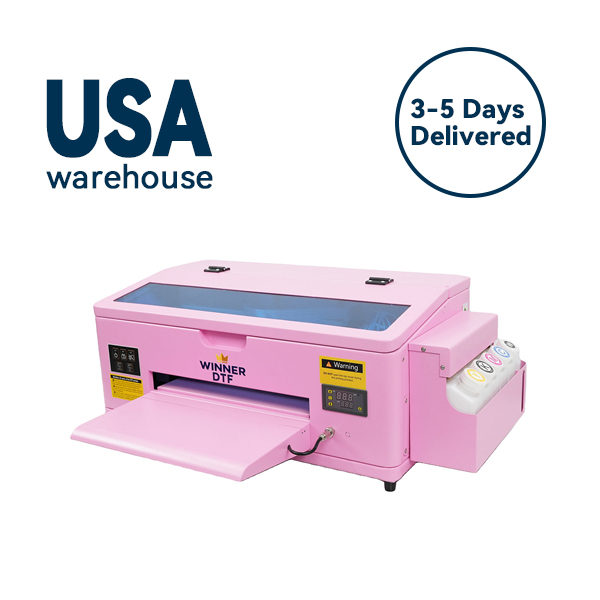
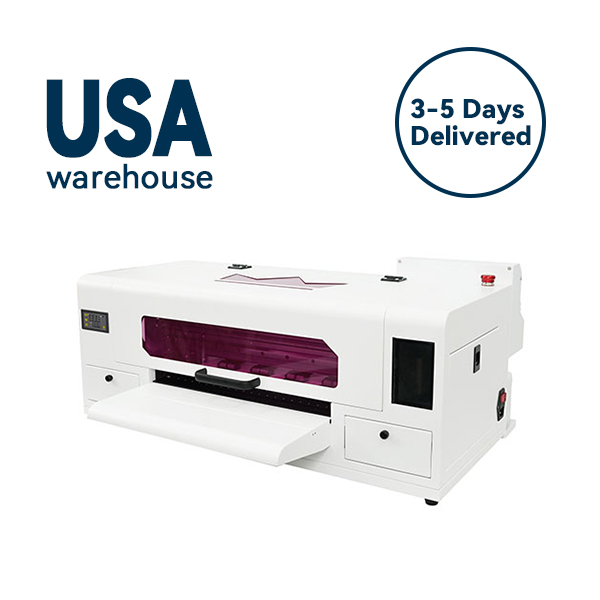
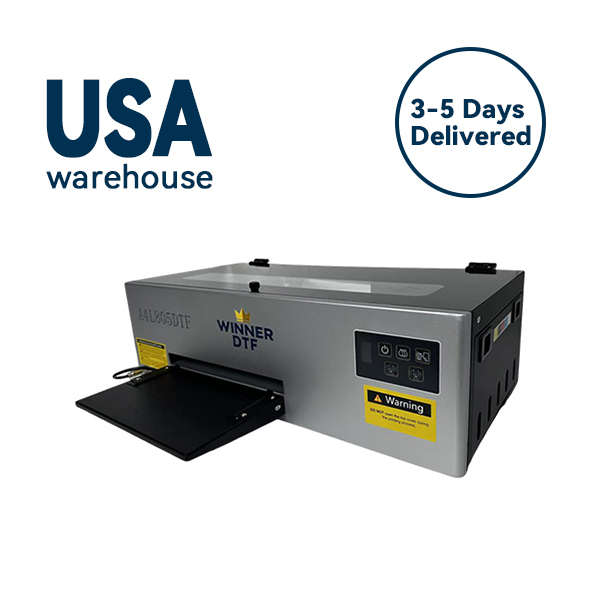
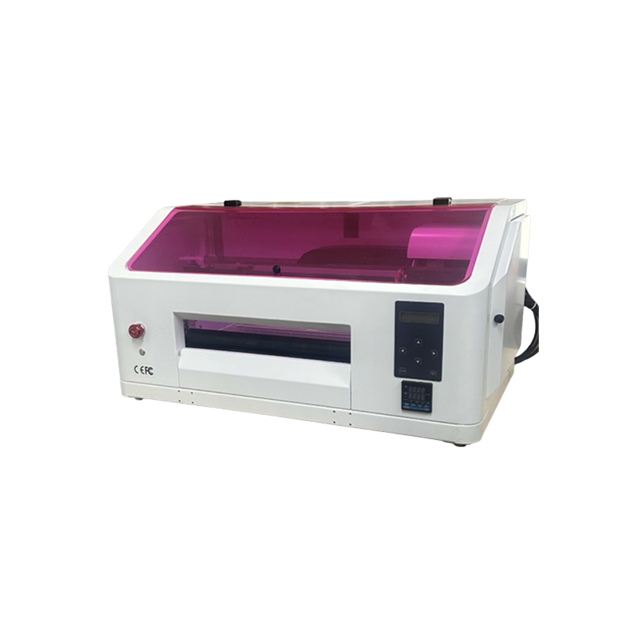
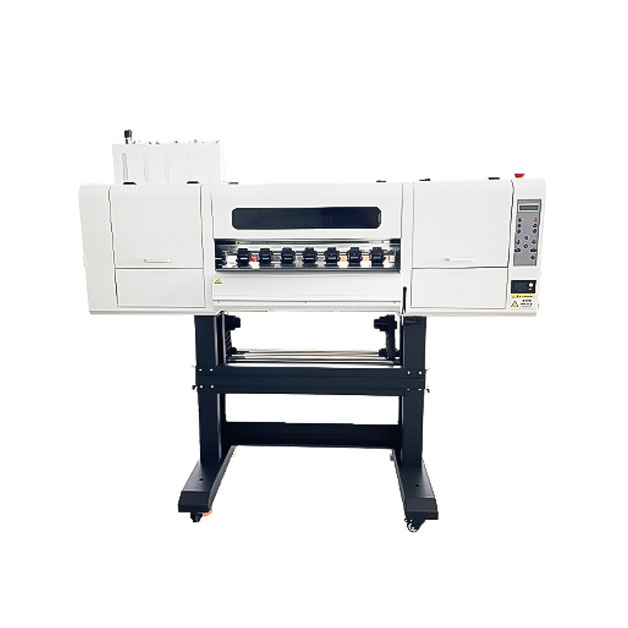
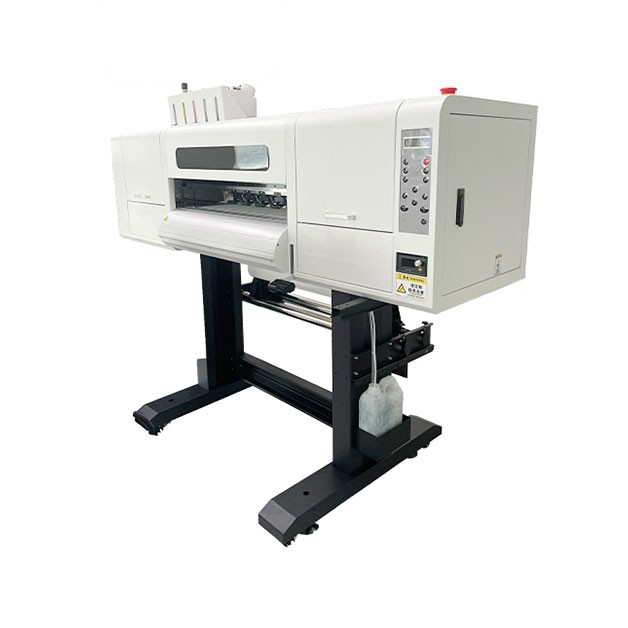
Step 2: Film Printing Process Uses a modified inkjet printer (typically Epson series) with specialized DTF inks to mirror-print the designed pattern onto the surface of a specially formulated PET film. This stage requires precise control of ink deposition and drying to prevent bleeding and smudging.
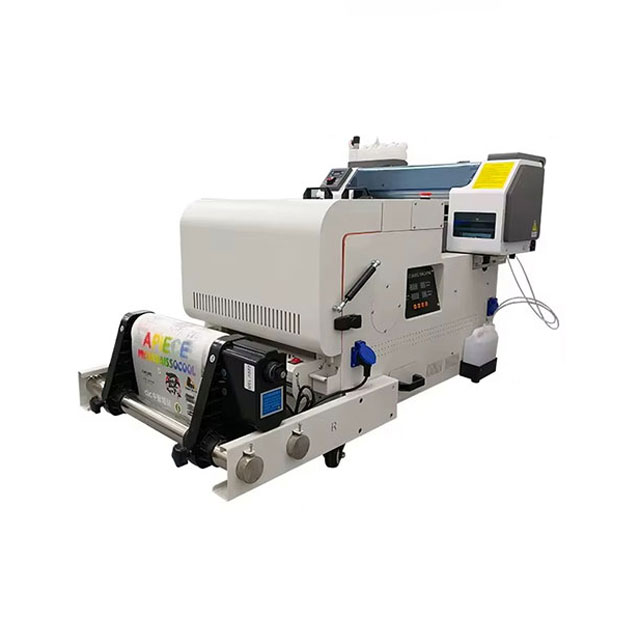
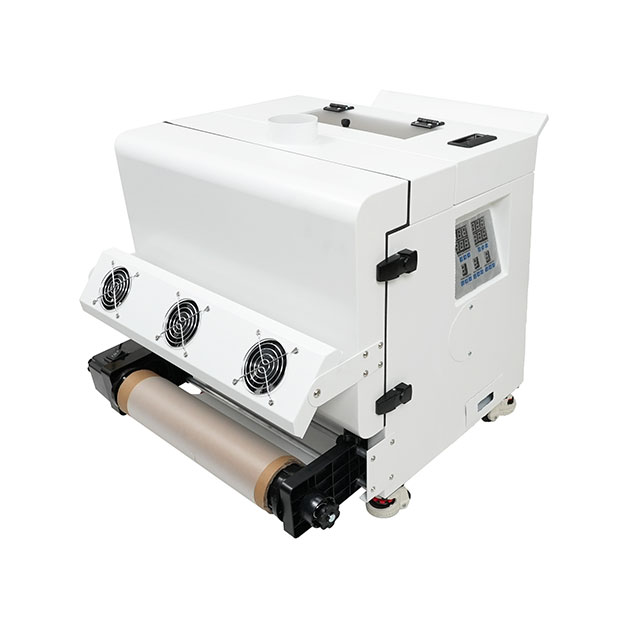
Step 3: Hot-Melt Adhesive Powder Coating Technology The printed film passes through a dedicated powder scattering device to evenly coat it with hot-melt adhesive powder. Excess powder is collected by a recovery system for reuse. Powder particle size, distribution uniformity, and melting temperature are key parameters affecting adhesion.
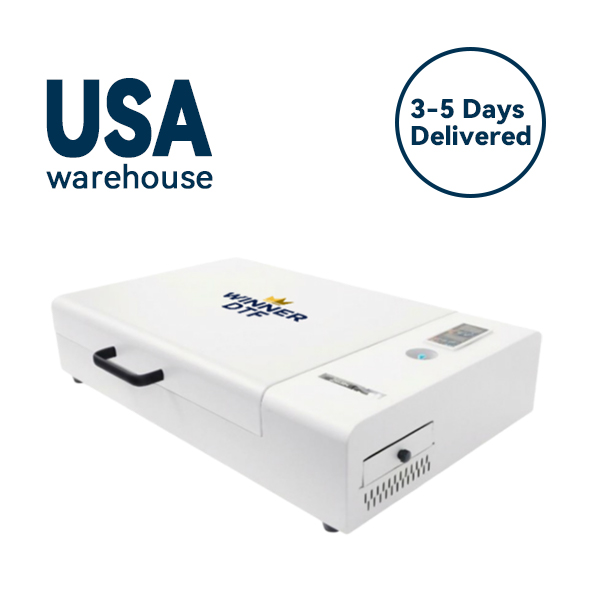
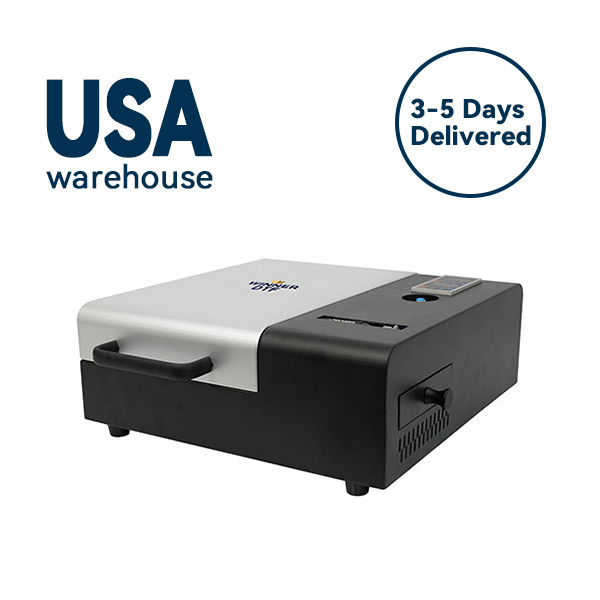
Step 4: Pre-heating and Curing The powdered film enters a pre-heating device (typically 60-80°C), allowing the powder to initially adhere to the ink surface, forming a stable intermediate layer structure.
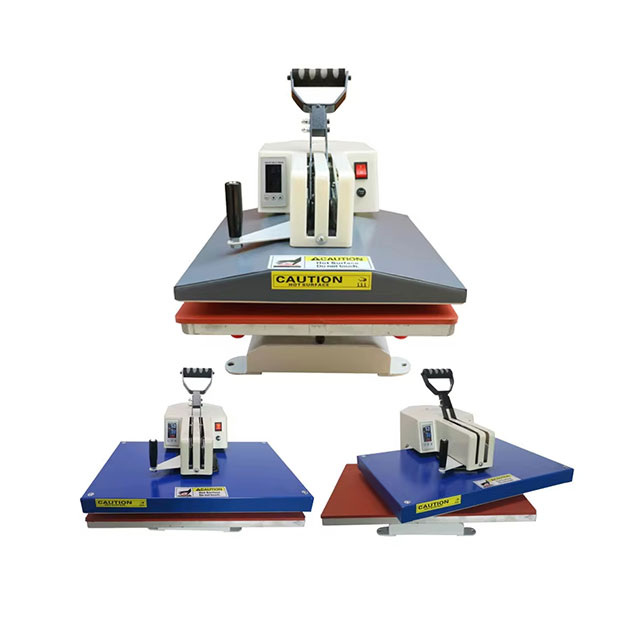
Step 5: Heat Press Transfer Process Uses a flatbed heat press (approx. 160-180°C, pressure 6-8 kg/cm², time 10-15 seconds) to completely transfer the film pattern onto the fabric surface. The three elements of temperature, pressure, and time must be precisely adjusted based on the fabric type.
Step 6: Film Peeling and Post-Processing After cooling to room temperature, the PET film is slowly peeled from the edge, leaving the pattern intact on the fabric. Some fabrics may require secondary curing to enhance durability.
Detailed Look at Core Components of DTF Systems
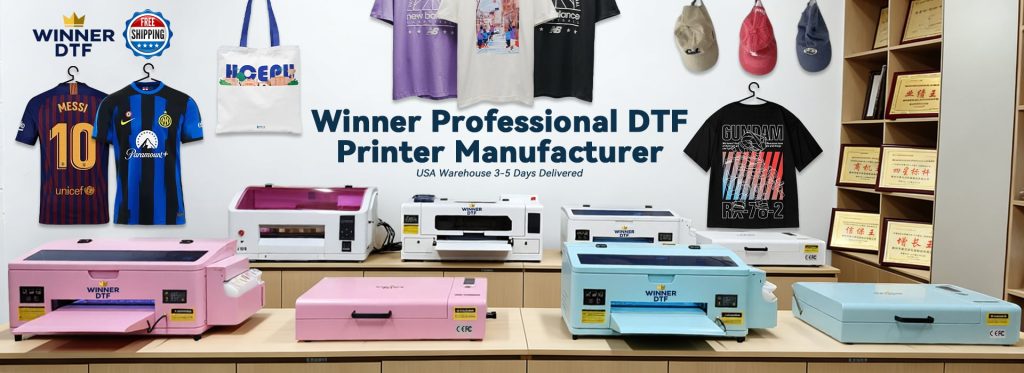
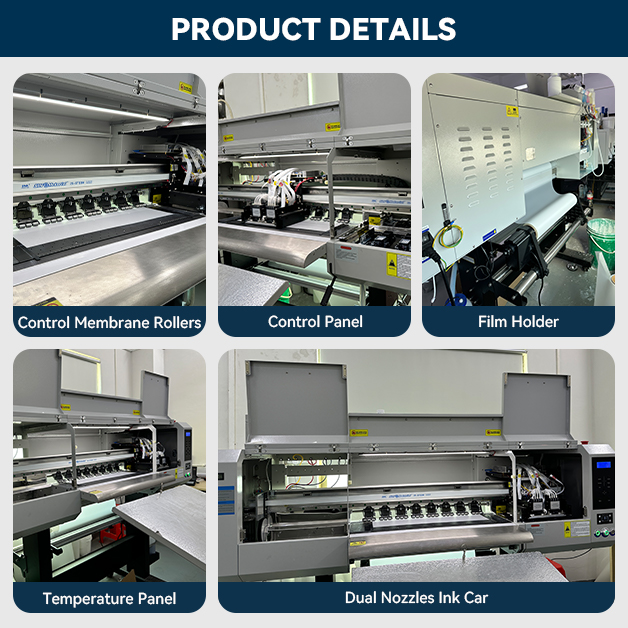
Modification of Specialized DTF Printers Most DTF printers on the market are modified from Epson WorkForce or SureColor series. Key modifications include:
White ink circulation system to prevent settling and clogging.
Heated printhead to maintain optimal ink viscosity.
Optimized film feeding system for precise alignment.
Secondary ink bag system to support long continuous printing sessions.
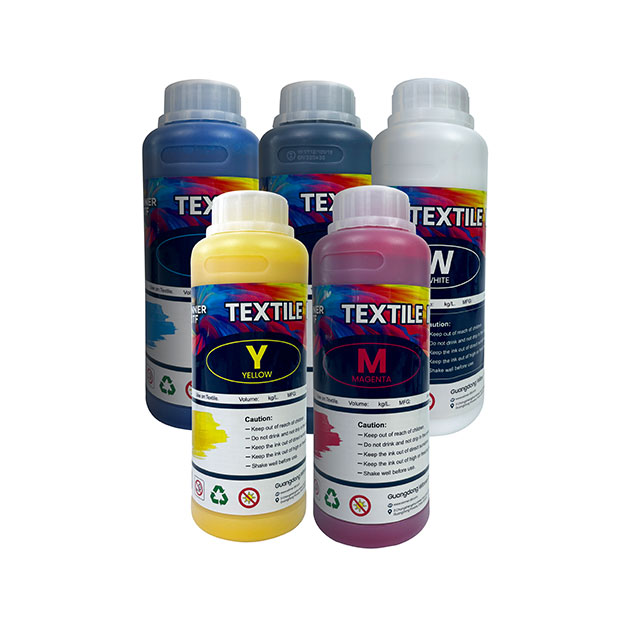
Chemical Properties of DTF Inks DTF-specific inks are the core of the technology, containing:
Pigment Inks: Nano-sized pigment particles resistant to light and washing.
White Ink: Titanium dioxide-based white pigment with high opacity.
Binding Agents: Special resins that help bond pigments to adhesive powder.
Additive System: Surfactants, defoamers, humectants, etc.
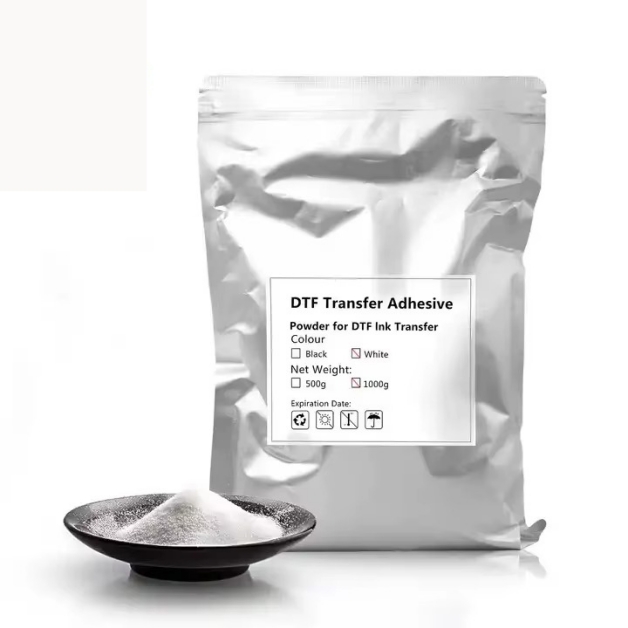
Scientific Formulation of Hot-Melt Adhesive Powder DTF powder is typically a precise blend of three polymers:
Primary Adhesive Resin (60-70%): Provides main bonding strength.
Flexibility Modifier (20-30%): Increases transfer layer elasticity.
Flow Control Agent (5-10%): Optimizes melting and flow characteristics.
Powder particle size is usually controlled between 80-120 mesh. Melting points are categorized into three types based on application needs: low-temperature (130-140°C), medium-temperature (150-160°C), and high-temperature (170-180°C).
Comprehensive Comparison: DTF vs. Traditional Printing Technologies
DTF vs. DTG: The Digital Printing Showdown
DTG (Direct-to-Garment) printing has long been a mainstream choice in digital textile printing but has clear limitations:
Comparison Dimension
DTF Printing
DTG Printing
Fabric Compatibility
Almost all fabrics
Primarily limited to cotton or cotton blends
White Printing Capability
Fully automatic white base layer
Requires dedicated white channel, prone to clogging
Pre-treatment Requirement
Completely unnecessary
Must be treated with pretreatment liquid
Small Batch Cost
Economical and efficient
Higher per-unit cost
Operation Complexity
Moderate, gentle learning curve
High, requires fine-tuning
Maintenance Needs
Relatively low
Frequent printhead maintenance
The core advantages of DTF technology lie in its white ink stability and no fabric pre-treatment requirement. DTG printers’ white ink often requires frequent circulation and cleaning due to pigment settling issues, while DTF systems have completely solved this with an independent white ink circulation mechanism.
DTF vs. Screen Printing: A Dialogue Between Tradition and Modernity
Screen printing, as a century-old traditional process, still holds cost advantages in large-volume production but faces severe challenges in the modern market environment:
Comparison of Production Flexibility
DTF: No screens needed, designs can be modified anytime, minimum order quantity is 1 piece.
Screen Printing: Requires a separate screen for each color, minimum order typically 50-100 pieces.
Thermochromic Inks: Change color with temperature, applied in child safety products.
Conductive Inks: Printing flexible circuits for smart clothing.
Scented Microcapsules: Slow-release fragrances to enhance product experience.
Global DTF Market Forecast and Development Opportunities
According to the latest report from Global Market Insights, the global DTF printing market is expected to expand at a Compound Annual Growth Rate (CAGR) of 18.2%, reaching a market size exceeding $3.7 billion USD by 2028. This growth is primarily driven by:
Regional Market Hotspots
Asia-Pacific Region: Holds over 45% of the global market share, with China as the primary producer and user.
North American Market: Strong demand for personalization, with annual growth exceeding 22%.
Europe: Sustainability policies are driving the adoption of eco-friendly DTF technologies.
Expansion into Industry Applications
Automotive Interiors: Customized car seat covers and interior trim.
Outdoor Equipment: Personalization for tents, backpacks, and other outdoor gear.
Medical Textiles: Washable identification and decorative printing.
Key Practical Recommendations for Successful DTF Printing Implementation
Seven Steps to Establish an Efficient DTF Workflow
Needs Analysis and Equipment Matching Assess expected business types: entry-level systems for small batches/variety, industrial configurations for large-scale specialization.
Scientific Workshop Planning
Temperature and Humidity Control: Optimal at 25±3°C, 50±10% RH.
Dust Management: Dedicated powder application area to prevent cross-contamination.
Ventilation System: Effectively removes微量 volatiles generated during heat pressing.
Establishing Standardized Process Parameters Create a “process card” for each common fabric type, recording the optimal temperature, pressure, and time combination.
Building a Color Management System Use standard color charts to create ICC profiles and perform regular calibration to maintain color consistency.
Implementing Quality Control Procedures Establish full-process inspection standards from material receipt to finished product shipment.
Systematic Employee Skill Training Covers equipment operation, basic maintenance, troubleshooting, and color theory.
Establishing a Continuous Optimization Mechanism Regularly evaluate production efficiency, consumable costs, and finished product quality for iterative improvement.
Common Problem Diagnosis and Solutions
Impure White or Colored Tints in White
Cause: White ink settling or contamination.
Solution: Increase circulation frequency, thoroughly clean the white ink system, use a 1-micron filter.
Pattern Peeling After Transfer
Cause: Insufficient temperature or uneven pressure.
Solution: Use more dimensionally stable film, adjust print-to-transfer alignment compensation.
Conclusion: The New Era of Textile Printing Led by DTF Technology
Printable DTF technology is not just an innovation in printing processes; it is a core driver of the digital transformation for the entire textile customization industry. It breaks the material constraints, minimum order requirements, and design limitations of traditional printing technologies, granting creators unprecedented freedom and commercial flexibility.
With advancements in materials science and increased integration of, DTF technology will continue to evolve towards being more environmentally friendly, intelligent, and multi-functional. For printing companies, apparel brands, and independent designers, now is the optimal time to deeply understand and adopt this technology. Those who can first master the essence of DTF technology and creatively integrate it with their own businesses will undoubtedly occupy a favorable position in the coming new era of textile printing.
Whether as a flexible solution to complement traditional printing or as the technological foundation for entirely new business models, DTF technology demonstrates strong vitality and broad application prospects. In this era of growing demand for personalization, Printable DTF is becoming a vital bridge connecting creativity with the market, and individuality with scalability, continuously propelling the entire industry towards greater efficiency, sustainability, and creativity.
Subscribe
To join our mailing list and never miss our updates !