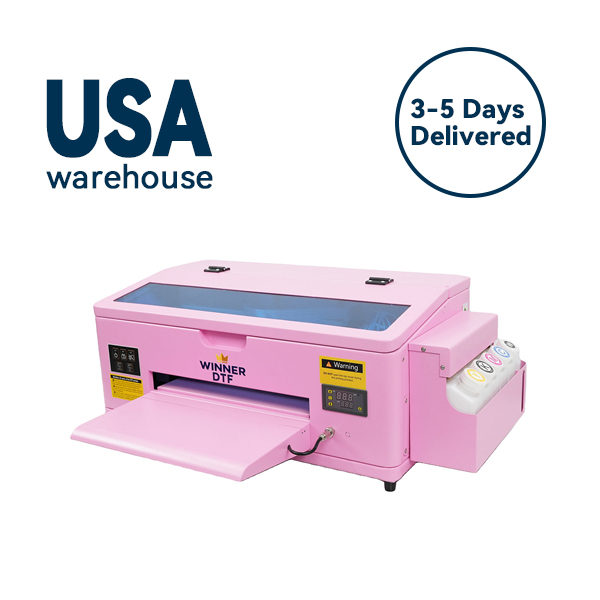
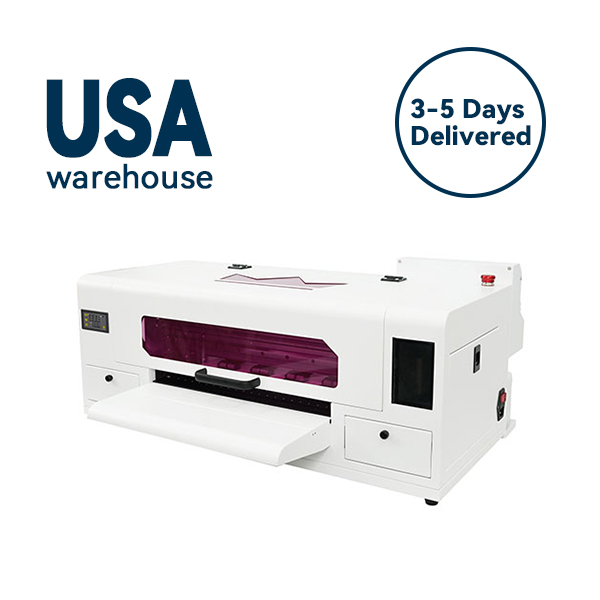
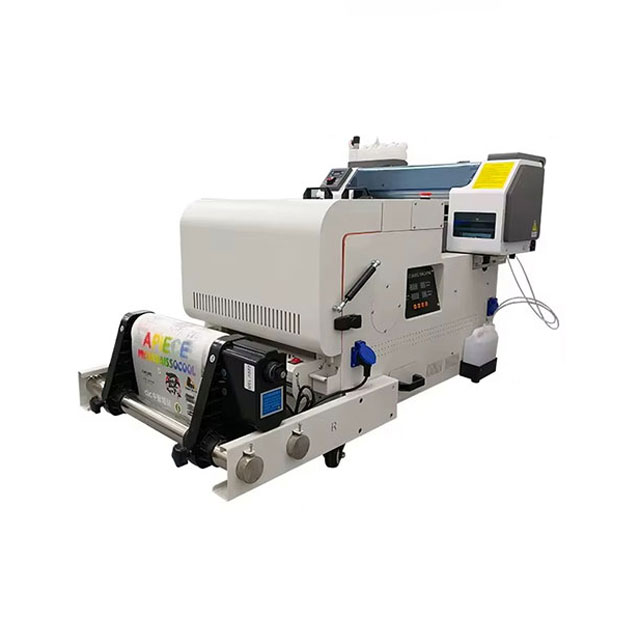
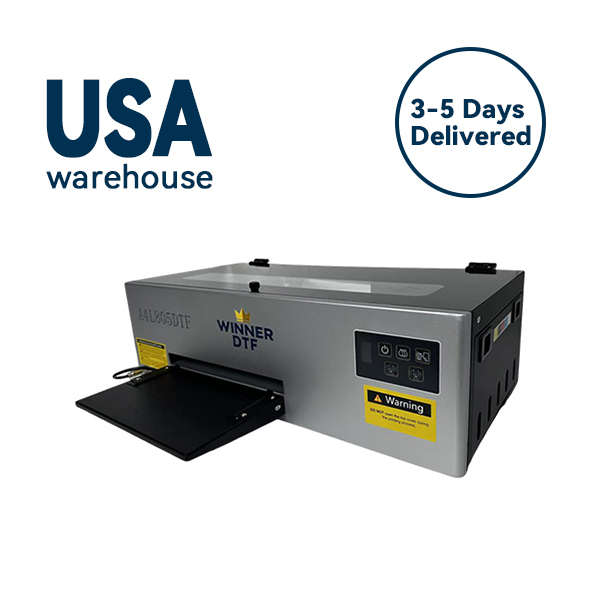
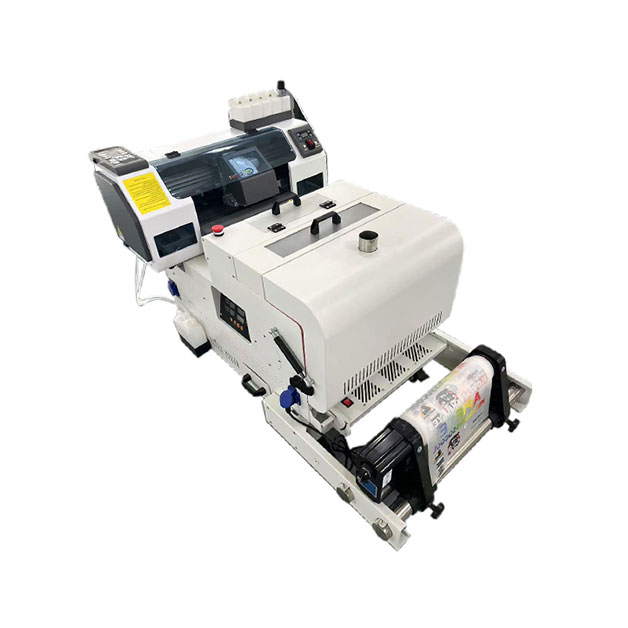
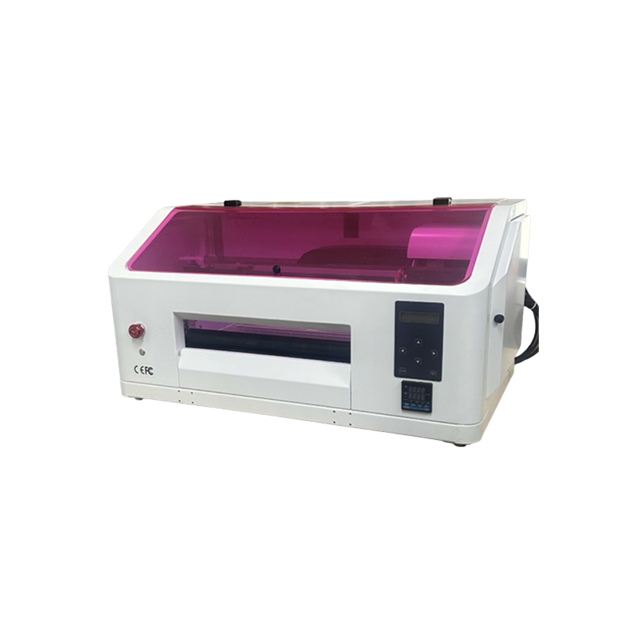
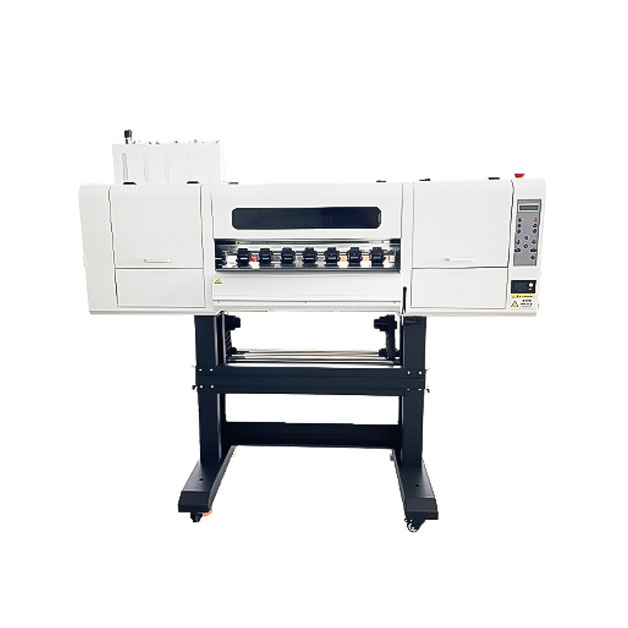
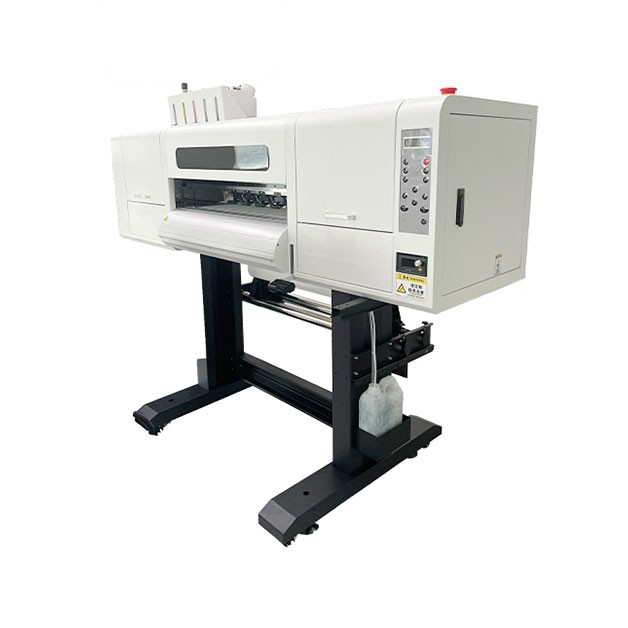
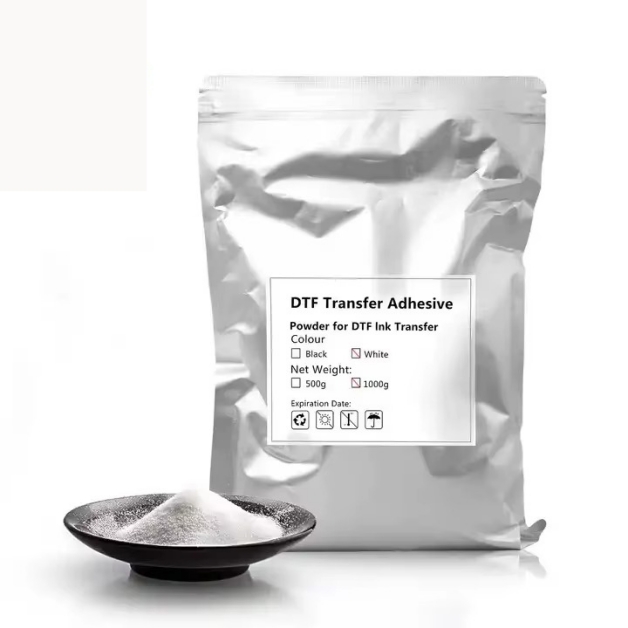

DTF (Direct to Film) printing is an innovative digital transfer printing method that combines the essence of inkjet printing technology and heat transfer processes. Unlike traditional printing methods, DTF requires no plate-making. It directly prints special ink onto dedicated PET film, then transfers the pattern onto various material surfaces through powder bonding and heat-pressing processes.
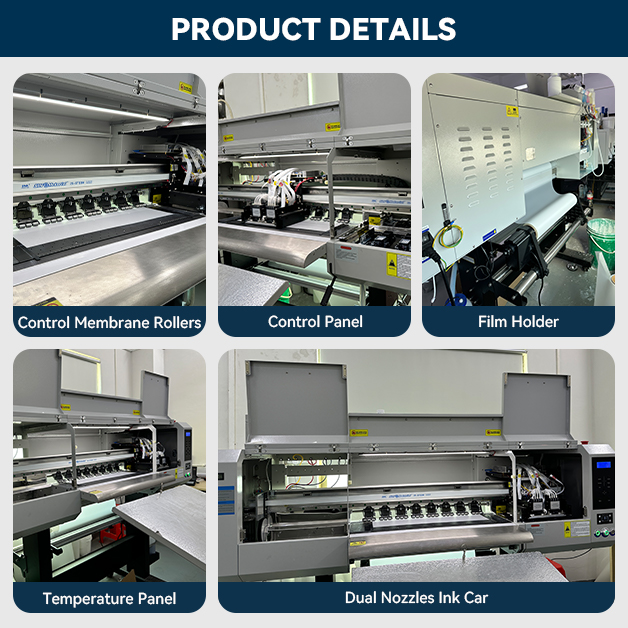
This technology’s workflow consists of four precise stages: First, an industrial-grade printer equipped with specialized print heads accurately jets CMYK+ white ink onto the film. Second, hot-melt adhesive powder is evenly distributed over the printed layer. Next, a precisely controlled heating device melts the powder, ensuring strong adhesion. Finally, the pattern is heat-pressed onto the target material under appropriate temperature and time parameters. The entire process is fully digitized, ensuring precision and consistency in the printed output.
The core value of a high-performance DTF printer lies in its precision component system. The print head system is the heart of the DTF device. Mainstream market devices typically use industrial-grade piezoelectric print heads from brands like Epson, Ricoh, or Kyocera. These heads can precisely control ink droplet size and placement, achieving resolutions up to 1200-2400 dpi, ensuring perfect reproduction of pattern details.
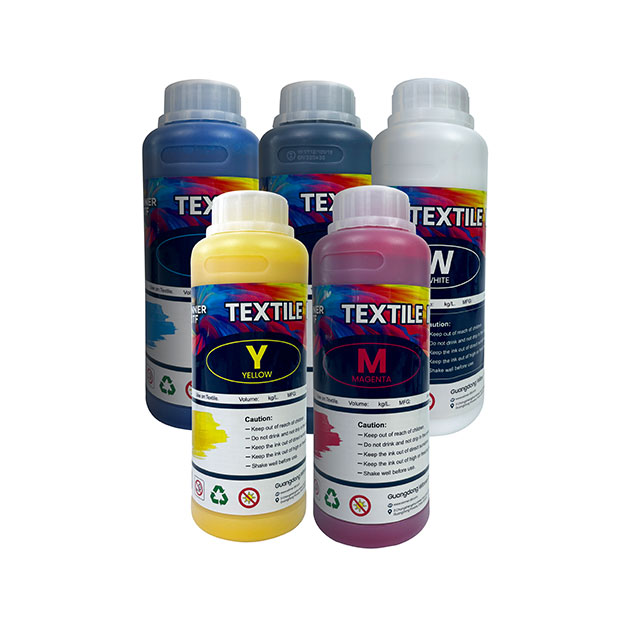
The ink system is another critical innovation in DTF technology. Unlike traditional printing inks, DTF-specific inks must possess unique chemical properties: they need strong adhesion to the film while completely releasing from it during heat transfer and firmly adhering to the target material. The technological breakthrough in white ink layers is particularly important, enabling DTF to achieve vibrant patterns on dark-colored materials.
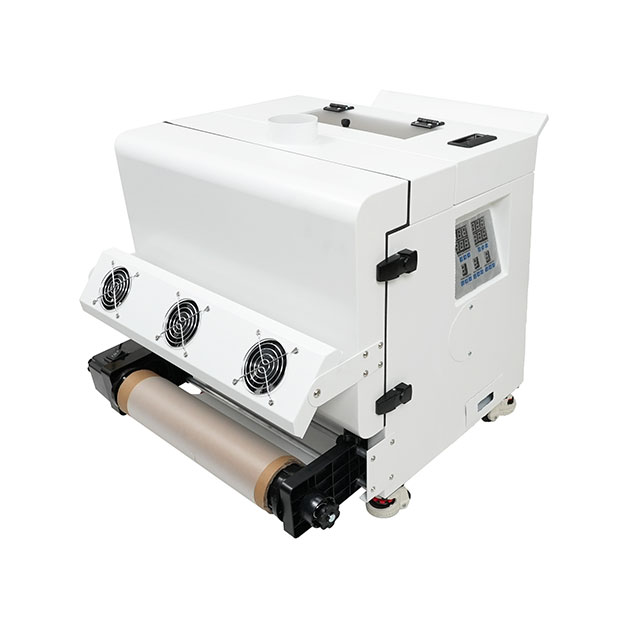
The powder dispensing system highlights the uniqueness of DTF technology. This system must precisely control the particle size, distribution uniformity, and quantity of the hot-melt adhesive powder. These parameters directly affect the final product’s durability and feel. Advanced DTF equipment is equipped with intelligent powder recovery systems to reduce waste and maintain a clean working environment.
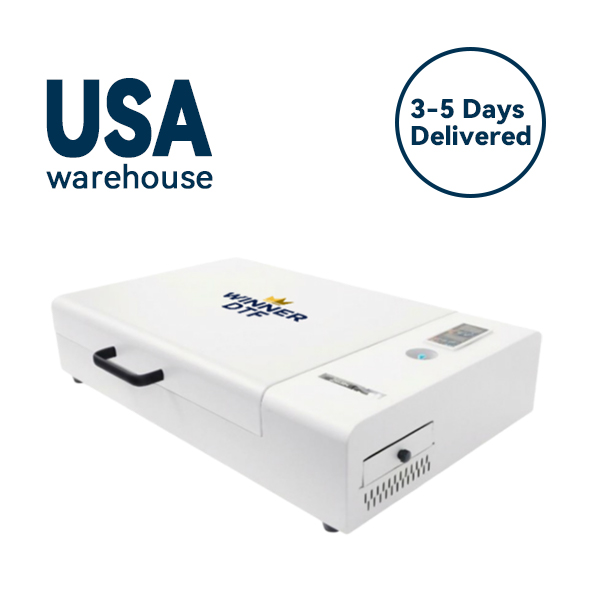
In the custom printing field, DTF technology is rapidly replacing traditional screen printing. The most significant advantage of DTF compared to screen printing is its no-plate requirement. Screen printing requires separate screens for each color, a process that is both time-consuming and costly, especially uneconomical for small-batch, multi-pattern production needs. DTF is fully digital, requiring no intermediate plate-making from design to final product, significantly shortening the production cycle.
In terms of printing results, DTF achieves finer gradients and richer color layers. Traditional screen printing is typically limited to 8-12 colors, whereas DTF can achieve full-color printing with millions of colors, making it especially suitable for complex patterns and photorealistic images. Additionally, DTF-printed patterns have sharper edges without the jaggedness common in screen printing, and the texture is softer, meeting modern consumers’ demands for comfortable wearing experiences.
Compared to dye sublimation printing, DTF‘s biggest advantage lies in material adaptability. Dye sublimation mainly applies to polyester materials, while DTF can achieve high-quality printing on almost any fabric, including materials traditionally difficult to print on, such as pure cotton, polyester-cotton blends, silk, and even denim. This wide material compatibility makes DTF a truly “versatile” printing technology.
Compared to Direct-to-Garment (DTG) printing, DTF has a clear advantage in printing on dark garments. DTG requires printing a white base layer on dark garments, a complex process with limited effectiveness. In contrast, DTF’s white ink layer technology enables vibrant, opaque patterns on dark materials. Simultaneously, DTF offers higher production efficiency, is not limited by garment shape, allows batch printing on film before transfer, greatly enhancing production flexibility.
When selecting a DTF printer, the primary considerations are business scale and application requirements. For startups or small-batch production, entry-level DTF devices (print width 60-90 cm) are ideal. This equipment has lower investment costs, a small footprint, and is suitable for personalized customization, sample production, and small-batch manufacturing. The key is to focus on equipment stability and ease of maintenance, rather than blindly pursuing high-end configurations.
Medium-scale production enterprises should consider mid-range DTF devices with print widths of 120-180 cm. These devices typically feature more precise print head systems and intelligent ink path control, enabling higher production speeds and more stable color output. It’s important to choose brands with good after-sales service and technical support to ensure long-term stable operation.
Large-scale production enterprises require industrial-grade DTF printing solutions. This equipment has print widths exceeding 200 cm and is equipped with multi-head systems and fully automatic powder dispensing devices. Beyond basic printing functions, consider the equipment’s level of intelligence, such as automatic calibration systems, remote monitoring capabilities, and production data management systems. These features are crucial for improving production efficiency and quality control.
When evaluating DTF printer performance, several key parameters need attention: Print resolution directly affects pattern fineness; commercial-grade equipment should achieve at least 1200 dpi. Print speed determines production efficiency but requires a balance between speed and quality. Print head lifespan and replacement costs are important considerations for long-term operation; high-quality equipment typically offers print head lifespans of tens of thousands of hours.
The performance of the ink system is equally important. High-quality DTF ink should have excellent color representation, fast curing properties, and superior wash fastness. Simultaneously, considering ink versatility is crucial—some branded equipment only works with original inks, increasing long-term operating costs, while open ink systems offer more choices and cost control.
Equipment stability and durability are often overlooked but are key factors affecting long-term return on investment. Examining the brands of core components (such as print heads, rails, motors, etc.), body structure materials, and manufacturing processes can help assess the overall quality of the equipment. Additionally, the precision of the temperature control system directly affects heat transfer results and consistency, making it an important indicator for evaluating DTF equipment performance.
The apparel industry is the earliest and most important application field for DTF technology. Compared to traditional printing technologies, DTF brings unprecedented flexibility to garment customization. Whether for single-item customization or small-batch production, DTF can achieve high-quality printing at reasonable costs. This characteristic aligns perfectly with the current apparel market’s trend towards personalization and fast fashion.
In the sportswear field, DTF technology demonstrates unique advantages. Sportswear often uses functional fabrics traditionally difficult to print on. DTF not only achieves durable printing on various functional fabrics but also ensures printed patterns have good stretchability and breathability, without affecting the functional properties of sportswear. This allows brands to achieve rich design expressions on professional sports equipment.
High-end fashion brands are also beginning to adopt DTF technology for innovative designs. DTF can achieve fine details and complex gradients difficult to attain with traditional embroidery or heat transfer vinyl, providing designers with greater creative freedom. Moreover, DTF-printed patterns have a soft hand feel, meeting high-end clothing’s comfort requirements, gradually changing luxury brand printing process standards.
Beyond the apparel industry, DTF technology is expanding its application boundaries into multiple fields. In the home textile field, DTF enables direct personalized printing on products like curtains, sofa covers, and bedding, offering new possibilities for home customization. Compared to traditional home textile printing, DTF is more environmentally friendly, requiring no washing or extensive chemical processing, aligning with modern home products’ green standards.
In the promotional gifts and advertising merchandise market, DTF technology also performs excellently. Hard materials like mugs, phone cases, and metal plates can achieve high-quality DTF printing after special pre-treatment. This cross-material printing capability makes DTF an ideal choice for one-stop custom solutions, helping businesses reduce equipment investment and operational complexity.
Recently, DTF technology has even found applications in industrial fields. For example, in automotive interior customization, safety sign production, and industrial part marking, DTF provides a flexible, durable marking solution. With advancements in material science and continuous improvement of DTF technology, its application fields will further expand.
Achieving optimal DTF printing results requires mastering a series of professional techniques. Pre-treatment is the first step in ensuring print quality, with different materials requiring different pre-treatment solutions. For cotton materials, applying specialized pre-treatment liquid is usually necessary to improve ink adhesion; for synthetic fibers, plasma treatment or special coatings might be needed to enhance printing results.
Color management is a key technical aspect of DTF printing. Establishing a standard color management system includes device calibration, color profile creation, and standardization of color workflows. Using professional color separation software and color management tools ensures color consistency from design to final product, especially crucial for commercial printing with strict brand color requirements.
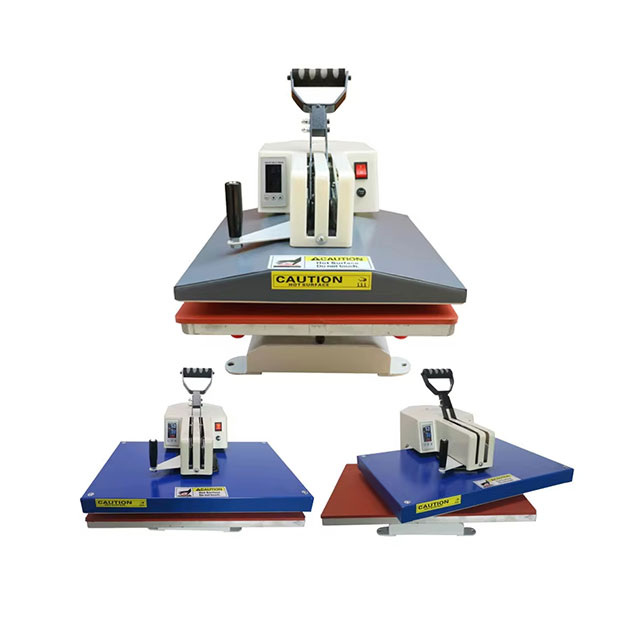
Precise control of temperature and time parameters is key to the DTF heat transfer process. Different types of materials and inks require different heat-pressing parameters: temperature is typically controlled between 150-180°C, time ranges from 8-15 seconds, and pressure needs adjustment based on material thickness and characteristics. Building a parameter database through systematic experiments can significantly improve production efficiency and product quality.
In actual production, various technical issues may arise with DTF printing. Pattern cracking is one of the most common problems, usually caused by excessive heat-pressing temperature or overly long duration. Solutions include lowering the temperature, shortening the heat-pressing time, or adjusting the powder amount. Conversely, if patterns peel off easily, it may require increasing temperature, extending time, or checking if pre-treatment was adequate.
White ink clogging print heads is a common challenge in DTF equipment maintenance. The pigment particles in white ink are larger, prone to depositing in print heads. Regular cleaning, using high-quality filtration systems, and selecting high-quality ink with uniform particles can effectively reduce this issue. Additionally, maintaining appropriate environmental humidity and temperature helps with stable ink jetting.
Color deviation problems can be caused by various factors: ink batch differences, film characteristic variations, environmental temperature and humidity fluctuations, etc. Establishing strict quality control processes, including regular device calibration, using standard test patterns, and establishing color reference standards, can minimize color deviation. For high-demand commercial orders, proofing confirmation before each production batch is recommended.
DTF printing technology is in a rapid development phase, with technological innovations in the coming years focusing on several key areas. Increasing print speed is the primary development direction. Through the combination of multi-head array technology and high-speed data processing systems, the print speed of next-generation DTF equipment is expected to increase by 2-3 times, further narrowing the production efficiency gap with traditional printing technologies.
Environmental sustainability is an important innovation direction for DTF technology. Developing water-based inks and biodegradable hot-melt adhesive powders are current focal points. These eco-friendly materials not only reduce environmental impact but also comply with increasingly strict global environmental regulations, creating conditions for DTF printed products to enter high-end and international markets.
Intelligence and automation represent another mainline for DTF equipment upgrades. Future DTF devices will integrate more intelligent functions: automatic color calibration systems, AI-based defect detection, IoT remote monitoring, and predictive maintenance. These intelligent features will lower technical requirements for operators, improve production stability and efficiency, and make DTF technology more widely accessible.
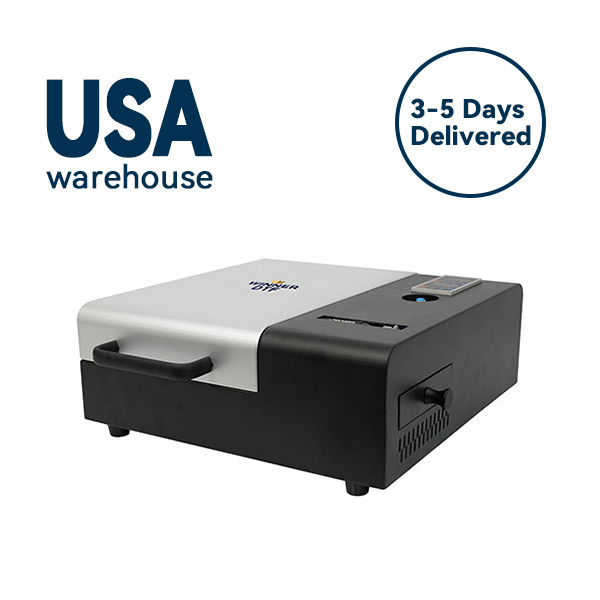
As DTF technology matures and costs decrease, its market applications will further expand. Driven by the trend towards personalized consumption, DTF will play a greater role in the retail sector. We may see more retail stores integrating DTF printing services, allowing consumers to design and customize products instantly in-store, achieving a true “what you see is what you get” experience.
The education and social innovation fields will also become important application scenarios for DTF technology. DTF equipment operation is relatively simple, suitable for design education, community workshops, and social enterprises. By lowering the technical barrier, DTF can help more creative talents realize design ideas, promoting the development of local specialty products and modern transformation of traditional cultural elements.
From an industry ecosystem perspective, the development of DTF technology will drive the improvement of related industry chains. From specialized ink R&D and film production to post-processing equipment manufacturing, a complete DTF industry chain is forming. As economies of scale emerge and technical standards unify, the overall cost of DTF printing will further decrease, allowing it to replace traditional printing technologies in more fields.
DTF printing technology, as a significant innovation in the digital printing field, is redefining the possibilities of custom printing. From technical principles to practical applications, from equipment selection to operational techniques, this comprehensive guide provides all the information needed for a deep understanding of DTF printers. With continuous technological advancement and ongoing market expansion, DTF will undoubtedly become one of the mainstream choices in the printing industry in the coming years, bringing unprecedented opportunities for entrepreneurs, designers, and manufacturing enterprises.