
1. Why Has DTF Transfer Printer for Small Business Become a 2025 Entrepreneurship Favorite?
“Got stuck right at the start!” Lisa, an owner of a custom apparel shop, shares a typical struggle: she spent $17,000 (equivalent to 120,000 RMB) on a DTG direct-to-garment printer earlier this year, only to face troubles due to high costs for small-batch orders. This is exactly why DTF transfer printers are on the rise—according to 2025 data from ShelfTrend, their per-unit cost is 15%-30% lower than DTG printers, and their efficiency for medium-batch orders is even 3 to 5 times higher.
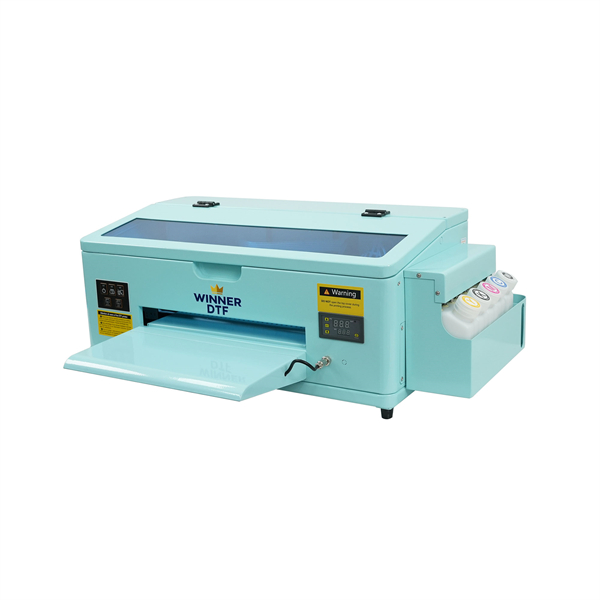
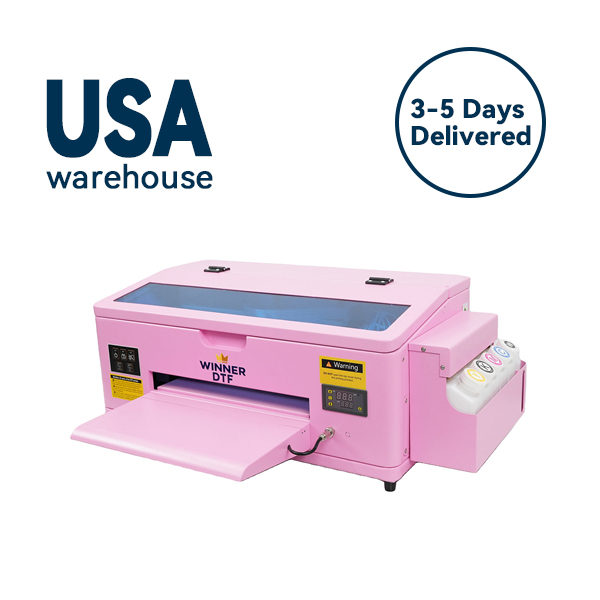
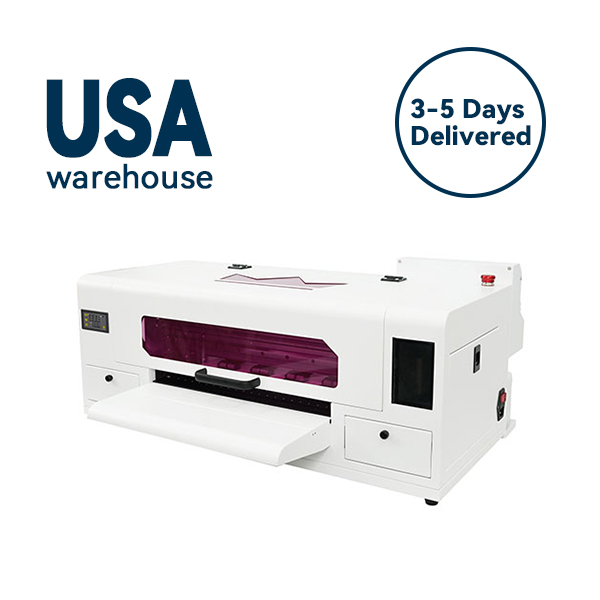
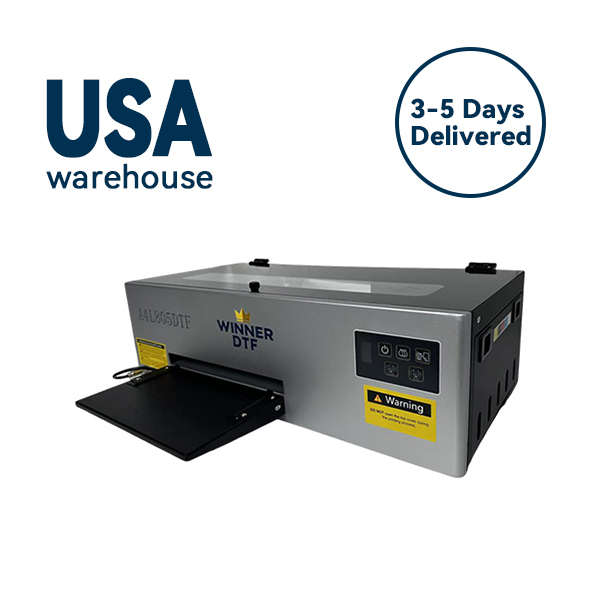
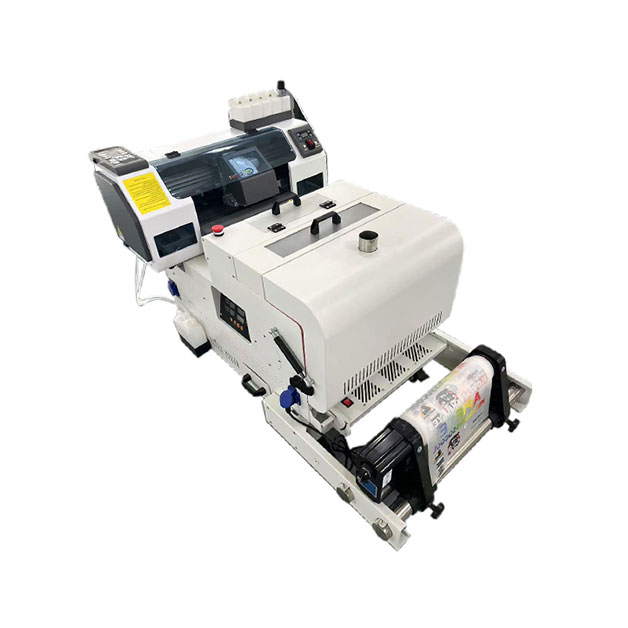
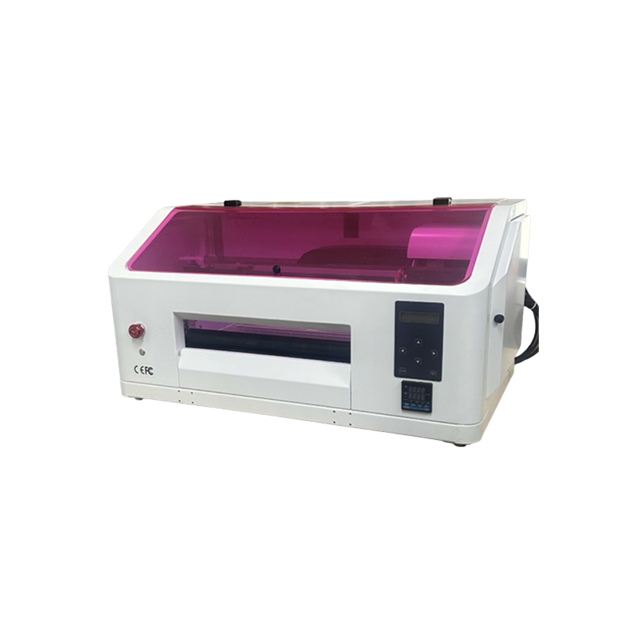
For startups, the best DTF transfer printer under $2000 (such as the A4 model with an XP600 printhead) has an extremely low barrier to entry: it weighs only 6kg, operates in a 15-28℃ environment, and requires no professional training to use. Most importantly, it is compatible with over 10 materials including cotton, leather, and metal, completely solving the traditional pain point of “needing a new machine for different materials.”
2. DTF Transfer Printer vs. Traditional Equipment: 3 Decisive Advantages
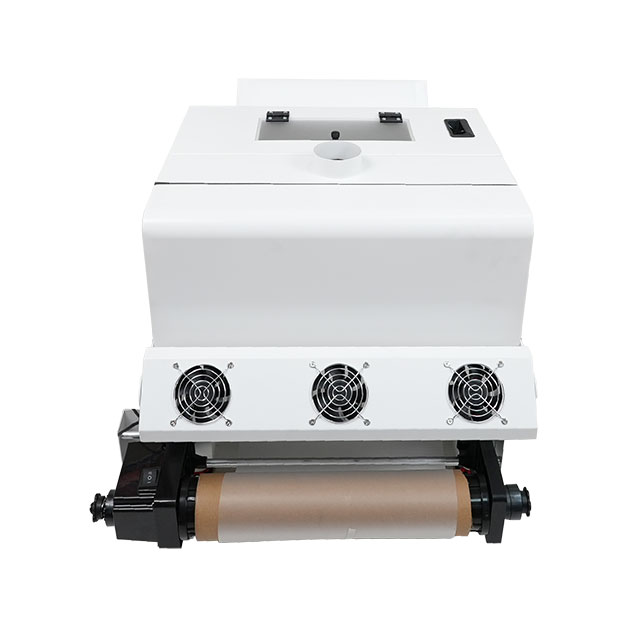
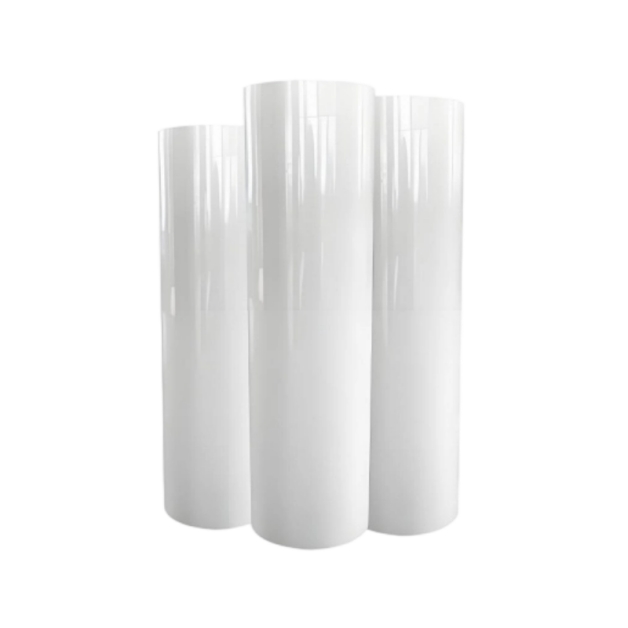
When handling 50-200 piece corporate uniform orders with a DTF transfer printer, roll-to-roll models can achieve 5 times the output per hour of DTG printers. More flexibly, you can pre-print film stock in advance and complete transfers within 15 seconds when receiving rush orders.
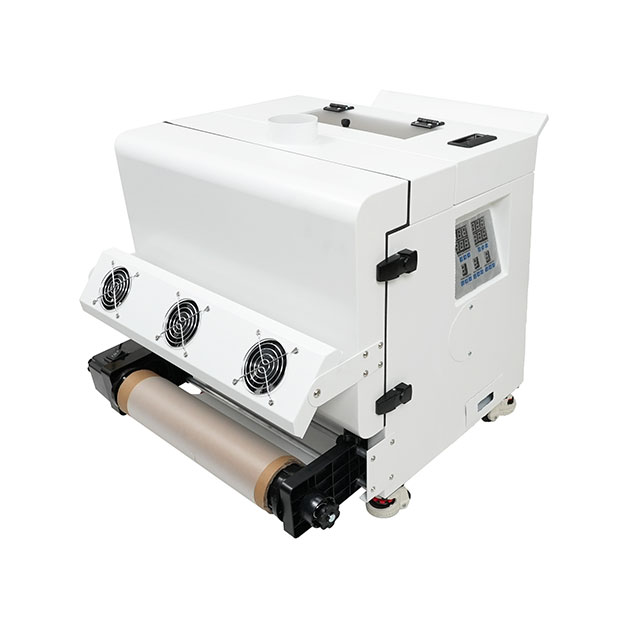
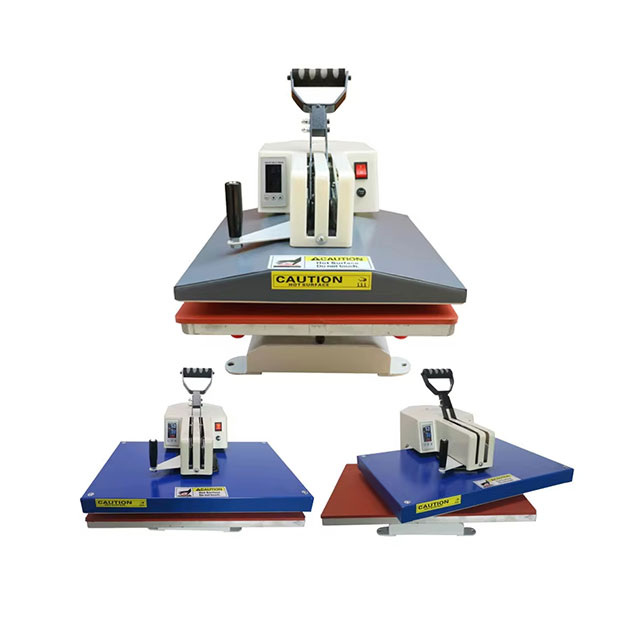
Unlike DTG printers that require 1-2 weeks of training, DTF transfer printers have a standardized process that allows beginners to master operation in 1 day: print the design → shake off excess powder and dry → heat press transfer. The entire process has 3 steps and a defect rate below 3%.
3. Practical Tips to Avoid Mistakes: 3 Ways to Achieve 100% Output Rate with DTF Transfer Printers
1. Choose the Right Consumables to Cut Costs by Half
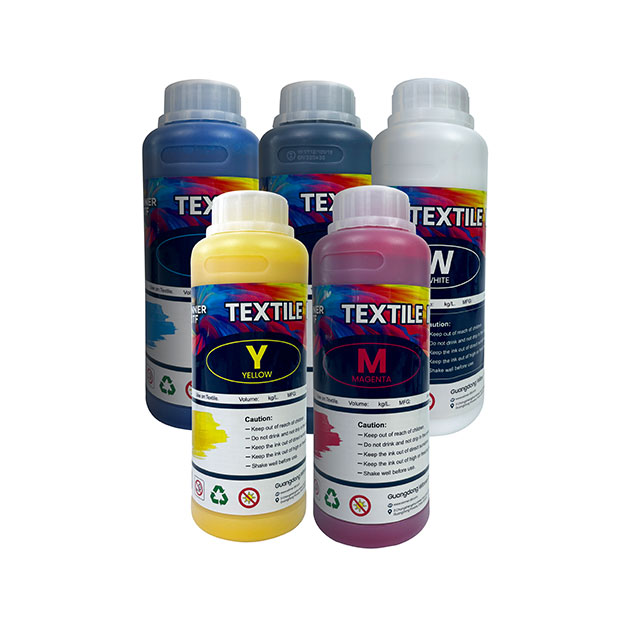
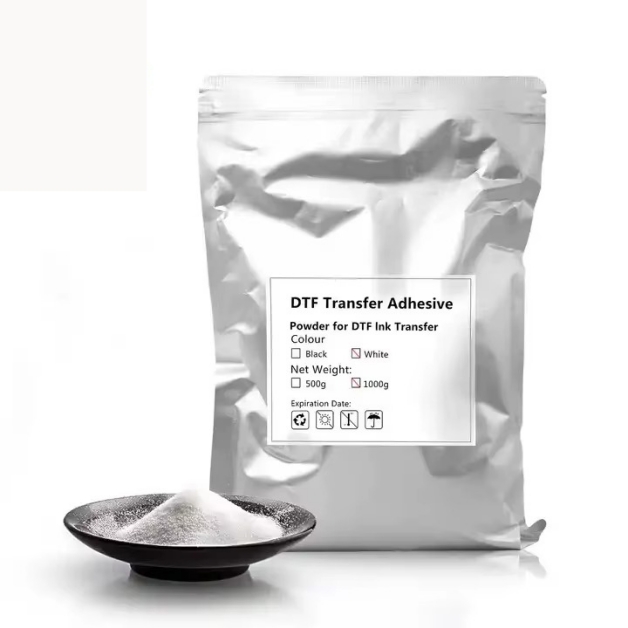
Never use cheap non-original ink! Low-quality white ink tends to precipitate and clog the printhead (replacement costs over $500). It is recommended to choose brand-certified consumables, store them away from sunlight, and shake the white ink bottle weekly. For adhesive powder, prioritize 80-mesh fine powder—this ensures more wear-resistant prints after heat transfer.
2. Parameter “Secrets” for Different Materials
| Substrate | Heat Transfer Temperature | Pressure | Time | Key Tip |
| Cotton T-shirts | 150-160℃ | Medium | 10-15s | Pre-iron to remove moisture |
| Polyester sportswear | 130-140℃ | Light | 8-12s | Peel the film quickly |
| Leather backpacks | 140-150℃ | Medium | 15-20s | Use a high-temperature-resistant cloth to prevent scorching |
3. Emergency Solution for Nozzle Clogging
This is the most common issue with DTF transfer printers—solve it in 5 minutes with these steps:
① Wipe the printhead surface with a lint-free cloth dipped in specialized cleaning solution;
② Print a nozzle check pattern and mark color-missing areas;
③ Run the “deep cleaning” function (do not exceed 2 times to avoid damaging the printhead);
④ If ineffective, use a syringe to inject cleaning solution for reverse flushing of the ink tubes.
4. 2025 Top Picks: 3 DTF Transfer Printers You Can Buy Without Hesitation
| Model | Price Range | Key Advantages | Suitable Scenarios |
| WEPINT A4 XP600 Model | 1200−1500 | Supports 100m roll film printing, no ink breakage | Home/Micro Studio |
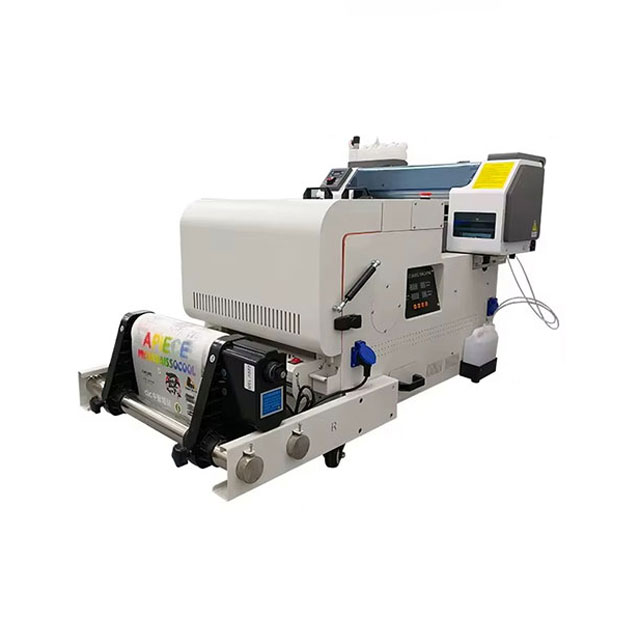
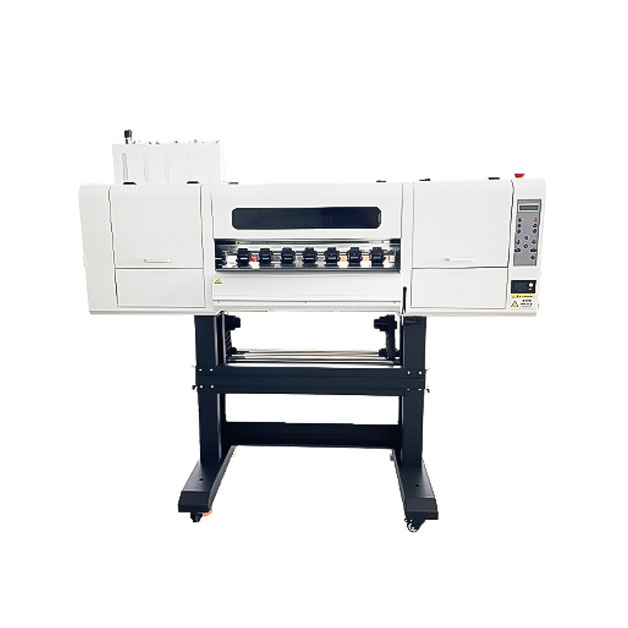
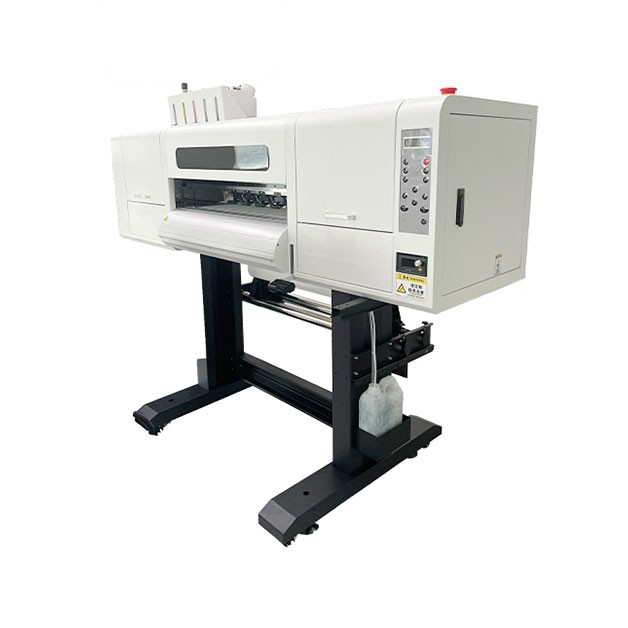
| Commercial Roll-to-Roll Model | 4000−6000 | Prints 200+ films per hour | Medium-Batch Custom Apparel Factories |
| Dual-Head White Ink Model | 2000−2500 | White ink coverage increased by 40% | Dark Fabric Printing |
Tip: “Starter kit” packages on Amazon are more cost-effective—they usually include ink, film, and basic tools, saving over $300 in initialization costs.
5. Action Guide: Making Money with DTF Transfer Printers from Scratch
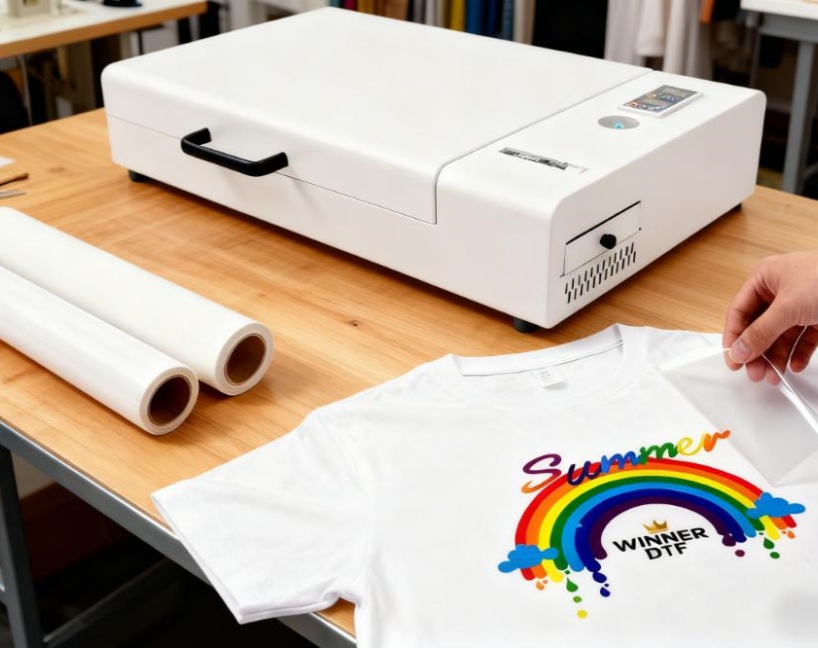
Remember: The core competitiveness of DTF transfer printers lies in “multi-material compatibility + low cost.” Don’t limit yourself to T-shirt printing! Try canvas bags, sneakers, or even metal signs—your average order value can increase by 2 to 3 times.