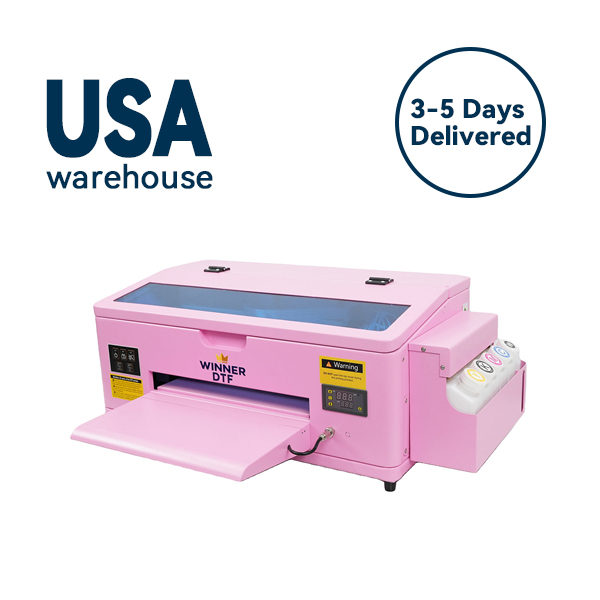
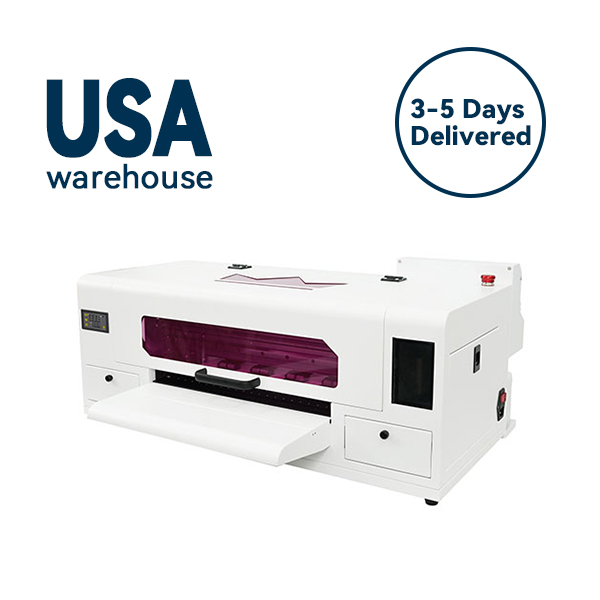
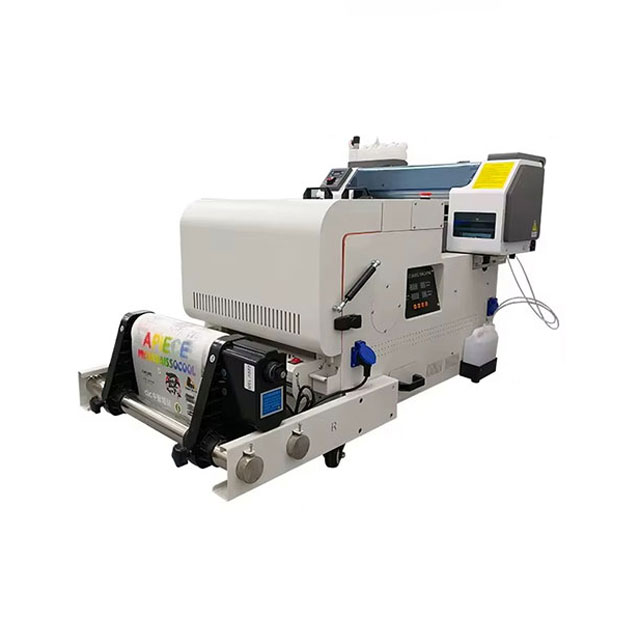
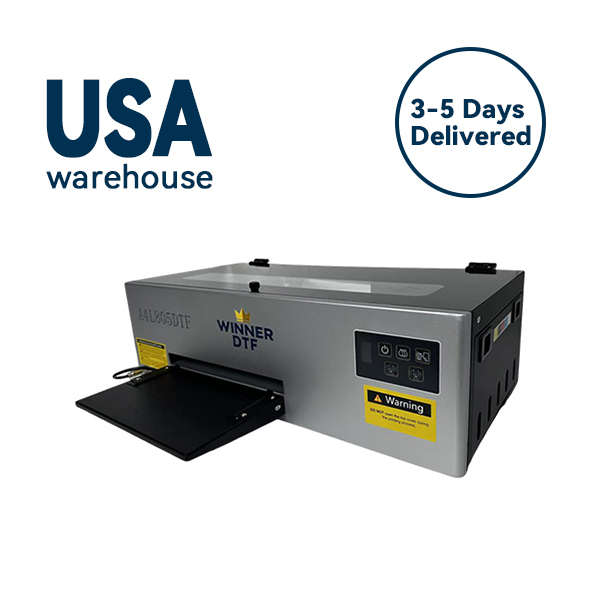
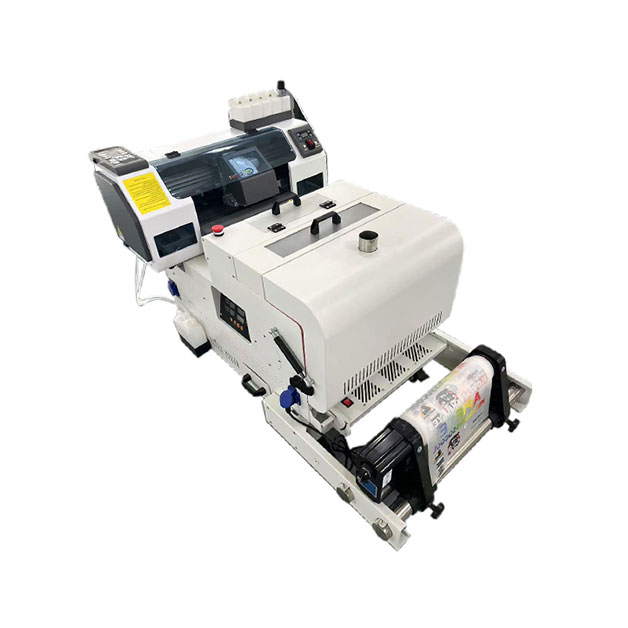
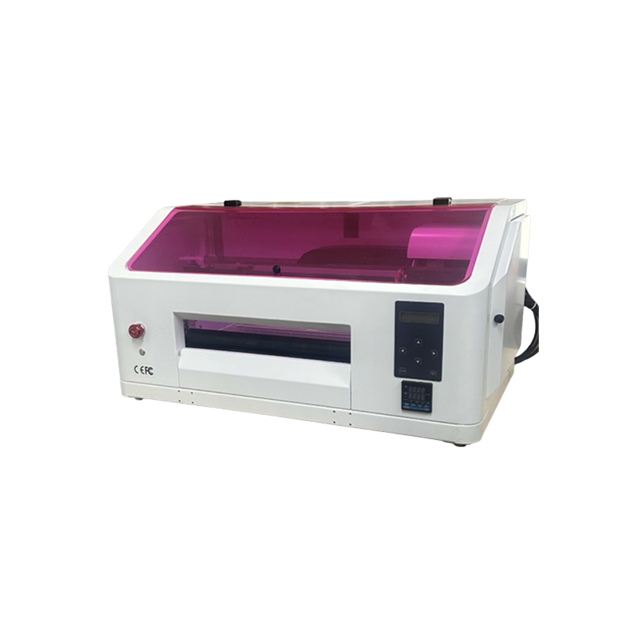
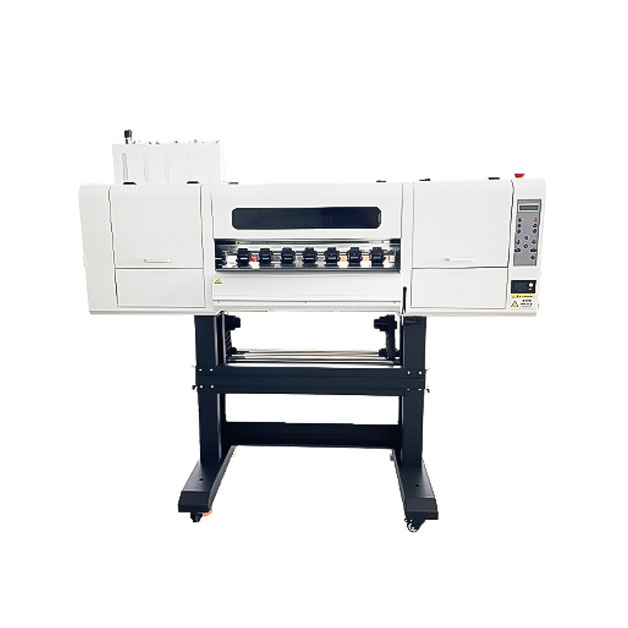
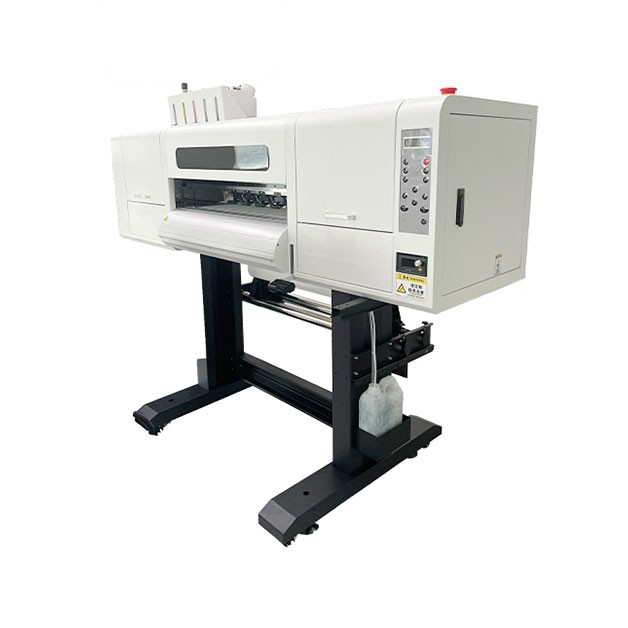

DTF (Direct-to-Film) printing is a revolutionary digital printing technology that has transformed the way we print on various materials. Unlike traditional printing methods, dtf print involves printing designs onto a special PET film using CMYK and white inks, followed by an adhesive powder application and heat curing. This process creates a durable, vibrant transfer that can be applied to almost any surface, including textiles, plastics, metals, and glass. The technology works by first printing the design onto the film, then applying a layer of adhesive powder that is melted onto the design using heat. The result is a high-quality print that is resistant to fading, scratching, and water.
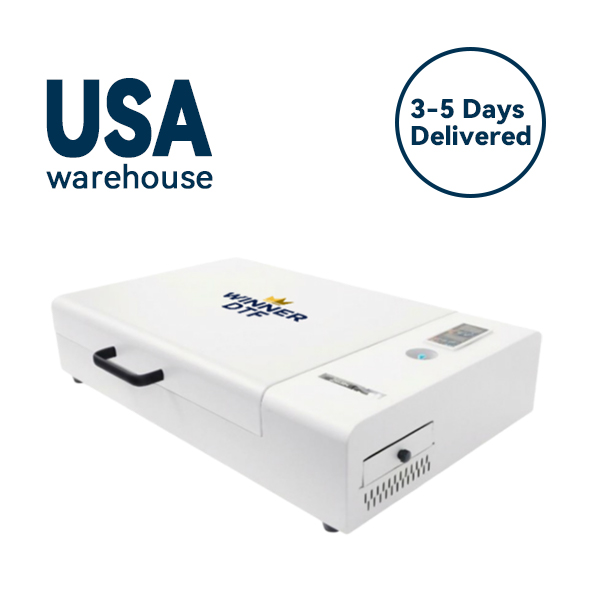
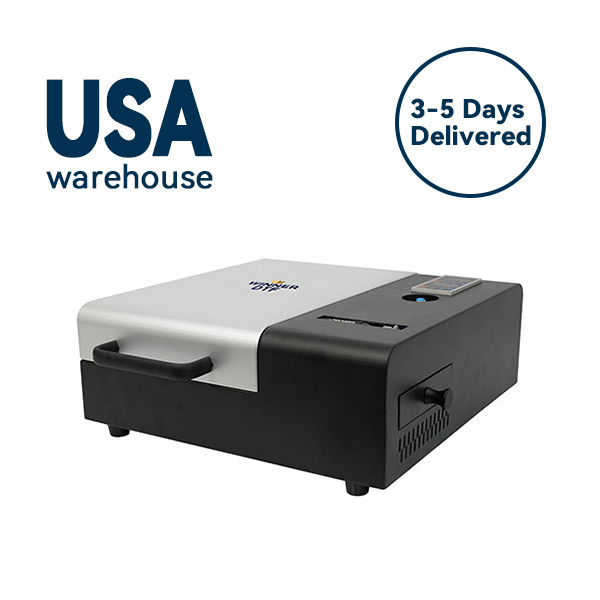
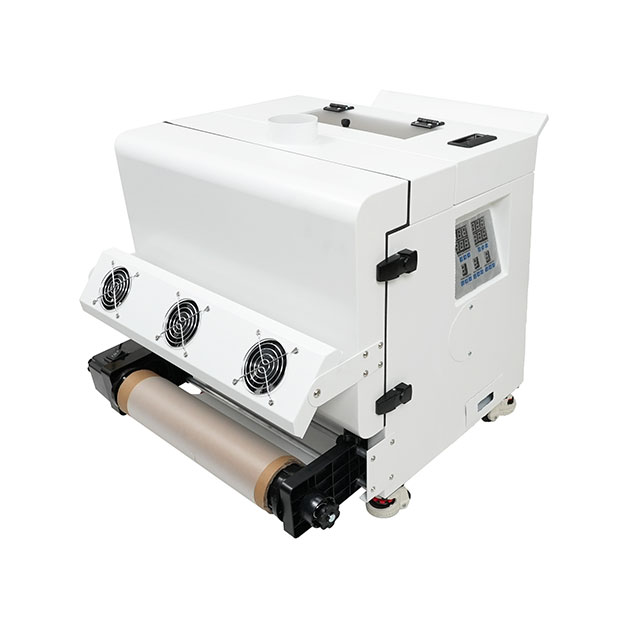
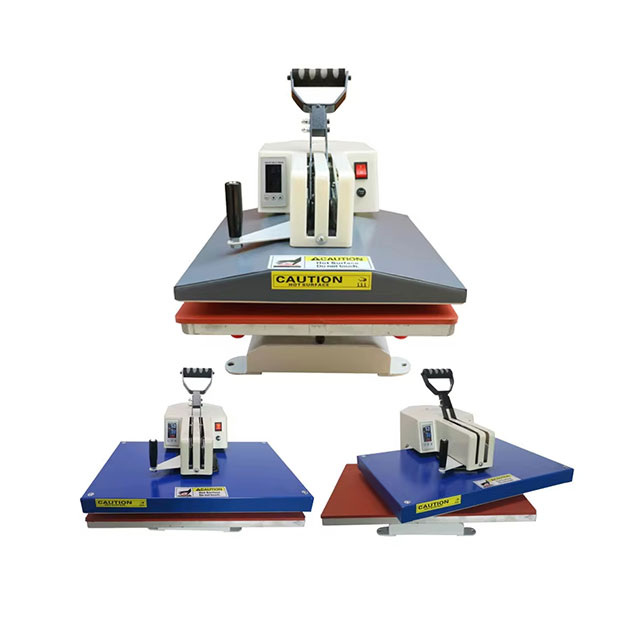
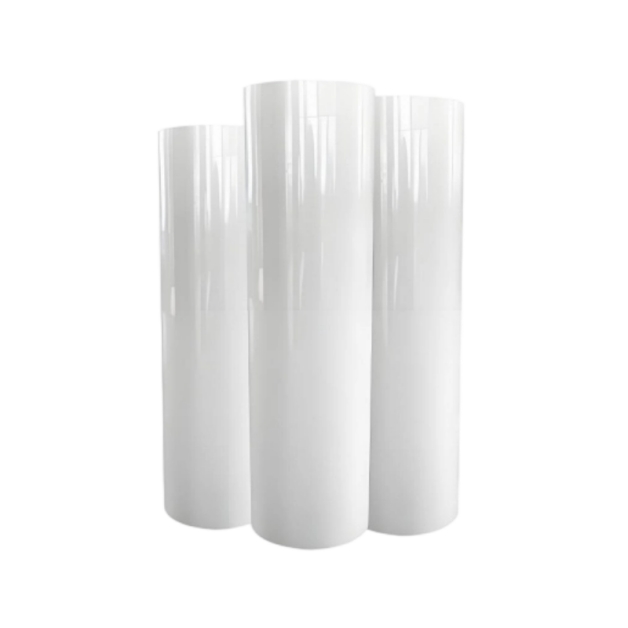
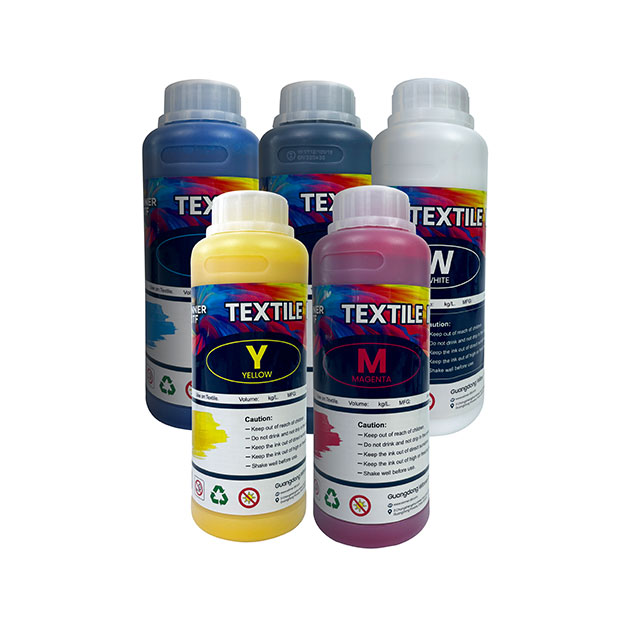
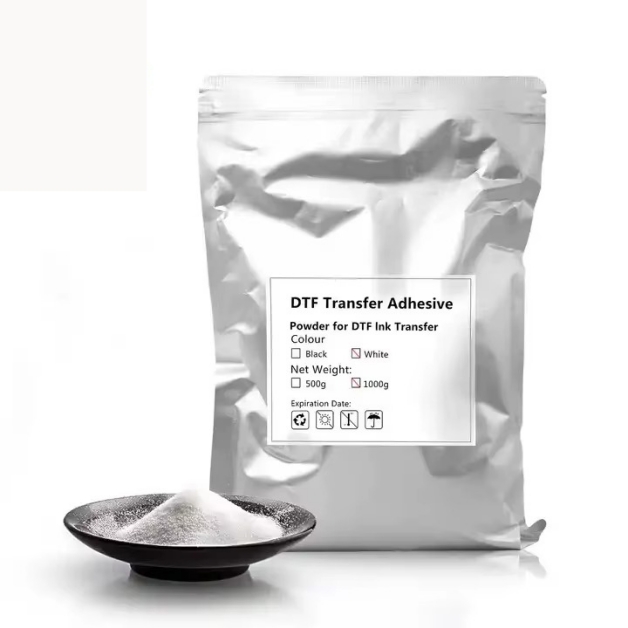
A complete DTF print system consists of several essential components: a DTF printer, a heat press, PET film, inks, and adhesive powder. The DTF printer is the core component, responsible for printing the design onto the film. It uses specialized print heads that are designed to handle the thick inks used in DTF printing. The heat press is used to apply the printed film to the substrate, ensuring a strong bond between the transfer and the material. PET film is the medium onto which the design is printed, and it comes in various sizes and thicknesses. Inks used in DTF printing are typically water-based and include CMYK and white inks. Adhesive powder is applied to the printed film to help it adhere to the substrate during the heat pressing process.
One of the most significant advantages of dtf print is its superior print quality and durability. DTF prints are known for their vibrant colors, sharp details, and smooth gradients. The use of white ink allows for printing on dark-colored materials without the need for pre-treatment, which is a common requirement in other printing methods. Additionally, DTF prints are highly durable, resistant to fading, scratching, and water. This makes them ideal for applications that require long-lasting prints, such as apparel, signage, and promotional items.
DTF print offers unmatched versatility in printing applications. It can be used to print on a wide range of materials, including cotton, polyester, leather, wood, metal, and plastic. This versatility makes it suitable for a variety of industries, from fashion and apparel to advertising and signage. The ability to print on both rigid and flexible surfaces opens up endless possibilities for creative applications, allowing businesses to expand their product offerings and meet the diverse needs of their customers.
When choosing a DTF printer, several factors should be considered. Print resolution is crucial for achieving high-quality results, with higher DPI (dots per inch) producing sharper images. The type of print heads used, such as piezoelectric or thermal, affects print speed and ink efficiency. Additionally, the printer’s maximum print size and compatibility with different materials are important considerations. It’s also essential to look for a printer that offers easy maintenance and access to technical support.
There are several leading DTF print equipment brands on the market, each with its own set of features and capabilities. Some of the top brands include Epson, Roland, and Mutoh. When comparing brands, it’s important to consider factors such as print quality, reliability, and customer support. Reading customer reviews and seeking recommendations from industry experts can help you make an informed decision. Additionally, consider the cost of the equipment, including the initial purchase price and ongoing maintenance costs.
Proper design preparation is critical for achieving optimal results with dtf print. Start by creating or selecting a high-resolution design in a compatible format (PNG or JPG) with a transparent background if necessary. Use color management software to ensure accurate color reproduction, and adjust the design size to fit the intended substrate. It’s also important to test the design on a small sample before proceeding with a full production run to ensure the desired outcome.
Once the design is prepared, the printing process begins. The DTF printer will print the design onto the PET film, followed by the white ink layer and adhesive powder application. The printed film is then cured using a heat press, which melts the adhesive powder and bonds the transfer to the substrate. The application process requires careful alignment and the right amount of pressure to ensure a strong bond. After curing, the PET film is peeled off, revealing the final print. For best results, allow the print to cool before handling.
To keep your DTF print equipment running smoothly, regular maintenance is essential. This includes cleaning the print heads to prevent clogs, checking the ink levels, and ensuring the heat press is calibrated correctly. It’s also important to keep the equipment in a clean, dust-free environment to prevent debris from affecting the print quality. Following the manufacturer’s maintenance schedule and using high-quality inks and materials can extend the life of your equipment and ensure consistent performance.
Like any piece of equipment, DTF print equipment can experience issues from time to time. Common problems include print quality issues (such as streaks or faded colors), ink clogs, and heat press malfunctions. To resolve these issues, start by checking the print heads for clogs and cleaning them if necessary. Adjusting the print settings or replacing the ink cartridges may also help. If the issue persists, refer to the manufacturer’s troubleshooting guide or contact technical support for further assistance.
dtf print is used in a wide range of applications, from custom apparel and promotional items to signage and industrial parts. In the fashion industry, DTF printing is used to create custom t-shirts, hoodies, and accessories with vibrant, durable designs. In the advertising industry, it’s used to produce eye-catching displays and promotional materials. The technology is also used in the automotive industry for interior and exterior parts, and in the packaging industry for custom labels and packaging.
DTF print has transformed several industries by offering a cost-effective and versatile printing solution. In the retail industry, it’s used to create custom product displays and packaging that stand out on the shelves. In the manufacturing industry, it’s used to print logos and branding on industrial parts and equipment. The technology is also popular in the personalized gifts industry, where it’s used to create custom mugs, phone cases, and other personalized items. As the technology continues to advance, it’s likely to find even more applications in the future.
The DTF print industry is constantly evolving, with new innovations being introduced regularly. One of the most exciting trends is the development of more eco-friendly inks and materials, which reduce the environmental impact of the printing process. Additionally, advances in print head technology are leading to faster printing speeds and higher resolutions. Another trend is the integration of artificial intelligence and machine learning into DTF print systems, which can optimize print settings and reduce waste. These innovations are making DTF print more efficient, cost-effective, and accessible to a wider range of businesses.
DTF print has had a significant impact on the printing industry, offering a versatile and cost-effective alternative to traditional printing methods. The technology has made it possible for businesses of all sizes to produce high-quality, durable prints on a wide range of materials. As the technology continues to advance, it’s likely to become even more popular, with more businesses adopting DTF print for their production needs. The future of DTF print looks bright, with new innovations and applications on the horizon.