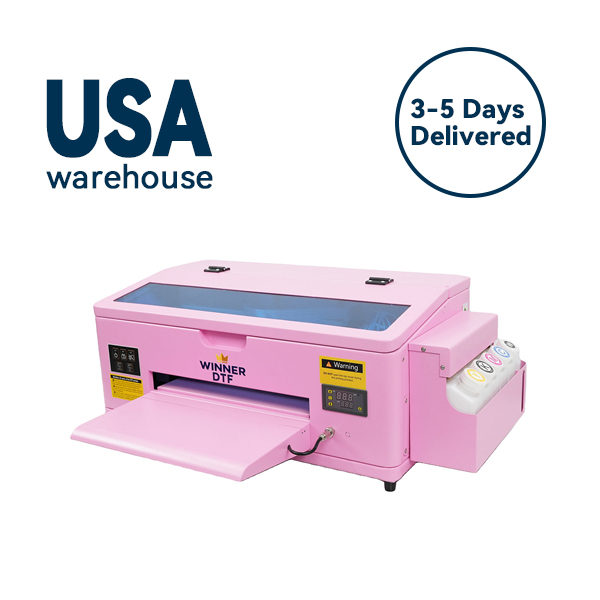
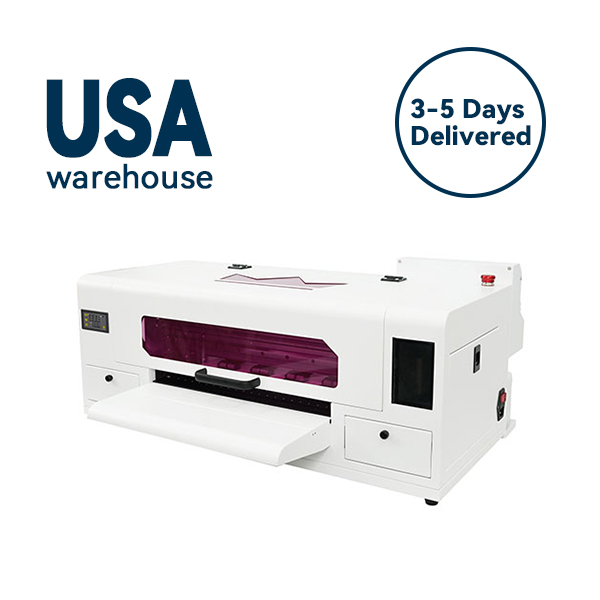
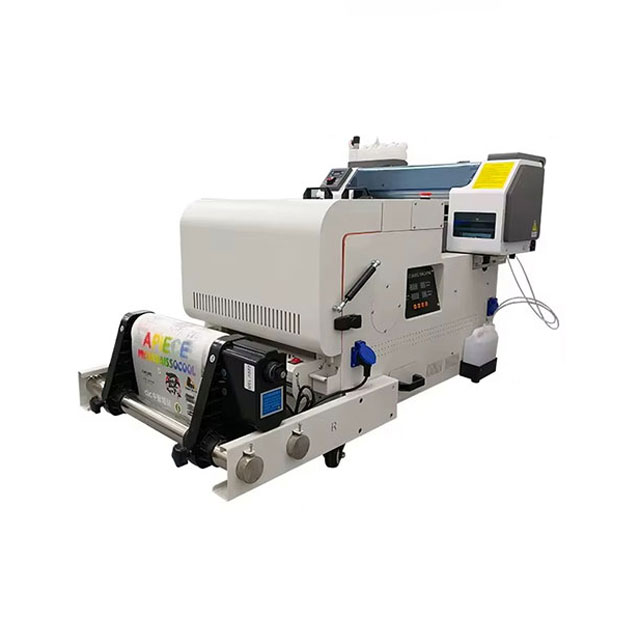
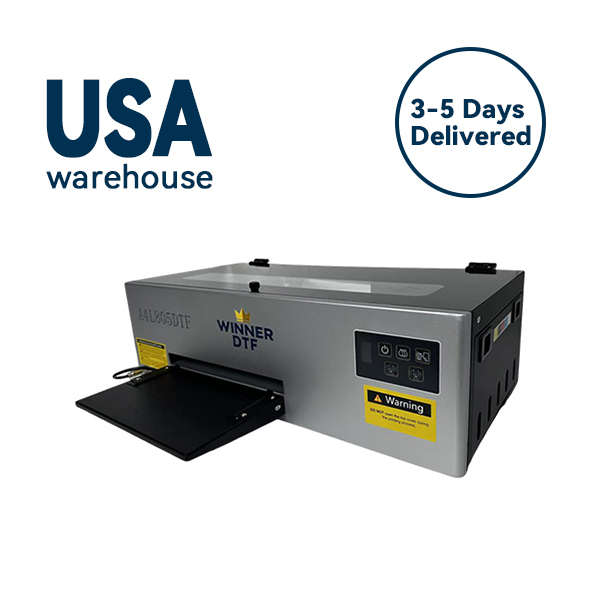
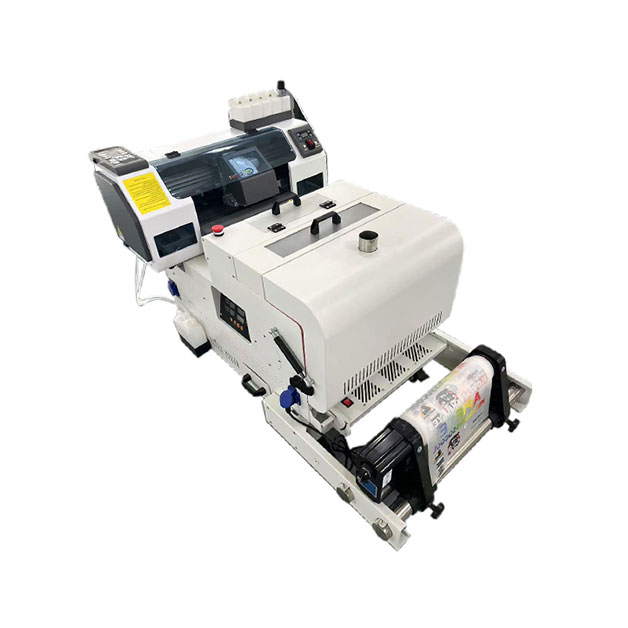
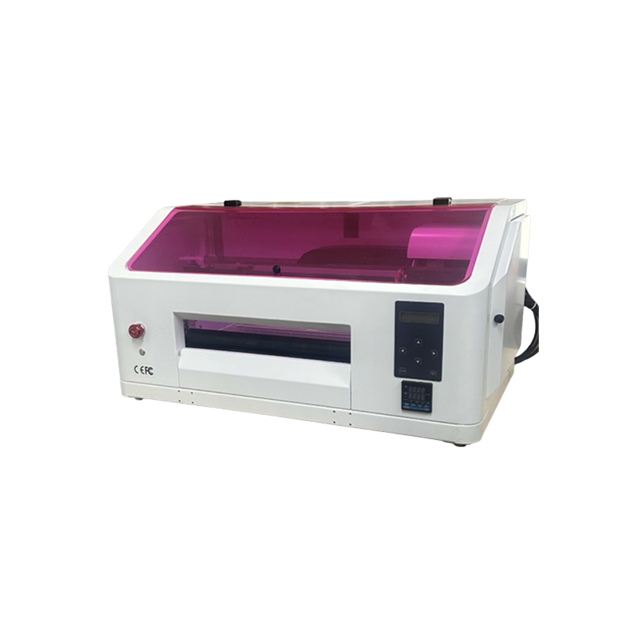
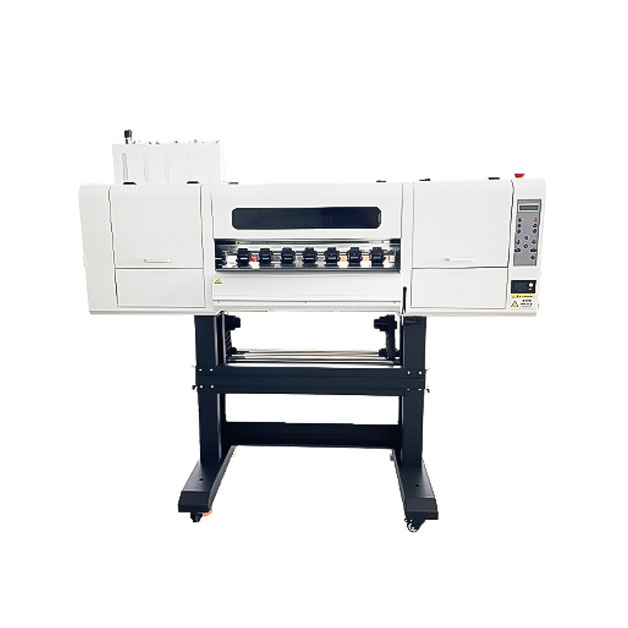
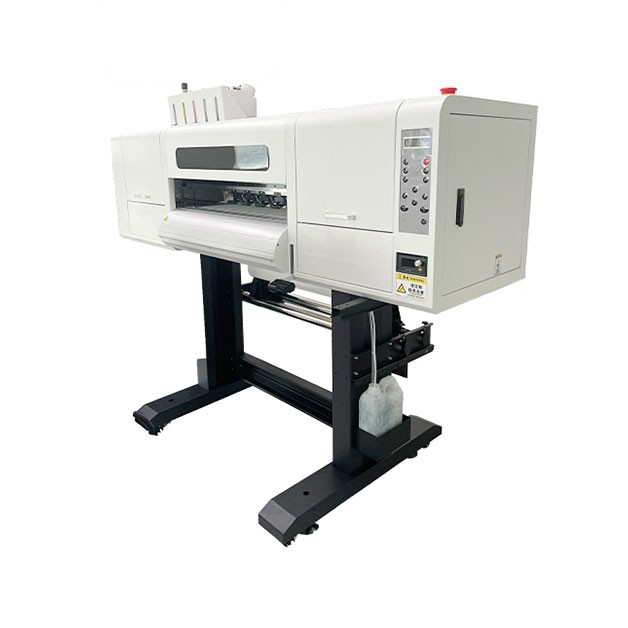
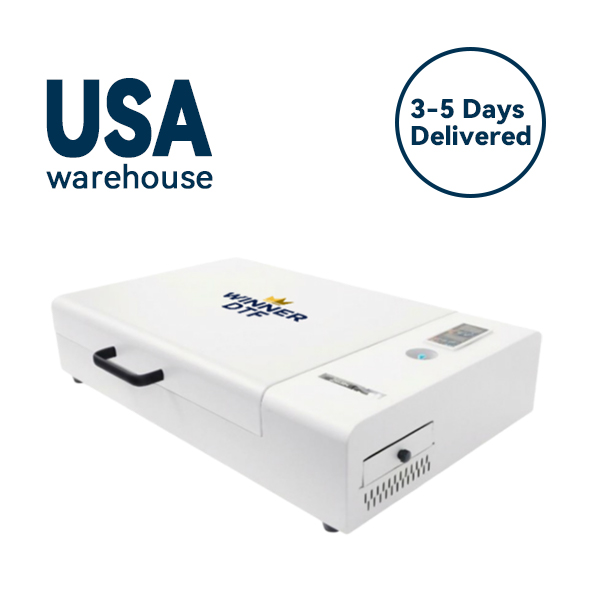
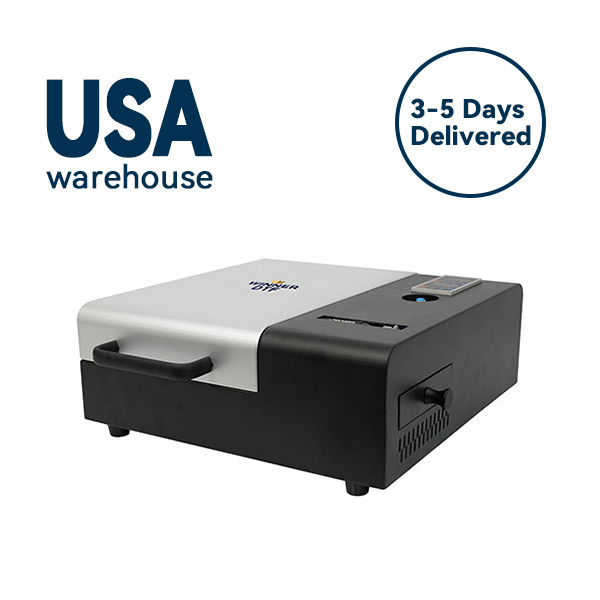
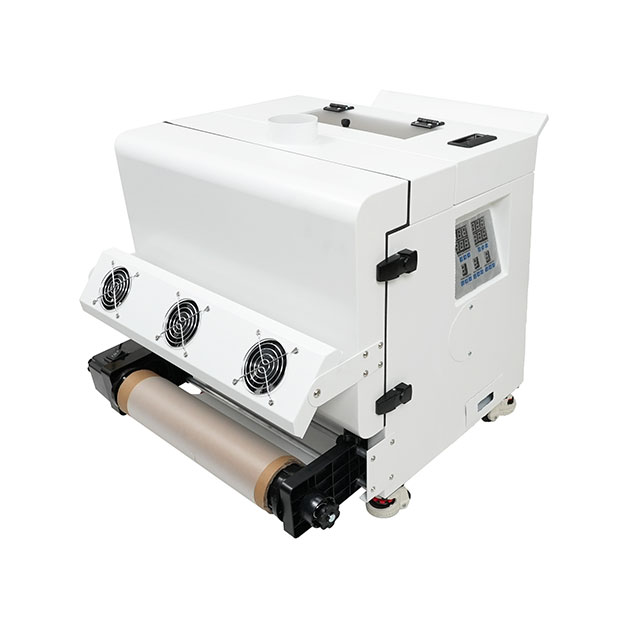
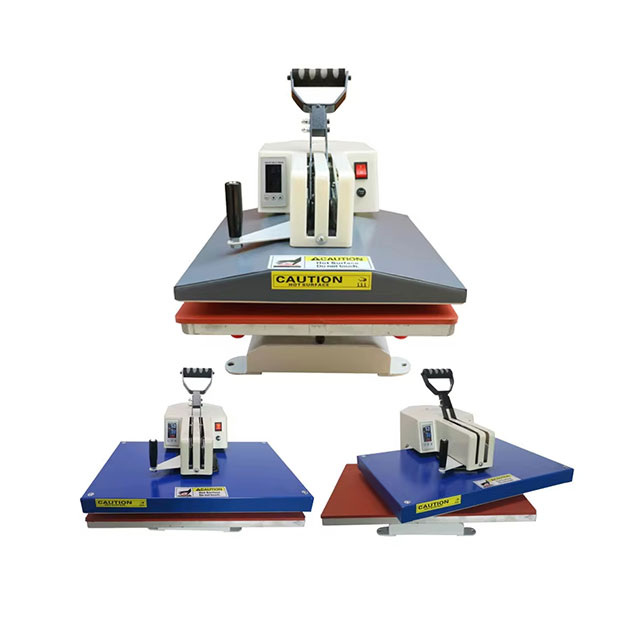
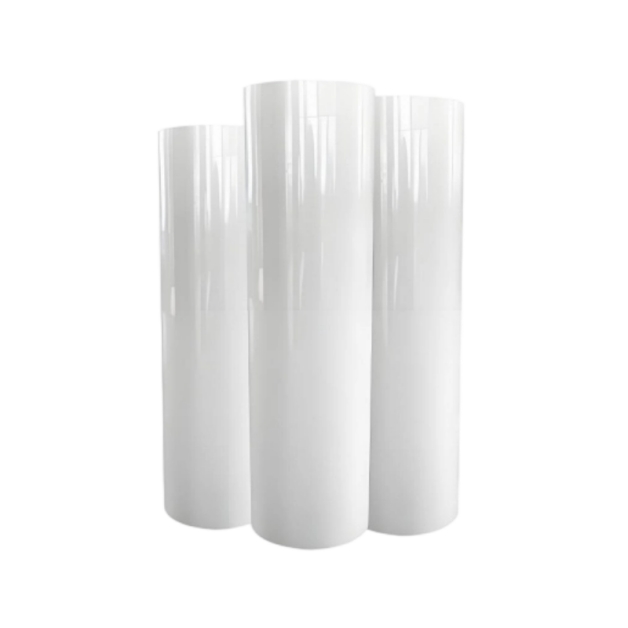
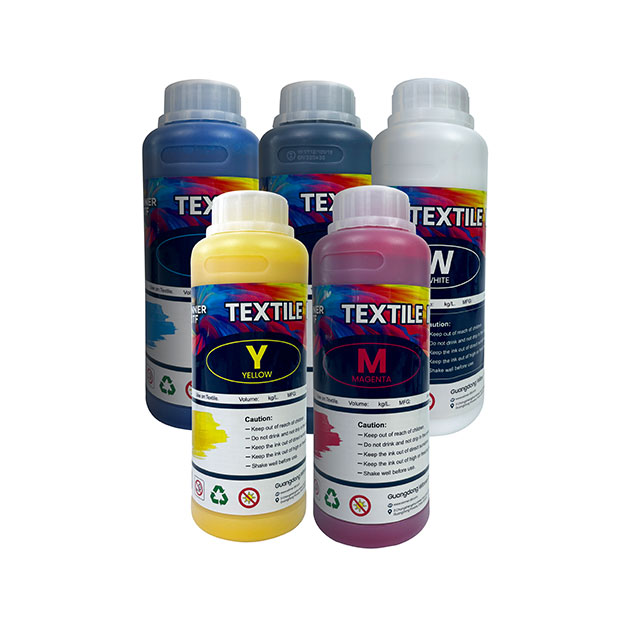
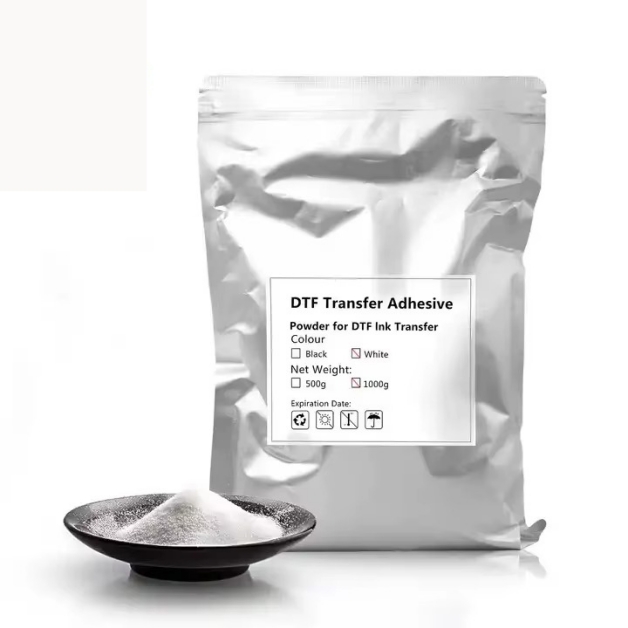

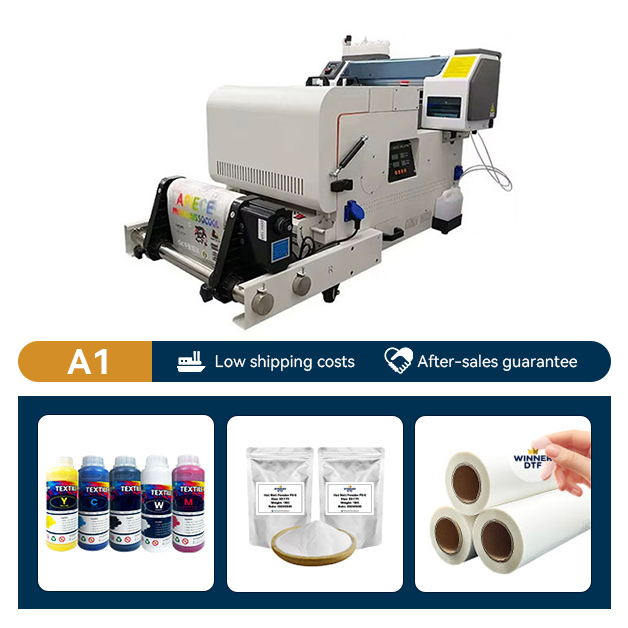
In the rapidly evolving digital printing industry, Direct-to-Film (DTF) technology is emerging as a powerful competitor to traditional printing methods, thanks to its exceptional adaptability and print quality. As an advanced representative in this field, the A3 MAX DTF-E2 not only redefines the standards of professional printing but also provides small and medium-sized printing businesses with unprecedented production efficiency and cost-control solutions. This article delves into the technical features, practical application value, and transformative potential of the A3 MAX DTF-E2 for your business.
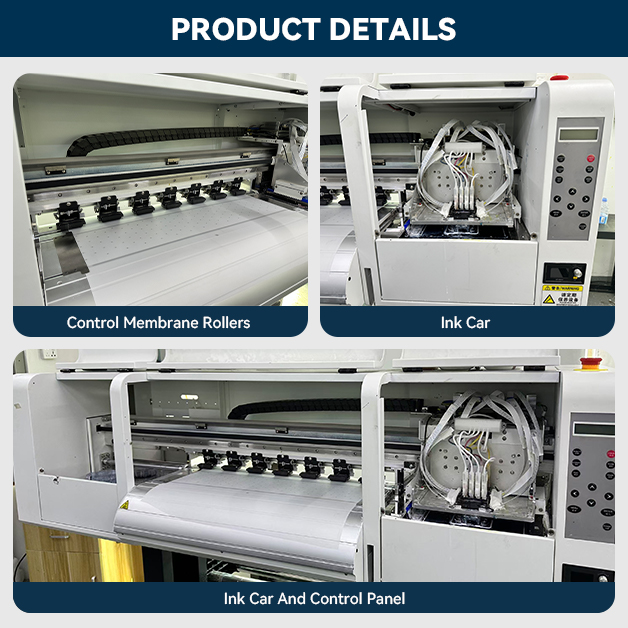
The A3 MAX DTF-E2 employs a newly designed industrial-grade printing system centered on a self-developed high-precision piezoelectric printhead technology. Compared to common DTF devices on the market, this equipment’s printhead lifespan is increased by 40%, and its print resolution reaches an impressive 5760×1440 dpi, enabling rich, detailed, and vibrant print results. Particularly noteworthy is its patented “dual-channel ink circulation system,” which ensures ideal ink viscosity and fluidity throughout the printing process, fundamentally addressing common printhead clogging issues found in traditional DTF devices.
The intelligent temperature control system is equally commendable. It automatically adjusts the heating temperature of the printing platform based on ambient temperature and ink characteristics, ensuring the powder bonding process occurs under optimal conditions. The inclusion of this intelligent system allows operators to achieve stable, high-quality prints without deep technical expertise, significantly lowering the technical barrier and operational difficulty.
Powder bonding is a critical stage in the DTF process, directly affecting the durability and texture of the final product. The A3 MAX DTF-E2 achieves several breakthroughs in this area. First, its powder dispersion system utilizes electrostatic-assisted technology, ensuring that hot-melt powder is evenly distributed on the printed film surface with an error margin controlled within ±0.1 grams per square meter. This precision reduces powder consumption by approximately 15% compared to similar products while ensuring uniform bonding.
The upgraded curing system is another highlight. Traditional thermal curing methods often lead to material deformation or color deviation, whereas the A3 MAX DTF-E2 introduces a “gradient segment heating” technology. This divides the curing process into three stages: gentle preheating, rapid curing, and stable cooling. The time and temperature of each stage can be fine-tuned based on material type, ensuring optimal curing results for different substrates while maximally preserving the original characteristics of the materials.
In real production environments, a printing device’s material adaptability directly determines its application scope. We conducted a three-month practical production test of the A3 MAX DTF-E2, covering 15 common materials, including cotton, polyester, blends, denim, canvas, and leather. Test results showed that the device exhibited excellent adhesion on all tested materials, with pattern retention rates exceeding 95% after 30 standard wash cycles, far surpassing industry averages.
Particularly notable is the A3 MAX DTF-E2’s unique advantage when handling dark-colored materials. Traditional DTF techniques often require a white base layer when printing on dark fabrics, which not only adds steps but can also result in stiff prints. By optimizing the white ink formulation and improving printing strategies, the A3 MAX DTF-E2 achieves direct printing on dark materials while maintaining soft and breathable patterns, greatly expanding the application scenarios for DTF technology.
For commercial users, production efficiency directly impacts profitability. The A3 MAX DTF-E2 was designed with production workflow optimization in mind. Its automatic ink supply system has a capacity of up to 1.5 liters, twice that of standard models, meaning operators can reduce downtime for ink refills during continuous production. Based on our practical calculations, the A3 MAX DTF-E2’s effective operating time is 22% higher than similar products over an 8-hour production cycle.
In terms of cost control, the A3 MAX DTF-E2’s resource-saving design reflects the manufacturer’s deep consideration. Beyond the aforementioned powder-saving features, its unique “ink recovery system” reclaims unused ink during printhead cleaning for reprocessing and reuse. This design increases ink utilization by 18%, representing significant savings in long-term operations. Additionally, the modular design allows key component replacements to be completed within 15 minutes, greatly reducing maintenance downtime.
With the growing trend toward personalized consumption, demand for small-batch, multi-variety production is increasing. The A3 MAX DTF-E2 demonstrates unique advantages in this area. Its quick job changeover function allows operators to switch from one design to another—including pattern changes, color adjustments, and material swaps—within 3 minutes. This flexibility makes it economically feasible to accept small-batch orders of 10–50 pieces, opening new market opportunities for printing service providers.
Real-world case studies show that a garment customization studio using the A3 MAX DTF-E2 increased its small-batch order processing capacity threefold after adopting the device, while average production costs decreased by 28%. This efficiency gain is primarily due to the high level of automation reducing manual intervention and optimized consumable usage lowering per-unit costs.
For designers and creative studios, the A3 MAX DTF-E2 is more than a production device; it is an extension of creative realization. The device supports special ink series (including fluorescent, metallic, and thermochromic colors), providing designers with unprecedented color expression. Paired with professional color management software, the color difference between what designers see on screen and the final printed product can be controlled within ΔE<2, a precision level matching professional photographic output standards.
Furthermore, the A3 MAX DTF-E2’s compatibility with various special materials, such as transparent films, reflective materials, and waterproof fabrics, further expands the boundaries of creative applications. A textile designer shared, “With this device, I can transfer designs that were previously only possible on paper directly onto various fabrics. This directness greatly shortens the journey from concept to finished product.”
DTF technology is expanding from professional printing into broader application scenarios. In the coming years, we anticipate breakthroughs in several areas: further increases in printing speed, expansion of printable materials, development of environmentally friendly consumables, and integration of intelligent production workflows. The design of the A3 MAX DTF-E2 already incorporates room for these developments, with its modular architecture allowing users to upgrade specific components incrementally as technology advances, rather than replacing the entire device.
From an industry competition perspective, the positioning of the A3 MAX DTF-E2 is clear: it is not the lowest-priced entry-level option nor the highest-output industrial-grade equipment, but a professional solution that achieves the optimal balance between quality, efficiency, and cost. This positioning precisely meets the needs of the rapidly growing small and medium-sized professional printing businesses—they require higher production capacity and reliability than entry-level devices but do not need (or cannot afford) the high investment of large industrial equipment.
As environmental awareness grows, the eco-friendliness of printing equipment has become an important consideration. The A3 MAX DTF-E2 embodies eco-conscious design in multiple aspects: first, its inks are certified by OEKO-TEX® Standard 100, free from heavy metals and harmful chemicals; second, the device’s energy consumption is 30% lower than similar products, thanks to its efficient heating system and intelligent standby function; finally, the manufacturer provides a comprehensive consumable recycling program, ensuring used powder and ink containers are properly handled.
From a life cycle assessment perspective, the durable design of the A3 MAX DTF-E2 means a longer service life and less electronic waste. The manufacturer’s warranty of up to 5 years for core components not only reflects confidence in product quality but also encourages users to extend the device’s lifespan, aligning with circular economy principles.
The A3 MAX DTF-E2 represents the advanced level of current DTF technology, bringing genuine transformation to the professional printing field through innovative technical design, outstanding performance, and user-friendly operation. Whether for existing printing businesses seeking technological upgrades or new entrepreneurs planning to enter this field, this device offers a solution worthy of serious consideration.
Driven by digitalization and personalized consumption trends, the importance of Direct-to-Film printing technology will only increase. Investing in advanced equipment like the A3 MAX DTF-E2 is not only a step to enhance current production capabilities but also a forward-looking decision to prepare for future market changes. By combining exceptional print quality, efficient production workflows, and reasonable operational costs, the A3 MAX DTF-E2 provides users with a powerful tool to stand out in the competitive printing market.
For professionals still observing the development of DTF technology, now may be the ideal time to deeply understand and experience the revolutionary changes brought by the A3 MAX DTF-E2. After all, in a rapidly changing technological landscape, timely adoption of advanced tools is often key to maintaining competitiveness.