
Tired of the complex screen printing setup? Frustrated with losing orders due to the material limitations of DTG? If you’re in the custom apparel business, then the DTF heat transfer technology sweeping the globe is something you absolutely cannot miss. This isn’t just another printing method; it’s a revolution in production efficiency and business flexibility.
Whether you’re a budding home-based operation or an established print shop seeking a technological upgrade, DTF heat transfer, with its “universal” characteristics, is redefining the rules of the game. This article will provide a comprehensive, deep dive into this technology, covering everything from equipment selection and troubleshooting to cost comparisons and business models, helping you seize this opportunity.
DTF heat transfer, short for Direct-to-Film, is a disruptive digital printing technology. It works by first printing a design onto a special PET film. Then, using hot melt adhesive powder and a heat press, the design is transferred from the film onto the final fabric.
To truly understand DTF, you need to know its “four-step” process:
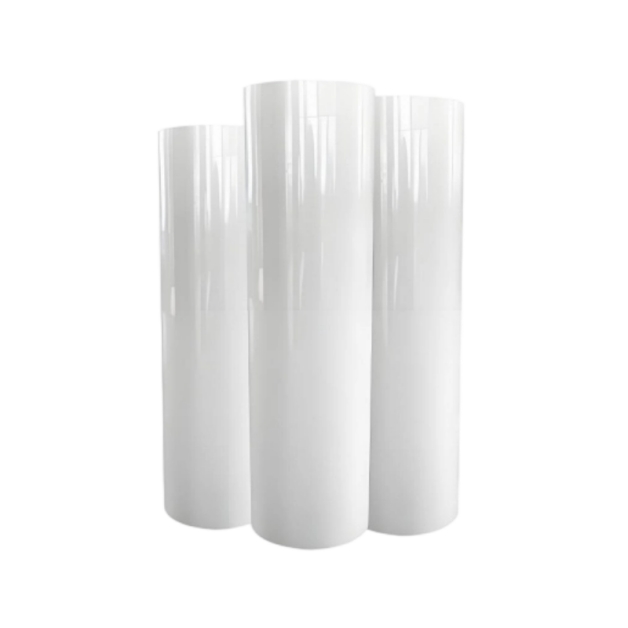
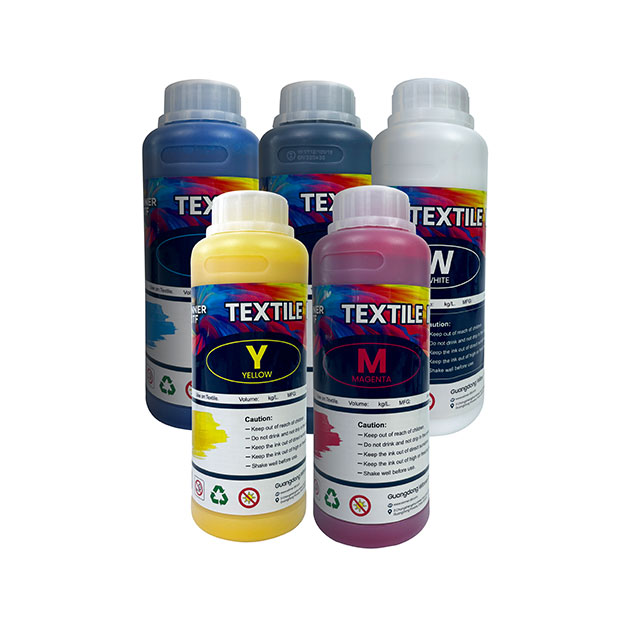
The first step is Printing. Using a printer equipped with specialized pigment inks (especially the crucial white ink), the design is printed in reverse onto a coated PET film. This white ink layer is vital; it ensures the colors remain vibrant when later transferred onto dark-colored garments.
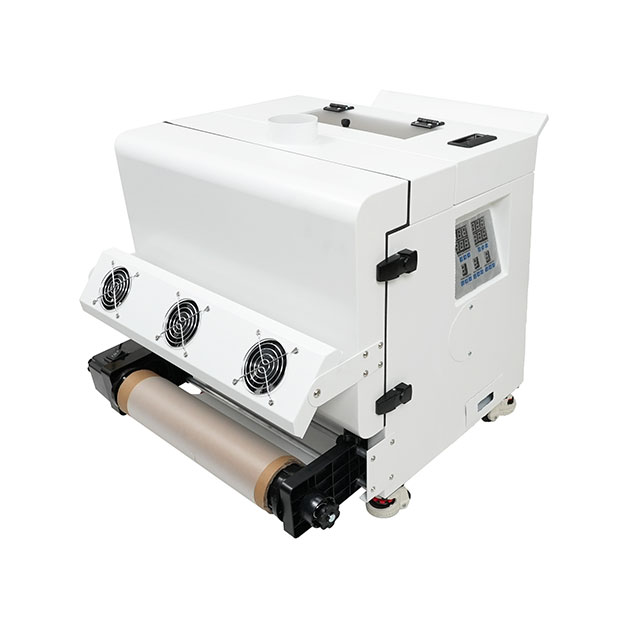
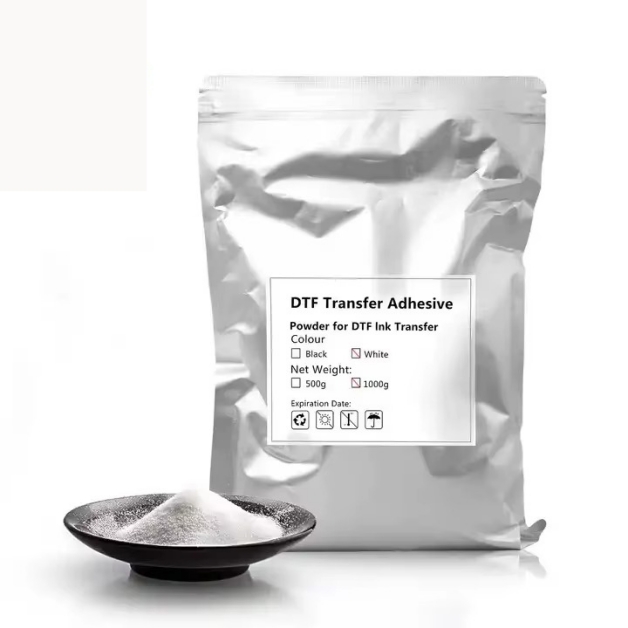
The second step is Powder Application. While the ink is still wet, hot melt adhesive powder is evenly sprinkled over the printed design. Excess powder is collected and reused. This step is the core secret to DTF’s strong adhesion.
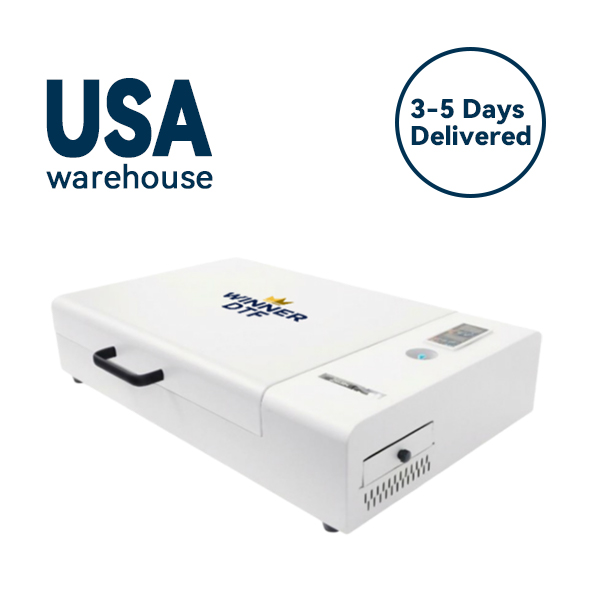
The third step is Curing. The film with the applied powder is passed through a curing oven or pressed with a heat press to melt the hot melt powder. This fuses it tightly with the ink layer, forming a complete, storable “sticker” or transfer.
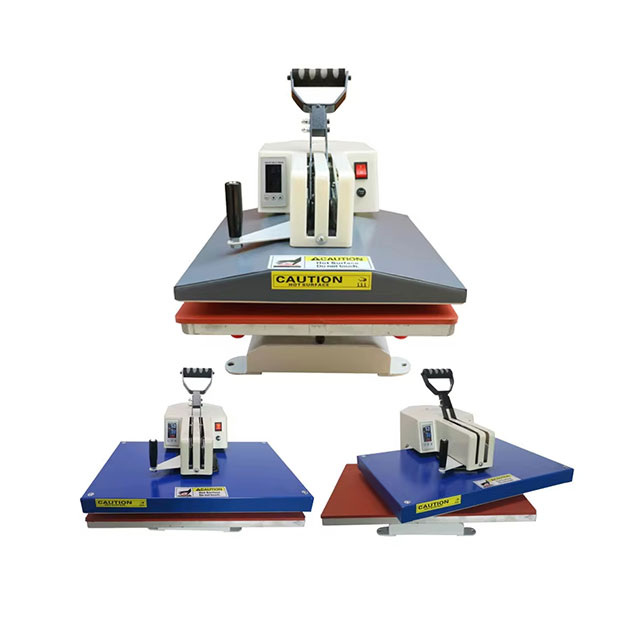
The final step is Transferring. The prepared film is placed onto the garment and pressed with a heat press at a specific temperature (typically around 160-170°C / 320-338°F) and pressure. In just about 10-15 seconds, the design is firmly “bonded” to the fabric.
Many in the industry can confuse DTF with other techniques. Here’s a clear comparison:
Compared to DTG (Direct-to-Garment) , DTF’s biggest advantage is that it requires no tedious pre-treatment of the fabric and can print on almost any material (cotton, polyester, blends, even leather). DTG is primarily limited to 100% cotton. DTG’s strength is a softer hand-feel, but DTF offers superior color saturation and white ink opacity.
Compared to traditional HTV (Heat Transfer Vinyl) , DTF is vastly superior for complex, colorful designs. HTV is suitable for simple designs like color blocks or text, but requires intricate printing and weeding for gradients or photorealistic images. DTF creates everything in one go, requiring no screens and, most importantly, no weeding. This dramatically shortens turnaround times.
Compared to Screen Printing, DTF isn’t as cost-effective for massive bulk orders. However, for custom designs, multi-style, and small-batch orders, its zero screen-making cost and incredibly fast job switching give it a massive advantage over screen printing.
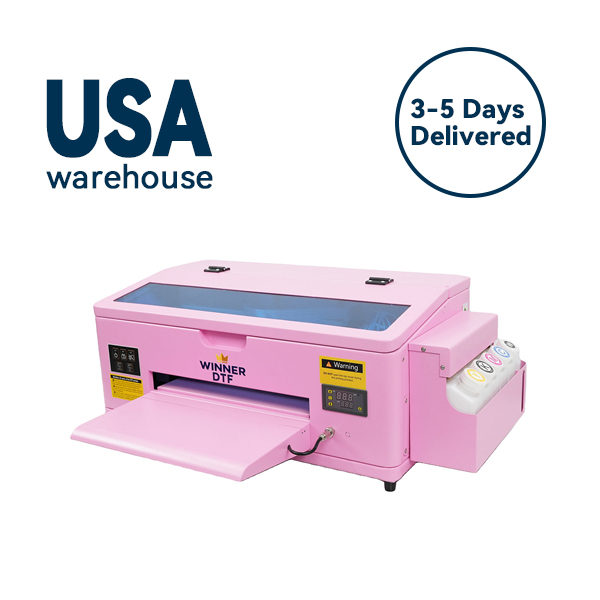
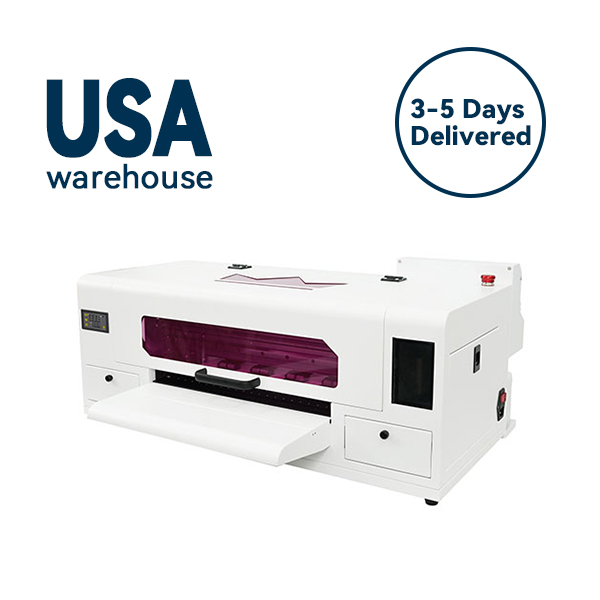
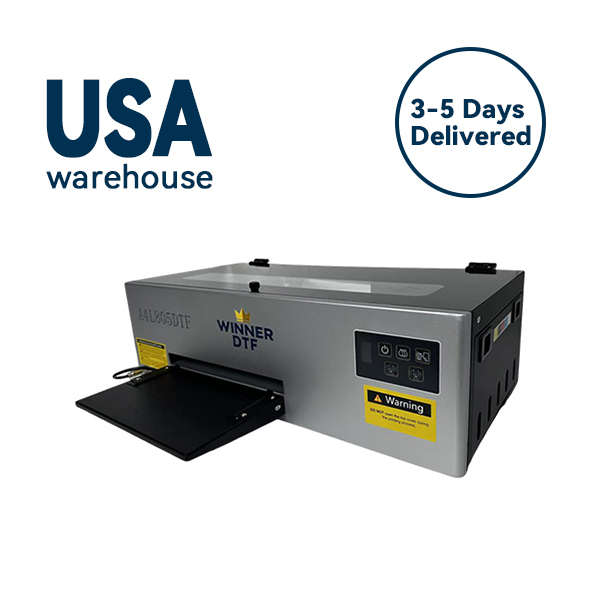
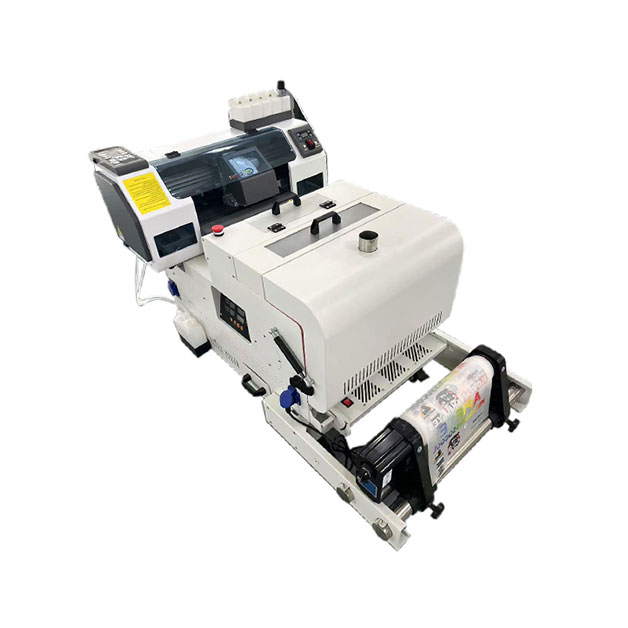
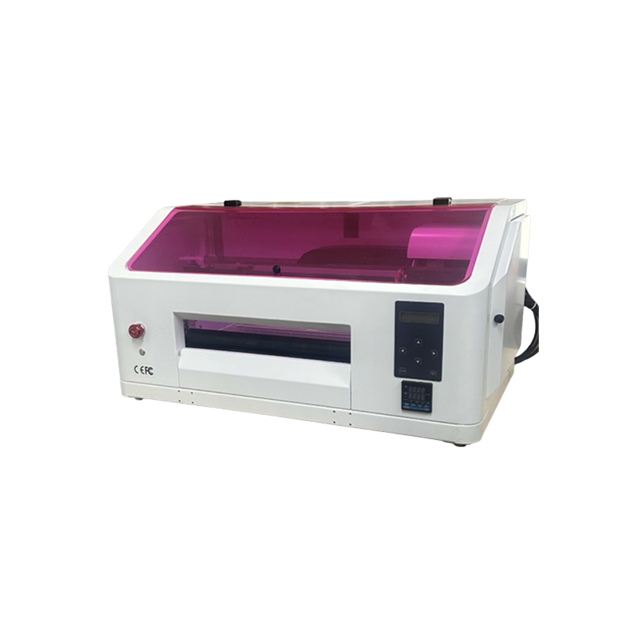
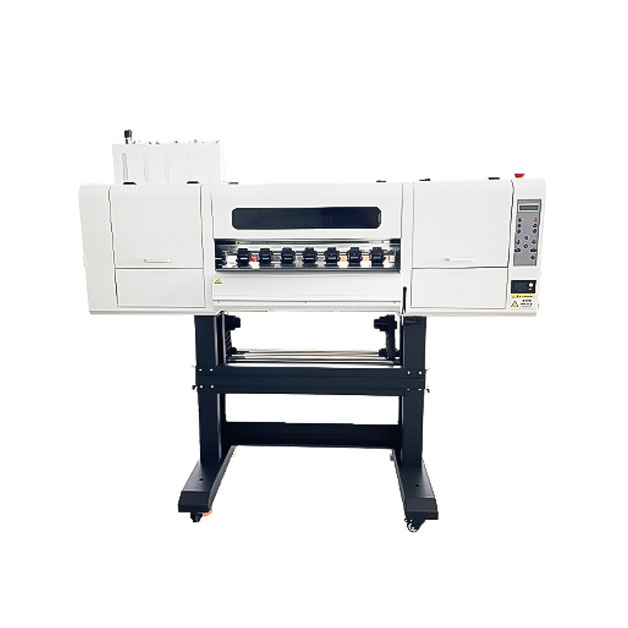
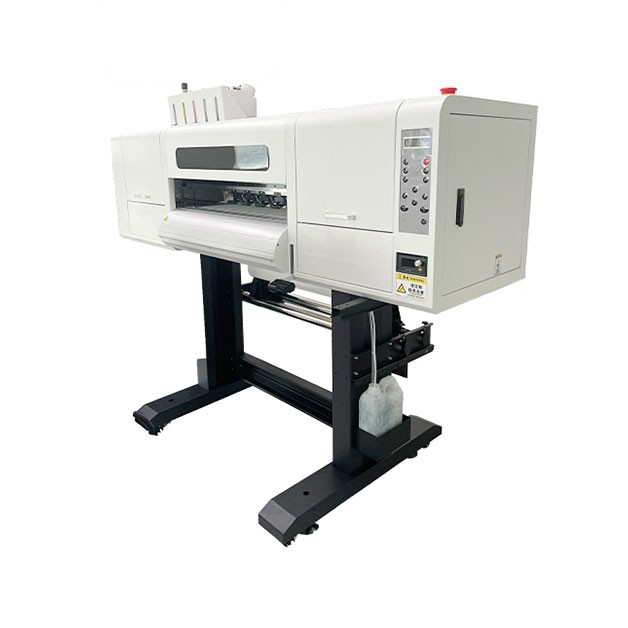
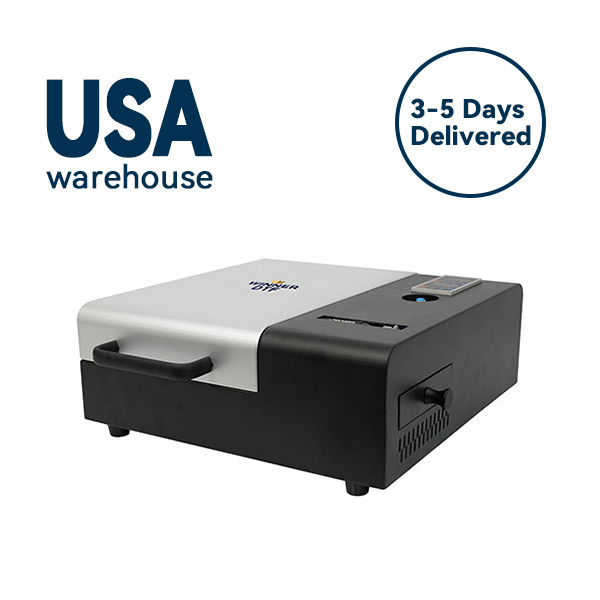
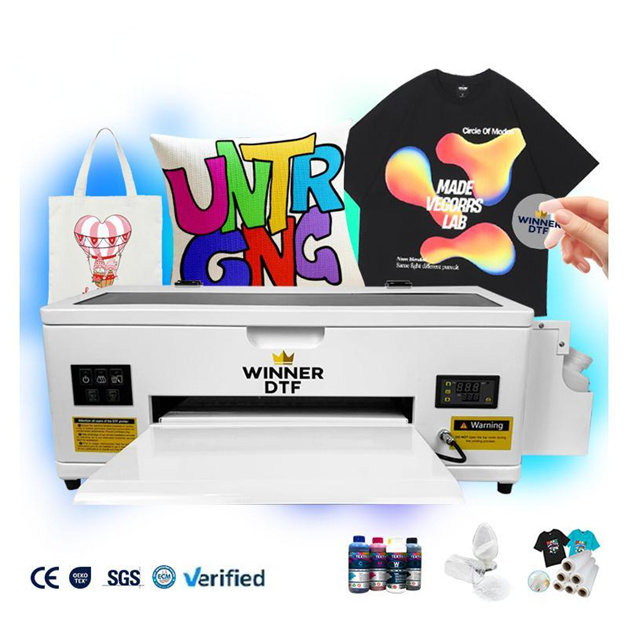
To start a DTF business, a complete set of equipment is essential. This system typically includes a DTF printer, a powder shaker/curing unit, and a heat press. Your choice of strategy depends entirely on your business scale.
For beginners with low order volumes, cost control is paramount. You might opt for converted desktop printers, such as models modified from Epson L1800 or P600 units. These machines are relatively affordable, typically ranging from $1,200 to $3,000.
For the powder application stage, you can manage perfectly well with manual powder application initially. While there might be some dust and consistency relies on skill, it’s sufficient for a handful of daily orders. Paired with a precision-entry level heat press, the total investment can be kept low, making this the perfect choice for testing the market.
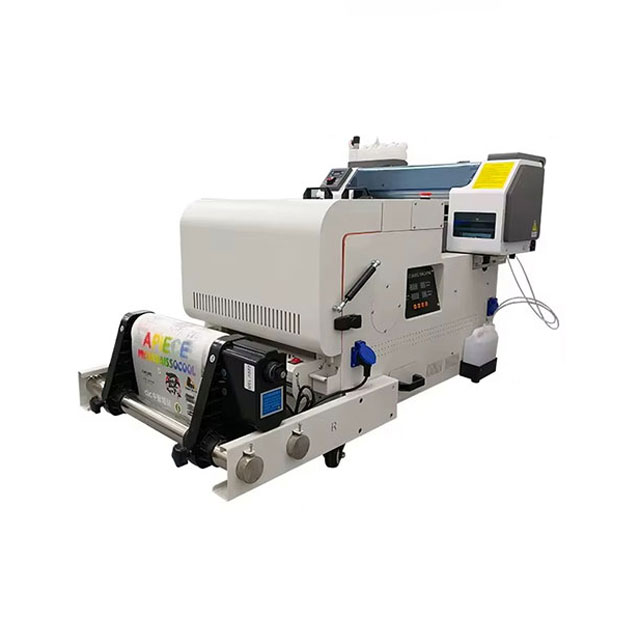
As order volume surges, you’ll find manual powdering becomes a bottleneck. This is when you need to introduce an automatic powder shaker and curing oven combo. This type of equipment operates continuously, automatically handling shaking, powder application, and curing, vastly improving efficiency and ensuring consistent quality.
Simultaneously, your printer needs an upgrade to a commercial production DTF printer. Machines like the Mimaki TxF150-75 or Roland BN-20D support roll-to-roll printing, feature automatic white ink circulation to prevent clogging, offer wider print widths, and are significantly faster. While prices range from $8,000 to $20,000+, they are essential tools for scaled production.
For the ultimate in efficiency, some companies, like Australia’s The Ministry of Shirts, have integrated fully automatic heat presses (such as the ROQ IMPRESS) with automated feeding and take-off systems, capable of pressing up to 500 garments per hour, achieving true unmanned smart production.
Even with the best equipment, things can go wrong. The most common headaches are prints not sticking or peeling after a few washes. Don’t worry – 90% of issues can be resolved with the following checks.
If your DTF transfer peels off easily right after pressing, first check the “golden triangle” of temperature, time, and pressure. If the temperature is too low or the time too short, the hot melt powder hasn’t fully melted and penetrated the fabric fibers, resulting in poor adhesion. A good rule of thumb: set 140-150°C (284-302°F) for polyester materials, and increase to 160-170°C (320-338°F) for cotton, with a pressing time of 12-15 seconds.
Next, consider hot peel vs. cold peel? Most DTF films on the market recommend a cold peel. If you peel immediately after pressing, the still-molten adhesive might stretch, create strings, or stick to the film. Allowing it to cool for 30-60 seconds allows the adhesive to solidify, achieving maximum bond strength.
Another detail is post-pressing. For knitted fabrics with uneven surfaces, or designs with very fine lines and text, it’s advisable to press again with a silicone sheet or Teflon paper over the design after the initial transfer. This ensures every corner and edge is fully adhered.
Durability is a key customer concern. High-quality DTF heat transfer prints can withstand 50 or more home laundry cycles. However, if premature cracking occurs, the issue often lies with the hot melt powder or the substrate.
Powder particles that are too coarse or unevenly distributed can lead to a brittle adhesive layer. Using high-quality fine powder (0-80 microns) results in a thinner, more flexible adhesive layer. Furthermore, the step of pre-pressing the garment is often overlooked. Before applying your transfer, pre-press the blank garment for 5-10 seconds. This removes wrinkles and, crucially, any hidden moisture from the fabric, preventing steam from creating bubbles or weakening the bond during the final transfer. For any pre-made DTF films you’re not using immediately, store them in a cool, dry place away from humidity to prevent the adhesive powder from degrading.
Mastering the technology is the first step to monetizing it. DTF’s low barrier to entry and high adaptability are fostering new business models.
Traditional print-on-demand businesses were often hindered by the high cost and slower speed of DTG equipment. DTF perfectly solves this problem.
Zero Inventory Pressure. You can print various designs onto DTF film in bulk and store them. When an order comes in – even for a single item – you can press and ship it immediately, truly enabling one-piece fulfillment.
Unlimited Application Scenarios. DTF isn’t just for t-shirts. Canvas bags, hats, aprons, denim, and even specially treated leather or hard surfaces (like mouse pads, small wooden plaques) can become your canvas. This means you can supply pet clothing stores, sports teams, corporate uniform suppliers, and even home decor brands, massively expanding your customer base.
As Insta Graphic Systems demonstrated with their recent expansion of DTF services, this technology helps point-of-sale (POS) businesses quickly respond to market demand, offering vibrant, detailed products.
Let’s do the math. Beyond equipment depreciation, the per-print cost of DTF mainly includes: PET film, water-based pigment inks (white ink consumption is particularly high), hot melt powder, and electricity.
For a full-color, A3-sized design, the material cost is very manageable. Compared to screen printing, which involves screen-making fees and ink mixing costs, DTF offers a massive cost-per-piece advantage for small batches of 1-50 pieces. While the per-unit cost of screen printing does drop for very large quantities (hundreds or thousands), for modern retail models focused on personalization and a high number of SKUs (stock-keeping units), DTF’s flexibility is an invaluable asset in itself. The projected growth of the global DTF hot melt powder market to $2.209 billion by 2031 is a strong testament to the vitality of this industry chain.
Technology is always evolving. From early heat transfers to DTG, and now to DTF, every innovation is met with questions about whether it’s worth the investment. The answer is clear: DTF isn’t meant to replace everything, but it’s an incredibly powerful complementary tool.
It allows you to take orders you couldn’t before (like polyester jerseys, complex dark-colored designs), confidently promise faster turnaround times, and explore opportunities across more product categories. Of course, not all DTF is created equal. Choosing a reliable supplier for consumables (like high-quality options from industry leaders like Stahls’ with their UltraColor™ MAX films) and equipment is key to ensuring the final product has the desired feel and durability.
If you’re eager to stand out in the custom printing market and diversify your business with a lower entry barrier, DTF heat transfer is undoubtedly the technology most worth understanding and investing in right now. Whether you plan to produce your own films or seek a reliable contract service provider, now is the perfect time to embrace this change and equip yourself with this new technology. If you have questions about specific equipment choices or transferring onto particular types of fabrics, please feel free to contact us for further consultation.