2025 Ultimate DTF PrintingGuide: From Equipment Selection to Profit Tips – Must-Read for Small-Batch Customization
Table of Contents
Preface
In 2024, the global DTF (Direct to Film) printing volume reached 7.2 billion times, a year-on-year increase of 30%, making it the fastest-growing technology in the custom printing industry. Compared with traditional screen printing and DTG (Direct to Garment) printing, DTF printinghas become the preferred solution for small and medium-sized businesses and entrepreneurs due to its three core advantages: low threshold, high compatibility, and fast delivery. It can achieve full-color complex pattern printing while adapting to various materials such as cotton, polyester, and leather. The cost of small-batch orders (10-50 units) is 15%-30% lower than that of DTG. Combining the latest 2025 technology trends, real business cases, and practical tips, this guide comprehensively dissects the core value of DTF printingfrom principles, equipment, applications to profitability, helping you quickly launch and profit.
I. Core Principles of DTF Printing: Why Can It Replace Traditional Processes?
DTF printing realizes pattern reproduction through three key steps: ink printing → powder adhesion → heat transfer, with core advantages of no pre-treatment required and strong material compatibility:
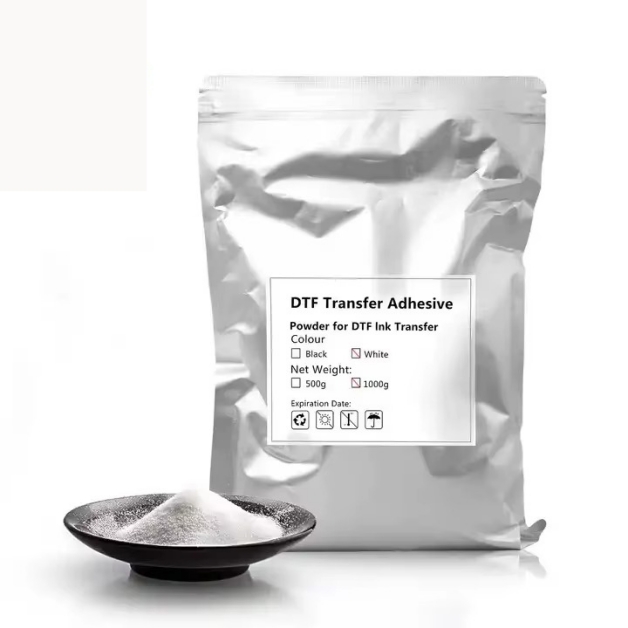
Technical Logic: First, print the pattern on a special PET film, cover it with hot-melt adhesive powder and cure it, then transfer it to the substrate using a heat press. The adhesive powder melts at high temperature and combines closely with the material fibers, achieving a wash fastness of 4-5 levels (far exceeding HTV heat transfer);
Key Differences: Compared with DTG printing (requiring pre-treatment fluid) and screen printing (requiring plate making), DTF printing eliminates cumbersome pre-steps. The cost per unit for A4-sized DTF printing is as low as 1.2 RMB (≈0.17 USD), and the cost-effectiveness of small-batch orders (10-50 units) outperforms traditional processes;
2025 Technology Upgrades: The popularization of eco-friendly water-based DTF inks (reducing VOC emissions by 60%) and the application of AI automatic color calibration systems have increased DTF printing color reproduction to 95%, complying with European and American environmental standards, making it safe for cross-border e-commerce sellers to export.
II. Three Core Advantages of DTF Printing: Key Profit Points for Businesses
1. Cost Advantage: Savings on Both Equipment and Consumables
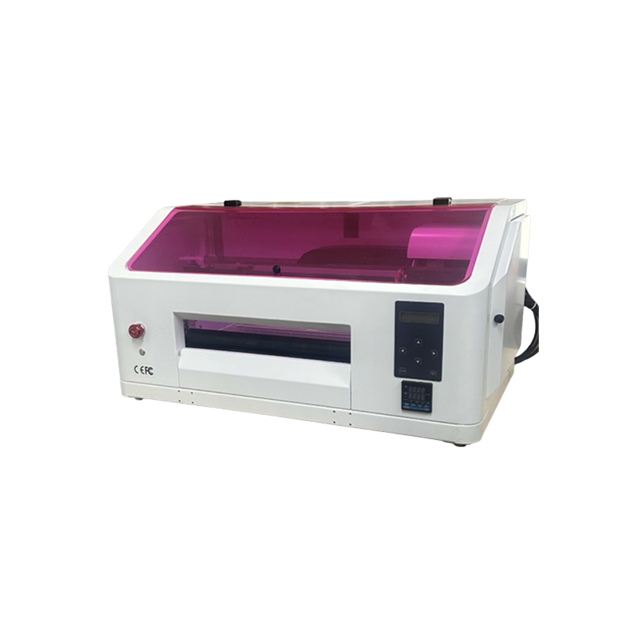
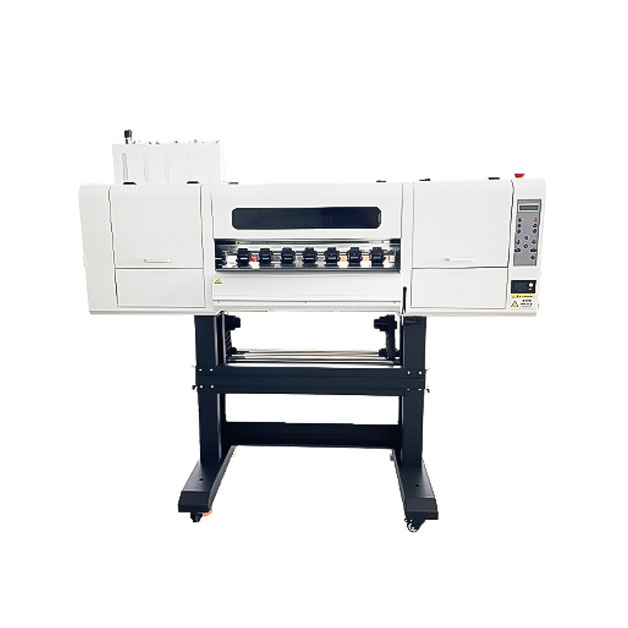
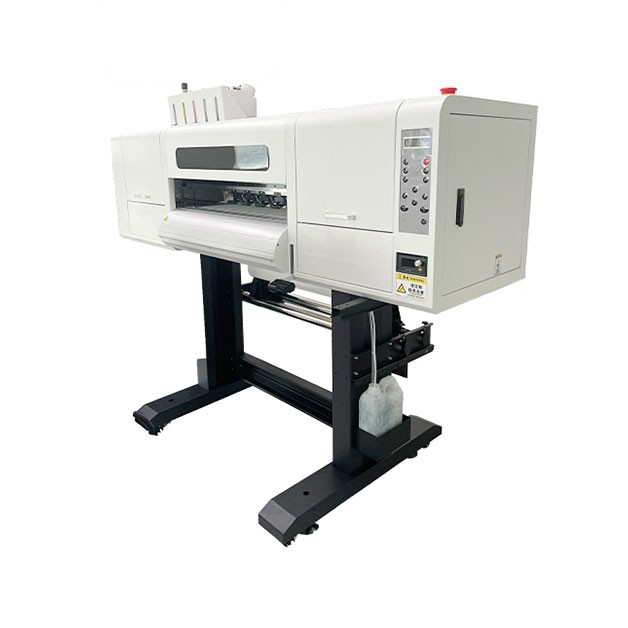
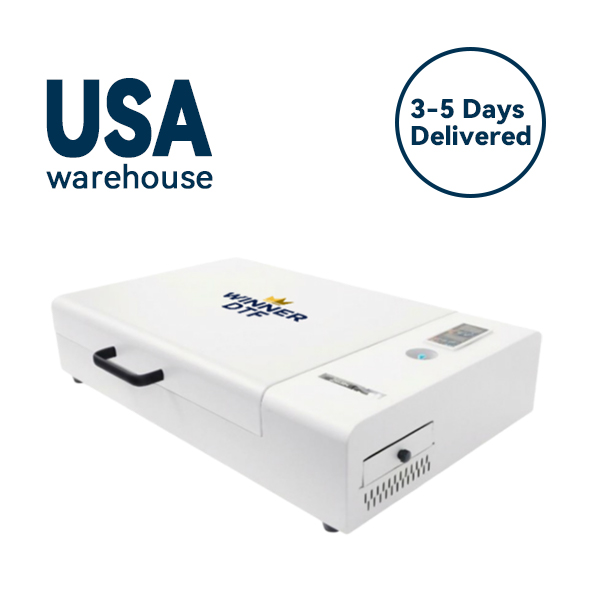
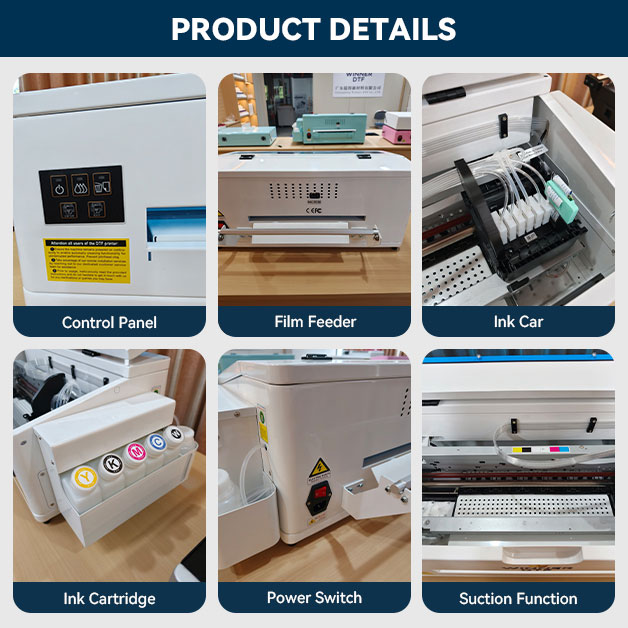
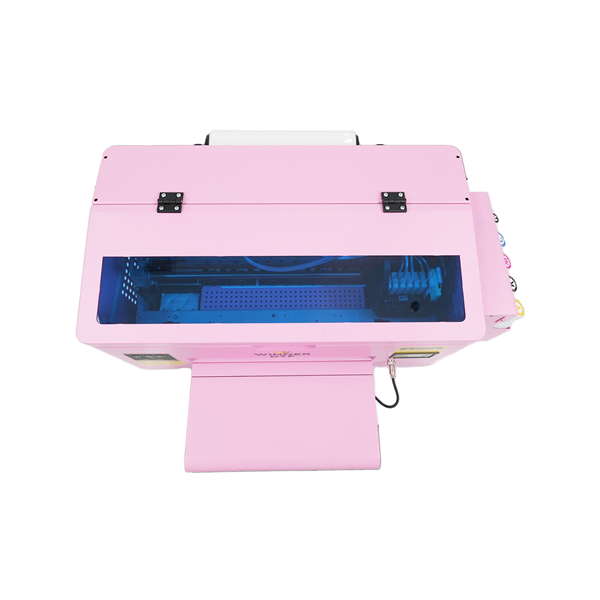
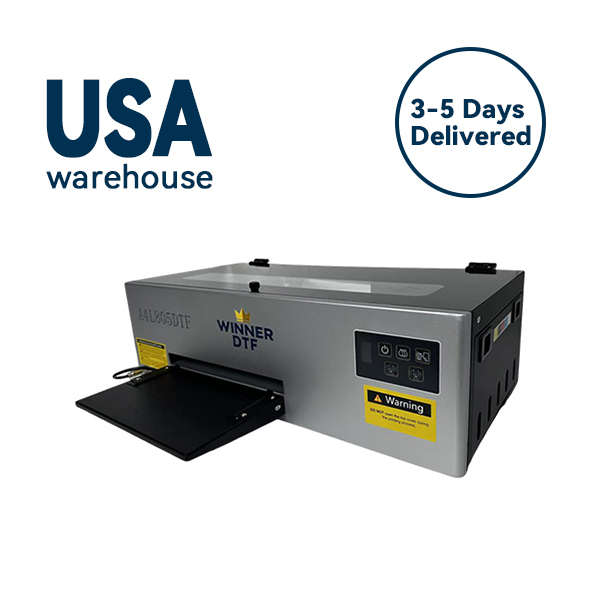
Equipment Investment: Entry-levelDTF printing kits (including powder shaker and heat press) cost approximately 15,000-30,000 RMB (≈2,100-4,200 USD), only 1/5 of DTG printers (80,000-150,000 RMB ≈11,200-21,000 USD); roll-to-roll mass production DTF equipment offers higher cost-effectiveness, suitable for businesses with daily DTF printing of over 8 hours;
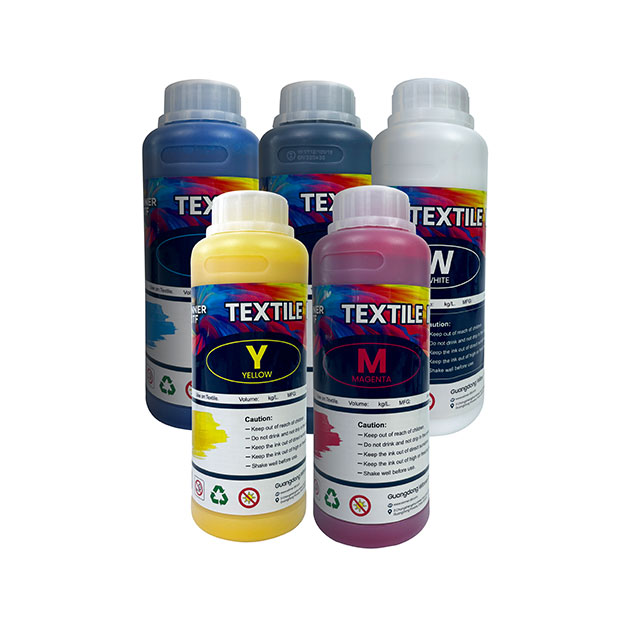
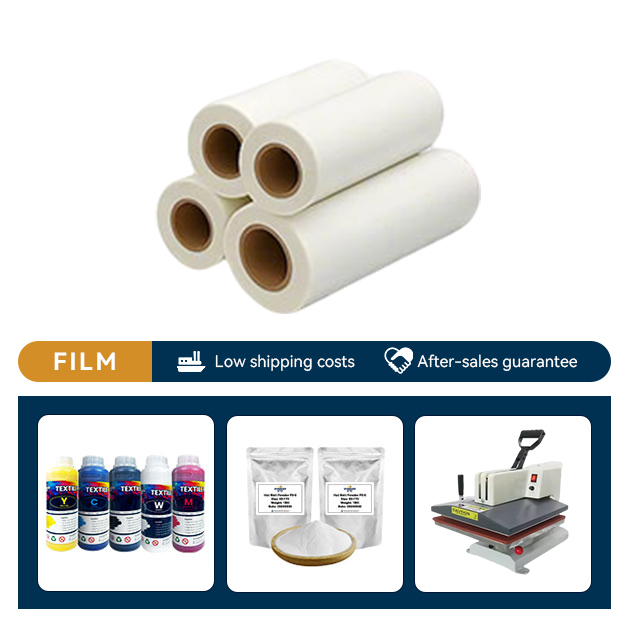
Consumable Costs: A 900ml bottle of water-based DTF ink is priced as low as 39.99 USD, with white ink accounting for only 40% (compared to 200% for DTG). Combined with 23.6″×325′ PET film (119.99 USD/roll), the per-unit consumable cost for DTF printing is 22%-28% lower than DTG;
Maintenance Costs: Epson XP600 print heads for DTF printers cost 2,000 RMB (≈280 USD) per unit, with annual maintenance costs around 4,000 RMB (≈560 USD) – 71% lower than I3200 heads (14,000 RMB ≈1,960 USD/year), making them the top choice for small-batch DTF printing businesses.
2. Efficiency Advantage: Fast Response for Small Orders, Zero Inventory Pressure
Production Speed: Printing + powder shaking + curing for a single A4 pattern via DTF printing takes only 3 minutes, 40 times more efficient than screen printing plate making (2-4 hours); the Bobcat 24″ dual-head DTF printer achieves a daily output of 500 units, meeting the “48-hour shipping” requirement of e-commerce platforms;
Flexible Adaptation:DTF printing supports printing from 1 unit, with no additional charges for multi-color patterns, solving the pain point of traditional processes (“small orders rejected, large orders overstocked”). After switching to DTF printing, Trend Tees increased small-batch (10-30 units) order volume by 60%, and reduced inventory turnover days from 35 to 12.
Material Compatibility: DTF printing can print on cotton, linen, chemical fiber, leather, canvas, and even glass and metal surfaces (with special adhesive powder), covering 3 times more materials than DTG (only suitable for cotton);
Pattern Performance: 300dpi high-precision DTF printing supports gradients, hollow designs, and fine lines. The white ink for DTF printing has strong covering power (no see-through on dark fabrics), with no fading or cracking after 20 washes;
Popular Designs: Full-color logos, personalized names/numbers, and event-themed patterns (e.g., concerts, team building) are the top 3 order types for DTF printing, accounting for over 70% of total orders, with a profit margin of 300%-500%.
III. 2025 Hot Application Scenarios of DTF Printing: With Real Profit Cases
1. Apparel Customization: Core Strategy for Small Businesses to Earn 200,000 RMB/Year
Case Study: Fit Gear, a sportswear store, uses DTF printing for custom team jerseys, priced at 89-129 RMB (≈12.5-18 USD) per unit (cost: 25-35 RMB ≈3.5-4.9 USD), with monthly sales of 300+ units and a gross profit margin of 65%. By offering “team group purchase + personalized number” combination packages, the average order value (AOV) increased from 99 RMB to 159 RMB (≈13.9-22.3 USD);
Practical Tips: Focus on niche markets (e.g., campus clubs, fitness studios, corporate team building), provide “logo design + free DTF printing sampling” services, and use AI tools (e.g., Midjourney) to generate trendy patterns (e.g., cyberpunk, Y2K styles) to enhance product appeal for DTF printing orders.
2. Home Decoration: Explosive Growth of High-Margin New Category
Case Study: Homestyle Prints uses DTF printing for custom pillows and wall coverings, priced at 129-199 RMB (≈18-27.9 USD) per unit (cost: 30-45 RMB ≈4.2-6.3 USD), sold to Europe and America via Amazon and independent websites. Eco-friendly water-based DTF inks + biodegradable PET film comply with local “sustainable consumption” trends, achieving a repeat purchase rate of 28%;
Product Selection Suggestions: Prioritize small-sized home goods (pillows, tablecloths, tapestries) for low logistics costs; integrate regional cultural elements (e.g., Scandinavian minimalism, Chinese ink wash) into designs for differentiated competition in DTF printing home decor.
3. Gift Customization: Explosive Tool for Holiday Marketing
Case Study: Gifty Creations uses DTF printing for personalized pet scarves and zodiac-themed tote bags. During holiday seasons (e.g., Christmas, Spring Festival), it launches “customization + gift box” packages with an AOV of 299 RMB (≈41.9 USD), monthly sales exceeding 500 units, and net profit over 80,000 RMB (≈11,200 USD);
Traffic Tips: Publish “1-minute DTF printing customization process” short videos on Xiaohongshu and Douyin, embed keywords like “DTF printing gift recommendations” and “niche DTF printing gifts”, and divert traffic to private domains for conversion.
IV. DTF Printing Practical Guide: From Equipment Selection to Troubleshooting
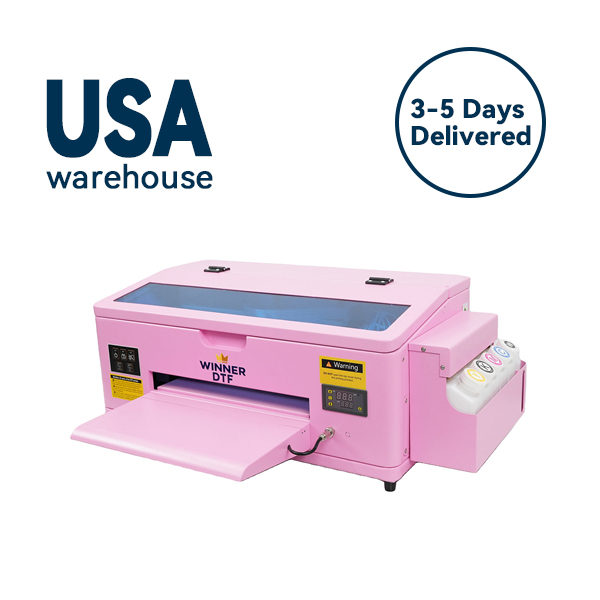
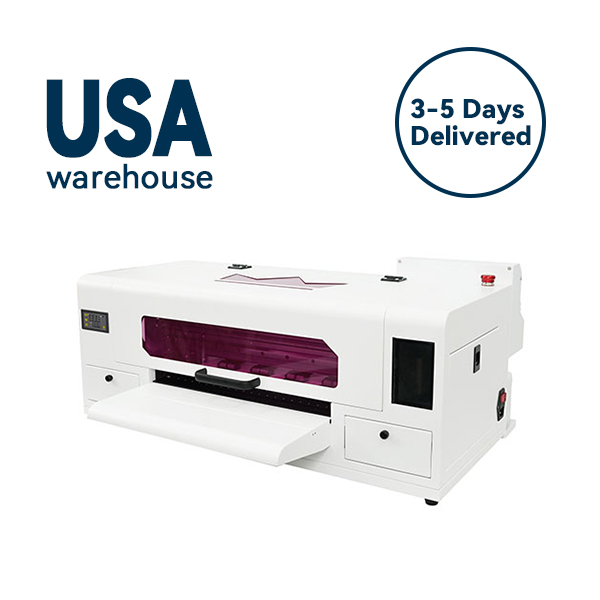
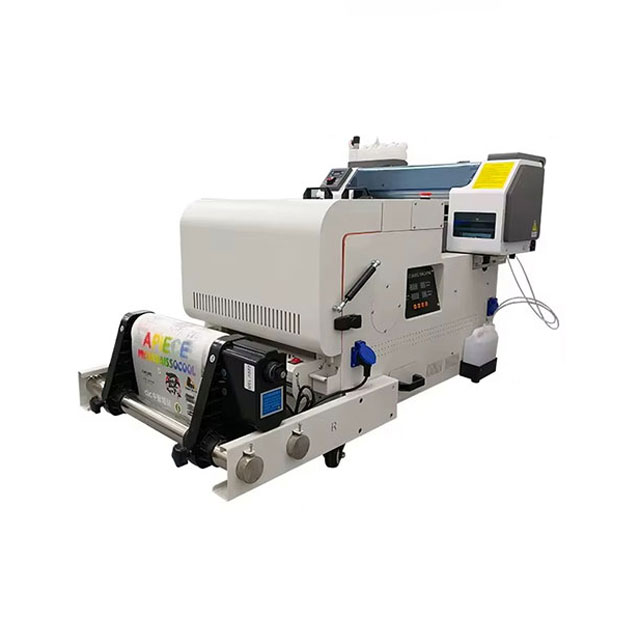
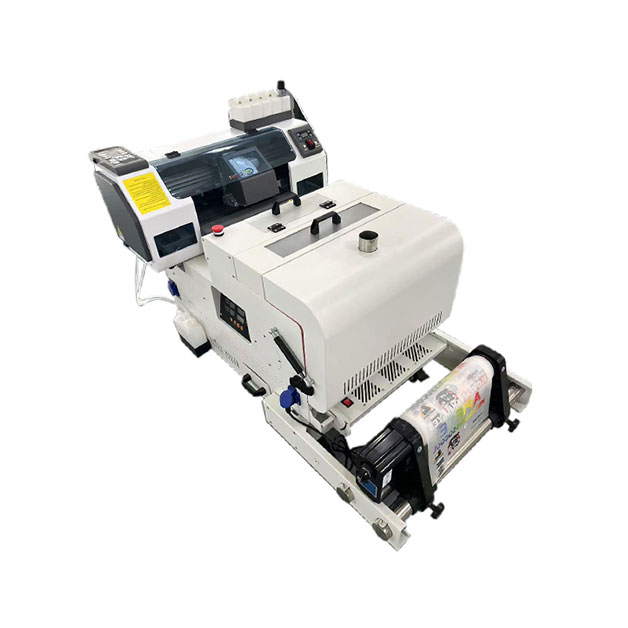
1. DTF Printing Equipment Selection: Precise Matching by Production Capacity (2025 Latest Recommendations)
Printing Stage: Resolution 300dpi, color mode CMYK, white ink underbase thickness 120% (for dark fabrics), DTF printing speed 30cm/s (to avoid ghosting);
Curing Stage: Temperature 140-150℃, time 3-5 minutes, adhesive powder coverage 80% (excess causes cracking, insufficient leads to poor adhesion for DTF printing);
Transfer Stage: Cotton: 150-160℃ for 10-15 seconds; Chemical fiber: 130-140℃ for 8-10 seconds; Pressure: 3-4kg; Hot peel (cold peel causes adhesive residue in DTF printing).
3. Common DTF Printing Problems & Solutions (Authoritatively Tested Effective)
Problem Phenomenon
Core Cause
Solution
Ink Smudging in DTF Printing
Insufficient drying/Excess ink
Reduce DTF printing speed, increase curing temperature by 10℃, clean excess ink from DTF printer head
Poor Pattern Adhesion in DTF Printing
Wrong adhesive powder/Insufficient transfer temperature
Choose material-specific adhesive powder (low-temperature for cotton, high-temperature for chemical fiber), extend transfer time by 2 seconds for DTF printing
Color Inconsistency in DTF Printing
Clogged print head/Color calibration failure
Clean DTF printer head with Crimson Clog Crusher, calibrate color management system weekly for DTF printing
Film Wrinkling in DTF Printing
Uneven tension/Low-quality film
Adjust DTF printer paper feed tension, use double-sided matte PET film (increases friction) for DTF printing
V. 2025 DTF Printing Trends: Seize the Next Profit Opportunity
Eco-Friendly Transformation: Water-based DTF inks and biodegradable PET film will become standard for DTF printing. Cross-border businesses need to layout in advance (the EU has issued new regulations on environmentally friendly DTF printing materials);
AI + Automation: AI design tools (e.g., Midjourney) for trend pattern generation, and popularization of automatic color calibration and fault early warning functions will lower DTF printing technical thresholds;
Niche Market Boom: Pet products, outdoor gear, and cultural and creative products will become new growth drivers for DTF printing. The combination of customization + functionality (e.g., sun protection, antibacterial) offers higher premium space for DTF printing products;
Domestic Consumables Rise: Domestic DTF inks are 30% cheaper than imports (e.g., Ink Bank 5600 series: 30-35 USD/kg), highlighting cost-effectiveness advantages for DTF printing businesses.
Conclusion
The core value of DTF printinglies in “achieving high customization at a low threshold”. Whether for individual entrepreneurship or the upgrading of traditional printing shops, DTF printing enables quick entry into the small-batch customization market. In 2025, mastering three key skills – eco-friendly DTF printing material selection, AI design tools for DTF printing, and niche market operation for DTF printingproducts – will help you seize a share of the 7.2-billion-time DTF printing market. It is recommended to start with high-margin small categories (e.g., pet scarves, team building T-shirts) using DTF printing, accumulate customers through “free DTF printing sampling + fast delivery”, and gradually expand DTF printing production capacity – this is the core logic behind brands like Trend Tees and Gifty Creations earning millions annually via DTF printing.
Subscribe
To join our mailing list and never miss our updates !