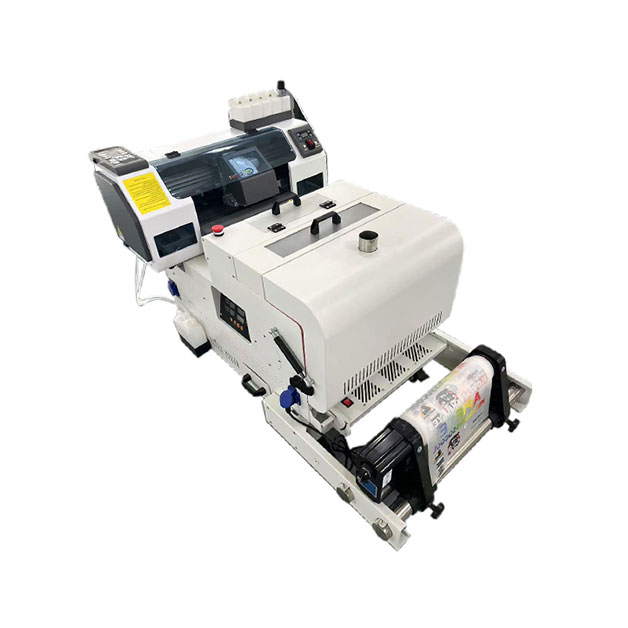
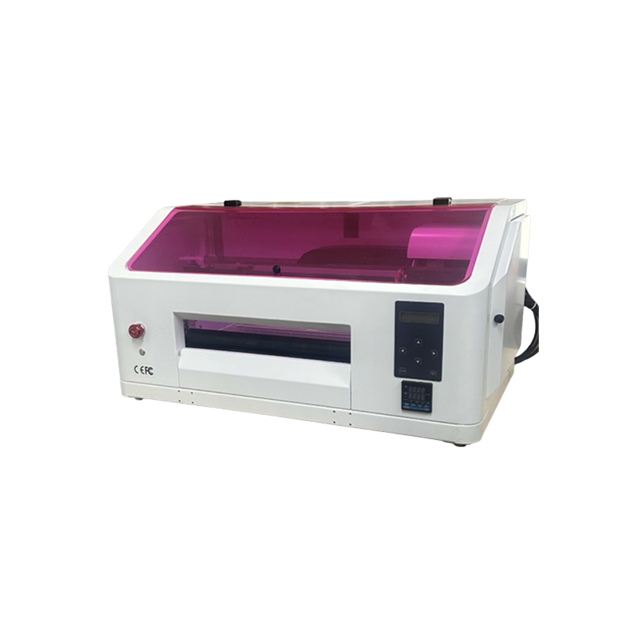
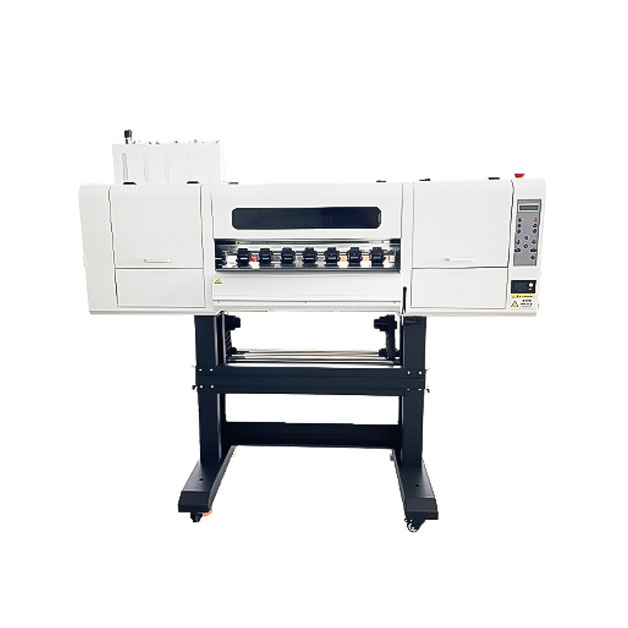
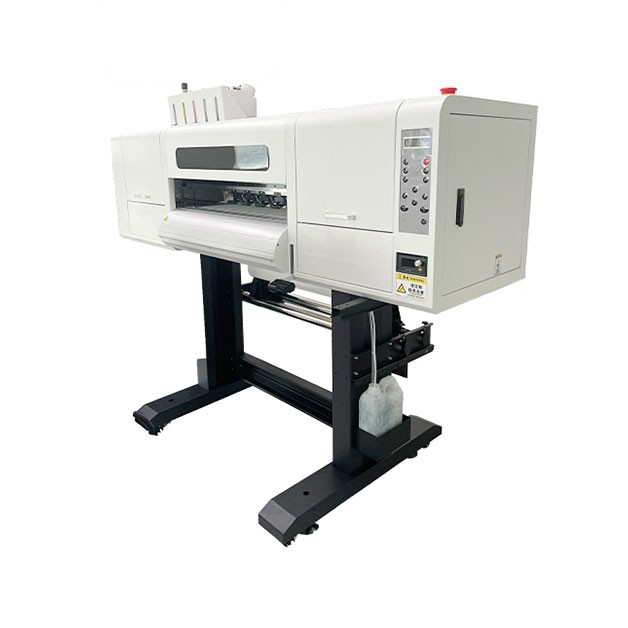
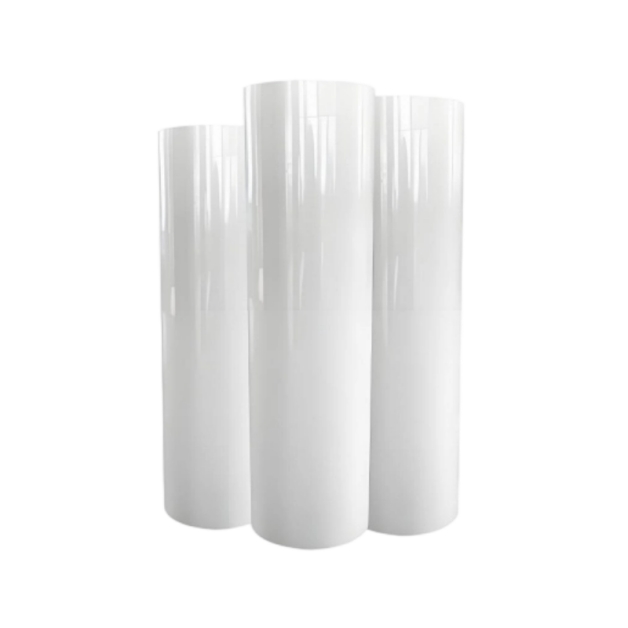
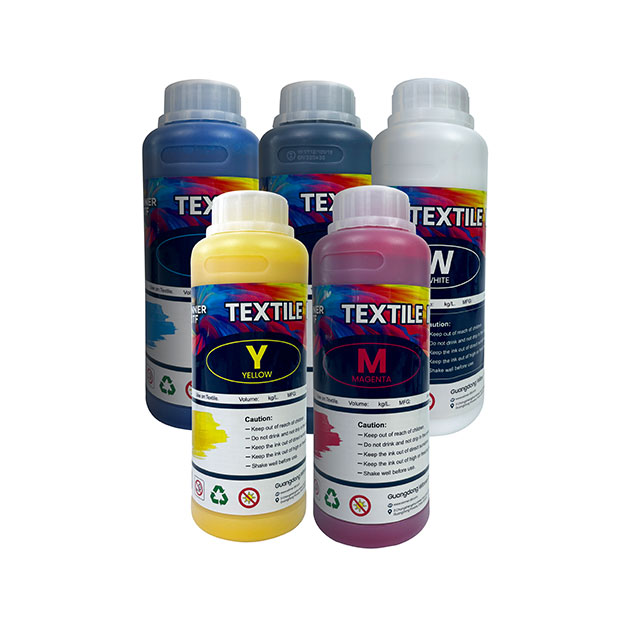
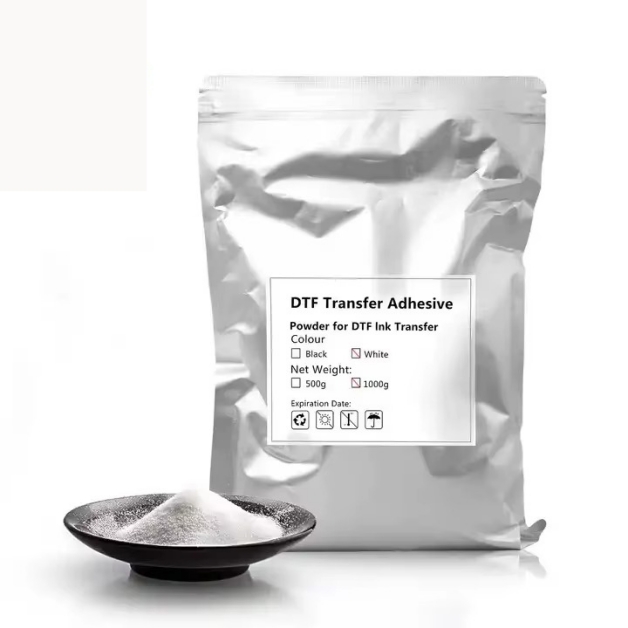

Direct-to-Film (DTF) printing is a revolutionary textile printing technology that uses specialized printers to apply ink directly onto a PET film. The process involves four key steps: printing the design onto the film, applying a hot-melt adhesive powder, curing the adhesive, and heat-pressing the film onto the fabric. Unlike traditional screen printing, DTF requires no pre-treatment of the fabric, making it suitable for a wide range of materials including cotton, polyester, and blends.
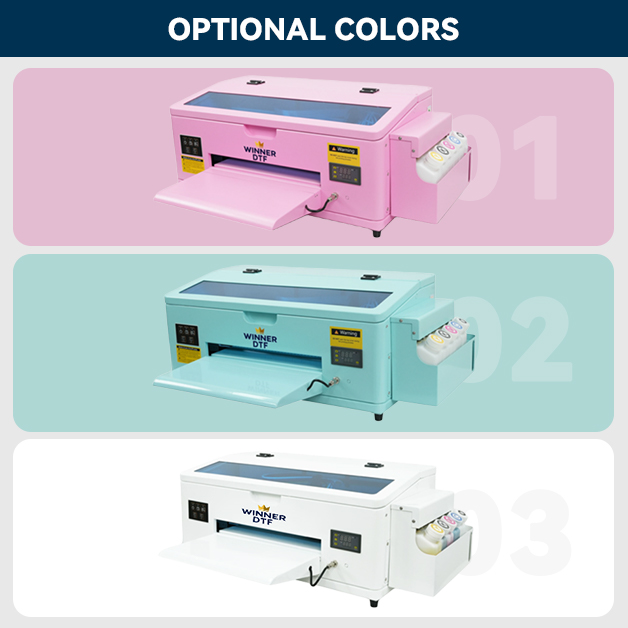
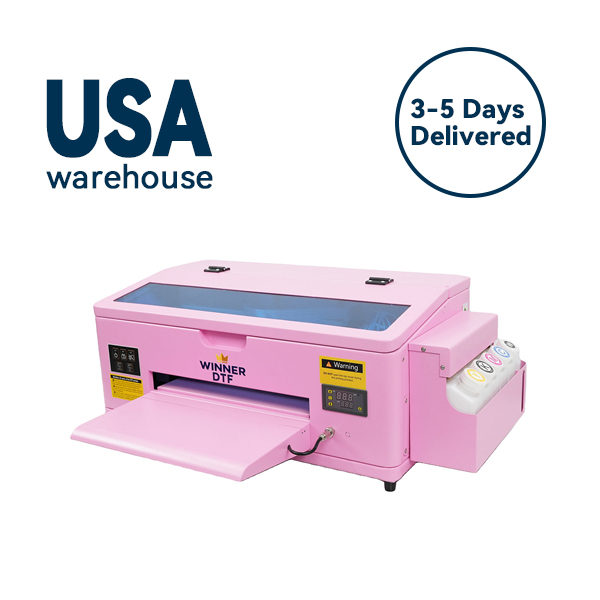
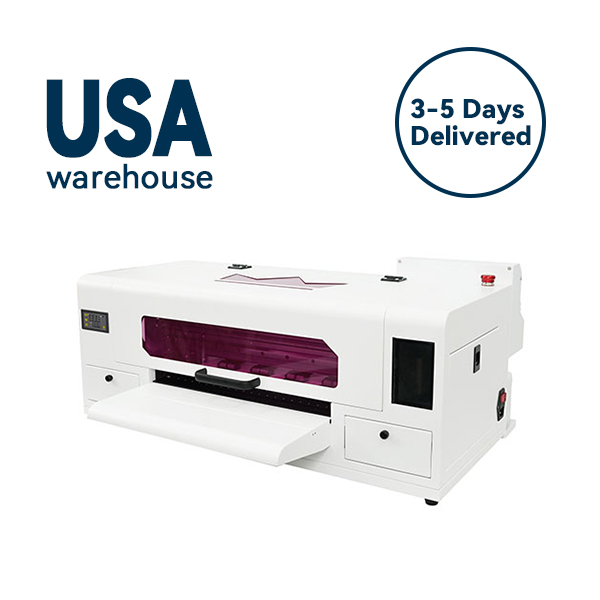
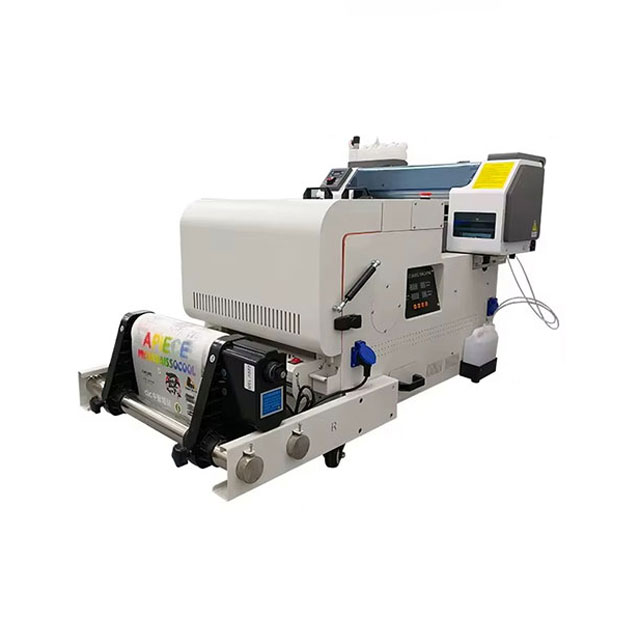
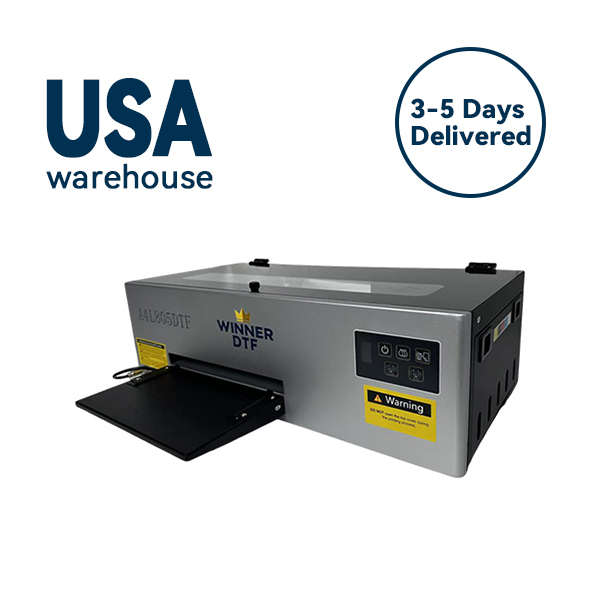
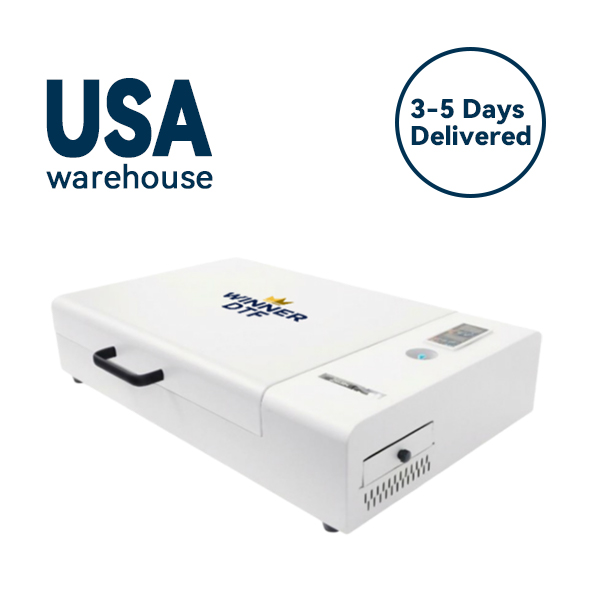
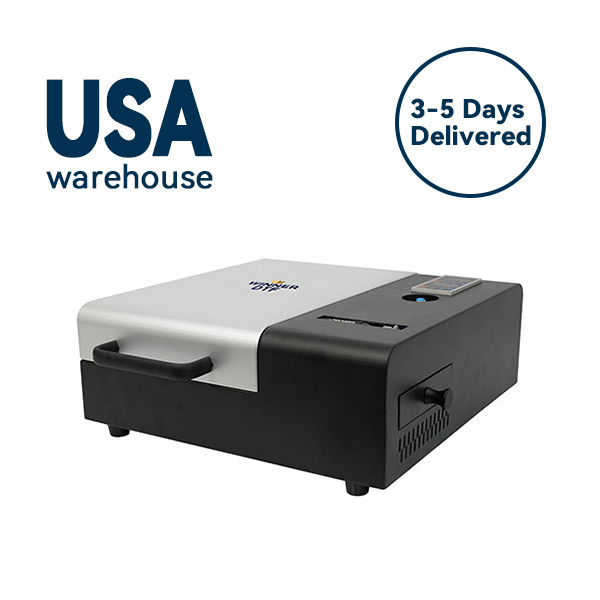
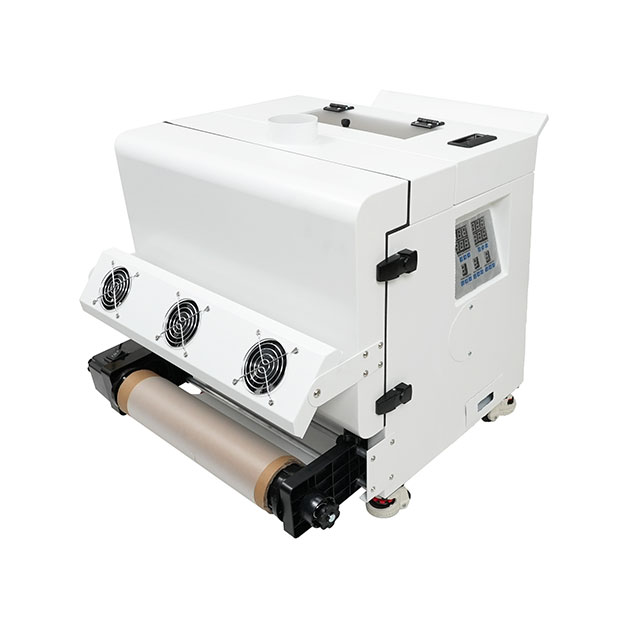
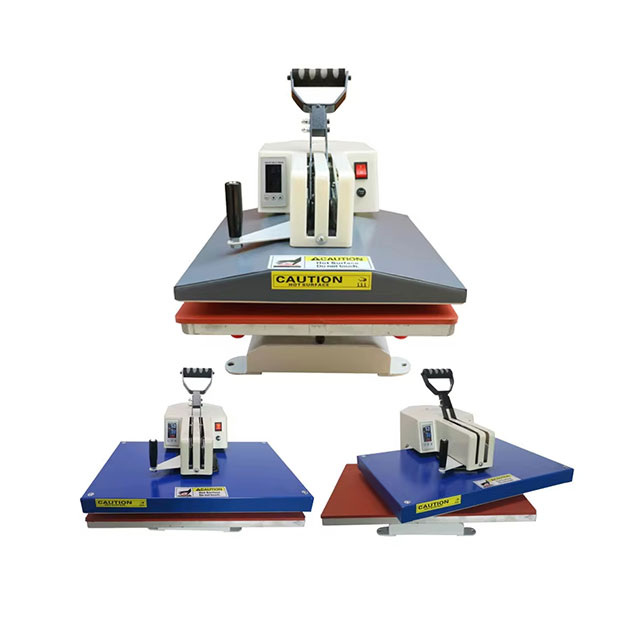
A typical DTF printer setup includes several essential components: a specialized inkjet printer (often modified Epson models), DTF inks (CMYK + white), PET film rolls, adhesive powder, a powder shaker, a curing oven, and a heat press. High-end DTF printers may also feature automatic powder shaking and curing systems to improve efficiency and consistency.
DTF printers excel at printing on a variety of materials, from cotton and polyester to leather and nylon. This versatility makes them ideal for businesses looking to expand their product offerings without investing in multiple printing technologies.
Unlike screen printing, which requires expensive setup costs for each design, DTF printing allows for cost-effective small batch production. This is particularly beneficial for custom apparel businesses, promotional product companies, and hobbyists who need to produce limited quantities of unique designs.
When selecting a DTF printer, it’s important to consider factors such as print speed, resolution, ink compatibility, and ease of use. High-volume businesses may prioritize faster print speeds, while those focusing on fine details will need a printer with high resolution (at least 1200 dpi).
Some of the leading DTF printer models include the Epson L1800 DTF Mod, Roland VersaArt RS-640, and Mutoh ValueJet 1638UH. Each model offers unique features tailored to different business needs, from entry-level options for small businesses to industrial-grade printers for large-scale production.
Setting up a DTF printer involves several steps: unboxing and assembling the printer, installing the ink system, calibrating the print heads, and testing the first print. It’s crucial to follow the manufacturer’s instructions carefully to ensure optimal performance and avoid common issues like ink clogs or misalignment.
Common setup issues include ink not flowing properly, print head misalignment, and adhesive powder not sticking correctly. These issues can often be resolved by cleaning the print heads, adjusting the printer settings, or using high-quality DTF inks and adhesive powder.
To achieve the best results with DTF printing, it’s important to prepare your designs correctly. This includes using high-resolution images (at least 300 dpi), converting colors to CMYK, and adding a white underbase for dark fabrics. Design software like Adobe Photoshop or Illustrator can help optimize your designs for DTF printing.
Vibrant colors and sharp details are key to high-quality DTF prints. To achieve this, use high-quality DTF inks, adjust the printer’s color profile to match your fabric type, and ensure the adhesive powder is evenly applied. It’s also important to use the correct heat press temperature and pressure for the fabric you’re printing on.
Proper maintenance is essential to keep your DTF printer running smoothly. This includes daily cleaning of the print heads, weekly lubrication of moving parts, and monthly inspection of the ink system. Following a regular maintenance schedule can extend the life of your printer and prevent costly repairs.
To extend the lifespan of your DTF printer, avoid using low-quality inks and materials, keep the printer in a clean and dust-free environment, and follow the manufacturer’s recommended maintenance procedures. It’s also a good idea to invest in a warranty or service plan to cover unexpected repairs.
DTF printing offers several advantages over screen printing, including lower setup costs, faster turnaround times, and the ability to print complex designs with multiple colors. However, screen printing may be more cost-effective for large batch production of simple designs.
Direct-to-Garment (DTG) printing is another popular textile printing technology. While DTG is ideal for printing on light-colored cotton fabrics, DTF offers greater versatility across materials and better color vibrancy on dark fabrics. DTF also requires less pre-treatment of the fabric compared to DTG.
The future of DTF printing lies in the development of new ink technologies, including eco-friendly water-based inks and faster-drying formulas. These innovations will not only improve the quality of DTF prints but also make the process more sustainable and efficient.
Artificial Intelligence (AI) is poised to revolutionize DTF printing by automating design optimization, color correction, and maintenance scheduling. AI-powered software can analyze designs to ensure they’re optimized for DTF printing, adjust color profiles in real-time, and even predict when maintenance is needed to prevent downtime.
A small custom apparel shop in California increased its revenue by 40% after switching to DTF printing. By offering high-quality custom designs with fast turnaround times, the shop was able to attract new customers and expand its product offerings to include hats, bags, and accessories.
A large-scale promotional product company in Texas uses DTF printers to produce custom t-shirts, hoodies, and tote bags for corporate clients. The company reports that DTF printing has reduced its production costs by 25% and improved customer satisfaction due to the high quality and durability of the prints.
DTF printing is a versatile, cost-effective, and high-quality textile printing technology that’s suitable for businesses of all sizes. Whether you’re a small custom apparel shop or a large-scale promotional product company, a DTF printer can help you expand your product offerings, reduce costs, and improve customer satisfaction. By following the tips and best practices outlined in this guide, you can maximize the benefits of DTF printing and achieve success in your business.
Before purchasing a DTF printer, it’s important to assess your business needs, budget, and production volume. Consider factors like print speed, resolution, and ease of use, and don’t forget to factor in the cost of inks, materials, and maintenance. By doing your research and choosing the right DTF printer for your business, you can unlock new opportunities and stay ahead of the competition in the ever-evolving textile printing industry.