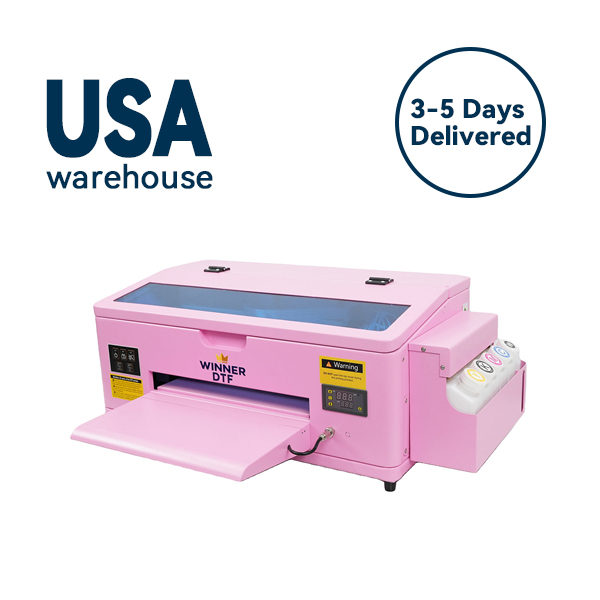
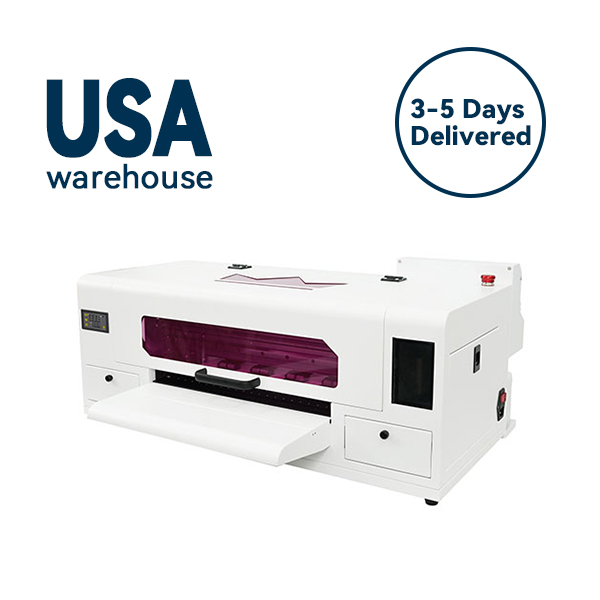
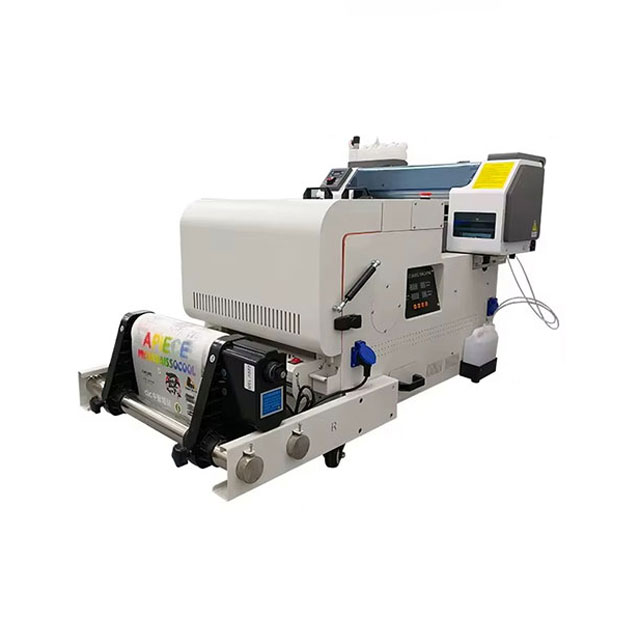
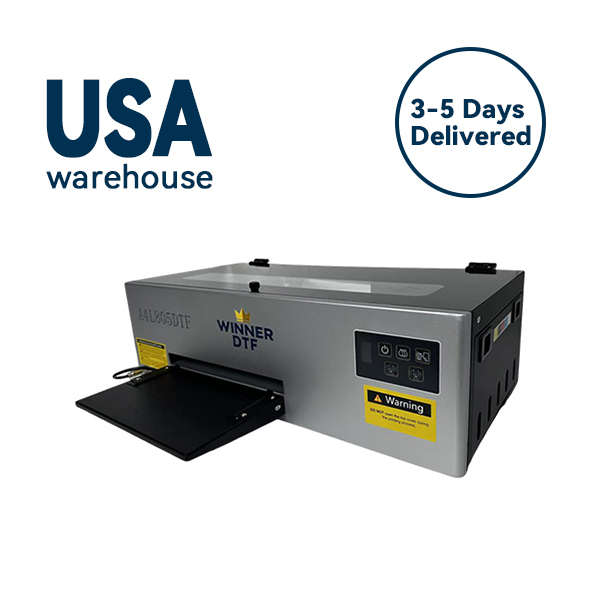
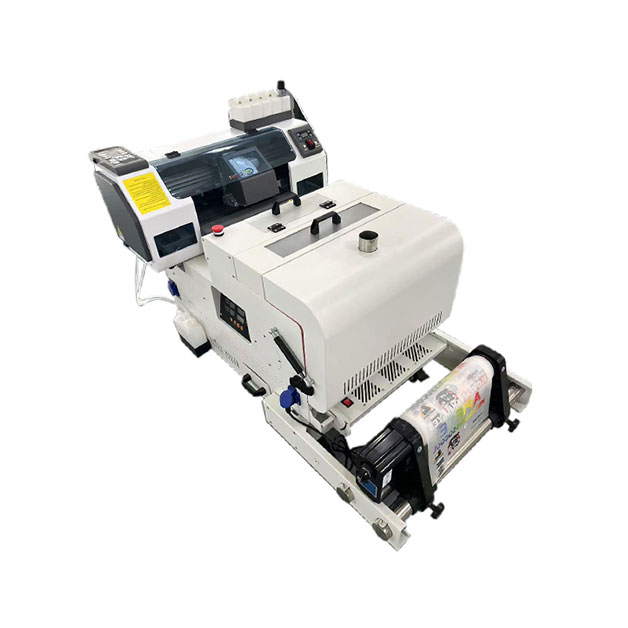
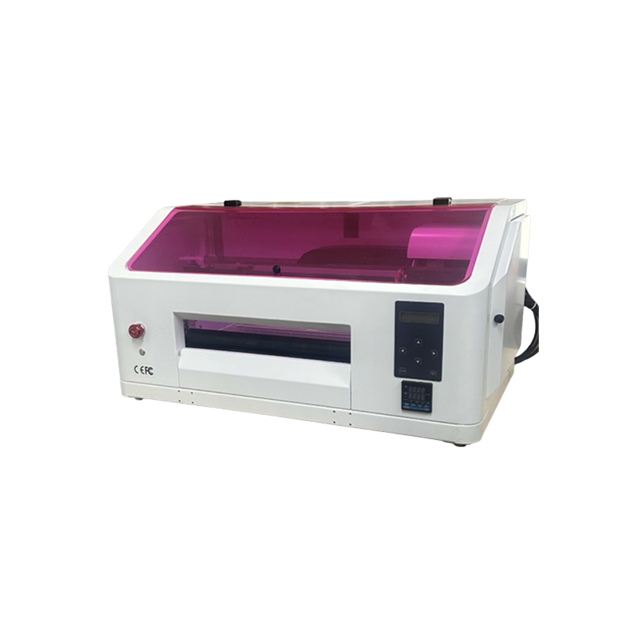
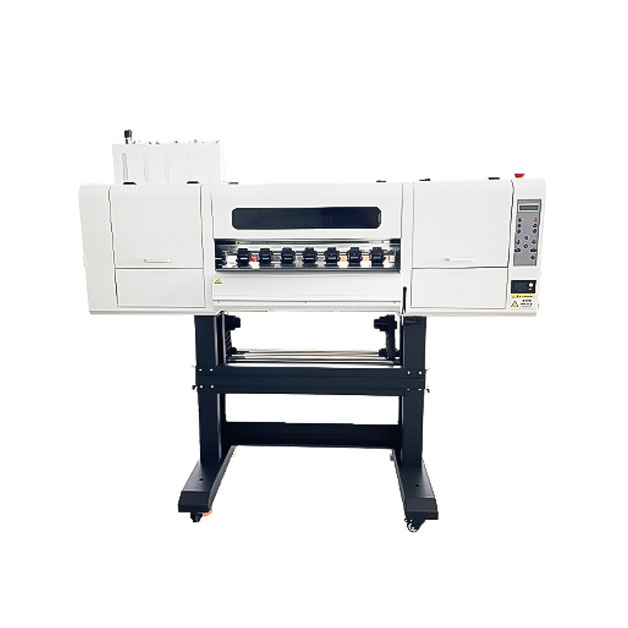
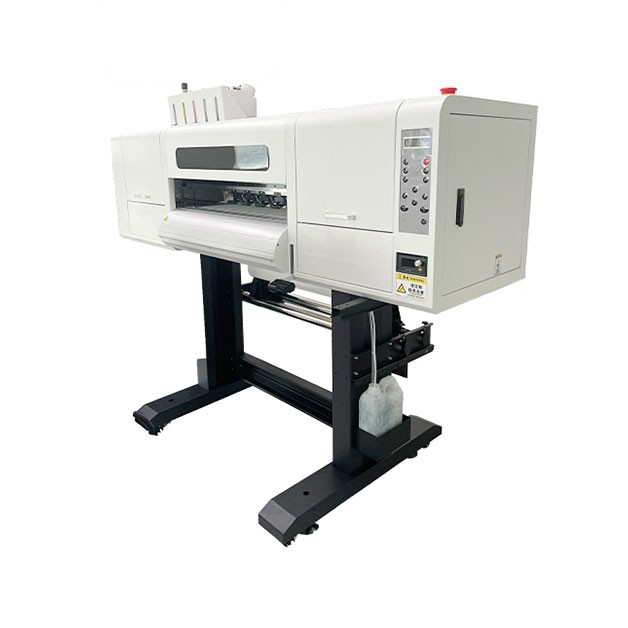

In today’s era of booming personalized consumption, if you walk into any trendy studio or T-shirt customization shop, chances are you’ll see a new piece of equipment humming away – the DTF printer. This technology, fully named “Direct to Film,” is rapidly replacing traditional screen printing and complex DTG (Direct to Garment) printing.
According to reports from FESPA, the global DTF printing market was valued at approximately $2.56 billion in 2023 and is projected to reach $4.57 billion by 2033. Some data even suggests that over half of the world’s T-shirt printing currently utilizes DTF technology.
Why has it become so popular? Because it has turned “single-piece orders” into a truly profitable business. This article will delve into the technical core of DTF printers, purchasing pitfalls, software intelligence, and practical business strategies, helping you determine whether this is just a passing trend or a key to unlocking a new market.
When many people first encounter DTF, they are intimidated by its seemingly complicated steps: printing, shaking powder, drying, and pressing. However, it is precisely this process that has completely liberated the choice of fabric.
The greatest magic of DTF lies in its wide adaptability. Traditional heat transfer often performs poorly on 100% cotton, and while DTG can print on cotton, it requires pre-treatment for dark-colored garments and struggles with polyester, nylon, or coated fabrics.
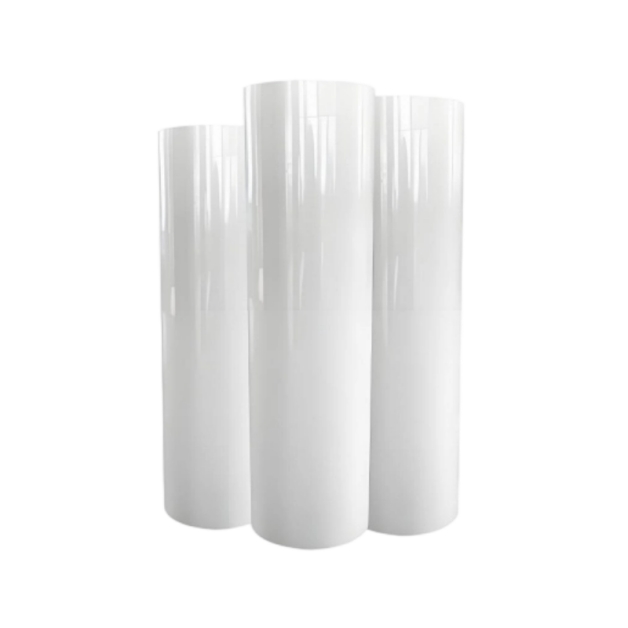
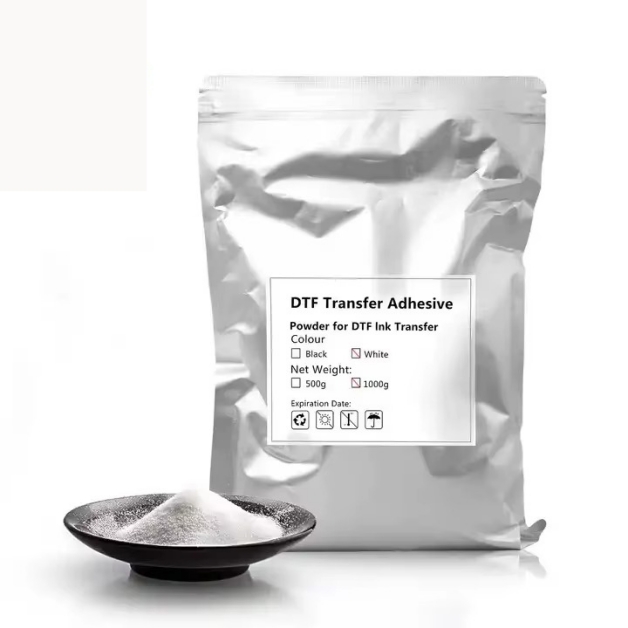
DTF printers work by first imaging onto a PET film, then using hot melt powder as an adhesive to firmly lock the design onto the fibers. Whether a customer brings in a heavy-weight 100% cotton T-shirt or a slippery polyester sports vest, DTF handles it with ease. This “all-in-one” characteristic makes it the ultimate weapon for businesses specializing in small-batch, diverse custom orders.
If you watch a DTF printer closely, you’ll notice it has a mysterious “extra channel” that ordinary printers lack – white ink. This is the soul of DTF technology.
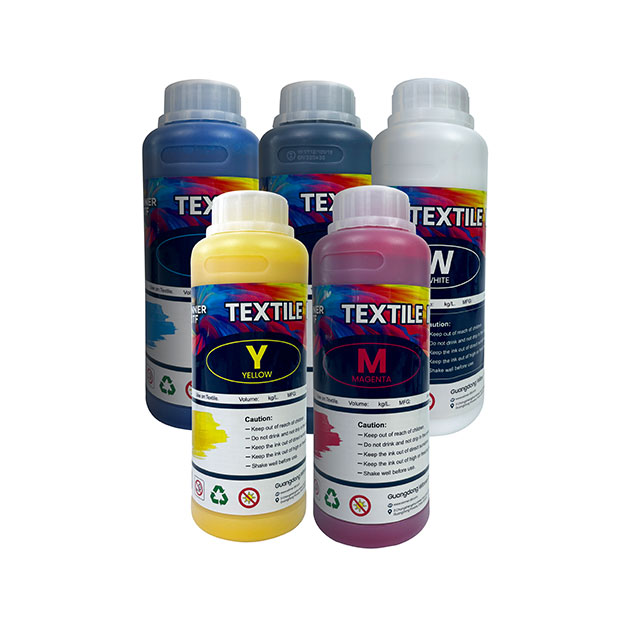
When printing onto the transparent film, the machine first precisely jets a layer of white ink as an underbase, then overlays the CMYK color inks. This white layer acts like priming a dark wall with white paint, ensuring the colored design remains vibrant and eye-catching on black, red, or even camouflage fabrics, preventing the fabric’s own color from “eating” the design. The ability to perfectly control the thickness and edge alignment of the white ink is a critical indicator of a high-quality DTF printer.
Browsing Alibaba or industry trade shows reveals a dizzying array of DTF printers. From “entry-level” machines costing a few thousand dollars to “industrial” ones priced in the tens of thousands, the specifications might look similar, but why such a huge price difference? The real secrets lie in the details you can’t see.
The titanium dioxide particles in white ink are heavier than those in color inks. Think of it like sand mixed with water – it will inevitably settle over time. If the ink settles, the printed colors become weak and thin, and worse, it can clog the printheads, potentially ruining the machine.
A truly good DTF printer must be equipped with an active white ink circulation system. This system continuously agitates the ink path, even while idle or between prints, keeping the pigment particles suspended. The reason many low-cost, retrofitted, second-hand DTF machines are unstable is precisely their lack of an effective circulation system. When purchasing, be sure to confirm whether it uses “magnetic stirring” or the more advanced “tubing circulation.” The latter prevents settling more effectively, significantly reducing the risk of printhead clogs.
Common DTF printheads on the market include Epson’s XP600, I3200 (4720 series), as well as industrial-grade heads from Ricoh, Kyocera, and Spectra.
For beginners, the Epson I3200 (4720) printhead currently offers excellent value. It provides a good balance of speed and precision, and its widespread use means repairs and parts are readily available and affordable. However, remember that printheads are incredibly精密 (precise) components highly sensitive to their operating environment. If budget is extremely tight, entry-level machines using XP600 heads might suffice for initial experimentation, but compromises in production efficiency and longevity should be expected.
A Tip: When inquiring, don’t just ask about the printhead model. Also ask about the “idle mist” and “capping” logic. Good firmware automatically parks the printhead over the capping station when not printing and prevents ink from drying at the nozzle orifice through high-speed idle misting during prints.
“Why did it work perfectly yesterday, but today it’s constantly missing nozzles?” This is a common question from DTF beginners. Often, the problem lies with humidity.
DTF printing is extremely demanding on the working environment. Humidity below 40% leads to static electricity, causing ink to spit, spatter, or produce rough, fuzzy edges on prints. Humidity above 60% causes the PET film to absorb moisture, leading to poor ink adhesion and potential delamination during transfer.
A dedicated workspace equipped with industrial-grade humidifiers and dehumidifiers often determines your print quality more than the machine itself. Aim for a stable temperature between 20°C and 30°C (68°F – 86°F) and humidity maintained between 45% and 55%.
Hardware dictates what you can print, but software dictates how well and how cost-effectively you print. Today’s DTF competition has shifted from hardware to “software power.”
Stop using Windows’ built-in photo printing feature for DTF! Professional RIP (Raster Image Processor) software is the true core of DTF.
Specialized software like Wasatch, Ergosoft, or PrintFactory handles incredibly complex tasks automatically. They intelligently identify white areas in designs, automatically generate the perfect white ink channel, and calculate optimal ink volumes to prevent ink buildup that leads to stiff, unpleasant hand-feel. A good RIP suite can even reduce your waste rate by 30%-40% through sophisticated algorithms.
Imagine a client sends an extremely complex gradient logo and asks you to print it on fluorescent green fabric. Without robust color management (using ICC profiles), the result will inevitably be disappointing.
Modern DTF software incorporates (sophisticated) color engines that can simulate the final color appearance against different fabric backgrounds, allowing for pre-emptive color compensation. More cutting-edge is the integration of AI into this domain. Future software might leverage “intelligent image analysis” to automatically (recognize) design elements (e.g., portrait vs. text) and optimize ink volume, adjust feathering parameters, or even perform predictive maintenance, alerting you to replace a failing part before it causes a breakdown.
Theory is helpful, but hands-on experience is essential. Mastering the standard DTF workflow will significantly boost your yield rate.
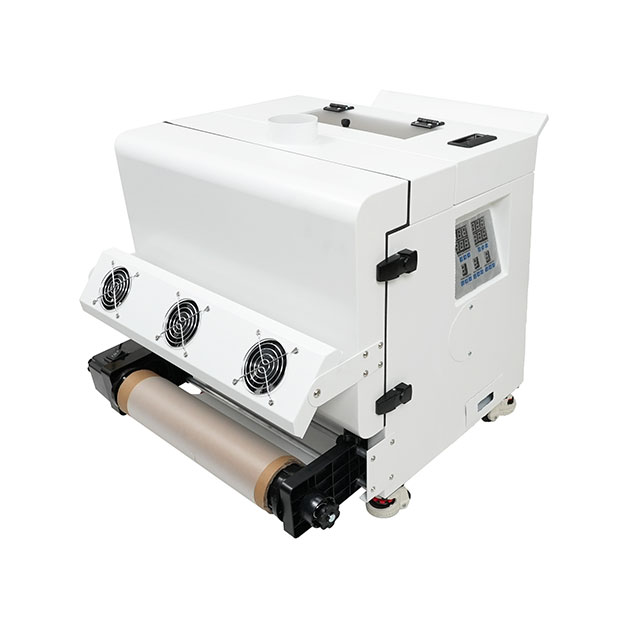
As the design emerges from the DTF printer, it’s still wet. It must immediately enter the shaker machine. The hot melt powder needs to evenly cover the wet ink surface before the film travels through the long drying tunnel.
The core here is temperature control. The tunnel temperature must be high enough (typically 120°C – 160°C / 248°F – 320°F) to ensure the hot melt powder fully melts, becoming transparent and bonding tightly with the ink. Insufficient temperature means the powder merely sits on the surface, leading to peeling immediately after pressing. Many experienced operators gauge correct temperature by observing the glossy sheen of the melted powder.
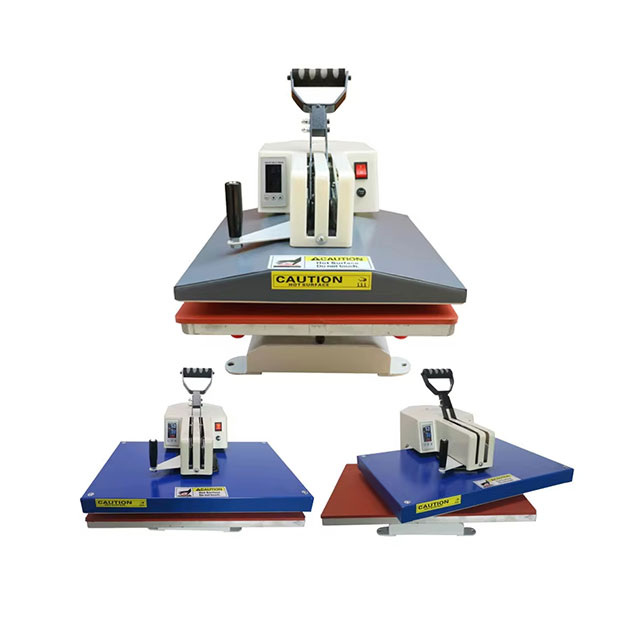
Place the cooled film onto the garment and into the heat press. Pressure, temperature, and time again become the critical trinity.
For cotton T-shirts, a common starting point is around 160°C (320°F) for 12-15 seconds with medium pressure. After pressing, do you peel hot or cold? It depends on the特性 (characteristics) of the specific film and adhesive used. Cold peeling often yields a more matte finish, while warm peeling can result in a glossier look. Regardless, a clean, decisive peel determines whether the edges of your design are sharp or fuzzy.
Equipment, like a spirited horse, can act up sometimes. Before calling for service, remember that some minor issues are easily fixed yourself.
If your test print shows broken lines or “streaking,” 99% of the time, it’s a clogged nozzle.
First, run the printer’s built-in cleaning cycle 1-2 times and let it sit for about 10 minutes, allowing the cleaning fluid to充分 (thoroughly) dissolve any dried ink. If multiple cleanings fail, a manual cleaning might be needed. Use a lint-free wipe soaked in cleaning solution and gently press it against the nozzle plate, using slight negative pressure to draw out the clog. Crucially: Never use paper towels; lint particles can cause worse secondary clogs.
When you notice the white underbase and the color layers misaligned, creating a blurry “3D effect without glasses,” you’re experiencing (classic) misregistration.
This usually requires running the printhead alignment routine within your printer driver or RIP software. It prints a matrix of lines and patterns, and you simply select the numbers corresponding to the straightest, best-aligned sets and input them into the system. For more complex issues like media feed inaccuracy (e.g., the film feeding unevenly), you might need to check the tension of the pinch rollers.
Enough theory; let’s look at a(real-world) story.
In Portland, a designer named Maya ran a combined embroidery and print shop called ThreadHaven. Initially, she bought a cheap, retrofitted, second-hand machine. She ended up spending 22 minutes every morning just dealing with clogged printheads, and her waste rate was discouragingly high. Eventually, she invested in a DTFJet Lite X7. Although it cost $400 more upfront, the automatic nozzle verification saved her 18 minutes daily, and the stable white ink output slashed her waste rate from 11% down to 3.2%.
In just 14 weeks, the cost of the machine was recovered through savings on wasted materials and the revenue from increased, high-quality orders. This case underscores a key point: Buying a DTF printer means purchasing not just hardware, but precious “production time” and “material utilization efficiency.”
The industry never stands still. DTF technology continues to evolve to meet increasingly fierce market competition.
With growing global emphasis on sustainable development, DTF is moving towards more environmentally friendly options. Future inks and films will prioritize biodegradability, reducing microplastic release. Simultaneously, intelligent software enabling precise ink control also minimizes waste at the source.
Future DTF production won’t operate in isolation. Software will connect directly to platforms like Shopify and Etsy. When an order comes in, the RIP software automatically fetches the image, optimizes layout, calculates material costs, and even (allocates) the job to different print queues. Humans will increasingly act as managers rather than operators.
Standalone DTF will likely merge with DTG, laser cutting, and even embroidery. Imagine printing a complex, colorful logo via DTF, laser-cutting precisely around its edges, and then applying it with a heat press. This “hybrid process” will further enhance product value and create anti-counterfeiting features.
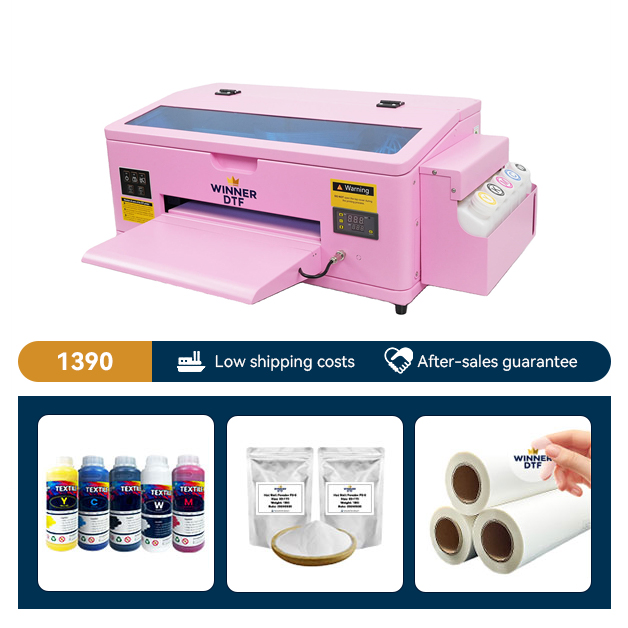
Back to the initial question: Is there still an opportunity to enter the DTF field now?
The answer is yes, but the barriers to entry have changed. A few years ago, simply owning a functioning DTF machine was enough to secure orders. In 2026, however, the competition revolves around (meticulous) operational management – you need to understand color management, equipment maintenance, and (process) combinations.
The DTF printer is no longer just a “machine”; it’s the central hub of your digital printing factory. It enables business models based on zero inventory, single-piece orders, and full-category customization. If you’re planning to venture into creative apparel brands, group custom orders, or fast-response e-commerce, then a carefully chosen DTF printer – one equipped with robust software support and a stable white ink circulation system – remains a trustworthy partner.
The key is to avoid being misled by superficially low prices and instead focus on Total Cost of Ownership (TCO) and long-term reliability. After all, a machine that runs reliably is the one that truly generates profit for you.