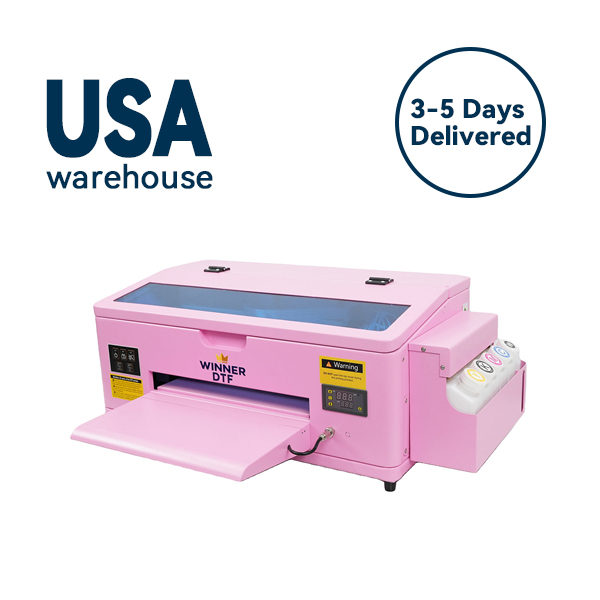
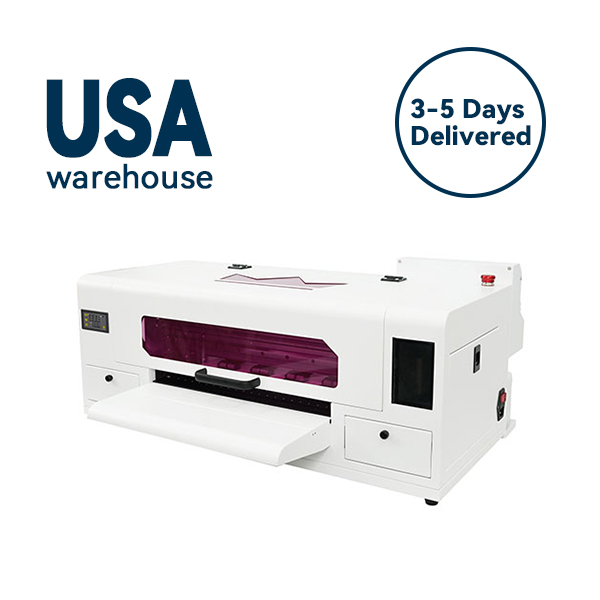
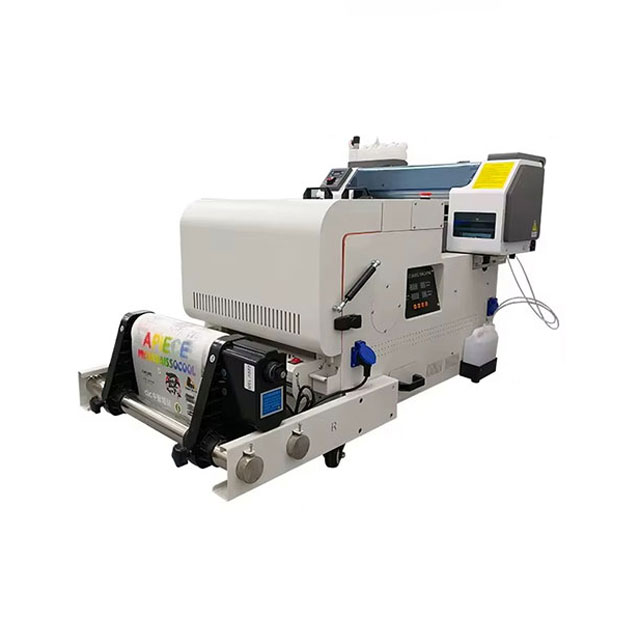
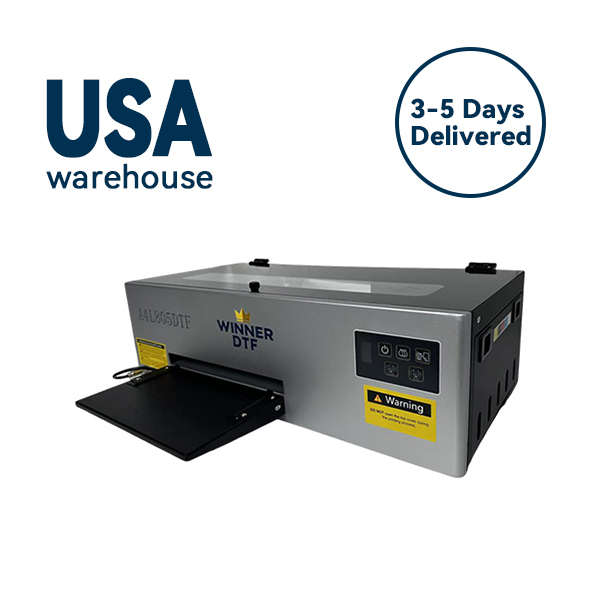
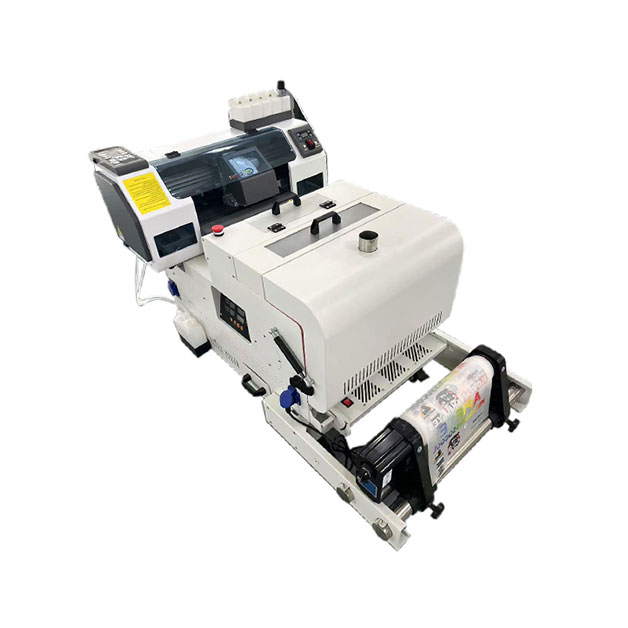
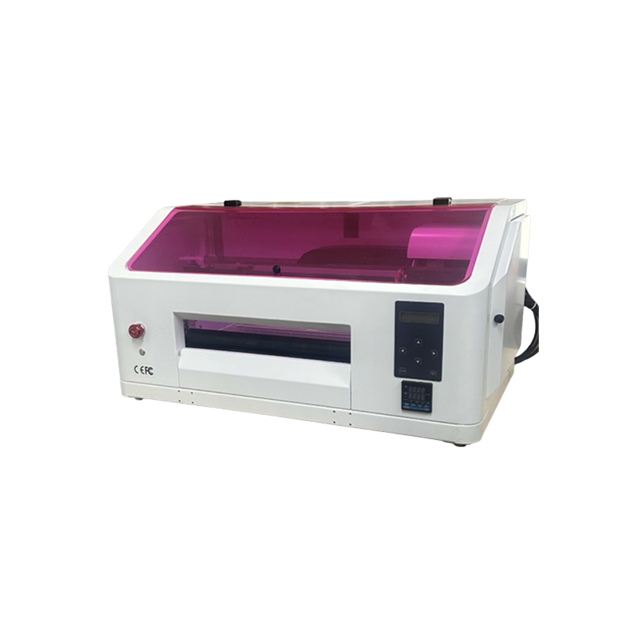
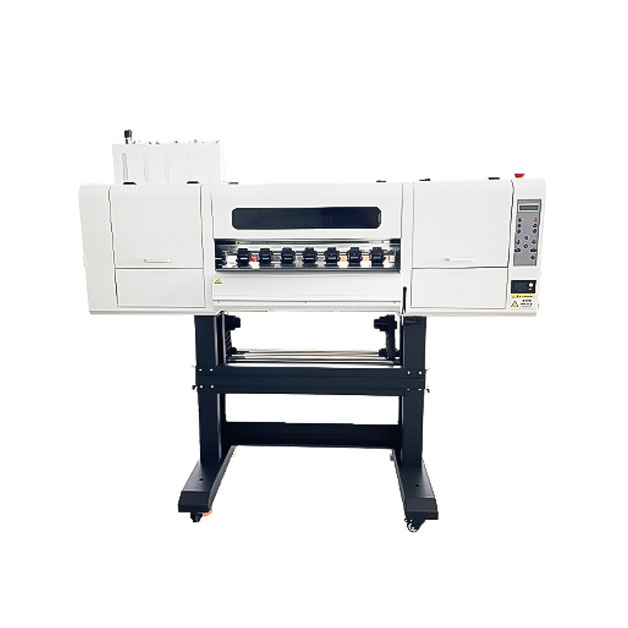
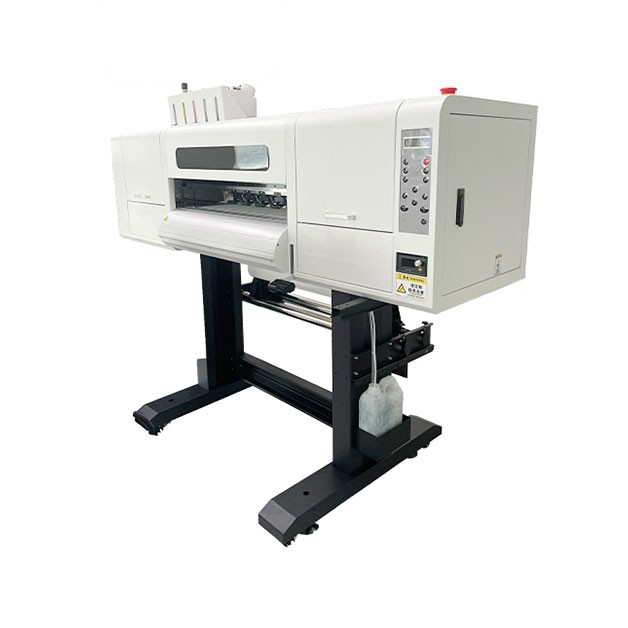
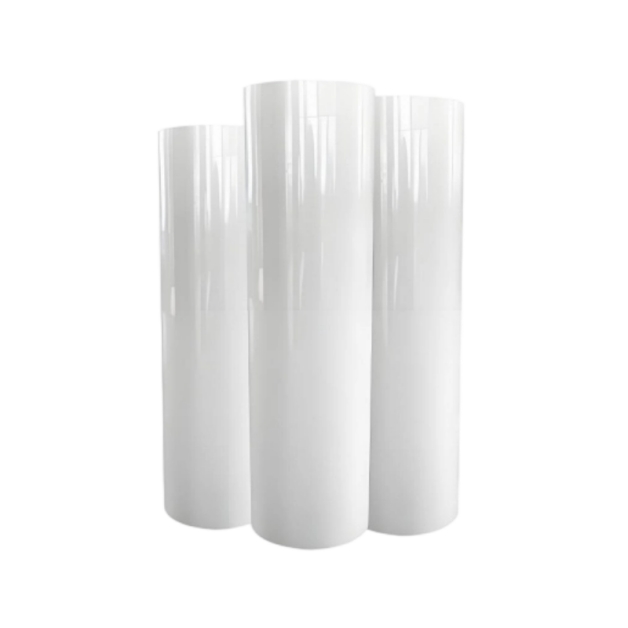
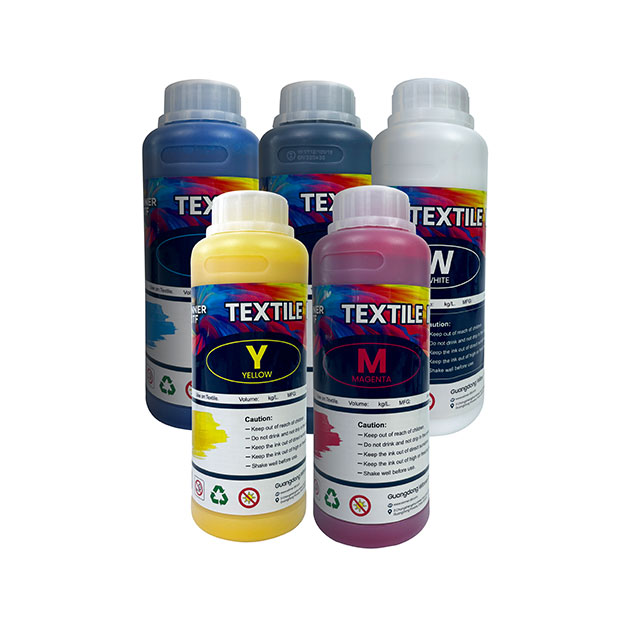
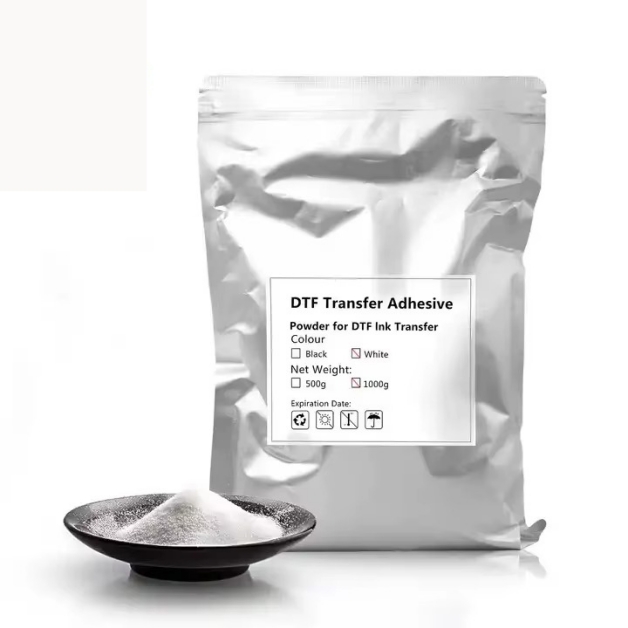

As an independently developed digital inkjet printing technology, China DTF Printing has evolved into a core force in the global digital textile printing industry after five years of rapid growth. From personalized designs for streetwear brands to mass production of sportswear, from customized home textile demands to flexible supply chains for cross-border e-commerce, China DTF Printing has not only reshaped the domestic printing industry chain but also secured a prominent position in the international market, thanks to its core advantages of “low entry barrier, high material adaptability, and green sustainability.” In 2024, the market size of China’s DTF transfer film reached 3.8 billion RMB, and it is projected to climb to 4.3 billion RMB in 2025 with a year-on-year growth of 13.2%—a figure that underscores the robust development momentum of China DTF Printing. This guide will provide practitioners and entrepreneurs with an authoritative, actionable roadmap covering four key dimensions: technological advantages, market structure, policy support, and procurement best practices.
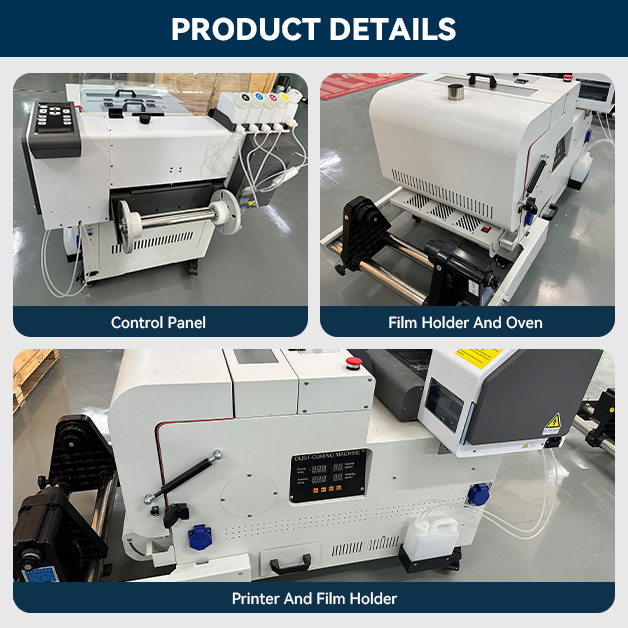
The rise of China DTF Printing is rooted in independent technological innovation, and its differentiated advantages over traditional screen printing and heat transfer are particularly striking:
Leveraging nanoscale pigment ink technology, China DTF Printing eliminates the need for complex pre-processing steps, enabling precise printing on a wide range of materials including cotton, chemical fiber, blended fabrics, leather, and canvas. This solves the longstanding industry pain point of limited material adaptability in traditional processes. The DTF heat transfer inks developed by Hongsheng Digital support 15 color combinations, accurately reproducing even complex gradient patterns with color saturation that outperforms international counterparts.
Compared to traditional screen printing, China DTF Printing reduces consumable costs by over 30% and labor costs by 50%. It also supports 24/7 uninterrupted production, allowing same-day delivery for small-batch orders. After adopting China DTF Printing, a leading apparel brand increased production efficiency by 40% and shortened order response time from 72 hours to 24 hours.
Aligning with China’s national policy for the green development of the printing industry, DTF inks from top domestic enterprises are free of harmful solvents such as ethylene glycol and hold Switzerland’s OEKO-TEX ECO-PASSPORT certification. Their VOC emissions are far below national standards. Hongsheng Digital’s JetSilk® ink has even been included in the Recommended Catalog of Advanced Energy-Saving and Emission-Reduction Technologies for China’s Dyeing and Printing Industry, achieving dual breakthroughs in environmental friendliness and performance.
In 2024, China’s DTF transfer film output reached 1.68 billion square meters, with an apparent consumption of 1.62 billion square meters and exports of 210 million square meters—primarily to Southeast Asia, the Middle East, and South America—representing a 14.3% year-on-year increase in export value. The global market for eco-friendly DTF inks is growing even faster, projected to reach 2.5 billion USD in 2024 with a compound annual growth rate (CAGR) of 20%. Chinese enterprises hold over 35% of the global market share due to their cost competitiveness.
East China serves as the core production hub for China DTF Printing, with Jiangsu, Zhejiang, and Guangdong provinces accounting for over 67% of national output. Three major industrial clusters have formed: Shaoxing (transfer film), Dongguan (printing equipment), and Wenzhou (ink consumables). As manufacturing upgrades in central and western China accelerate, market demand in Henan and Sichuan is growing at over 14%, emerging as new growth engines.
Domestic industry leaders have established strong technological barriers: Hongsheng Digital holds the DTF® trademark, owns 19 invention patents, and leads the formulation of 9 national and industrial standards. Enterprises such as Zhejiang Jinzhang Technology and Jiangsu Tianyuan High-Tech Materials have achieved independent R&D of coating formulas for transfer films, with product performance approaching international high-end levels.
The “Opinions on Promoting the Green Development of the Printing Industry,” jointly issued by the National Press and Publication Administration and other departments, explicitly identifies digital printing as a key development area and supports the R&D and application of green printing technologies. Policy dividends are mainly reflected in three aspects:
Printing enterprises using low-VOC inks are exempt from constructing end-of-pipe treatment facilities if their emissions meet standards. Eco-friendly China DTF Printing enterprises are eligible for an immediate VAT refund policy.
The Beijing-Tianjin-Hebei region, Yangtze River Delta, and Guangdong-Hong Kong-Macao Greater Bay Area are building pilot zones for coordinated development, innovation hubs, and opening-up platforms for the printing industry, respectively. These initiatives provide China DTF Printing enterprises with support for capacity expansion and technological upgrading.
The Chinese government has established an innovation fund for the printing industry, focusing on supporting projects such as digital printing technology R&D and equipment renovation—injecting capital momentum into the intelligent upgrading of China DTF Printing.
Reduce unit costs through bulk purchases of transfer films and inks; select on-demand printing equipment to minimize inventory waste; and adopt an “equipment leasing + consumable procurement” model for small-to-medium-batch orders to lower initial investment.

The proportion of water-based eco-friendly inks will increase from 41% in 2024 to 46% in 2025. AI design tools will be deeply integrated with DTF printing equipment, enabling full-process intelligence from “design to printing to transfer.”
Beyond traditional garment printing, China DTF Printing is rapidly penetrating home decoration (pillows, wall coverings), outdoor advertising, and personalized packaging. Customized demands from cross-border e-commerce have become the primary growth driver.
Domestic enterprises are establishing production bases in Southeast Asia, Africa, and other regions through technology export and capacity cooperation. The global market share of China DTF Printing is expected to exceed 45% by 2026.
With independently developed technological advantages, a complete industrial cluster, and strong policy support, China DTF Printing has evolved from “Made in China” to “Created in China.” For entrepreneurs and enterprises, mastering the three core elements—technology selection, supplier screening, and cost control—is key to leveraging the development dividends of this high-growth track. In the future, as greenization, intelligence, and globalization deepen, China DTF Printing will continue to lead the transformation of the global digital textile printing industry, becoming a model for the integrated development of cultural and manufacturing sectors.