DTF Printer Ink: The Ultimate Guide to Quality, Performance, and Value
Table of Contents
In the rapidly evolving world of digital printing,DTF (Direct-to-Film) printing has emerged as a game-changing technology. At the heart of this revolution lies a critical component: DTF printer ink. The right ink doesn’t just transfer an image onto a garment; it determines the vibrancy, durability, and overall success of your print business. This comprehensive guide delves deep into the world of DTF inks, offering actionable insights to help you make informed decisions, optimize your printing process, and achieve exceptional results that keep clients coming back.
Understanding DTF Printer Ink: The Core of Your Printing Success
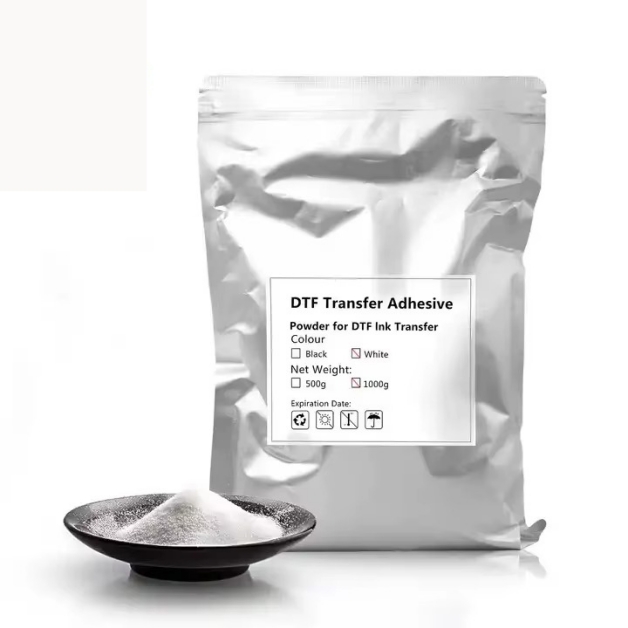
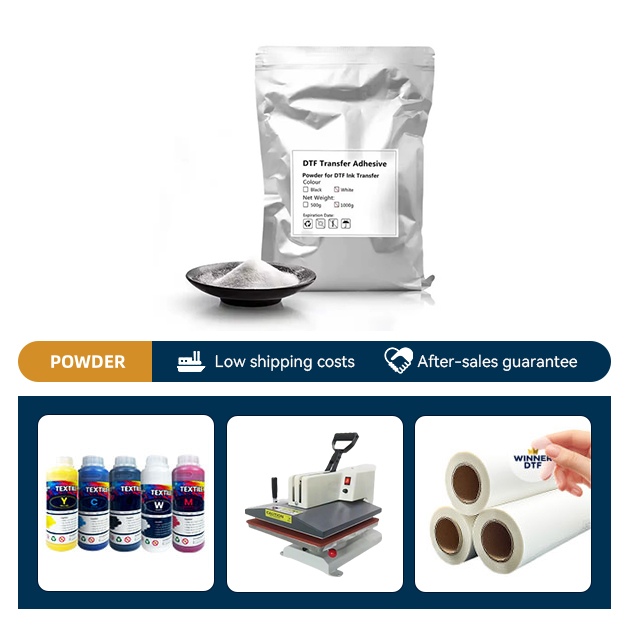
DTF printing involves printing a design onto a special PET film, then applying a adhesive powder and transferring it to fabric using heat and pressure. The ink is the fundamental element that carries the pigment, interacts with the film and powder, and ultimately bonds with the textile.
The Chemical Composition: What Makes DTF Ink Unique?
Unlike standard inkjet or even DTG (Direct-to-Garment) inks, DTF inks are formulated for a specific transfer process. They are typically pigment-based inks, where solid pigment particles are suspended in a liquid carrier. The key characteristics include:
High Pigment Load: For exceptional opacity on dark fabrics.
Fast Drying on Film: To prevent smudging before powder application.
Low Migration Formulation: Ensures colors don’t bleed or fade after washing.
Flexibility: Once transferred, the ink layer must flex and move with the fabric without cracking.
The binder within the ink is crucial. It must activate at the right temperature during the heat press stage to form a permanent, wash-resistant bond with the textile fibers.
DTF Ink vs. Other Textile Inks: A Clear Distinction
It’s tempting to look for cheaper alternatives, but using non-DTF-specific inks is a recipe for failure.
DTF vs. DTG Inks: DTG inks are designed to be absorbed directly into treated cotton fibers. They lack the necessary film-release properties and adhesive bonding agents for the DTF transfer process. Using DTG ink in a DTF workflow will result in poor adhesion and washability.
DTF vs. Sublimation Inks: Sublimation inks turn into gas under heat and dye polyester fibers. They are useless on cotton and cannot be used for the DTF film-transfer method.
DTF vs. Eco-Solvent Inks: These are for rigid substrates like signs and banners. They are completely incompatible with textiles and pose significant health hazards if misused in a garment printing context.
The takeaway: Always use inks explicitly labeled and formulated for DTF printing. Compatibility is non-negotiable for quality and durability.
Selecting the Right DTF Ink: A Buyer’s Strategic Guide
Navigating the market requires more than just picking the cheapest option. Your choice impacts your printer’s health, your output quality, and your bottom line.
Compatibility: Printer Brand and Print Head Technology
This is the first and most critical filter. Using incompatible ink can destroy print heads in days.
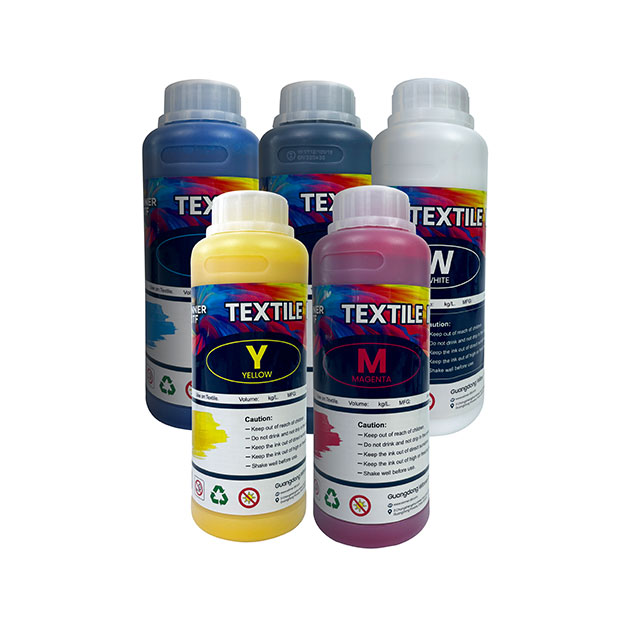
Epson-Based DTF Systems: Most consumer-grade DTF conversions use Epson print heads (like the L1800, P800, or SureColor series). These require DTF inks formulated for Epson Piezo print heads. They are typically water-based.
Ricoh-Based DTF Systems: Industrial and higher-end DTF printers often use Ricoh Gen print heads, which require a different viscosity and chemical makeup. Ricoh DTF inks are specifically designed for these machines.
OEM vs. Third-Party: While Original Equipment Manufacturer (OEM) inks offer guaranteed compatibility, third-party “club” inks from reputable suppliers can offer significant cost savings without sacrificing quality. Research and choose suppliers with proven track records and clear technical data sheets.
Evaluating Ink Performance: Beyond the Price Tag
Cost per milliliter is a factor, but true value is measured in performance.
Color Gamut and Vibrancy: High-quality inks produce a wide gamut, especially in reds, blues, and blacks. They should appear bright on both white and black garments.
Opacity on Dark Fabrics: Test the ink’s ability to produce vibrant whites and colors on black 100% cotton without a white underbase layer. Superior DTF inks excel here.
Wash and Rub Fastness: The final print must withstand 30+ industrial washes (ISO standard) without significant fading or cracking. Good ink is the foundation of this durability.
Hand Feel: Premium inks result in a transfer with a soft hand feel—the print should be barely detectable to the touch. Low-quality inks can leave a stiff, plastic-like layer.
Maximizing Results: Best Practices for Using DTF Inks
Purchasing great ink is only half the battle. Proper handling and process control are essential.
Storage, Handling, and Maintenance
Ink is a sensitive chemical product. Proper care extends its life and protects your equipment.
Storage: Keep ink bottles sealed and stored in a cool, dark place, away from direct sunlight and temperature extremes. Ideal storage is between 59°F and 77°F (15°C – 25°C).
Shaking: Always gently shake ink bottles before filling carts to ensure pigment is evenly dispersed.
Print Head Health: Implement a rigorous maintenance routine. This includes regular nozzle checks, head cleans (only when necessary), and using capping stations and dampers correctly. Never let ink dry in the print heads. Using a reliable, filtered bulk ink system (CISS) can reduce air bubbles and ensure consistent ink flow.
H3: Optimizing the DTF Workflow for Ink Performance
The ink interacts with every other component. Optimize the entire chain.
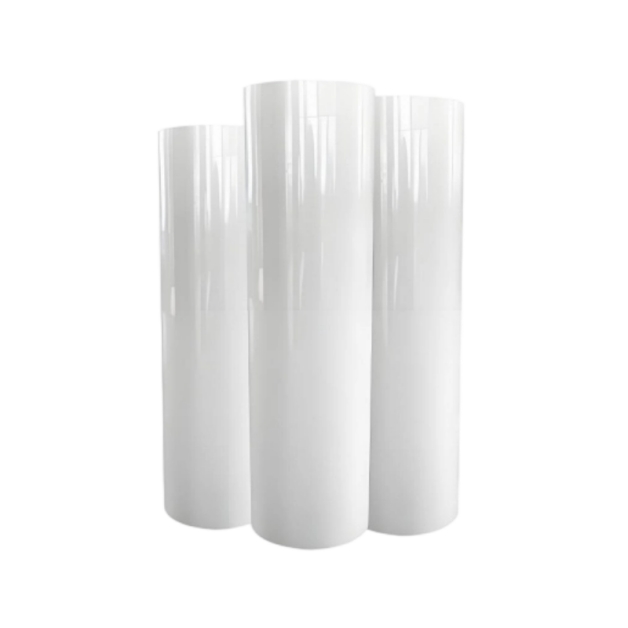
Film Quality: Use high-quality, coated PET film. A poor film surface can cause ink pooling or poor adhesion.
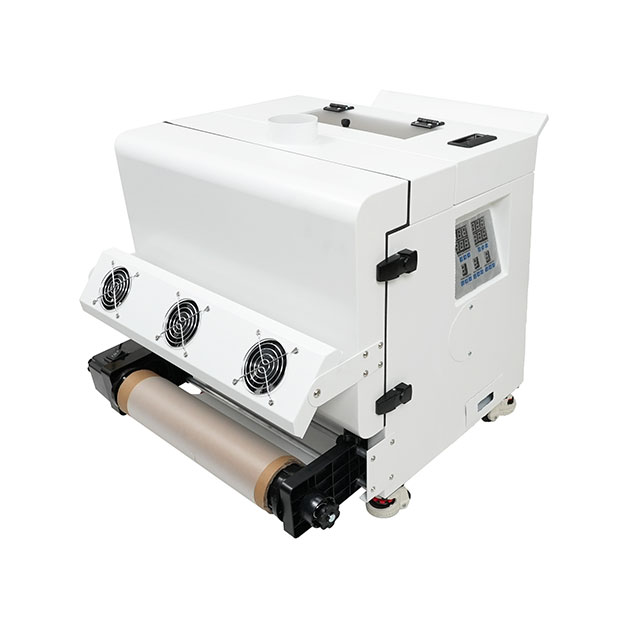
Powder Application: The hot-melt adhesive powder must be evenly applied and fully cured. Inconsistent powdering is a leading cause of wash failure, often mistakenly blamed on the ink. Ensure your melt/cure oven or heat press reaches and maintains the correct temperature (typically around 100°C for curing).
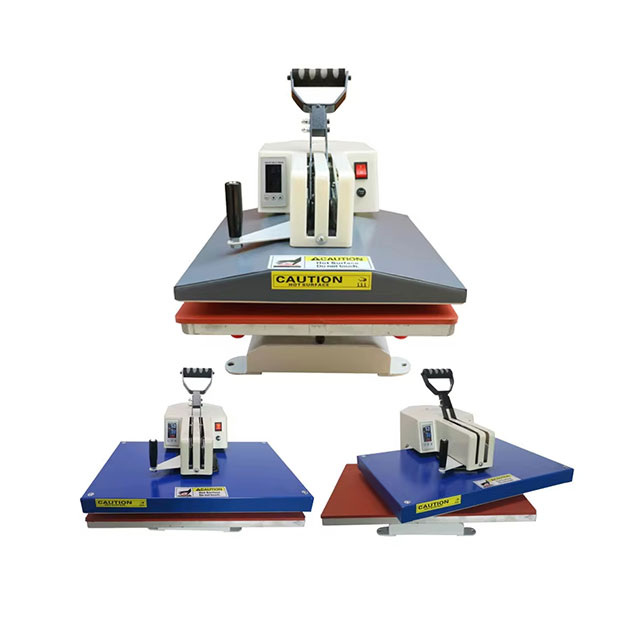
Pressing Parameters: Follow the time, temperature, and pressure guidelines provided by your ink and film supplier. Under-pressing leads to poor adhesion; over-pressing can yellow whites and damage fabric.
The Future of DTF Ink Technology and Sustainability
The DTF industry is not static. Innovations in ink are driving new possibilities.
Emerging Trends: White Ink Printing and Expanded Gamuts
Fast-Curing White Inks: New formulations allow for quicker drying on the film, speeding up production times and reducing bottlenecks.
Light Cyan & Light Magenta: Some advanced ink sets are introducing light colors, similar to commercial photo printers, to reduce graininess and produce smoother gradients and skin tones, elevating DTF to near-photographic quality on fabric.
Low-Temp Curing Inks: Developments are underway for inks and powders that cure at lower temperatures, expanding the range of heat-sensitive fabrics that can be printed (e.g., nylon blends, some synthetics).
Environmental and Safety Considerations
As the industry grows, so does scrutiny on its environmental footprint.
Eco-Friendly Formulations: There is a growing demand for inks with lower levels of volatile organic compounds (VOCs), heavy metal-free pigments, and more biodegradable components.
Waste Management: Responsible disposal of ink waste, used film, and empty containers is crucial. Partner with local hazardous waste disposal services.
Workspace Safety: Ensure good ventilation in your printing and curing areas. Wear appropriate PPE (gloves, masks) when handling powders and chemicals, following all Safety Data Sheet (SDS) guidelines.
Conclusion: Investing in Quality for Long-Term Success
Choosing the right DTF printer ink is a strategic business decision. It’s the lifeblood of your print quality and your reputation. By investing time in understanding its properties, selecting a compatible and high-performance product from a trusted supplier, and adhering to meticulous best practices in your workflow, you transform a simple supply into a tool for creating durable, vibrant, and profitable products.
Don’t just buy ink—build a partnership with your supplier, stay curious about new developments, and never stop testing and refining your process. The depth of your knowledge aboutDTF ink will directly reflect in the quality of the prints you deliver and the strength of the business you build.
Subscribe
To join our mailing list and never miss our updates !