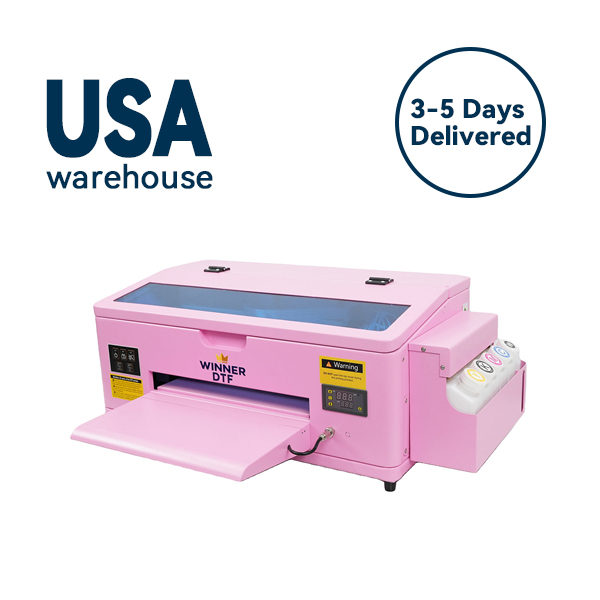
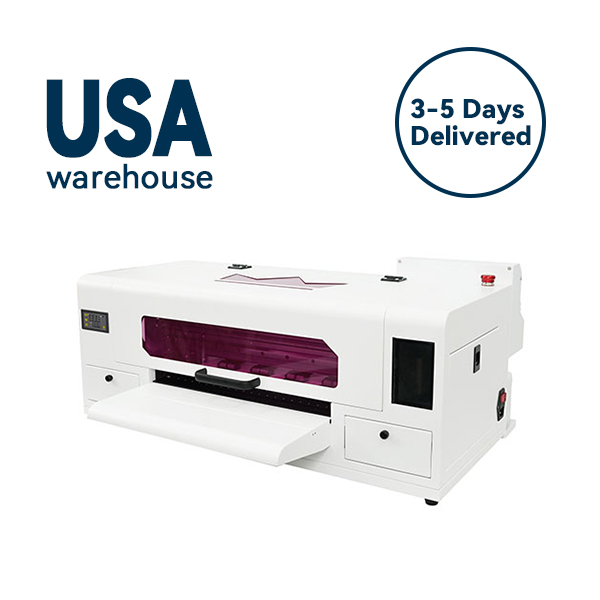
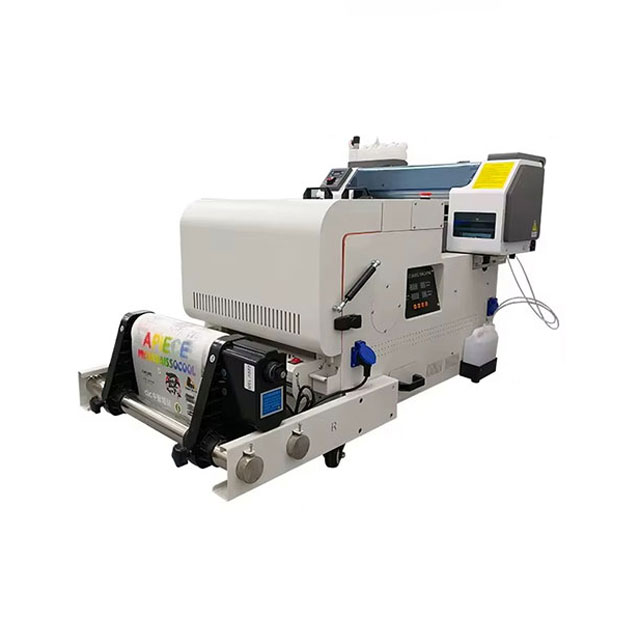
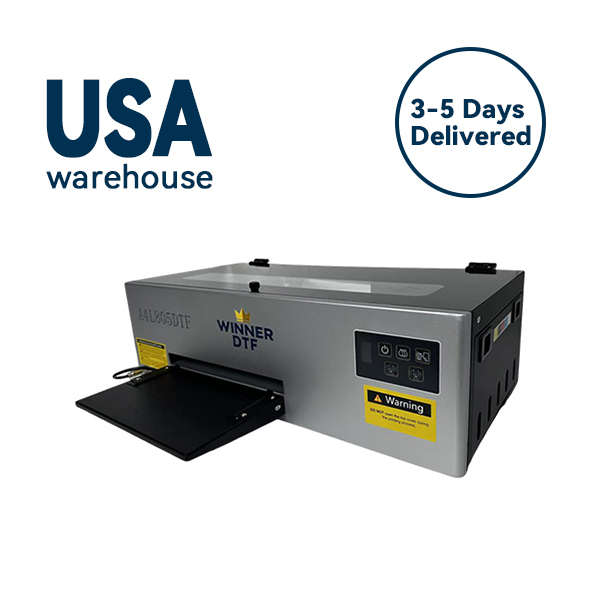
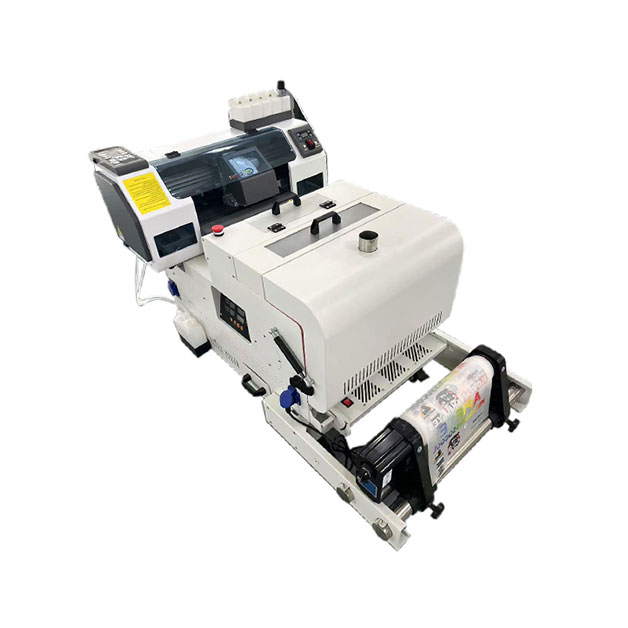
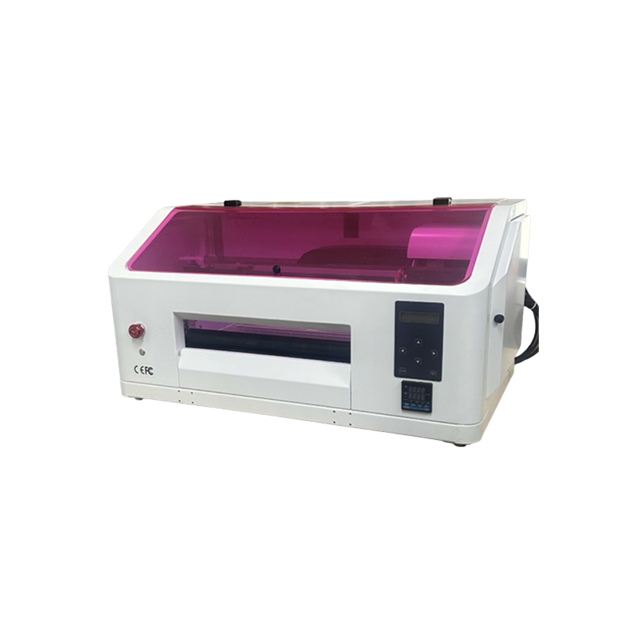
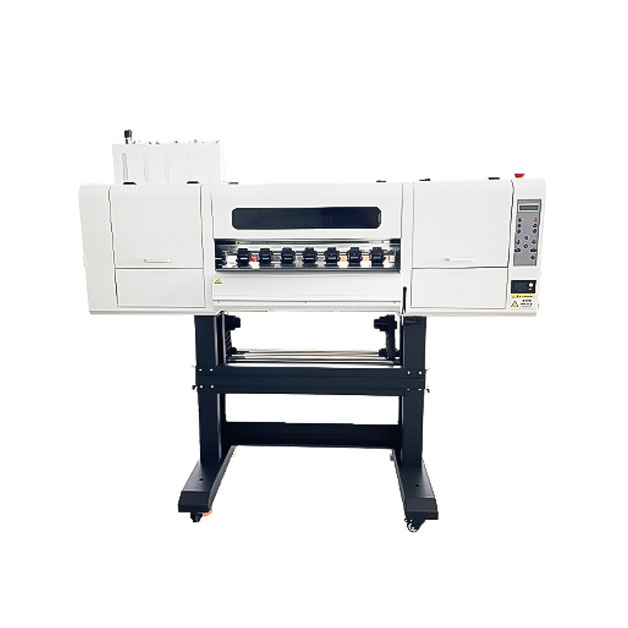
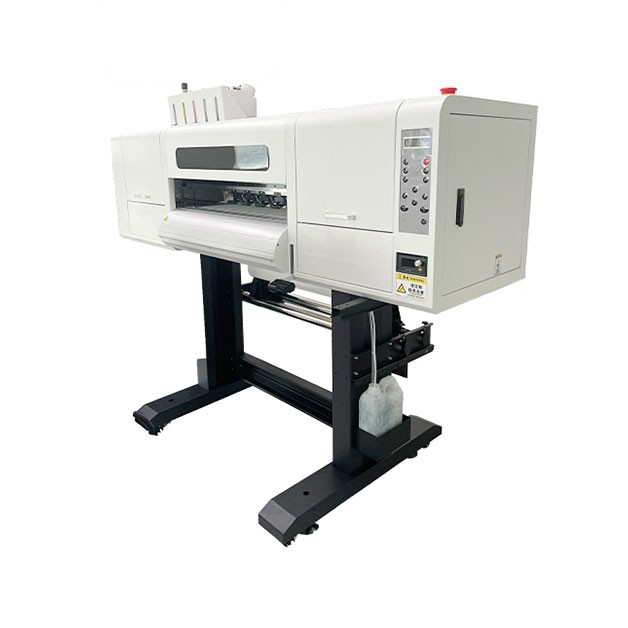
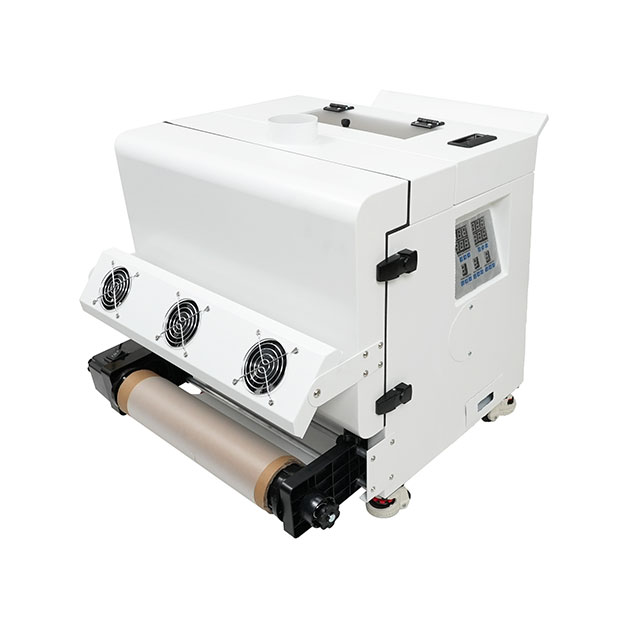
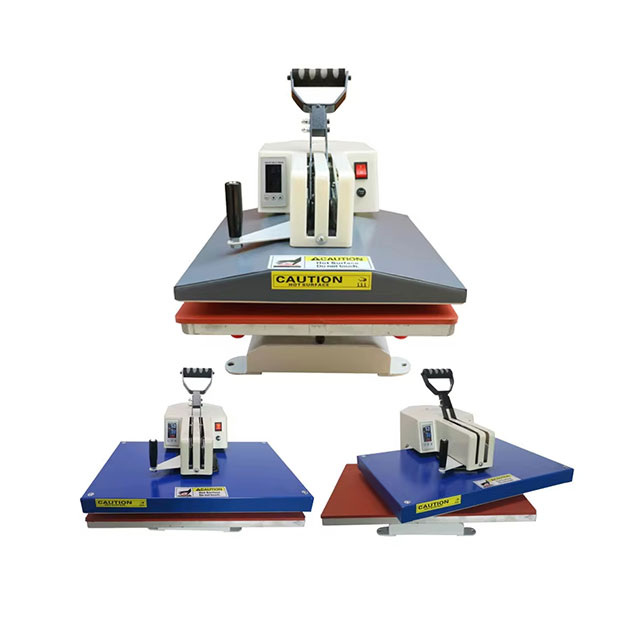
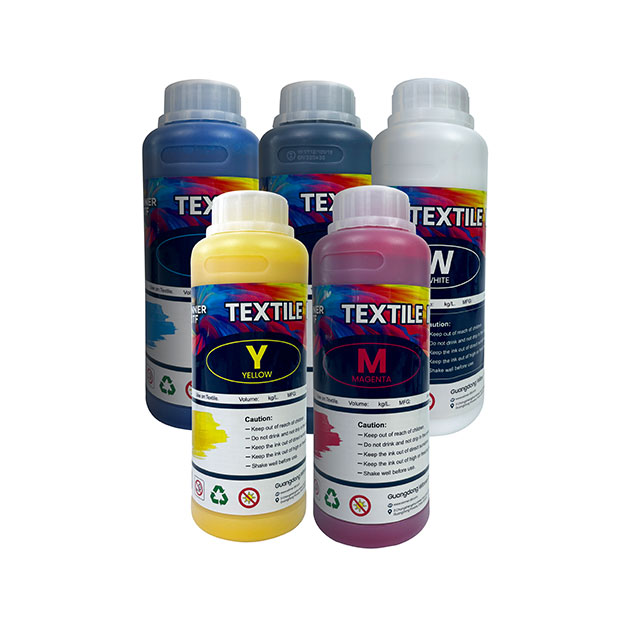
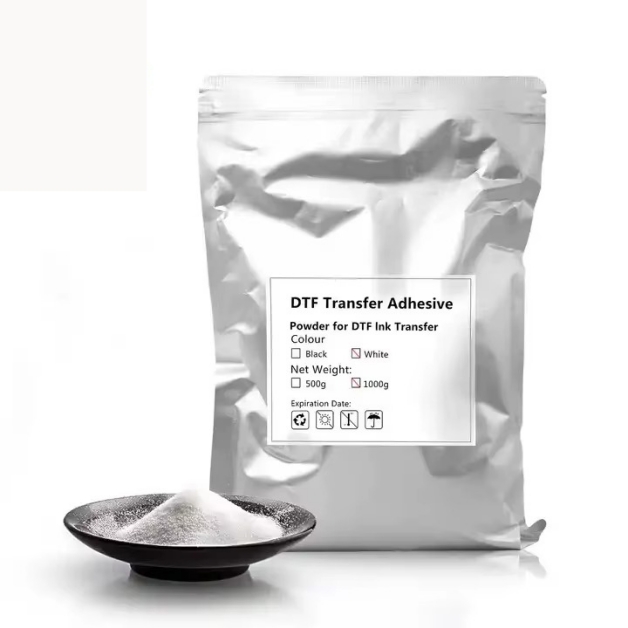

In 2025, as the global wave of personalized customization sweeps across industries, small UV DTF printers have emerged as a “profit-making tool” for small businesses and startup studios. Unlike traditional printing equipment with high entry barriers and limitations, small UV DTF printers have rapidly penetrated multiple sectors—including advertising signs, 3C accessories, and gift customization—thanks to their core advantages of “print-and-transfer instantly, multi-material compatibility, and low-cost startup.” Whether for mass-producing metal nameplates, customizing phone cases, or small-batch packaging printing, this compact device delivers efficient output. Combining the latest 2025 technology trends and real test data, this guide comprehensively analyzes the application value of small UV DTF printers from core advantages, model selection, practical skills to industry prospects, helping you avoid purchase pitfalls and leverage small equipment to tap into large markets.
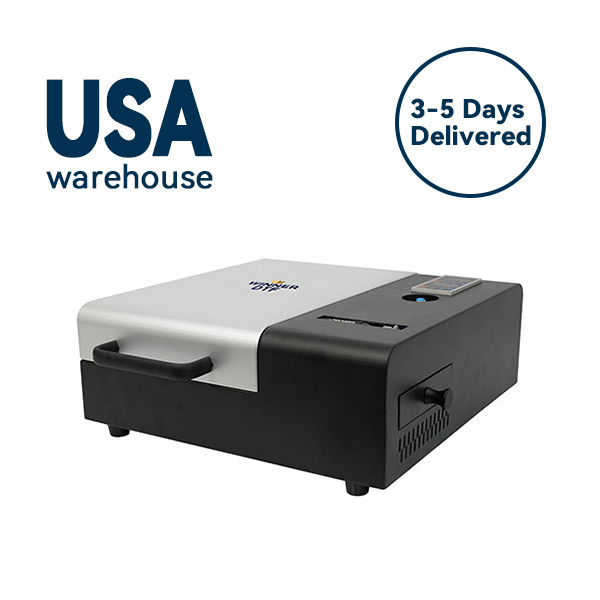
Small UV DTF printers adopt UV light curing technology and AB film transfer process, enabling “printing on everything” without the need for heat press equipment. Real test data shows they are compatible with various materials such as glass, metal, plastic, wood, and leather—whether flat phone cases, cylindrical water cups, conical candles, or golf balls with rough textures, high-definition patterns can be accurately transferred. Compared to traditional DTF printers that require heat pressing and UV flatbed printers with limited material adaptability, the transfer film attachment operation of small UV DTF printers eliminates restrictions on printing curved and irregular objects, making them particularly suitable for small-batch custom orders.
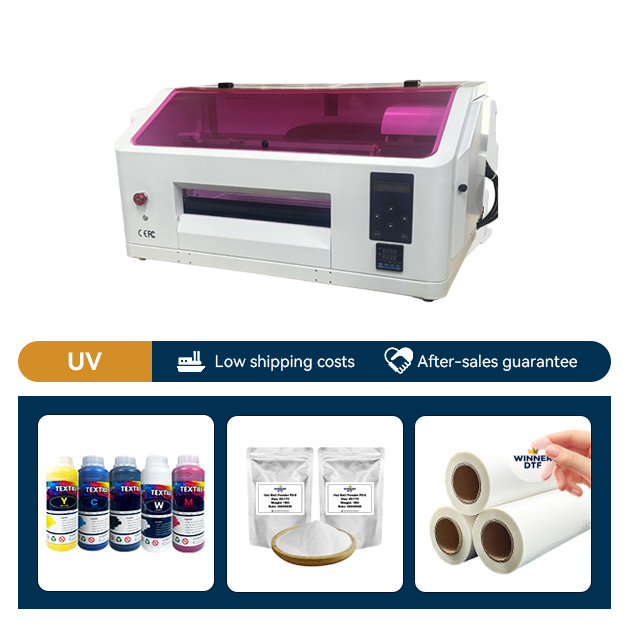
In 2025, mainstream small UV DTF printers are priced between $1,300-$5,000, only 1/10 of industrial-grade equipment. Taking the MTuTech compact series as an example, equipped with dual Epson i3200 printheads, it achieves a printing speed of 15㎡/h. The 500mL large-capacity ink tanks support continuous operation, and the single-piece cost is 30% lower than screen printing. More importantly, the equipment requires no additional investment in pre-treatment fluids or heat press machines—one person can complete the entire process from “printing to transfer to finished product,” making it ideal for home-based businesses or small studio startups.
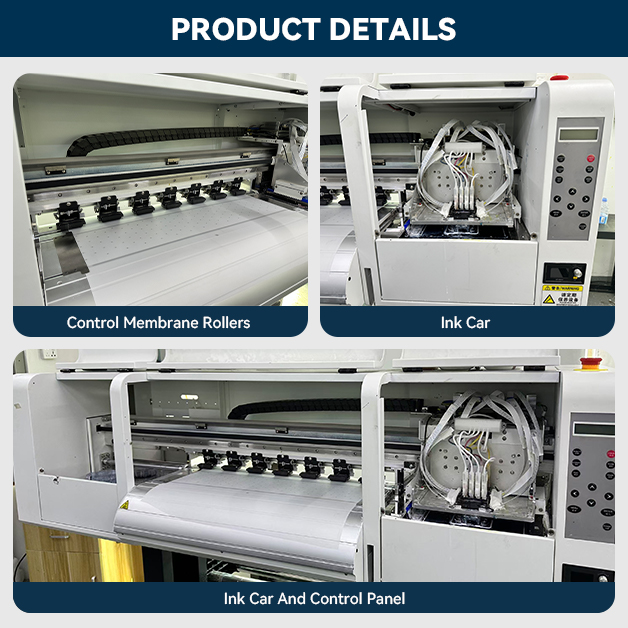
New-generation small UV DTF printers are generally equipped with intelligent auxiliary functions: the silicone paper pressing rollers of the Mimaki UJV300DTF-75 prevent film adhesive detachment, while automatic nozzle detection and recovery reduce downtime; the MT-UV 9060Pro features an AI visual positioning system that automatically identifies the edges of substrates, allowing beginners to achieve precise alignment. Additionally, the instant curing characteristic of UV ink eliminates waiting time after printing—transferred patterns are wear-resistant and scratch-resistant, with an outdoor service life of over 3 years, far exceeding traditional inkjet printing results.
| Problem Phenomenon | Troubleshooting Directions | Solutions |
|---|---|---|
| Blurred Patterns | Nozzle clogging/uneven film tension | Execute the nozzle recovery program and adjust the pressure of the paper pressing roller |
| Transfer Detachment | Incomplete ink curing/unclean substrate | Extend UV curing time and wipe the substrate surface with alcohol |
| Color Deviation | Imbalanced ink ratio/uncalibrated ICC file | Recalibrate the color management system and replace with original ink |
According to data from the Industrial Research Network, the global UV DTF printer market size will exceed $2.8 billion by 2031, with small UV DTF printers accounting for an estimated 65%. Future technology will upgrade in three directions: ① Integrated integration (printing-transfer-cutting all-in-one); ② Application of environmentally friendly materials (degradable transfer film + bio-based UV ink); ③ Intelligent automation (AI color matching + unattended operation).
For small entrepreneurs, the following tracks are worth focusing on:
The emergence of small UV DTF printers has completely broken the industry dilemma of “no profit in small-batch customization.” Their characteristics of low investment, high adaptability, and easy operation allow individual entrepreneurs and small businesses to quickly enter the high-margin customization market. Driven by both technological iteration and market demand in 2025, choosing a small UV DTF printer suitable for your business is undoubtedly a key step to seize the personalized consumption trend. It is recommended to select models based on your budget and target scenarios, prioritize brands with mature technology and comprehensive after-sales service, accumulate experience through small-order trial production, and gradually expand your business scale.