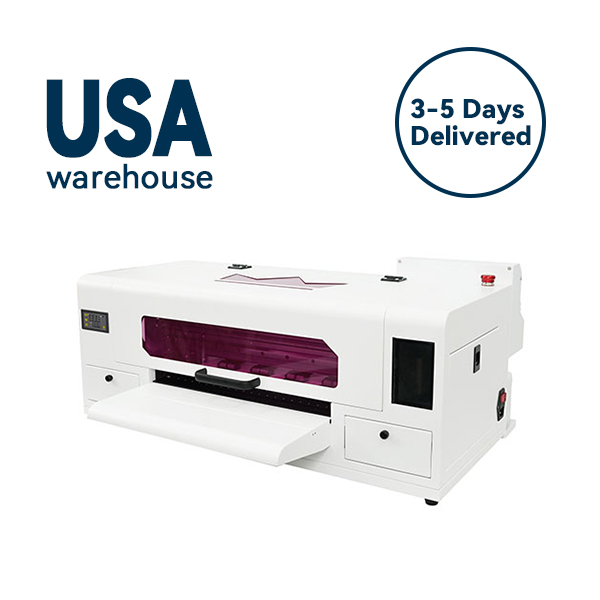
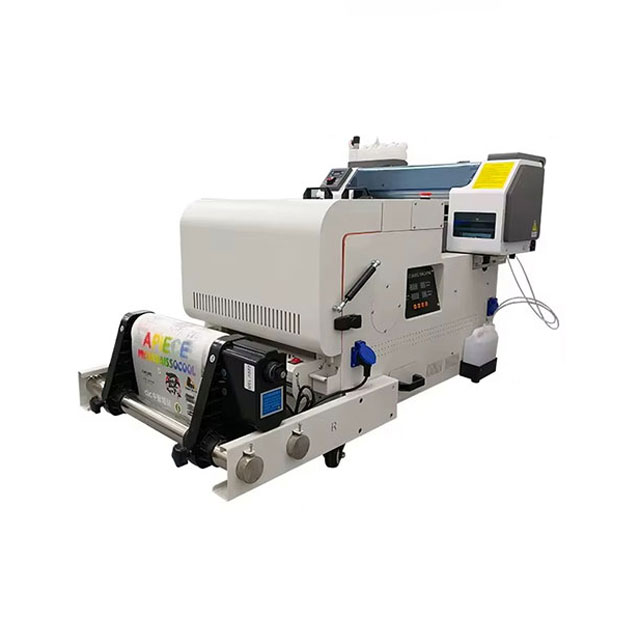
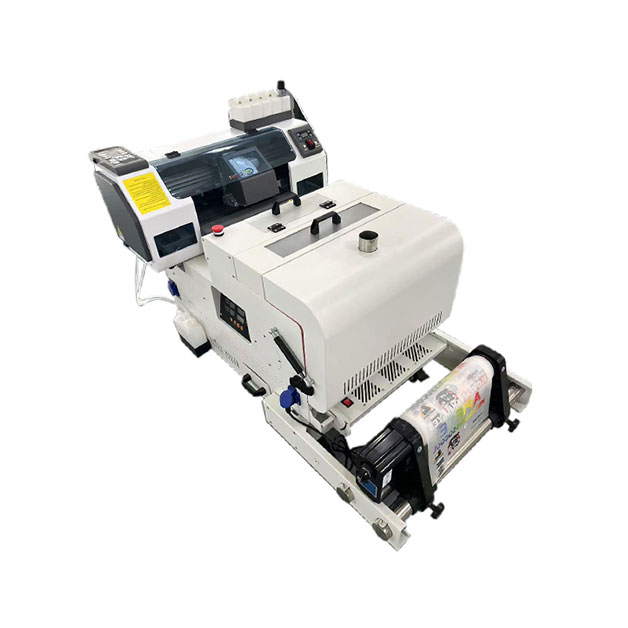
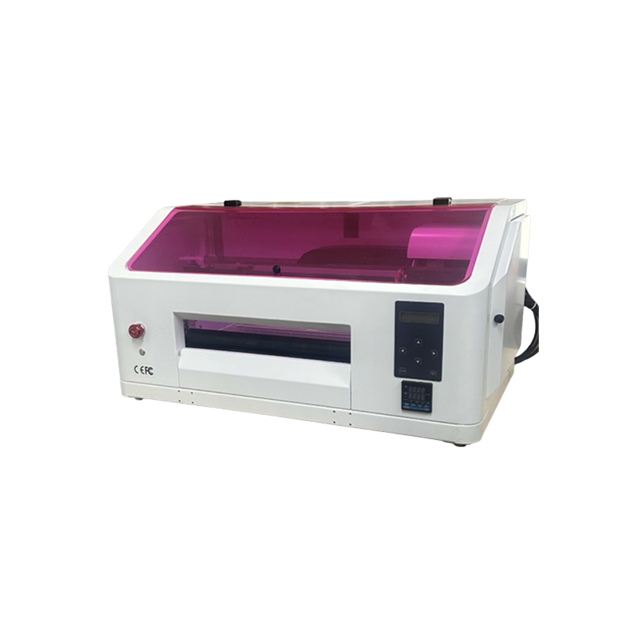
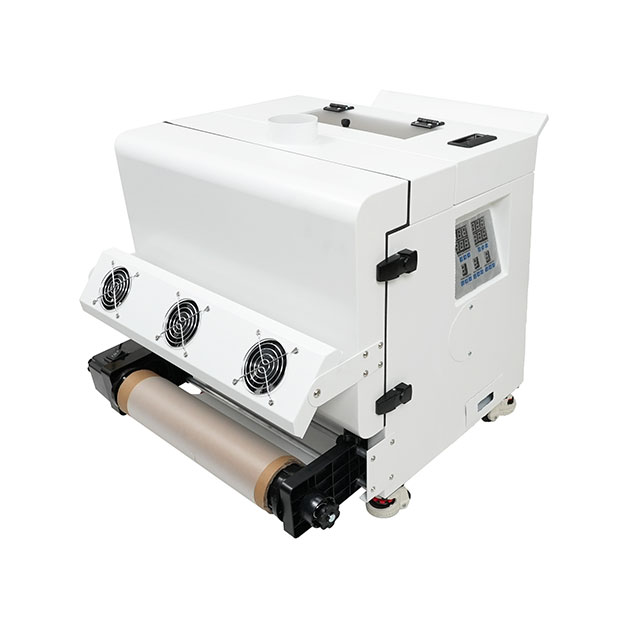
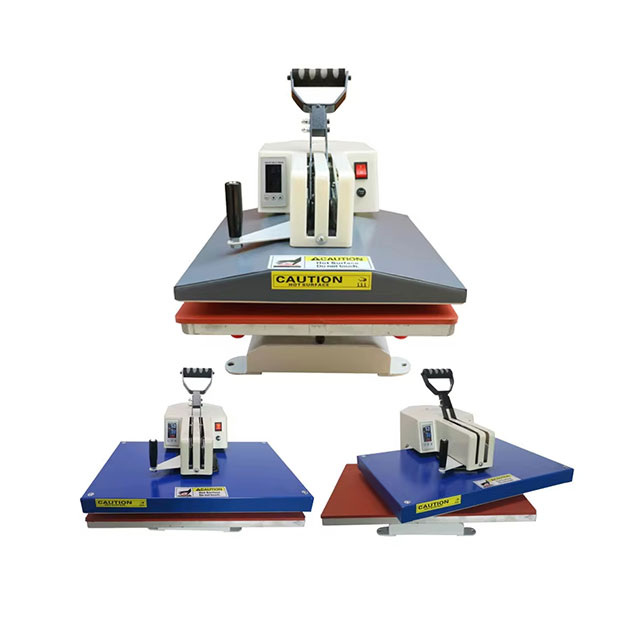
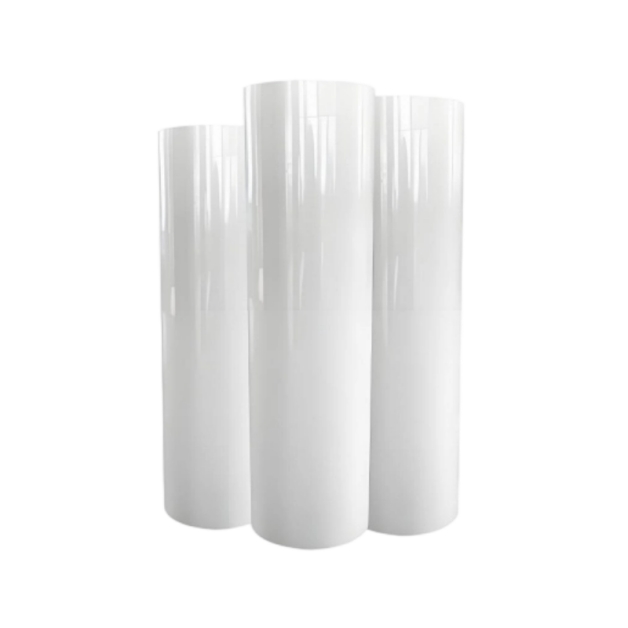
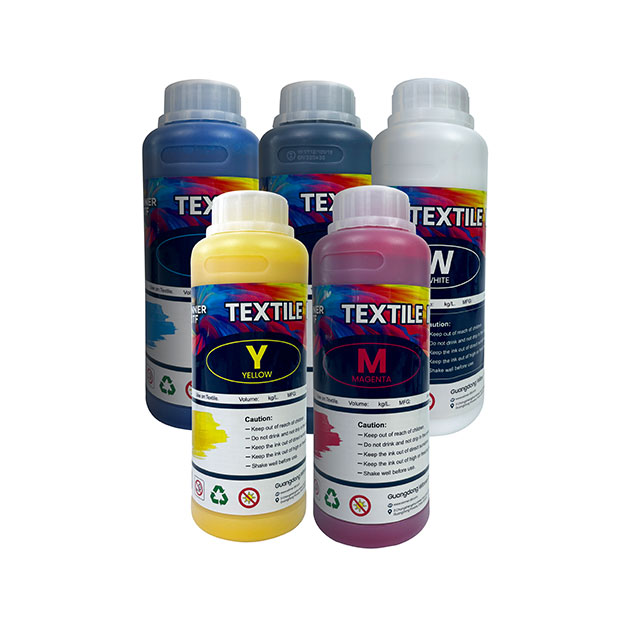

DTF (Direct to Film) printing technology is one of the most disruptive innovations in the textile printing field in recent years. Compared to traditional printing methods, DTF technology involves printing patterns directly onto special film, which are then transferred onto various fabric surfaces through a heat transfer process, achieving unprecedented printing flexibility and quality breakthroughs.
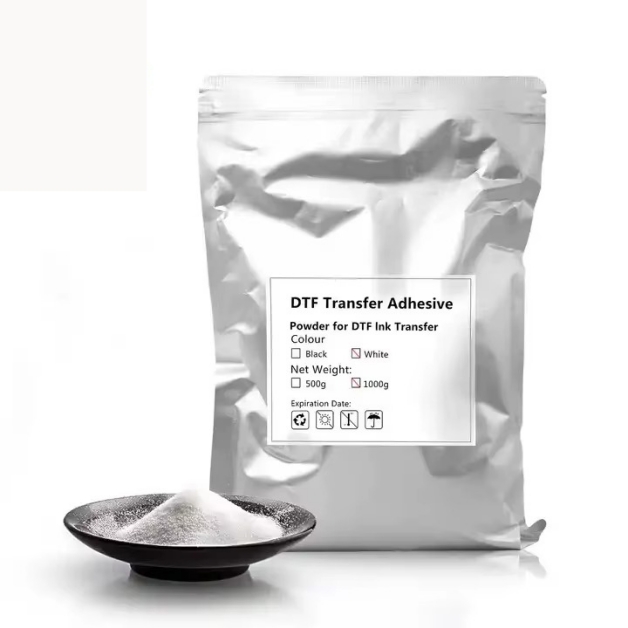
The core of this technology lies in its unique three-layer structure: the printing layer, adhesive layer, and film carrier. The printing layer uses specially formulated water-based pigment inks, the adhesive layer employs hot melt adhesive powder, and the film serves as a temporary carrier to ensure complete pattern transfer. When these three elements combine under precisely controlled temperature and time conditions, they produce vibrant, durable, and soft-to-the-touch patterns on various fabrics.
The textile printing industry is undergoing a profound transformation from traditional screen printing to digital printing, and DTF technology is at the forefront of this change. According to the latest industry data, the global DTF printing market reached $2.87 billion in 2023 and is expected to grow to $5.43 billion by 2028, with a compound annual growth rate of 13.6%.
The drivers behind this rapid growth are multifaceted. First, DTF technology significantly lowers the barrier to entry for small-batch custom printing, enabling entrepreneurs and small studios to offer high-quality customized products at reasonable costs. Second, its broad adaptability to various fabrics addresses long-standing material limitations in the textile printing industry. Finally, the use of environmentally friendly water-based inks and recyclable films ensures DTF technology complies with increasingly stringent global environmental regulations.
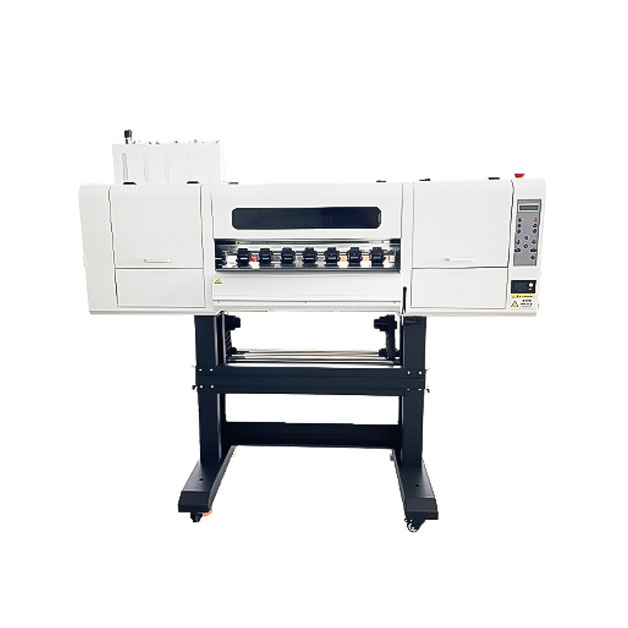
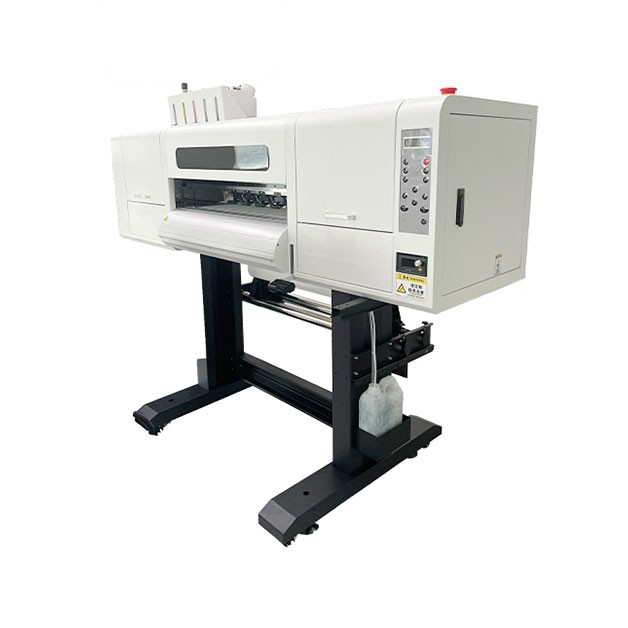
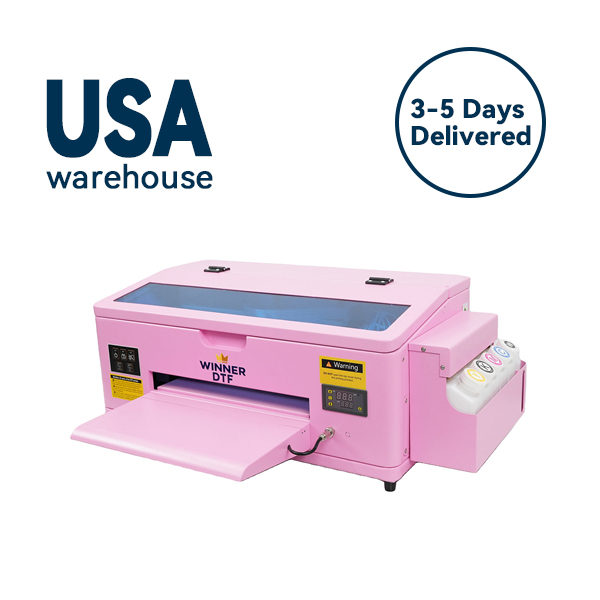
The core of modern DTF printers lies in their precise printhead technology and specially formulated ink systems. High-end DTF printers on the market today often use Japanese Epson or Seiko micro piezoelectric printheads, which precisely control droplet size and placement to ensure perfect reproduction of pattern details.
The DTF-specific ink system is another key technological breakthrough. Unlike traditional dye or pigment inks, DTF inks must meet multiple requirements: they must bond perfectly with hot melt adhesive powder, maintain color consistency across different fabrics, and possess excellent wash and UV resistance. The latest generation of DTF inks uses nano-scale pigment particles, which not only improve color saturation by 30% but also dry 40% faster than traditional inks, significantly boosting production efficiency.
The quality of DTF printing depends not only on the printing process but also on the subsequent heat transfer process. This step requires precise control of three key parameters: temperature, pressure, and time. These parameters must be fine-tuned for different fabrics to achieve optimal results.
Cotton fabrics typically require a transfer temperature of 160–165°C and a pressing time of 10–12 seconds, while synthetic fibers like polyester require lower temperatures (145–150°C) and longer times (15–18 seconds) to prevent fabric damage or discoloration. Modern intelligent DTF printers come with multiple fabric preset modes and use infrared sensors to monitor platen temperature in real-time, ensuring precision and consistency in every transfer.
One of the most significant advantages of DTF technology is its almost universal fabric adaptability. From 100% cotton to polyester blends, silk to denim, and even leather and canvas, DTF printing delivers exceptional results. This broad adaptability stems from its unique working principle: patterns are first printed entirely onto the film and then transferred as a whole onto the fabric surface, thus不受ing fabric texture, color, or composition.
In terms of print quality, DTF technology can achieve resolutions as high as 2880 dpi, far exceeding the detail capabilities of traditional screen printing. Additionally, since the ink embeds directly into the fabric fibers rather than sitting on the surface, printed patterns exhibit excellent washability, remaining vibrant and intact even after 50+ standard washes without cracking or peeling.
From an economic perspective, DTF printing offers unprecedented cost advantages for small and medium-sized enterprises. Traditional screen printing requires screen preparation, with minimum order quantities typically starting at 50 pieces for single-color designs, whereas DTF technology enables true print-on-demand with no setup fees. This allows entrepreneurs and designers to operate with zero inventory, producing based on actual orders, significantly reducing capital pressure and operational risks.
Environmentally, DTF technology employs water-based pigment inks and biodegradable transfer films, reducing VOC (volatile organic compound) emissions by over 95% compared to traditional solvent-based printing. The use of hot melt adhesive powder also avoids formaldehyde and other harmful chemicals found in traditional adhesives. According to environmental agency assessments, the air pollutant concentration in printing workshops using DTF technology is only one-eighth that of traditional screen printing workshops.
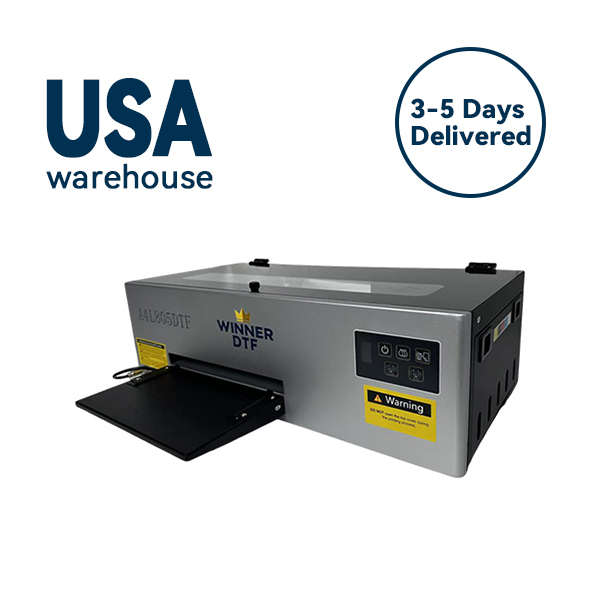
Selecting a DTF printer requires considering several key factors to maximize return on investment. First, assess your business scale: small studios can opt for desktop models with a print width of 60–80 cm, priced between $3,000 and $6,000; medium-sized businesses should consider industrial models with widths of 90–120 cm, ranging from $8,000 to $15,000; large production enterprises need high-speed production systems with widths of 160 cm or more, typically requiring an investment of $20,000 or above.
Regarding technical specifications, focus on print resolution (minimum 2400 dpi), print speed (at least 15 square meters per hour), color management system (at least CMYK + White six-color configuration), and equipment reliability. Leading brands like Epson, Mimaki, and Brother offer solutions at various levels. It’s advisable to request samples and conduct practical tests before purchasing to evaluate the device’s performance on your specific fabrics.
The long-term stable operation of DTF printers relies on proper daily maintenance. Perform automatic printhead cleaning before and after daily use, execute a deep cleaning process weekly, and inspect and clean the feeding system and heat transfer components monthly. The ink system requires special attention: inks of different brands and types must never be mixed, and even different batches of the same brand should be tested in small quantities before full-scale use.
Over 70% of common malfunctions are related to printhead clogs. When streaking or missing colors occur, perform 2–3 automatic cleanings first; if ineffective, use specialized cleaning fluid for manual cleaning. Color inaccuracies often stem from mismatched ICC profiles, so create dedicated color profiles for each fabric type. Poor transfer adhesion is usually related to temperature control; it’s recommended to regularly calibrate heat platen temperature with an infrared thermometer, with an error tolerance not exceeding ±2°C.
DTF technology is fundamentally changing the rules of the fashion industry. High-end brands like Gucci and Balenciaga have begun using DTF technology for limited-edition customized apparel, allowing customers to add personalized patterns to basic styles. Fast-fashion brands leverage DTF for rapid response production, shortening the design-to-shelf timeline from the traditional 6–8 weeks to within 48 hours.
Small independent designer brands are among the biggest beneficiaries of DTF technology. London designer Sarah Jones launched her clothing brand with a desktop DTF printer and less than £5,000 in startup capital, producing 200–300 fully customized garments monthly with a gross margin of 65%. This model eliminates minimum order quantity restrictions in traditional garment production, enabling creative designs to reach the market directly.
Beyond apparel, DTF technology shows great potential in the home decor industry. Custom curtains, sofa covers, bedding, and other products can now be produced in small batches, with designs no longer limited by traditional printing processes. Swedish home furnishing brand IKEA has begun testing DTF-printed custom cushion covers, allowing customers to design patterns online and receive finished products within 2–3 days.
In the industrial sector, DTF technology is used for marking and decorating functional fabrics. Automotive interiors, outdoor gear, medical textiles, and more require durable pattern labeling, and DTF printing offers solutions unmatched by traditional methods. For example, German automotive supplier Continental uses modified DTF technology to print markings on airbags, which must remain legible under extreme conditions—a requirement traditional printing methods cannot meet.
Next-generation DTF printers will become more intelligent and automated. AI-powered visual inspection systems are already integrated into high-end models, automatically identifying pattern defects and performing real-time corrections. Some models launched in 2024 feature self-learning capabilities, automatically optimizing printing parameters based on different fabric characteristics.
In terms of automation, fully automated DTF production lines are becoming standard for medium-sized and larger enterprises. These systems integrate automatic feeding, printing, powder application, curing, and winding functions, requiring only 1–2 operators to manage the entire line. The latest automation solutions also incorporate IoT technology, uploading real-time operational data to the cloud, enabling manufacturers to perform remote diagnostics and maintenance, greatly reducing downtime.
Environmental pressures are driving DTF technology toward greater sustainability. Bio-based hot melt adhesive powder is a significant recent innovation, using renewable resources like corn starch to replace traditional petroleum-based materials, reducing carbon footprint by over 40%. Fully biodegradable transfer films are also in the experimental stage and expected to commercialize by 2025.
Ink technology innovations are equally exciting. Some manufacturers are developing bio-inks based on algae, which are not only renewable but also produced with near-zero pollution. Another trend is the development of multifunctional inks, incorporating antibacterial agents, UV protectants, or thermochromic materials to give printed patterns additional functionalities.
DTF printing technology represents the cutting edge of digital transformation in textile printing, lowering industry barriers, unleashing creative potential, and providing environmentally friendly solutions. Whether you are a startup entrepreneur, independent designer, or a traditional printing business in transition, understanding and mastering DTF technology means seizing a significant opportunity in this multi-billion dollar market.
As the technology matures and costs continue to decline, DTF printing is expected to become the mainstream technology for small to medium-batch textile printing within the next five years. Businesses that adopt early, deeply understand technical details, and establish professional workflows will secure a favorable position in this rapidly growing market. Now is the time to delve into DTF printers, explore how they can transform your business model, and find your place in this exciting technological revolution.