
# DTF Prints: Comparing DTF vs. DTG vs. Screen Printing for Your Business
Choosing the right printing method is one of the most critical decisions for any custom apparel business. DTF (Direct-to-Film), DTG (Direct-to-Garment), and screen printing are the three most popular techniques, each with its own strengths and weaknesses. In this guide, we’ll compare these methods across key factors like cost, quality, speed, and versatility to help you choose the best option for your business goals.
## Cost Comparison: Upfront and Ongoing Expenses
### Upfront Equipment Costs
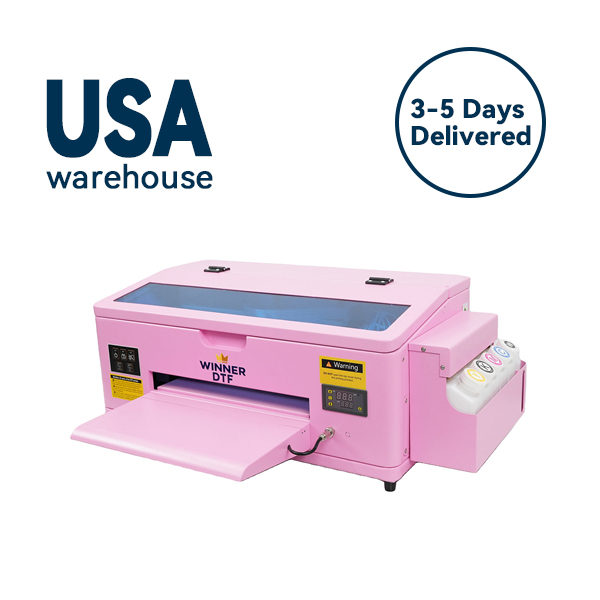
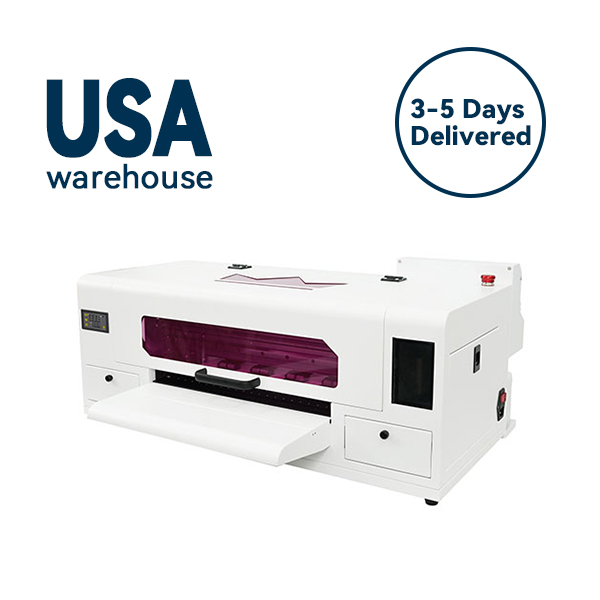
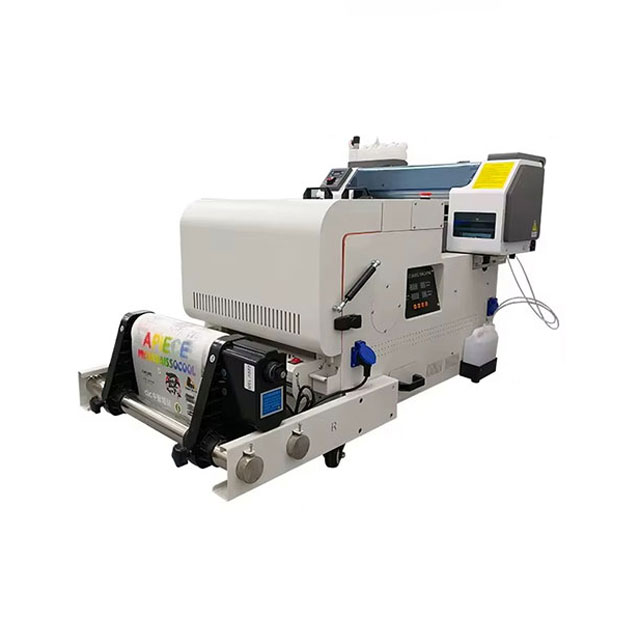
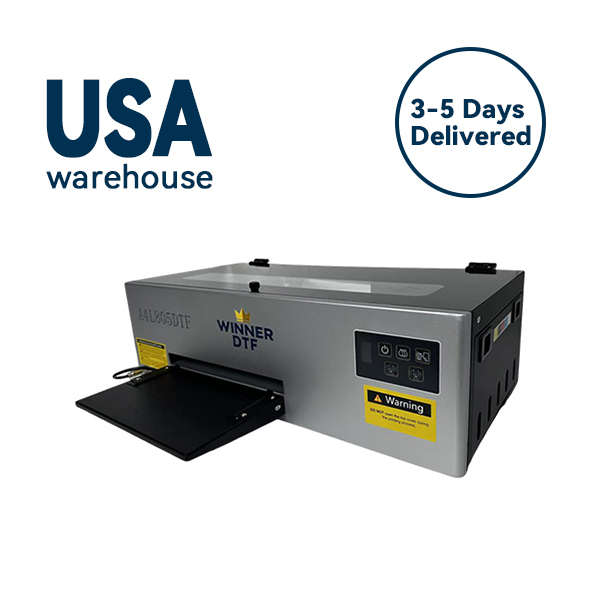
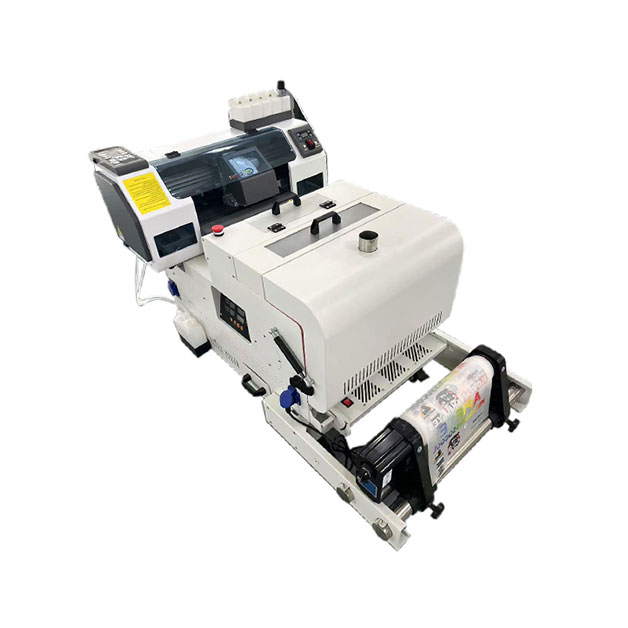
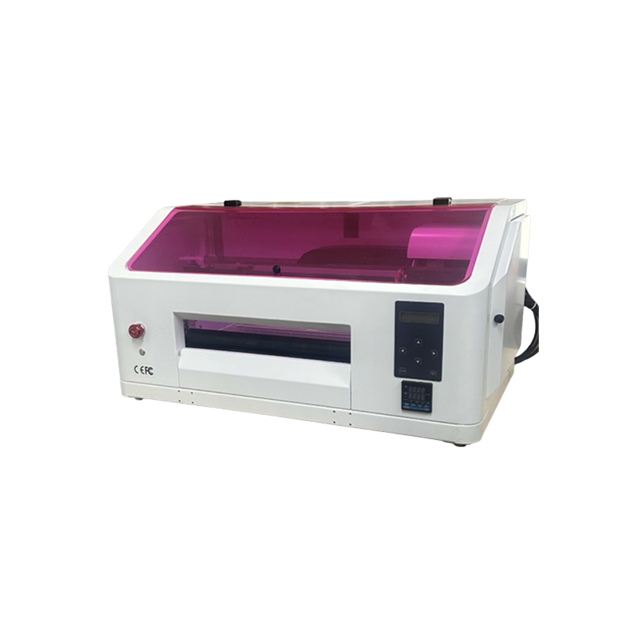
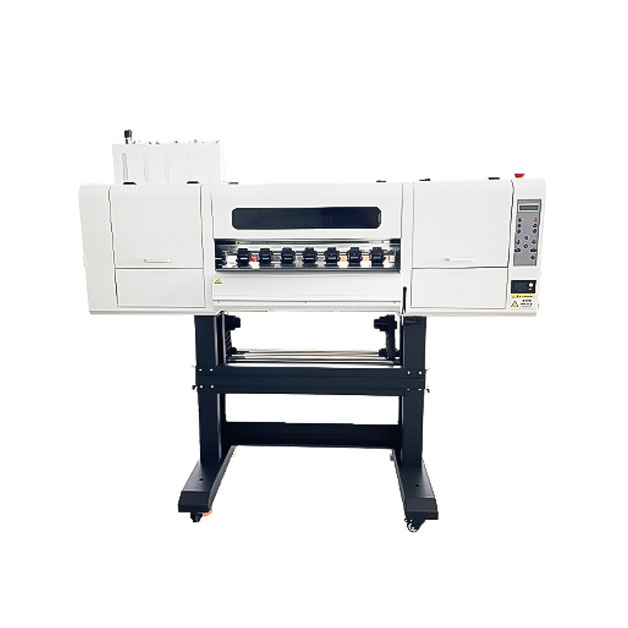
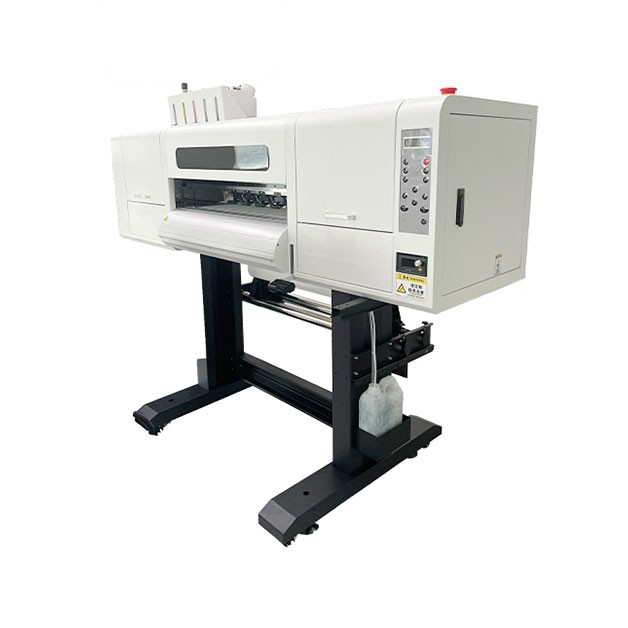
The upfront cost of equipment varies significantly between printing methods. DTF printers are the most affordable entry-level option, with models starting at $1,500-$2,500. DTG printers are more expensive, ranging from $3,000-$10,000 for a basic model. Screen printing setups are the most costly, with manual kits starting at $500-$1,000 and automatic machines costing $10,000-$50,000. For small businesses or startups, DTF printing is the most accessible option, while screen printing is better suited for high-volume operations with larger budgets.
### Cost per Print and Profit Margins
The cost per print is another important factor to consider. DTF prints cost $0.50-$1.50 per print (excluding the blank garment), depending on the design size and ink usage. DTG prints cost $1-$2 per print, while screen printing costs $0.20-$0.50 per print for large batches. However, screen printing has higher setup costs ($20-$50 per screen), making it less cost-effective for small orders. DTF printing offers the best balance of low setup costs and competitive per-print pricing, with profit margins of 60-70% for small to medium batches. For high-volume orders, screen printing has the highest profit margins, but DTF is more flexible for custom designs.
## Quality Comparison: Color, Durability, and Texture
### Color Vibrancy and Detail
Color vibrancy and detail vary between printing methods. DTF printing offers excellent color vibrancy and can reproduce complex designs with gradients, fine lines, and small text. DTG printing also produces vibrant colors but may struggle with dark fabrics, requiring a white underbase. Screen printing is ideal for solid colors and bold designs but has limited detail for complex artwork. For designs with multiple colors or intricate details, DTF printing is the best choice. For simple, bold designs, screen printing is more cost-effective.
### Durability and Wash Fastness
Durability is a key consideration for custom apparel, as customers expect prints to last for years. DTF prints are highly durable, withstanding 50+ washes without fading or peeling. DTG prints are also durable but may fade over time, especially if not cured properly. Screen printing is the most durable, with prints lasting 100+ washes, but the texture is thicker and less soft to the touch. For customers who prioritize durability and softness, DTF printing is the ideal option. For industrial or workwear applications, screen printing is more suitable.
## Speed and Versatility Comparison
### Print Speed and Turnaround Time
Print speed varies significantly between methods. DTF printers can print 1-2 shirts per minute, making them suitable for small to medium batches. DTG printers print 1-3 shirts per minute, while screen printing machines can print 10-50 shirts per minute for large batches. However, screen printing has longer setup times (30-60 minutes per design), while DTF and DTG have minimal setup time (5-10 minutes). For quick turnaround times and custom orders, DTF printing is the best choice. For large batches with the same design, screen printing is more efficient.
### Versatility: Fabric Types and Design Options
Versatility refers to the ability to print on different fabric types and design options. DTF printing is the most versatile, able to print on cotton, polyester, blends, leather, and even wood. DTG printing is limited to cotton and blends, while screen printing can print on most fabrics but struggles with synthetic materials. DTF printing also supports a wide range of design options, including 3D effects, metallic finishes, and glitter. For businesses that want to offer a variety of products, DTF printing is the most flexible option. For businesses focused on cotton apparel, DTG printing is a good choice.
## Conclusion
Choosing the right printing method depends on your business goals, budget, and target market. DTF printing is the best all-around option for small to medium businesses, offering low upfront costs, competitive per-print pricing, excellent quality, and versatility. DTG printing is ideal for businesses focused on cotton apparel and custom designs, while screen printing is best for high-volume operations with simple designs. By understanding the strengths and weaknesses of each method, you can make an informed decision that maximizes your profit margins and customer satisfaction.
*Disclaimer: The information provided in this guide is for educational purposes only. Always conduct thorough research and test different methods before making a final decision.*