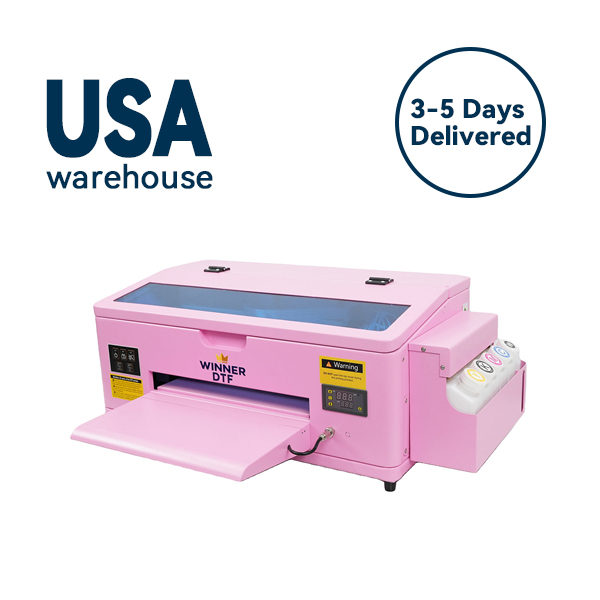
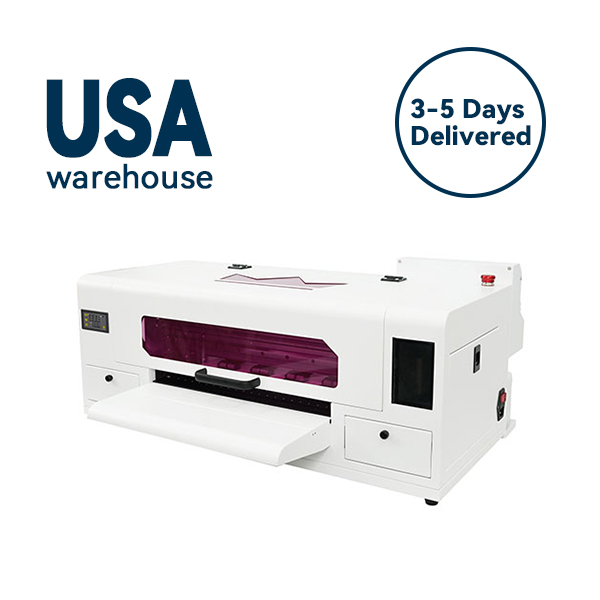
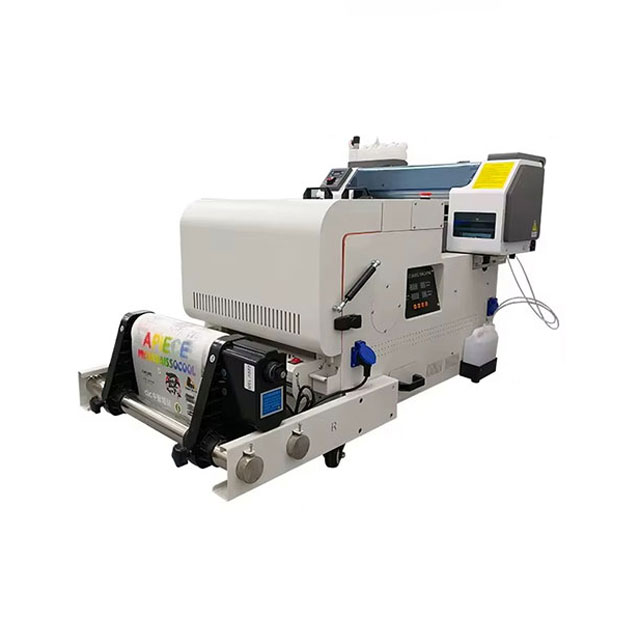
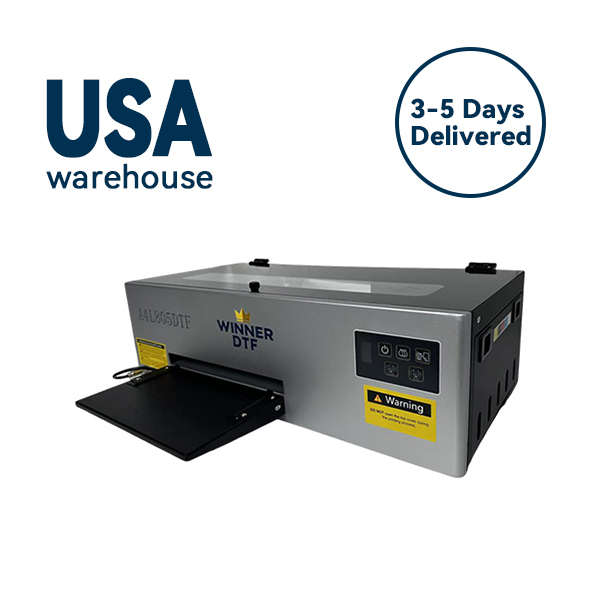
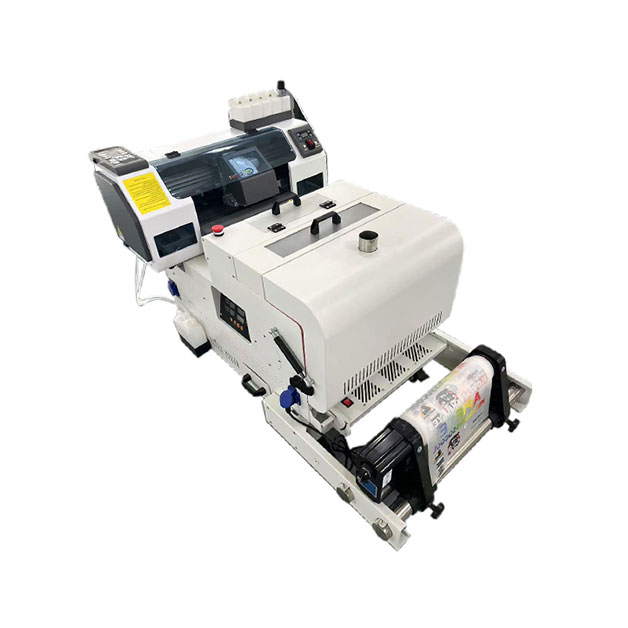
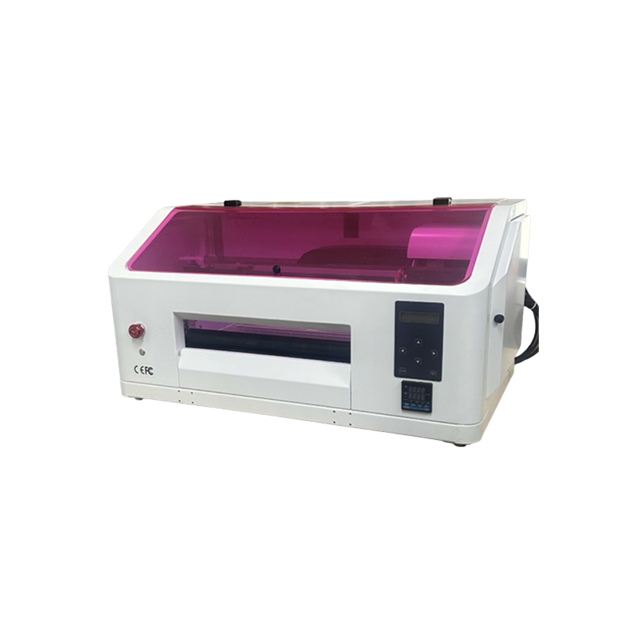
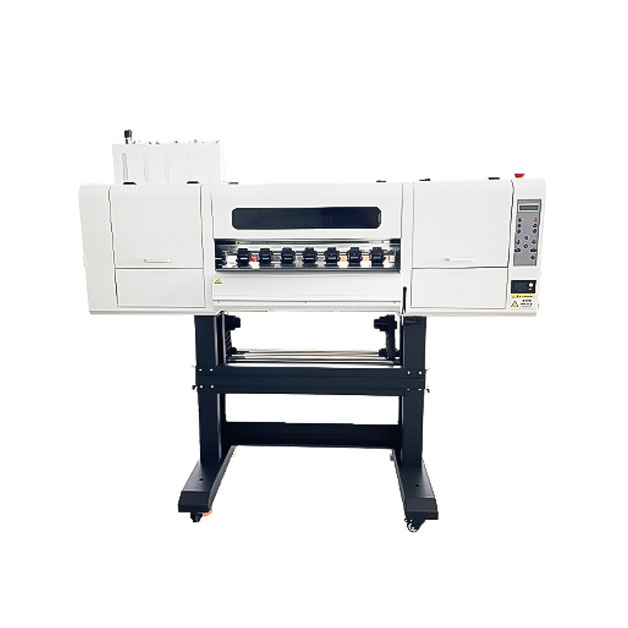
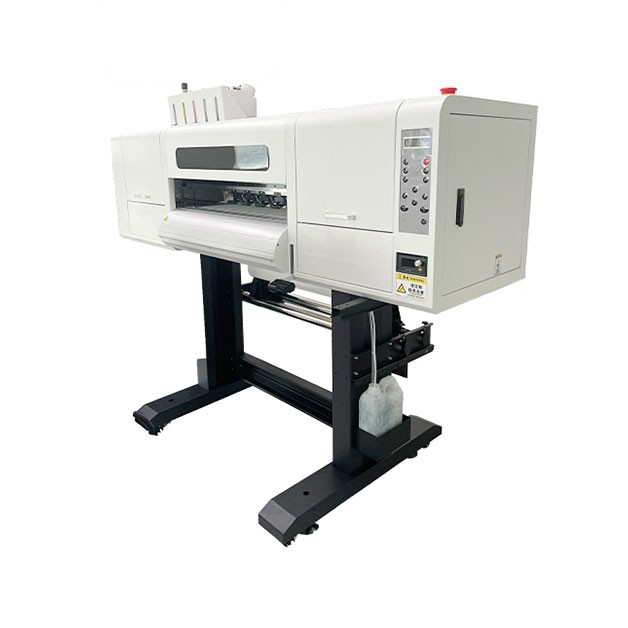
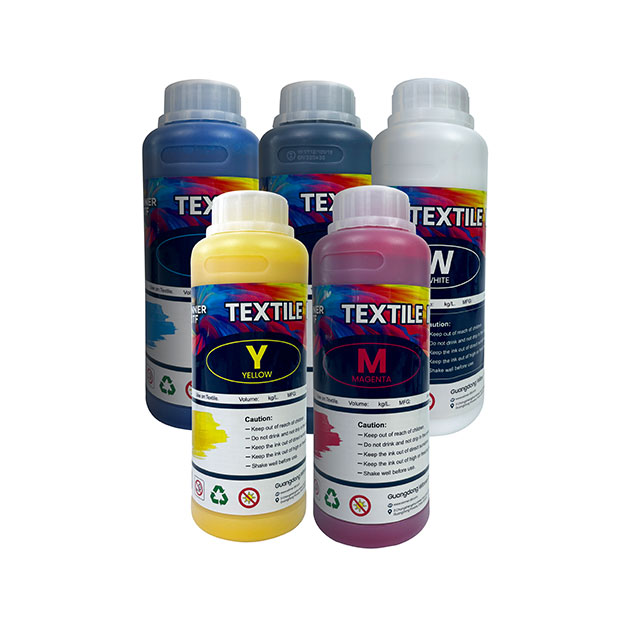
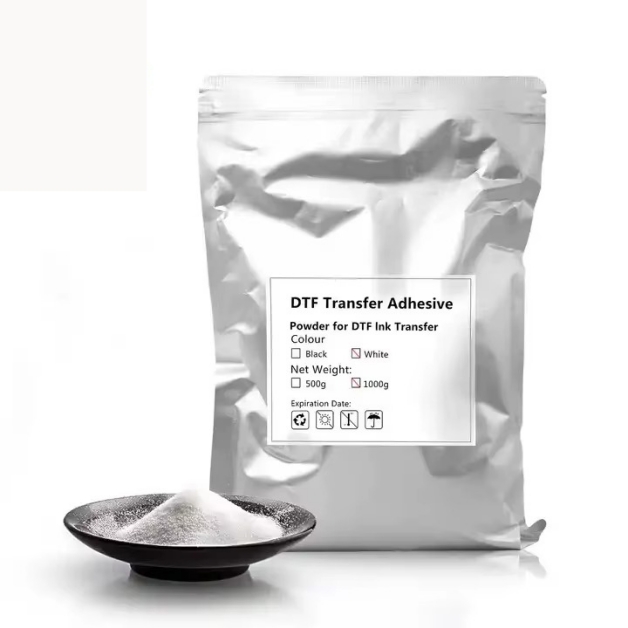

In today’s rapidly evolving landscape of personalized customization and digital printing, the A3 UV DTF printer is emerging as a shining star in the printing industry with its unique advantages. This technology not only incorporates the essence of traditional printing but also breaks through the limitations of materials and processes, offering unprecedented possibilities for small and medium-sized enterprises, entrepreneurs, and creative professionals. This article will provide an in-depth analysis of the core technology, application scenarios, and key selection points of A3 UV DTF printers, offering a comprehensive decision-making reference.
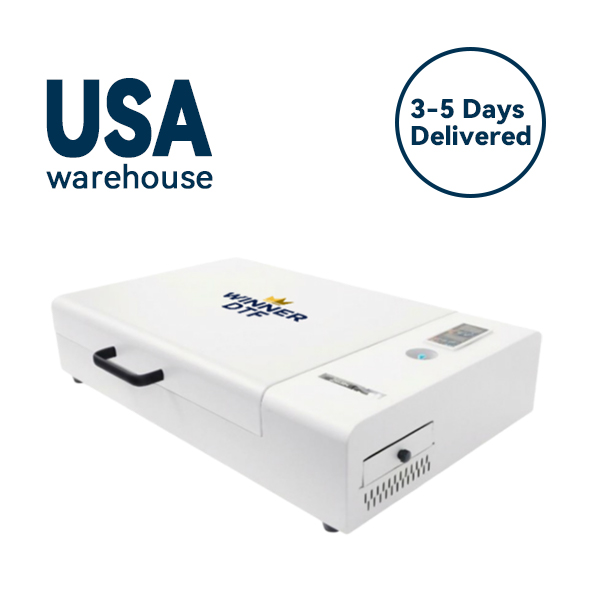
UV DTF (Direct to Film) technology is a significant breakthrough in the digital printing field in recent years. Unlike traditional DTF (heat transfer) technology which relies on hot-melt adhesive powder, UV DTF employs ultraviolet-curable inks printed directly onto specialized film. The pattern layer is instantly cured by UV lamps, followed by the application of an adhesive layer to complete the transfer film. This process eliminates the need for powder spraying and high-temperature baking, greatly simplifying the production workflow.
The key difference lies in the transfer process: traditional DTF requires high-temperature pressing at around 230°C to complete the transfer, whereas UV DTF only needs medium-to-low temperatures of 120-150°C. This significantly reduces restrictions on substrate materials. Experimental data shows that UV DTF transfer temperatures are approximately 40% lower than traditional methods, with energy consumption reduced by about 35%, making it more suitable for decorating heat-sensitive materials.
The A3 format (297 x 420 mm) is considered a medium size in the printing industry, striking a balance between production efficiency and equipment cost. Compared to A4 devices, the production capacity of an A3 UV DTF printer can increase by 50-70%, while the equipment footprint only grows by about 30%. For small studios or startups with a daily output of 200-500 pieces, A3 equipment can meet most production needs without a significant increase in investment.
Market data indicates that A3 format printed products cover approximately 65% of personalized custom products, including medium-sized posters, custom apparel graphics, and decorative skins for electronic device casings. This format is particularly well-suited for small-batch, high-variety production models, where customer orders typically range from 20 to 200 pieces, fitting perfectly within the economical production range of A3 equipment.
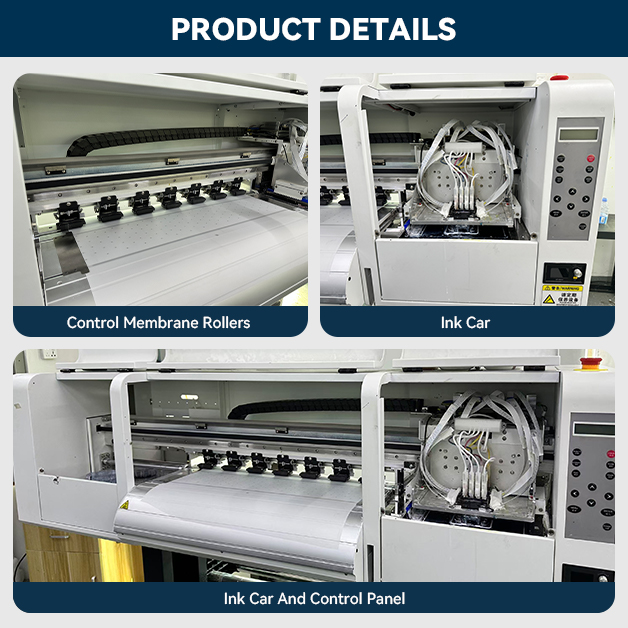
When selecting an A3 UV DTF printer, it is crucial to focus on the following performance parameters:
Balance Between Print Accuracy and Speed: Leading industrial devices can achieve a physical resolution of up to 1200 x 1200 dpi with a minimum ink droplet size of 3.5 picoliters. However, high precision often comes at the expense of speed. In actual production, the mode should be chosen based on the product type: for intricate patterns on cultural and creative products, a mode with 600 dpi or higher precision is recommended, while for batch apparel transfers, a 300 dpi production mode can be used, increasing speed by 2-3 times.
Ink System and Curing Efficiency: High-quality UV inks should feature a wide color gamut (covering over 90% of Pantone colors), strong adhesion (passing the 3M tape test), and good elasticity (elongation > 200%). Simultaneously, the UV curing system must ensure complete curing, with residual monomer content below 0.5%, to avoid issues like migration or allergies during later use. Top-tier industrial equipment features LED-UV lamps with a lifespan exceeding 20,000 hours and a power density of 5-8 W/cm².
https://www.winnerdtf.com/Long-term equipment stability directly impacts return on investment. A high-quality A3 UV DTF printer should include:
Regarding maintenance costs, beyond consumables (inks, films, adhesives), special attention should be paid to printhead lifespan and replacement costs. Industrial-grade piezoelectric printheads typically have a service life of 1.5-2 years, handling approximately 3,000-5,000 square meters of printing. Replacement costs account for about 15-25% of the total equipment price. Choosing a brand that offers printhead warranty services can significantly reduce long-term operational risks.
In the apparel customization field, UV DTF technology is changing the game. Traditional screen printing requires plate making, with minimum order quantities typically over 100 pieces, whereas A3 UV DTF enables single-piece orders, with pattern changes requiring only digital file modifications. A custom studio based in Hangzhou reported that after adopting A3 UV DTF equipment, their capacity for small orders (1-50 pieces) increased by 300%, and customer satisfaction improved by 45% due to enhanced pattern detail.
Beyond cotton fabrics, UV DTF can achieve high-quality printing on polyester, nylon, blends, and even leather. The latest technological breakthroughs enable vibrant patterns on dark fabrics, with white ink coverage precision reaching over 95%, solving the traditional DTF problem of patterns appearing dull on dark materials.
Personalization of Electronic Products: UV DTF transfer films can perfectly conform to curved surfaces like phone cases and laptop shells, with abrasion resistance tests exceeding 5,000 cycles, far surpassing traditional spray coating processes. A Shenzhen-based electronic accessories manufacturer reported that after adopting A3 UV DTF equipment, monthly output for custom casing business grew from 5,000 to 20,000 pieces, with profit margins increasing by 18%.
Innovations in Home Decor: UV DTF transfer films can be used on materials like ceramic mugs, wood products, and metal sheets. Weather resistance tests show they can last over one year outdoors without fading. A home decor designer shared, “We create unique decorative tiles for clients, with pattern costs increasing by only 40 yuan per square meter, but product premiums can reach 200-300%.”
Exploring Emerging Markets: Niche areas like pet product customization, automotive interior personalization, and sports equipment decoration are becoming new growth points for UV DTF. These markets often have diverse demands but small batch sizes, perfectly matching the production characteristics of A3 equipment.
Efficient operation of an A3 UV DTF printer requires systematic process management:
Pre-press File Processing: Design drafts should use the CMYK color mode with a resolution of 300 dpi or higher. Outlines should be expanded by 0.2-0.3 mm to prevent white edges. Professional users are advised to use color management software and create device-specific profiles (ICC Profiles) to ensure color consistency of over 95%.
Print Parameter Settings: Adjust parameters based on material type:
Transfer Process Optimization: Heat press temperature, time, and pressure require precise matching:
Pattern Peeling Issues: Usually caused by insufficient curing or improper material handling. Solutions include increasing UV curing energy by 10-15%, ensuring material surfaces are clean and free of oils, and checking if the adhesive layer is uniform and complete. If necessary, a primer can be used to enhance adhesion.
Color Deviation Control: Establish a regular color calibration routine, using color charts for weekly testing and curve adjustments. Ambient temperature and humidity should be controlled at 22-26°C and 50-60% RH to prevent ink viscosity changes from affecting color.
Uneven White Ink Issues: Adjust white ink printing parameters by increasing the number of passes (typically 4-6 passes), reducing single-layer ink volume, and employing interleaved printing modes. The multi-layer white ink printing technology in new devices can largely eliminate this problem.
In the next 2-3 years, A3 UV DTF printers are expected to show the following development trends:
Green and Eco-friendly Upgrades: Bio-based UV inks and biodegradable transfer films are under development, potentially reducing VOC emissions by over 70%. The EU’s new environmental standards are expected to take effect in 2025, giving companies that adopt eco-friendly technologies early a market advantage.
Intelligent Production Systems: Integration of AI vision inspection systems for automatic defect recognition and parameter adjustment; IoT connectivity for remote monitoring and predictive maintenance, potentially increasing Overall Equipment Effectiveness (OEE) from the current 65% to over 85%.
Multi-functional Composite Equipment: A single machine integrating UV DTF, direct-to-garment (DTG) printing, and label printing functions, with rapid switching enabled by modular design. Such “all-in-one” machines will help small businesses cover a wider range of services with limited investment.
Before investing in an A3 UV DTF printer, a systematic evaluation is recommended:
Financial Analysis: A mid-range configuration device investment is approximately 80,000 – 150,000 RMB. Assuming daily production of 200 pieces with a profit of 5 RMB per piece, the investment payback period is about 10-18 months. Considering equipment depreciation (straight-line method over 5 years) and consumable costs, stable profitability can be achieved with a monthly output exceeding 4,000 pieces.
Risk Control: Choose suppliers that offer comprehensive training and technical support to ensure rapid improvement in equipment utilization. A phased investment approach is recommended, first meeting 70% of core needs, then expanding functionalities once the business stabilizes.
Market Positioning Strategy: Avoid price competition with large factories; focus on high-value-added, quick-turnaround small-batch orders. Establish differentiated services, such as “24-hour delivery” or “designer collaboration programs,” to enhance customer loyalty.
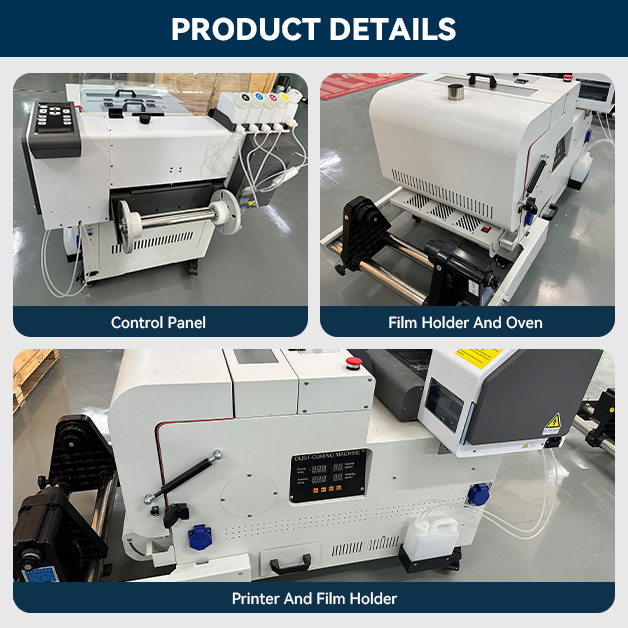
The A3 UV DTF printer represents a significant evolutionary direction in digital printing technology. It lowers the barrier to high-quality personalized printing, granting creators and small-to-medium enterprises unprecedented production capabilities. As the technology continues to mature and costs further optimize, its value will become evident in even more fields. For decision-makers considering entering or upgrading their printing business, now is an opportune time to gain a deep understanding of and invest in this technology.
Choosing a suitable A3 UV DTF device is not merely purchasing a machine; it is embracing a flexible, efficient, and innovative mode of production. In a market with growing personalized demands, this investment could very well become a key accelerator for business growth.