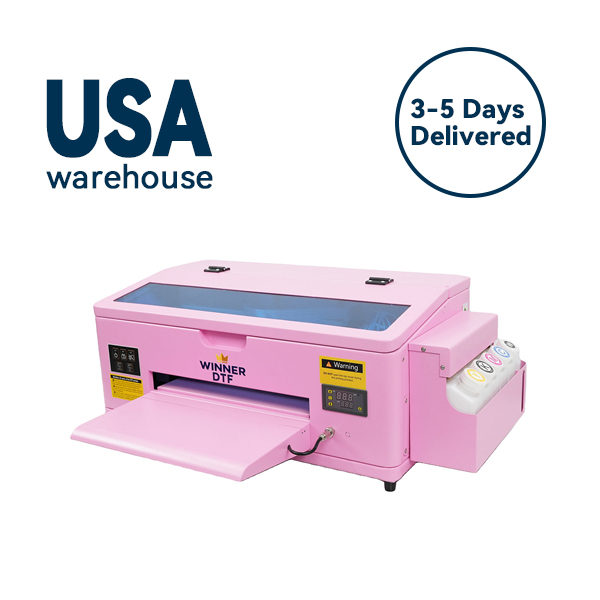
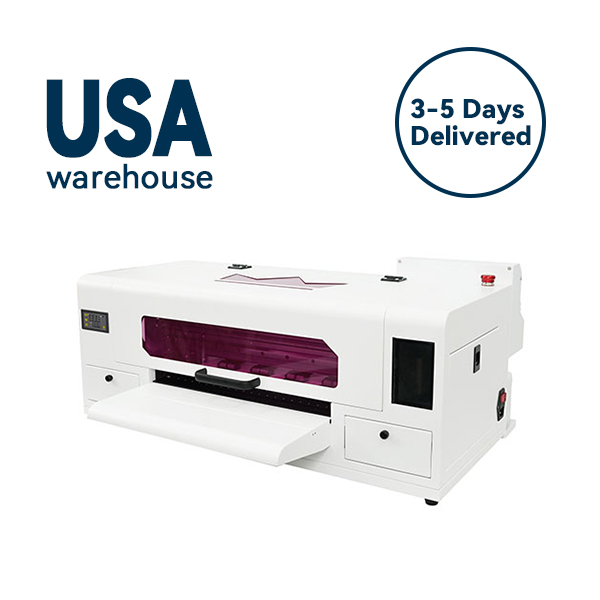
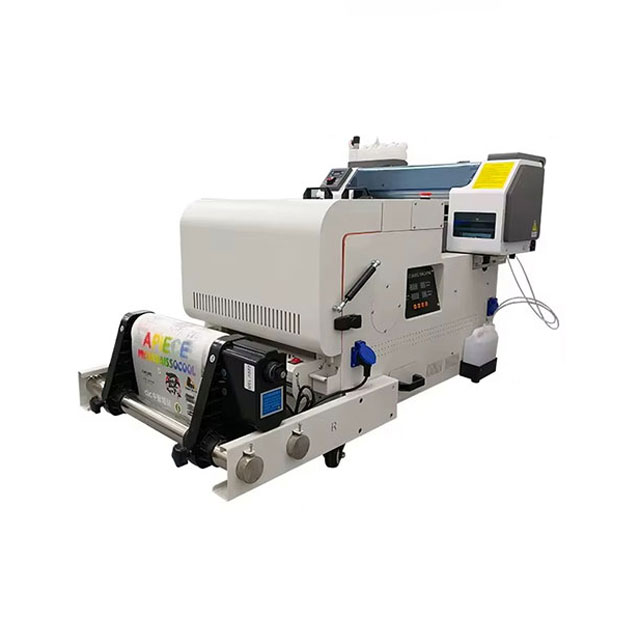
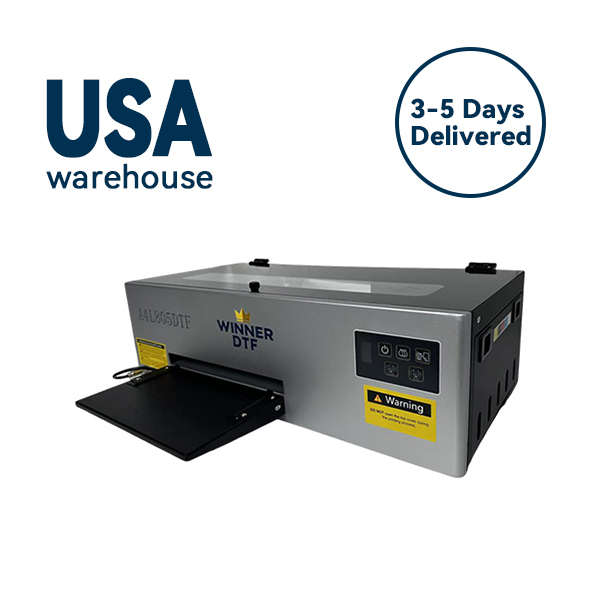

Driven by the dual forces of tightening environmental regulations and booming customized demand, UV digital printing is rapidly replacing traditional screen and offset printing processes, emerging as the preferred solution for advertising, cultural & creative industries, and industrial manufacturing. Its core advantages—instant drying, zero VOC emissions, and multi-material compatibility—set it apart from conventional methods. Drawing on the latest 2025-2026 industry cases, equipment specifications, and cost data, this guide delves into four key dimensions: technical strengths, innovative applications, cost control, and procurement pitfalls. It provides actionable strategies for businesses and entrepreneurs to capitalize on the opportunities of industry upgrading.
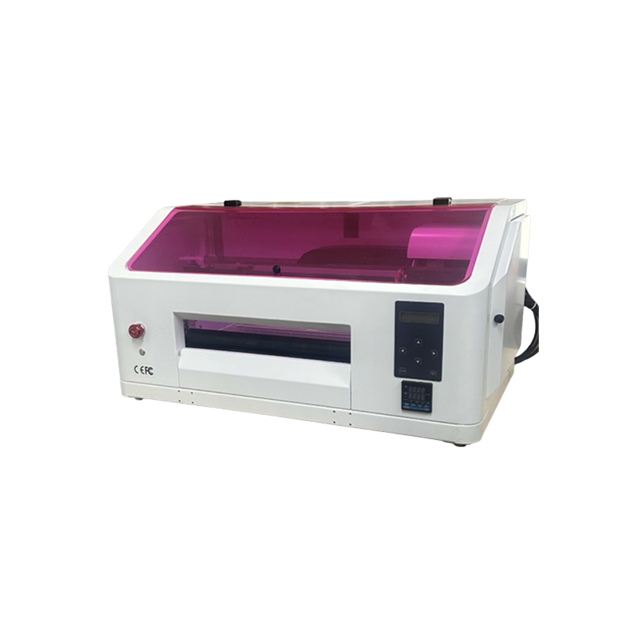
UV digital printing adopts LED curing technology, eliminating the need for traditional drying procedures and cutting energy consumption by 60% compared to mercury lamp equipment. Premium UV inks are Greenguard Gold certified—ideal for indoor environments such as schools and hospitals—with zero VOC emissions during printing, less than 1 liter of waste ink generated monthly, and zero wastewater discharge.
For example, after adopting Fujifilm’s Revoria Press™ PC1120, Zhejiang Yunling Digital successfully obtained international environmental certifications and achieved a 30% increase in overseas order conversion rates.
UV digital printing enables 1-second instant drying, eliminating waiting time for curing. Its efficiency in small-batch production rivals that of a 5-color, 4-open traditional printing press. High-end equipment like the Huadi SPRINTER Power Pro 3200 delivers a printing speed of 100㎡/hour and a resolution of up to 635×2160 dpi, supporting full-media printing on materials ranging from 52gsm thin paper to 400gsm thick cardstock and film.
For “multi-batch, small-volume” needs such as clothing labels and cultural & creative products, UV digital printing reduces production lead times by 80%.
UV digital printing achieves high-quality output on a diverse range of substrates, including specialty papers (e.g., black cardstock, kraft paper), as well as non-paper materials like glass, metal, leather, and soft films. Through processes such as white ink priming and varnish overlay, it can accurately print barcodes and metallic patterns on dark surfaces—even replacing gold stamping at a cost reduction of over 40%.
Data from Shenzhen East Dragon Technology shows that UV digital printing has been adopted across 12 mainstream industries, including advertising, building materials, automotive interiors, and electronic panels.
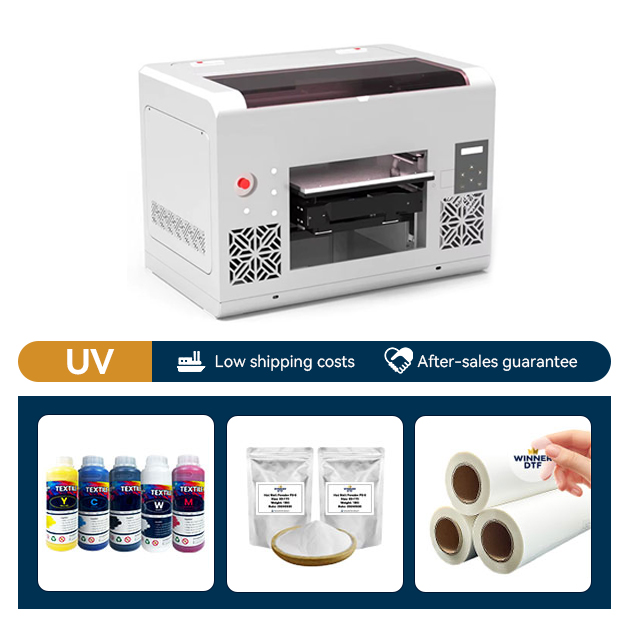
Zhejiang Yunling Digital leverages UV digital printing to achieve one-step printing on specialty materials like kraft paper and black cardstock, replacing the complex traditional process of ink printing combined with gold stamping. This innovation reduces per-batch production costs by 25% and boosts color pass rates from 92% to 99.8%. The Fujifilm equipment it uses supports 6-color one-pass printing (CMYK + gold, silver, white), meeting the stringent requirements of overseas orders for spot colors and metallic finishes.
Hangzhou Niba Technology’s UV Cloud Smart Printer enables instant print-on-demand at scenic spots such as Lu Xun’s Hometown and Shen Garden. Tourists can obtain personalized commemorative coins embedded with NFC chips in just 60 seconds, which display travel photos and cultural stories when tapped. With a daily service capacity of 2,000 visitors, the printer’s output is three times that of traditional souvenir counters—demonstrating the explosive potential of UV digital printing in consumer-facing customization scenarios.
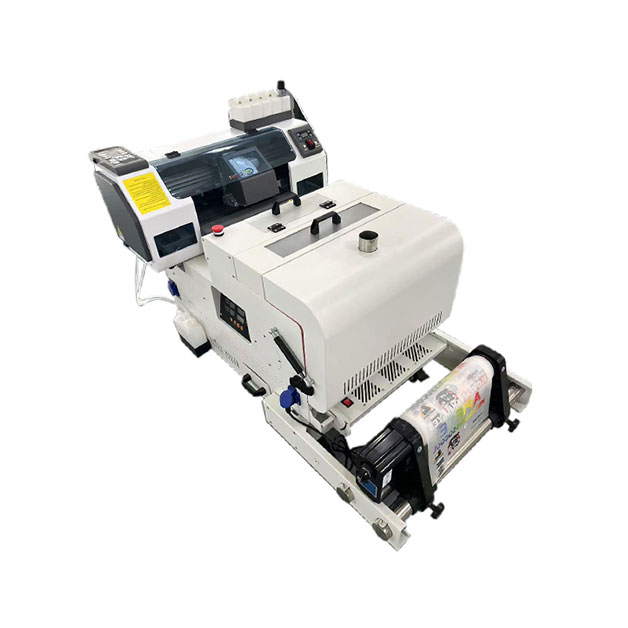
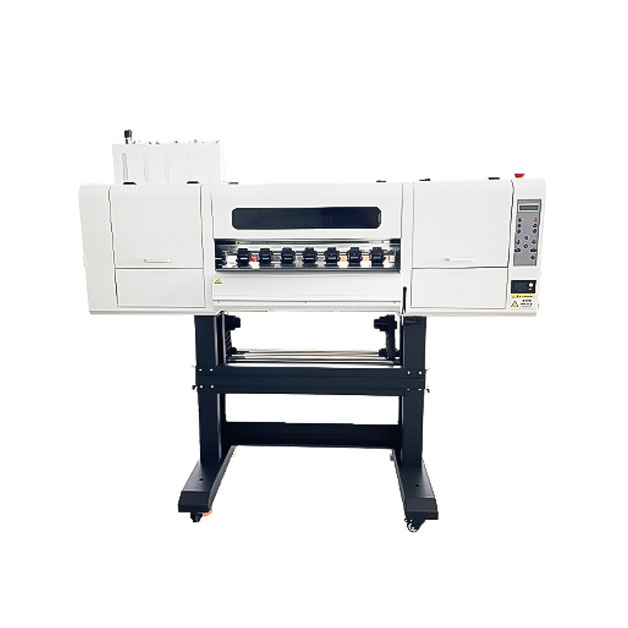
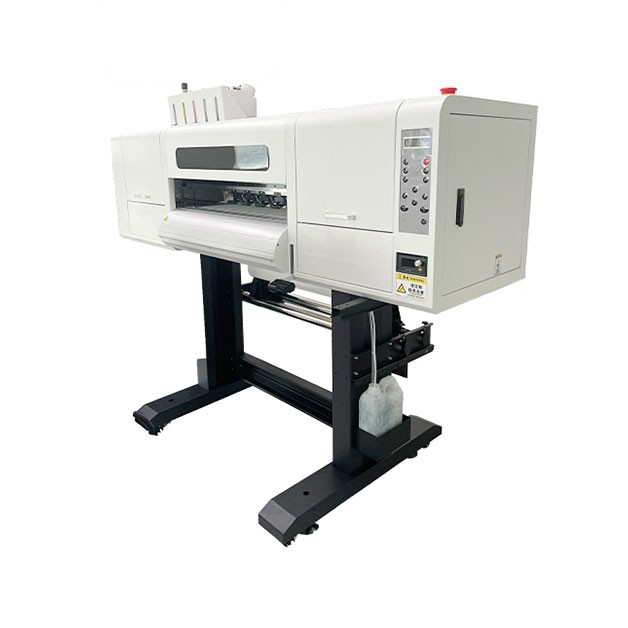
Shanghai Huadi’s upgraded 3.2m industrial-grade UV belt-driven printer supports printing on materials up to 25mm thick at a speed of 100㎡/hour. It is compatible with building materials (glass, ceramic tiles, wood) and industrial products (furniture veneers, kitchen back panels). Equipped with Konica 1024a printheads and an automatic ink supply system, the printer maintains a defect rate below 0.1%, making it a core equipment for medium and large manufacturing enterprises to reduce costs and enhance efficiency.
Case Study: An advertising company invested ¥800,000 in a domestic UV printer, generating ¥4 million in annual revenue and ¥2.15 million in net profit—achieving a payback period of 4–6 months.
Low-cost equipment often leads to high failure rates and excessive consumable waste. While premium, reliable equipment (e.g., Fujifilm, Huadi) requires a higher initial investment, it reduces long-term maintenance and waste costs significantly.
Outdoor advertising prioritizes speed and weather resistance, while cultural & creative products demand high precision and white ink performance. Blindly pursuing ultra-high DPI will lower return on investment (ROI).
High-quality RIP (Raster Image Processor) software determines color reproduction accuracy. After-sales response time (recommended ≤24 hours) and training services directly impact production capacity.
With the integration of AI design systems and cloud management platforms, UV digital printing will realize end-to-end digitalization of the “creativity-production-delivery” workflow (e.g., Niba Technology’s cloud smart printer). Meanwhile, stricter environmental policies will drive the localization rate of UV inks upward, with the industry’s comprehensive costs expected to drop by an additional 15% in 2026.
For businesses, early adoption of UV digital printing technology will not only help capture the dividends of green development but also unlock high-value-added markets through customized services.