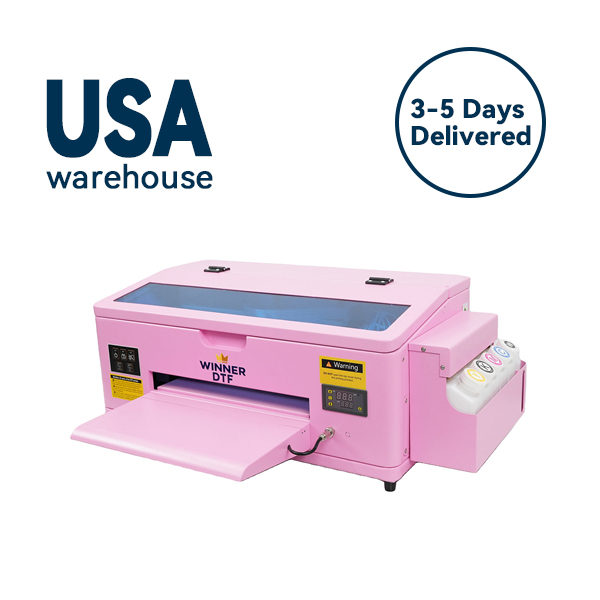
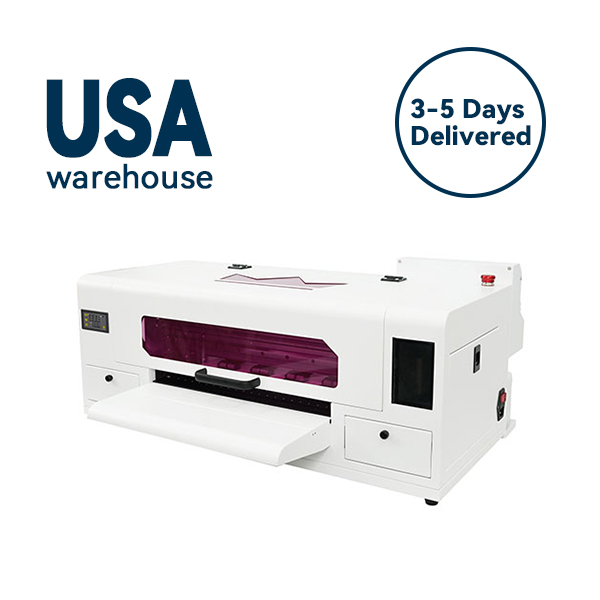
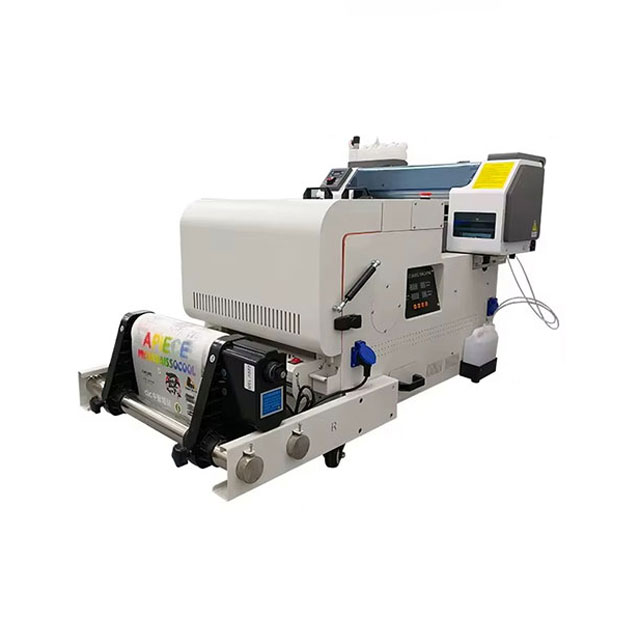
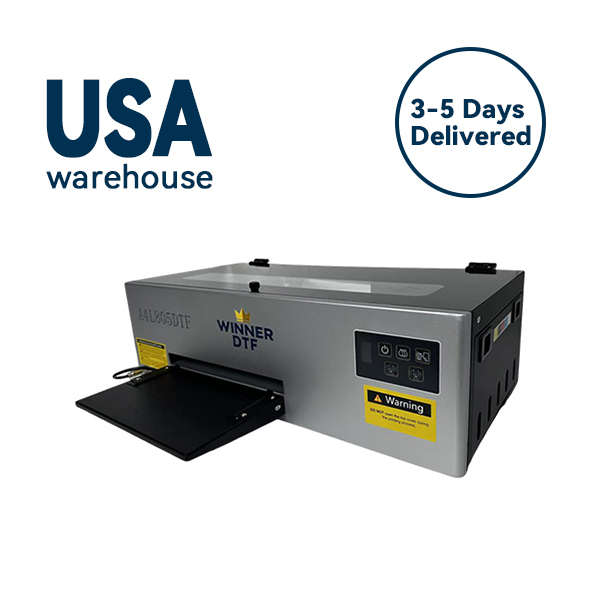
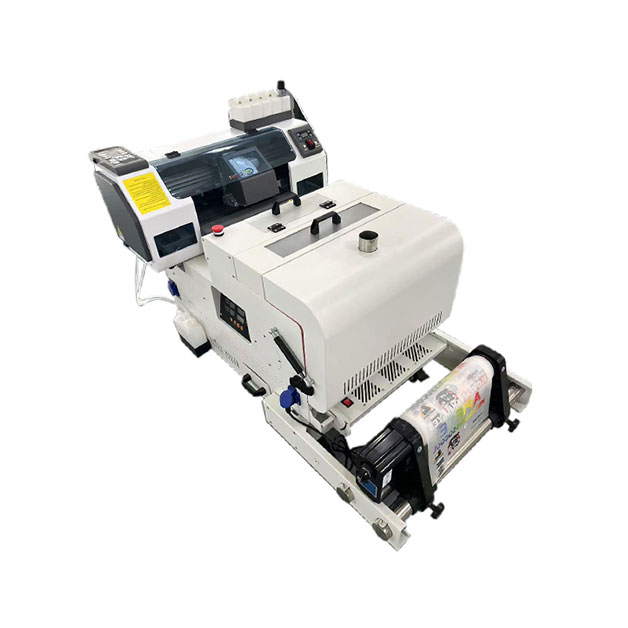
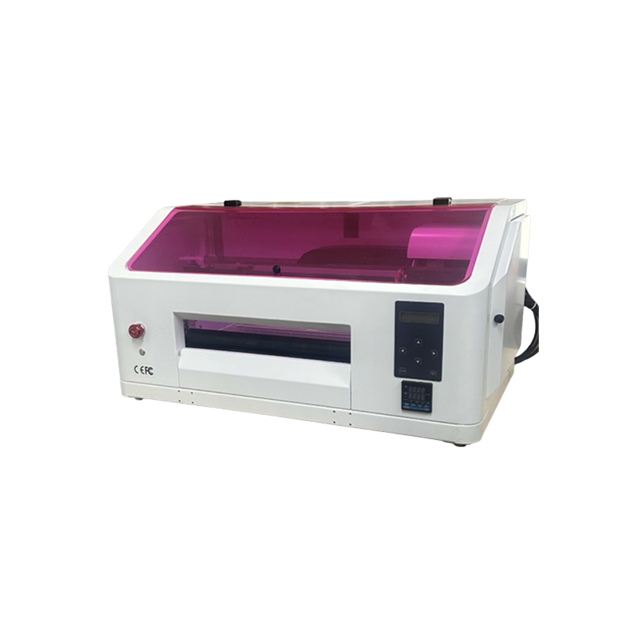
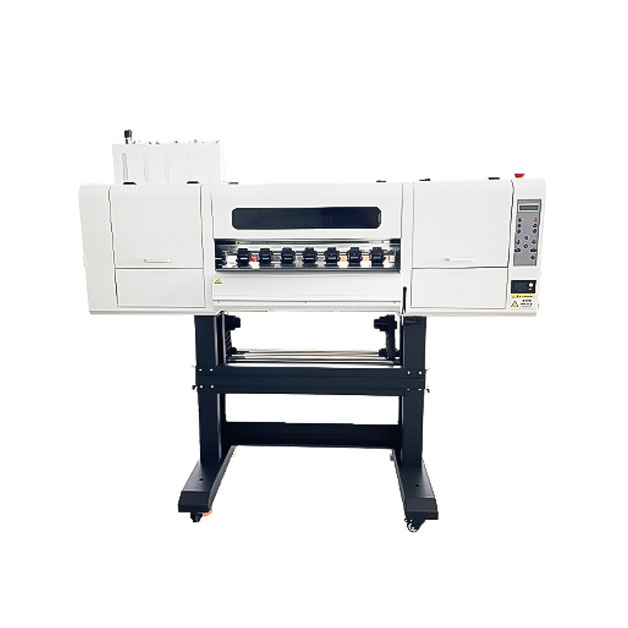
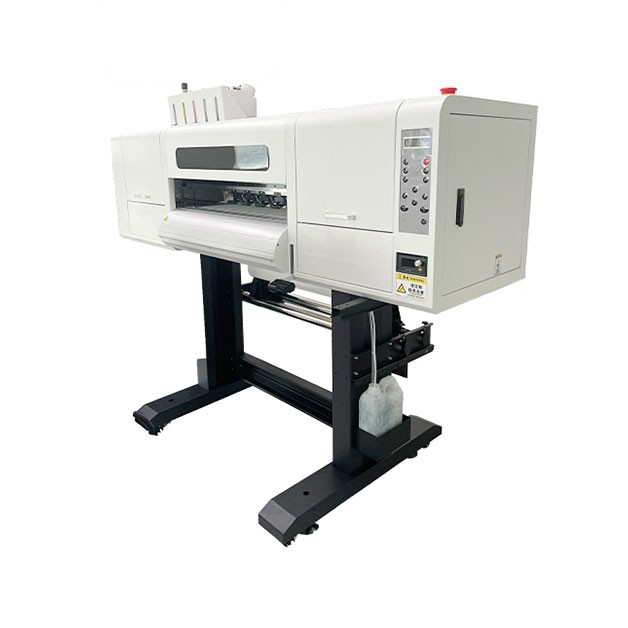

With the surge in demand for small-batch customized apparel and cultural and creative products, DTF (Direct to Film) printers have become the first choice for small and medium-sized manufacturers due to their “no plate-making required” and “multi-material compatibility” features. However, most users end up with idle equipment or losses because they lack understanding of parameters and ignore hidden costs. Combining Q3 2025 data from the China Printing and Equipment Industry Association and practical cases from over 10 factories, this article breaks down core issues of DTF printers from three aspects—purchasing, operation, and cost—to help you avoid detours.
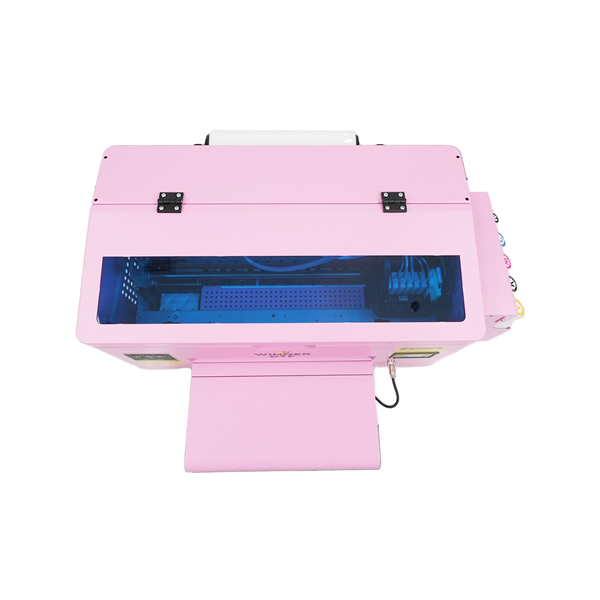
I. First, Understand: Why Are DTF Printers More Suitable for Small & Medium Manufacturers Than Screen Printing/DTG?
Traditional screen printing requires plate-making (costing 500-2000 RMB per plate) and is only suitable for batches of over 10,000 pieces. DTG (Direct to Garment) has strict fabric requirements (only cotton works well) and ink costs as high as 8-12 RMB per square meter. In contrast, DTF printers have three core advantages:
II. Must-Know for Purchasing: 3 Misconceptions That Cause Losses for 90% of Users (with Parameter Interpretation Table)
Misconception 1: Focus Only on “Low Price” and Ignore Print Head Lifespan (A Hidden Cost Bomb)
In 2024, a small apparel factory bought an unbranded DTF printer for 18,000 RMB. Its print head became clogged and useless after only 300 hours of use. Replacing it with an original Epson I3200 print head cost 6,000 RMB, and the 20-day waiting period for delivery led to 30,000 RMB in losses due to delayed orders. Truth: The print head is the core component of a DTF printer, and its lifespan directly affects costs. Focus on the following comparisons when purchasing:
| Print Head Type | Lifespan (Hours) | Suitable Monthly Output (Pieces) | Cost per Replacement (RMB) | Recommended Scenarios |
| Epson I3200-A1 | 800-1200 | Below 5,000 | 4,000-6,000 | Small-batch customization (cultural and creative products, streetwear) |
| Ricoh G5 | 1500-2000 | 10,000-20,000 | 8,000-12,000 | Medium-sized factories (apparel, home textiles) |
| Konica 1024 | 2000-2500 | Above 20,000 | 15,000-18,000 | Large-scale OEM factories |
Misconception 2: Overlook the “White Ink Circulation System,” Leading to White Ink Clumping and Wastage
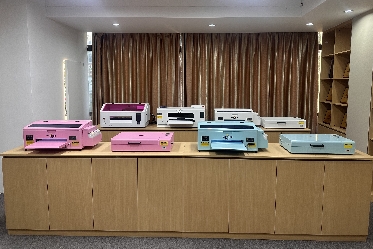
In DTF printing, white ink (used for undercoating dark fabrics) easily settles and clumps. Without a “dual-circulation stirring system,” 200-500ml of white ink (priced at 120 RMB per liter) is wasted weekly, resulting in annual losses exceeding 10,000 RMB. Purchasing Key: Confirm whether the equipment has a “ink cartridge stirring + main tank circulation” dual system with a circulation frequency of ≥30 minutes per cycle—this can reduce white ink waste by 80%.
Misconception 3: Neglect After-Sales Response, Losing Over 5,000 RMB per Day of Downtime
In March 2025, a luggage factory experienced a curing lamp failure. The unbranded manufacturer failed to send technicians for 48 hours, causing delays in 1,200 orders and 8,000 RMB in compensation to customers. Professional Advice: Prioritize brands with “after-sales response ≤24 hours” (e.g., domestic leading brands like Handtop and Runsky, or imported brands like Mimaki and Mutoh). Also, confirm if there are local maintenance outlets to avoid delays from cross-province repairs.
III. Practical Tips: Multi-Material Printing Parameter Table (Ready-to-Use for Beginners)
Most users encounter issues like “ink peeling” and “blurry edges” due to incorrect parameter settings after purchasing equipment. Below are practical parameters verified by over 10 factories (based on a 1.6m width DTF printer with Epson I3200 print head):
1. Printing Parameters for Common Fabrics (Ink Volume + Temperature + Speed)
| Fabric Type | Color Ink Volume (%) | White Ink Volume (%) | Curing Temperature (℃) | Curing Time (Seconds) | Printing Speed (mm/s) | Pre-Treatment Requirements |
| Cotton (200g/㎡) | 70-75 | 85-90 | 130-135 | 15-20 | 60-70 | No pre-treatment needed |
| Polyester (Quick-Dry) | 65-70 | 80-85 | 125-130 | 12-15 | 50-60 | Spray anti-bleeding agent (1:3 dilution) |
| Artificial Leather | 75-80 | 90-95 | 120-125 | 18-22 | 45-55 | Spray leather-specific pre-treatment agent |
| Thick Canvas | 80-85 | 95-100 | 135-140 | 20-25 | 40-50 | Pre-ironing (150℃, 5 seconds) |
2. Troubleshooting for 3 Common Issues (Faced by 90% of Users)
Causes: Circulation system not activated / expired ink; Solutions: ① Turn on the dual-circulation system and stir for 30 minutes; ② Soak the print head in special cleaning solution for 2 hours (do not use alcohol—it corrodes the print head).
Causes: Insufficient curing temperature / inadequate pressure; Solutions: ① Increase temperature by 5-10℃ and extend time by 3-5 seconds; ② Re-press with a heat press (140℃, 5 seconds, pressure 0.3MPa).
Causes: Uneven printing platform / uneven film tension; Solutions: ① Calibrate the platform with a level (error ≤0.5mm); ② Adjust the film shaft tension knob (tighten clockwise, loosen counterclockwise).
IV. Cost Calculation: 8,000 Pieces Monthly Output, Only 4.63 RMB per Piece (with Formula)
Many users mistakenly believe “cheaper DTF printers are more cost-effective,” but in reality, you need to calculate the total cost of “equipment + consumables + labor.” Below is the latest 2025 cost calculation (based on 8,000 T-shirts per month, with a print area of 0.3㎡ per piece):
1. Cost Composition Formula
Unit Cost = Equipment Depreciation Cost + Consumable Cost + Labor Cost + Utility Cost
2. Detailed Calculation (100,000 RMB Equipment, 5-Year Depreciation)
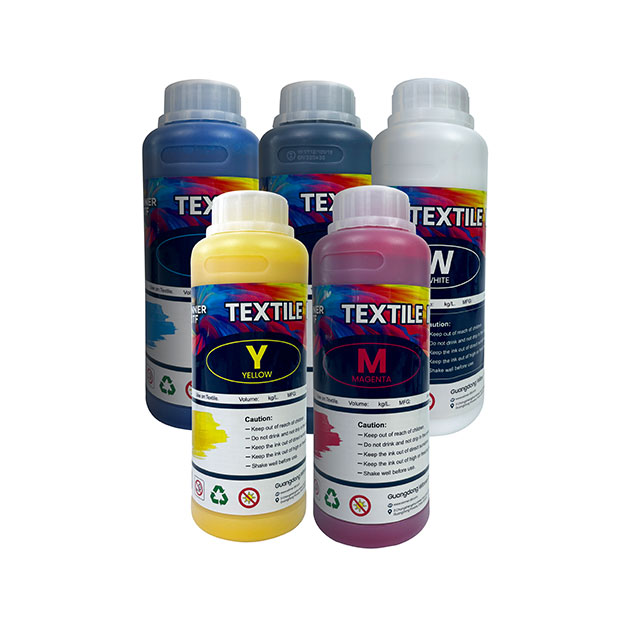
① Ink: 120 RMB/L (1L prints 15㎡) → 8,000 × 0.3 ÷ 15 × 120 = 19,200 RMB/month → 2.4 RMB per piece;
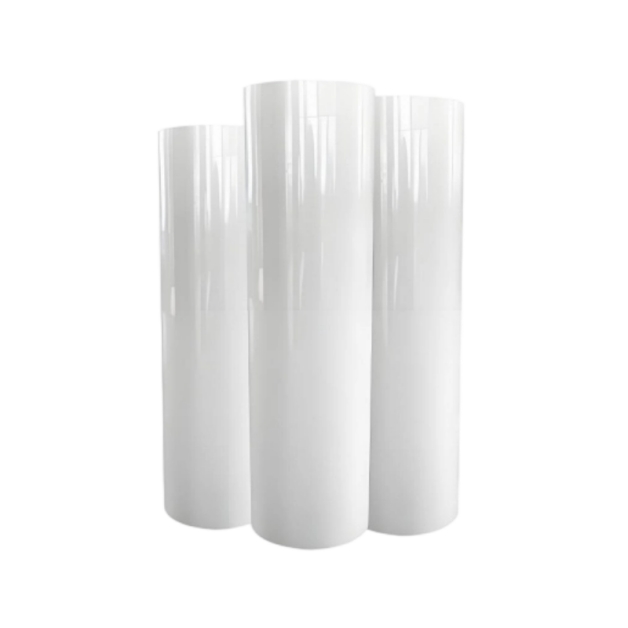
② Transfer Film: 0.8 RMB/㎡ → 8,000 × 0.3 × 0.8 = 1,920 RMB/month → 0.24 RMB per piece;
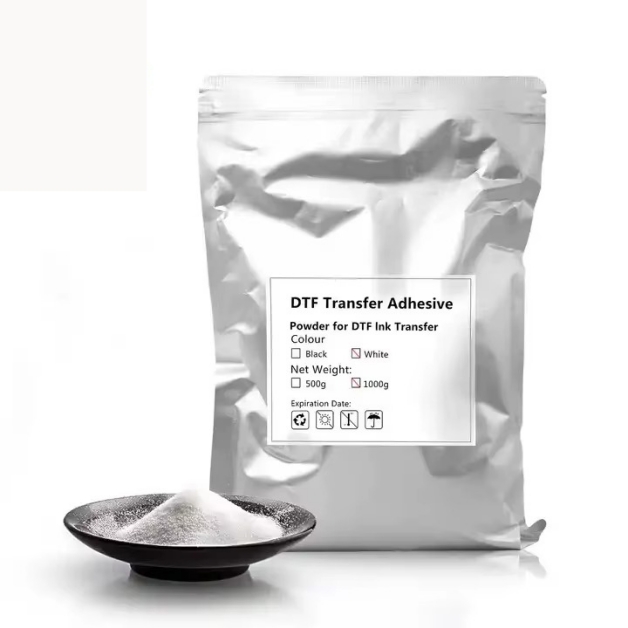
③ Adhesive (to enhance adhesion): 50 RMB/bottle (prints 300 pieces) → 8,000 ÷ 300 × 50 ≈ 1,333 RMB/month → 0.17 RMB per piece;
Total Consumable Cost: 19,200 + 1,920 + 1,333 = 22,453 RMB/month → 2.81 RMB per piece;
3. Total Cost Summary
Unit cost ≈ 0.21 (depreciation) + 2.81 (consumables) + 1.5 (labor) + 0.11 (utilities) = 4.63 RMB?
Optimization Tip: If monthly output increases to 12,000 pieces (with 2 operators still), the unit cost can drop to 3.85 RMB (labor cost per piece is reduced to 1 RMB).
V. 2025 DTF Printer Technology Trends (Avoid Outdated Purchases)
According to the Q3 2025 industry report, the following three technologies have become mainstream—prioritize them when purchasing:
Conclusion: Choose the Right DTF Printer, Small Factories Can Also Earn Over 50,000 RMB Monthly
DTF printers are not “the more expensive, the better”—”matching output + adapting to materials” is the key. For monthly output below 5,000 pieces, choose a 1.2m width model (equipment price 25,000-40,000 RMB); for monthly output above 10,000 pieces, choose a 1.6m width model (60,000-100,000 RMB). Remember: The print head, white ink circulation system, and after-sales service are the three core factors. You can directly apply the parameter tables in this article and use the formula to calculate costs to avoid blind following.
If you need a comparison of specific models (e.g., Handtop HT-DTF1600 vs. Runsky RT-1600) or a customized cost calculation sheet, leave a message with your output volume and main product category, and I will provide a free analysis.