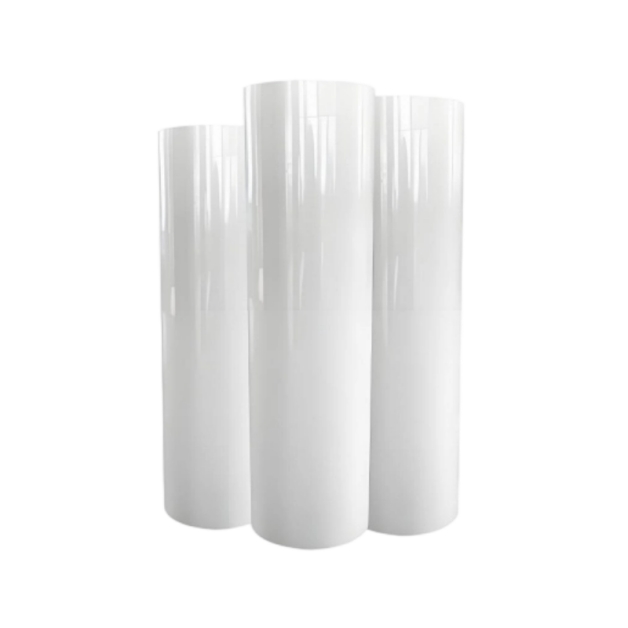
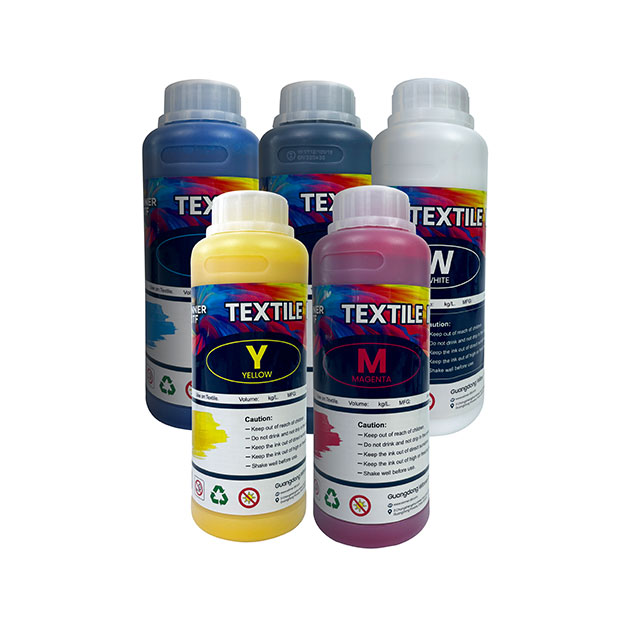


Scaling a DTF printing business from small batches to bulk orders requires strategic planning, automation, and process optimization. While DTF printing is ideal for custom designs, it can also handle high-volume orders with the right tools and workflows. In this guide, we’ll explore how to streamline your operations, attract bulk clients, and use automation to increase efficiency and profit margins.
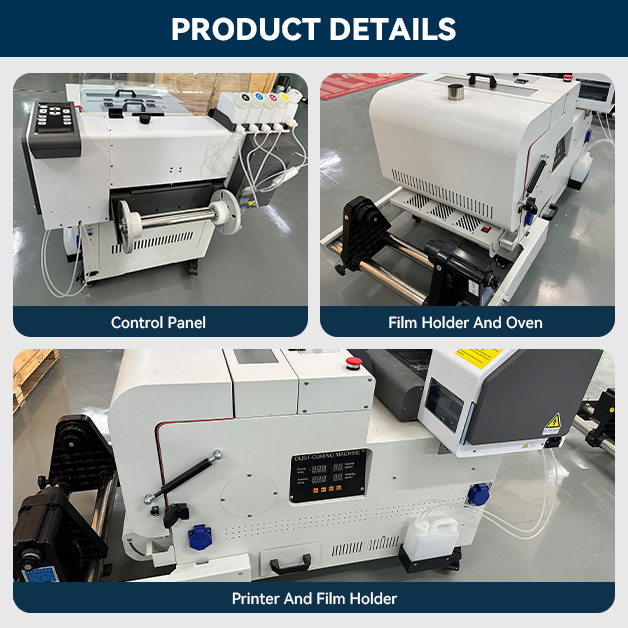
Workflow optimization is key to handling bulk orders efficiently. Start by creating a standardized process for order intake, design approval, printing, and shipping. Use project management software like Trello or Asana to track orders and assign tasks to team members. For design approval, use online tools like ProofHQ to get client feedback quickly and avoid revisions. For printing, batch similar designs together to reduce setup time—e.g., print all white underbases first, then color layers. Finally, use shipping software like ShipStation to automate label creation and tracking. By streamlining your workflow, you can reduce turnaround time from 3-5 days to 1-2 days for bulk orders.
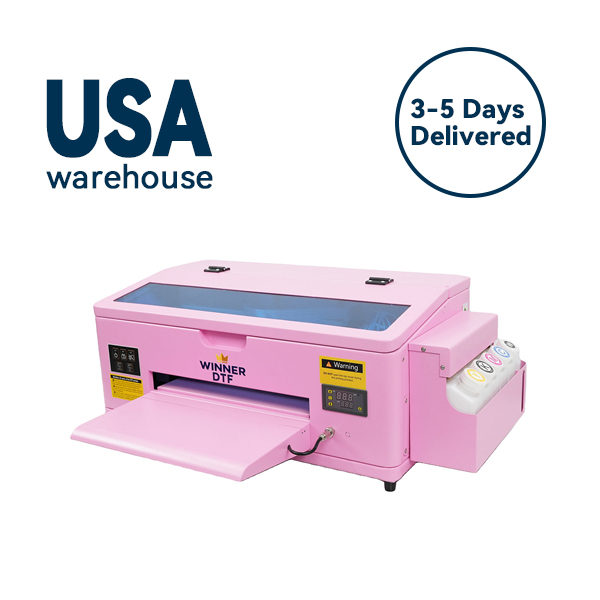
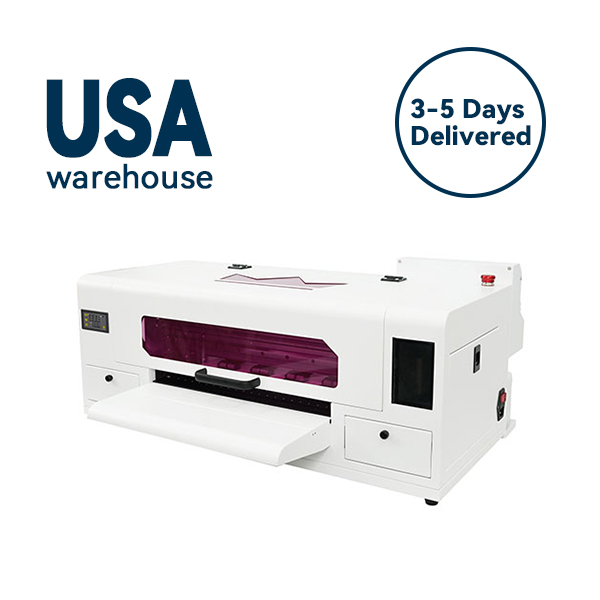
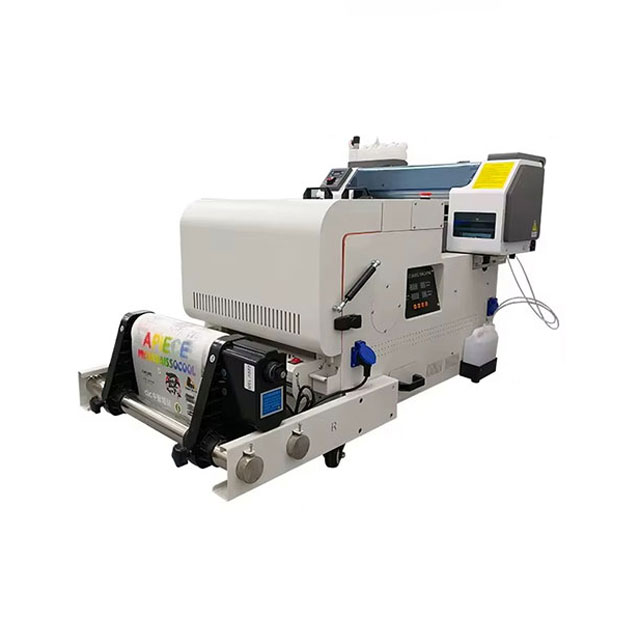
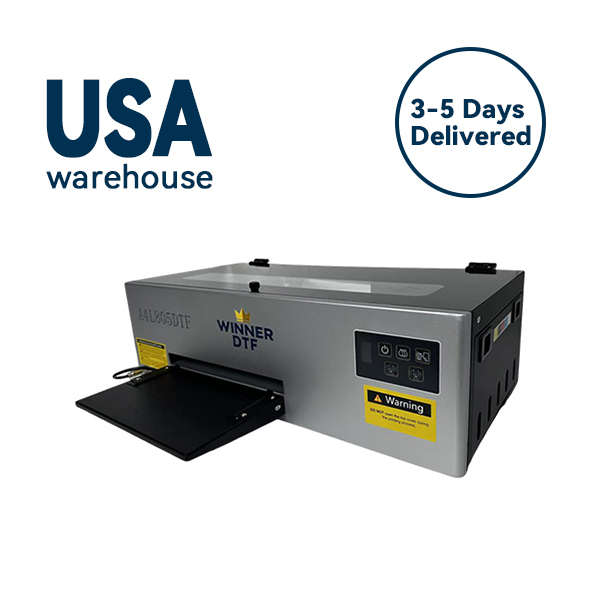
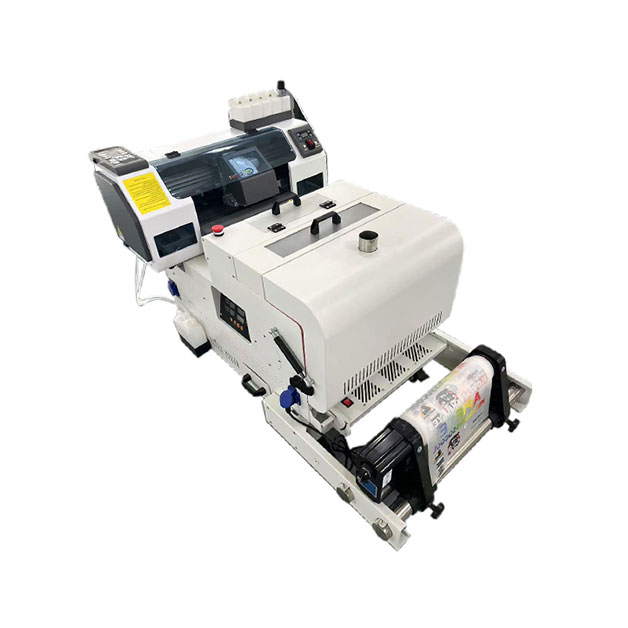
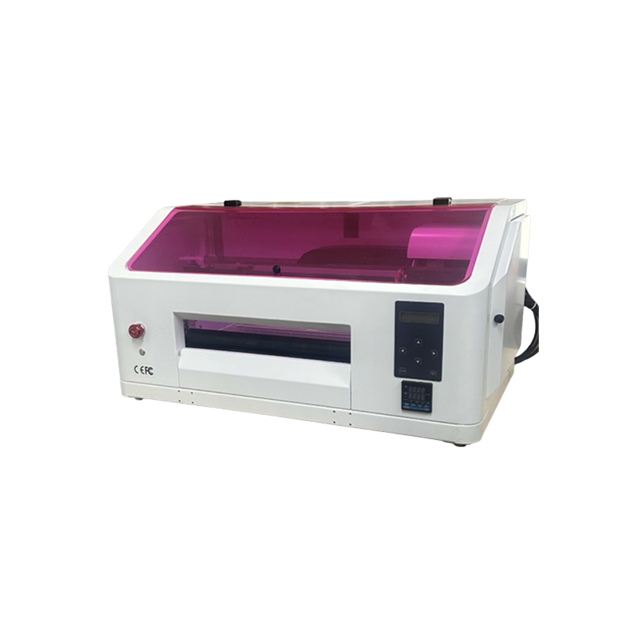
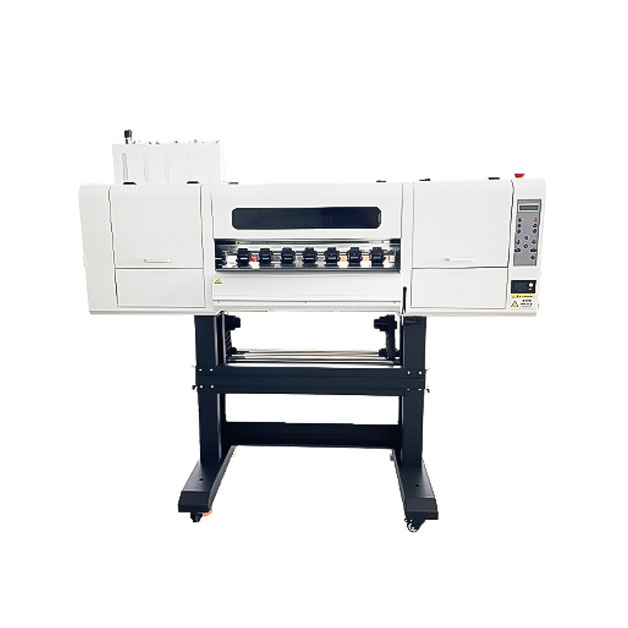
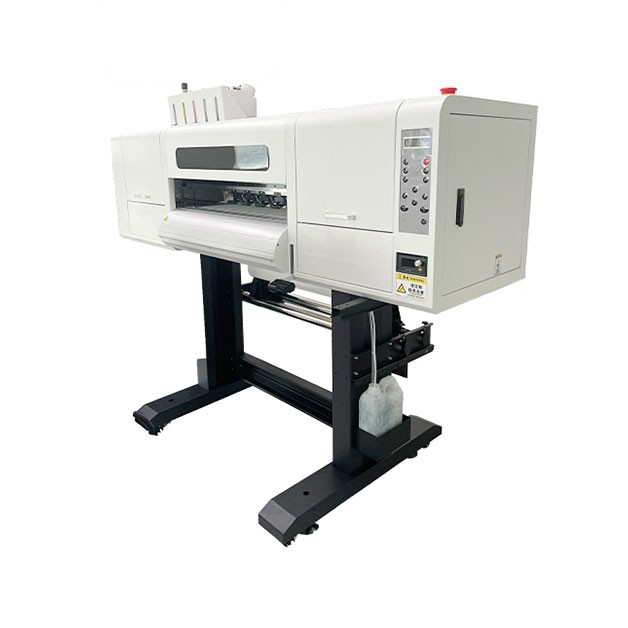
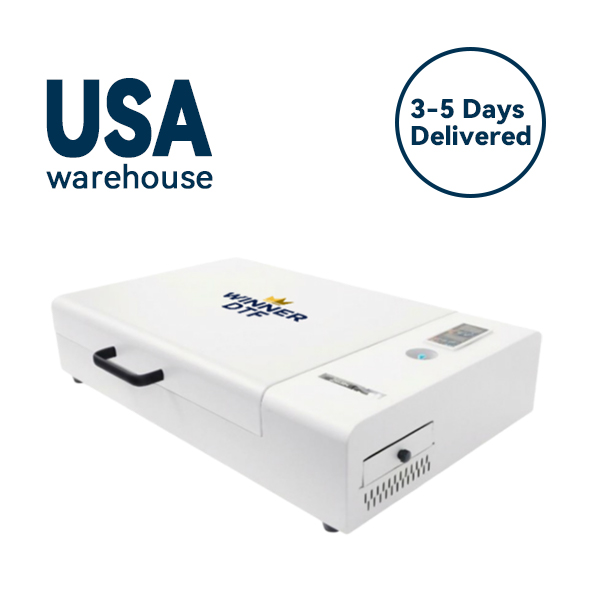
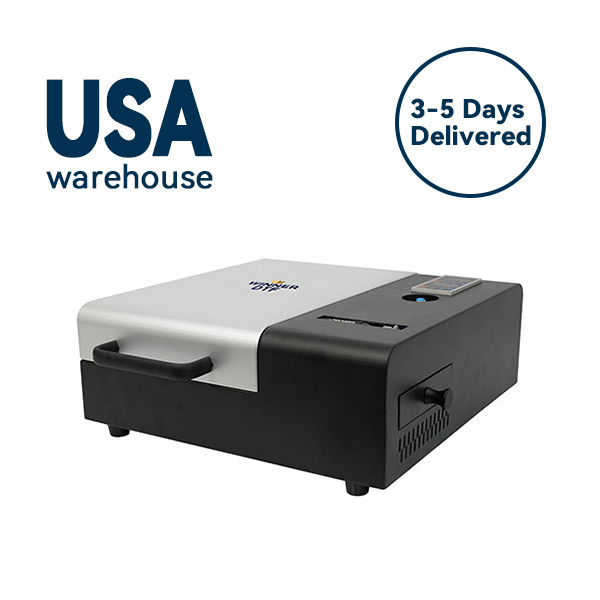
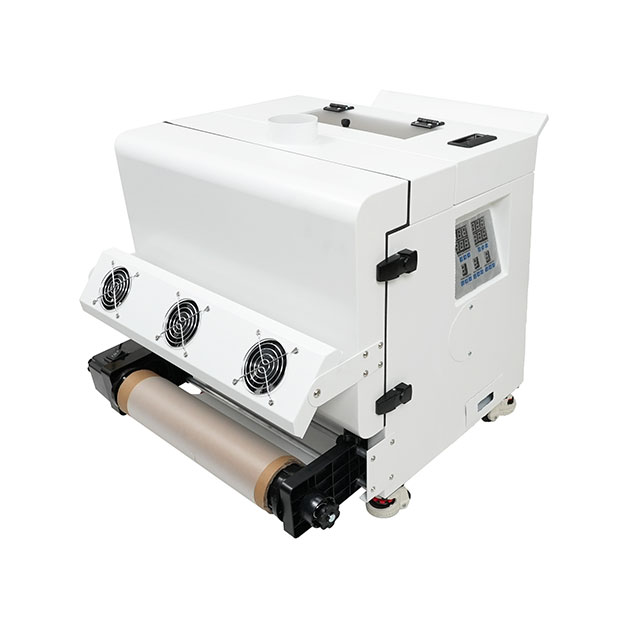
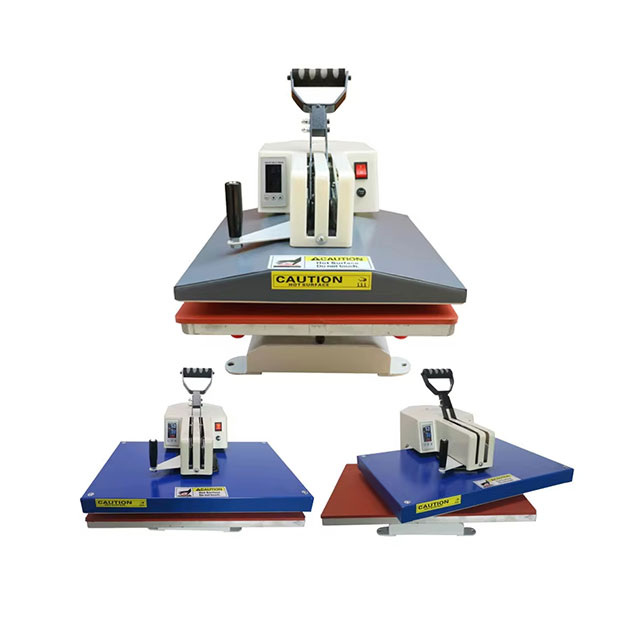
Upgrading your equipment is essential for scaling to bulk orders. Invest in a high-speed DTF printer (e.g., Epson SureColor F2100) that can print 10-15 shirts per hour. Add a conveyor dryer to cure prints automatically, reducing manual labor and increasing throughput. For powder application, use an automatic powder shaker that can apply adhesive powder to multiple prints at once. Additionally, invest in a heat press with a large platen (e.g., 16×20 inches) to print multiple small designs at once. These upgrades can increase your production capacity by 200-300% and reduce labor costs by 50% or more.
Corporate clients and event planners are a lucrative market for bulk DTF printing. They often need custom apparel like t-shirts, hoodies, and hats for corporate events, trade shows, and employee uniforms. To target this market, create a B2B website that highlights your bulk printing capabilities, turnaround times, and pricing. Offer custom quotes for large orders and provide samples to showcase your quality. Network with local businesses at chamber of commerce events and online forums. Partner with event planners to offer bundled services like custom apparel and event branding. By focusing on corporate clients, you can secure recurring bulk orders and increase your revenue.
E-commerce platforms like Shopify and WooCommerce are another great source of bulk orders. Many online stores need custom apparel for their brand or to offer personalized products to customers. To tap into this market, integrate your DTF printing services with e-commerce platforms using apps like Printful or CustomCat. Use automated order management software to handle large volumes of orders without manual input. Offer bulk discounts for orders of 50+ items and provide fast shipping to meet customer expectations. By integrating with e-commerce platforms, you can reach a global audience and scale your business without increasing your workload.
Automation tools can reduce manual labor and increase efficiency in DTF printing. Use AI-powered design tools like Canva Pro or Adobe Express to create custom designs quickly. For bulk orders with variable data (e.g., names or numbers on shirts), use variable data printing software like BarTender or NiceLabel to automate design creation. Additionally, use print management software like RIP software to optimize print jobs and reduce ink waste. These tools can reduce design time by 70% and increase your production capacity by 50% or more.
Robotic Process Automation (RPA) can automate repetitive tasks like order entry, invoicing, and shipping. Use RPA tools like UiPath or Automation Anywhere to create bots that extract order details from emails or e-commerce platforms, generate invoices, and update shipping information. This can reduce manual labor by 80% and eliminate human error. For example, a bot can automatically process 100+ orders per hour, compared to 10-20 orders per hour manually. By using RPA, you can focus on growing your business instead of managing administrative tasks.
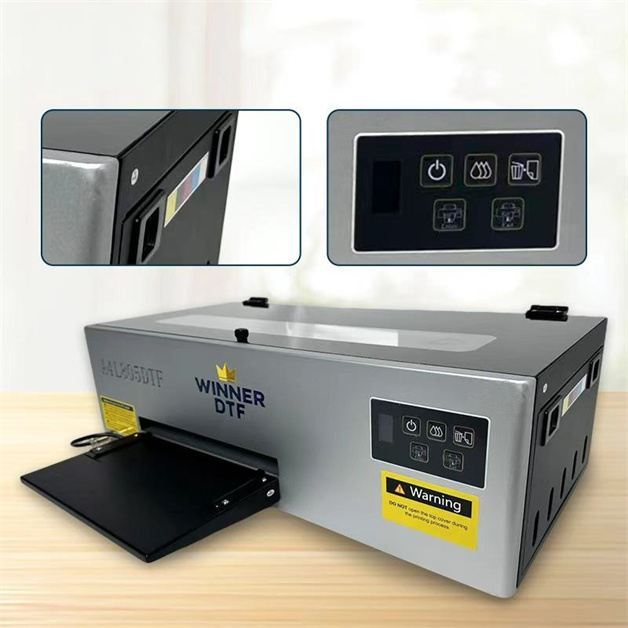
Scaling a DTF printing business with bulk orders and automation is achievable with the right strategies and tools. By streamlining your workflow, upgrading your equipment, targeting bulk clients, and using automation, you can increase your production capacity, reduce labor costs, and boost profit margins. Whether you’re a small business owner or a seasoned professional, this guide provides you with the knowledge and strategies to take your DTF printing business to new heights. Invest in the right tools, focus on efficiency, and watch your business grow.