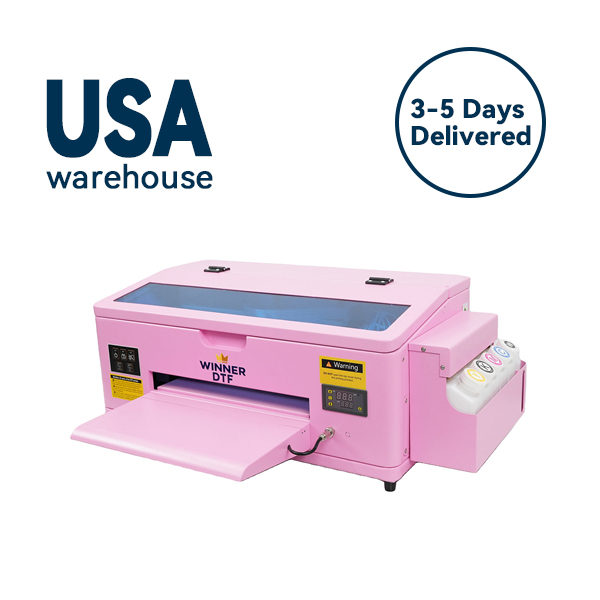
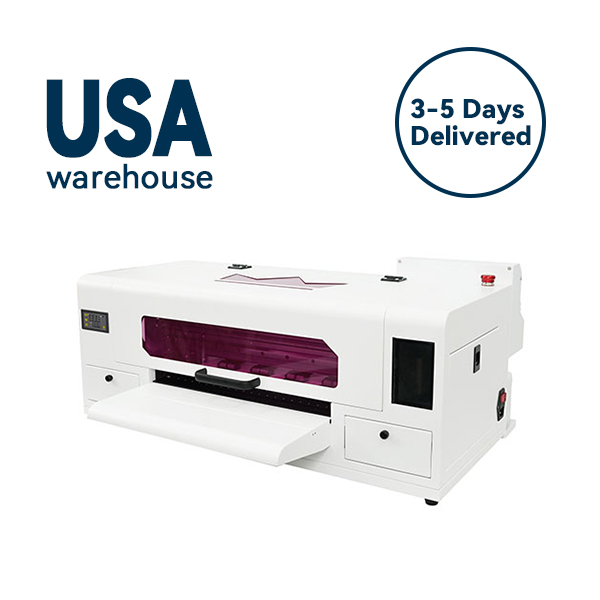
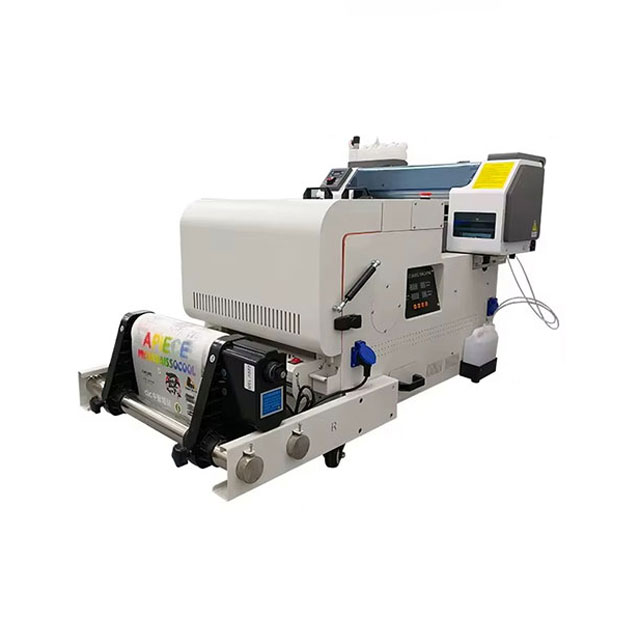
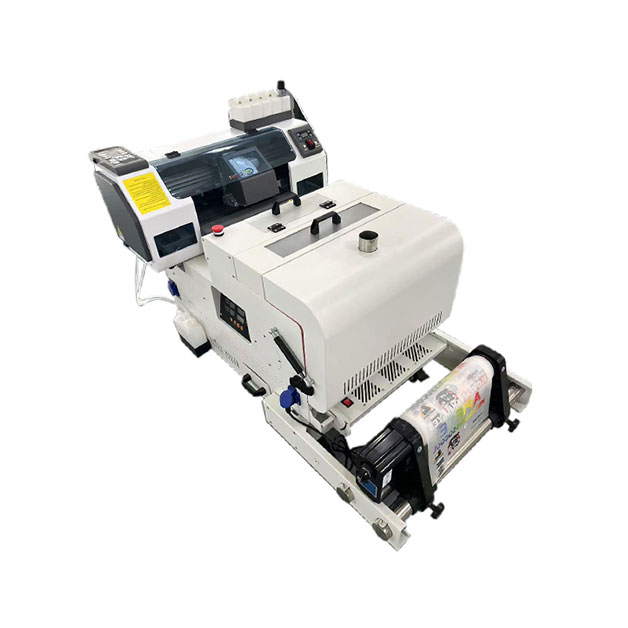
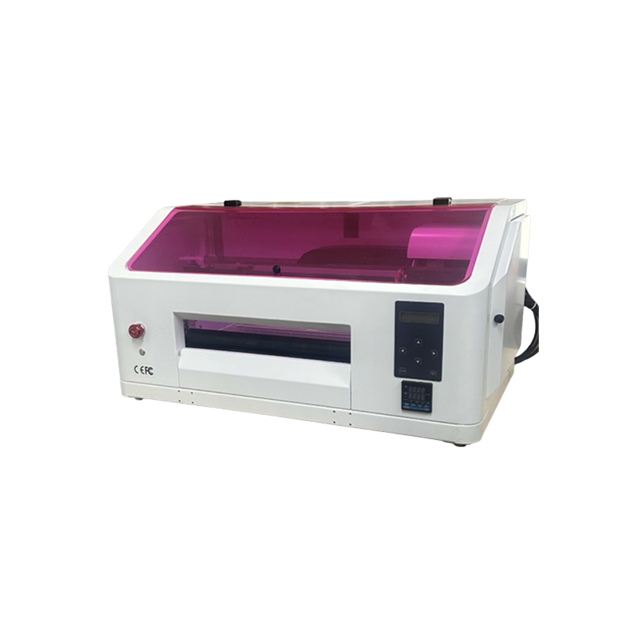
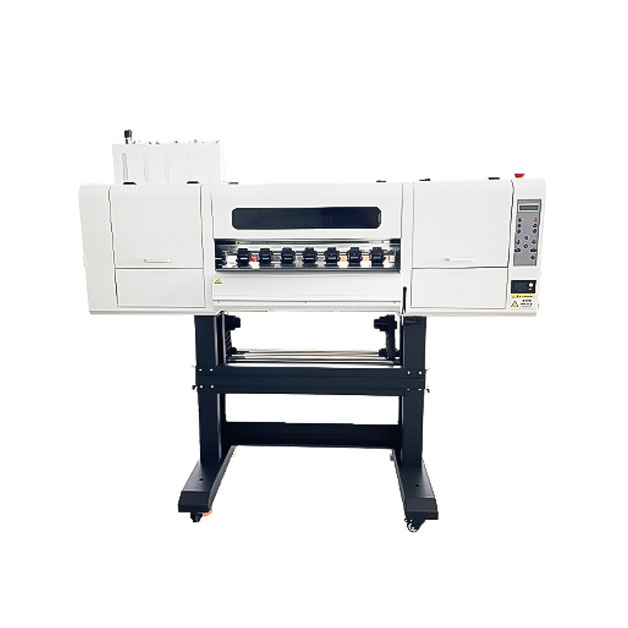
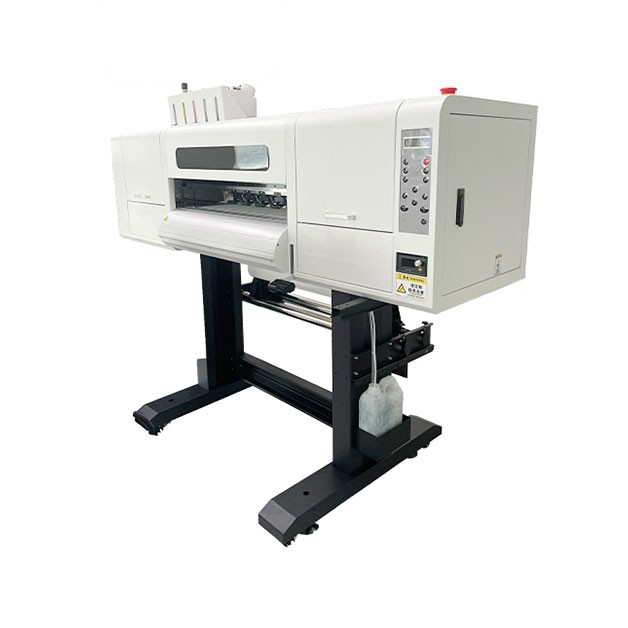

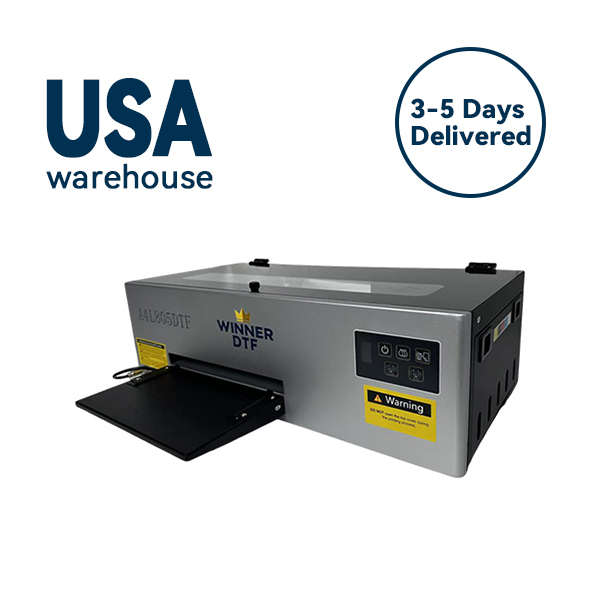
The year 2023 marked a pivotal evolution in the world of digital textile decoration, driven by significant advancements in Direct-to-Film (DTF) printing technology. This method, which involves printing a design onto a special film and then heat-pressing it onto fabric, moved firmly from a niche alternative to a mainstream, high-performance solution. For print shop owners, apparel brands, and entrepreneurs, 2023 was the year DTF printers truly delivered on their promise: offering unmatched versatility across fabrics, dramatically improved production speeds, and professional-quality results that rival traditional methods. Fueled by consumer demand for customization and on-demand production, the global DTF printing market, valued at approximately USD 2.57 billion in 2023, is on a steep growth trajectory. This article explores the key innovations, leading printers, and strategic insights that defined the 2023 DTF landscape, providing a roadmap for businesses looking to leverage this transformative technology.
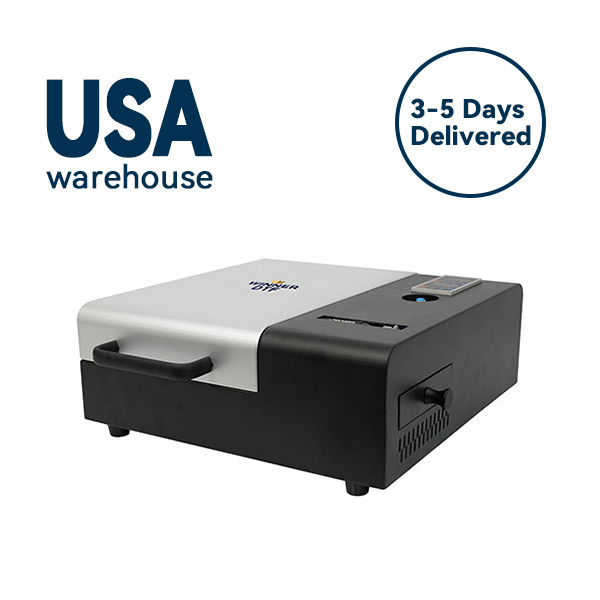
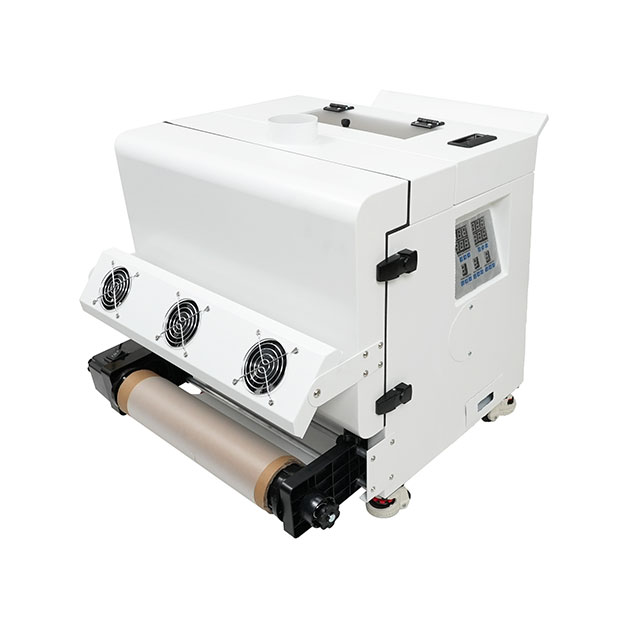
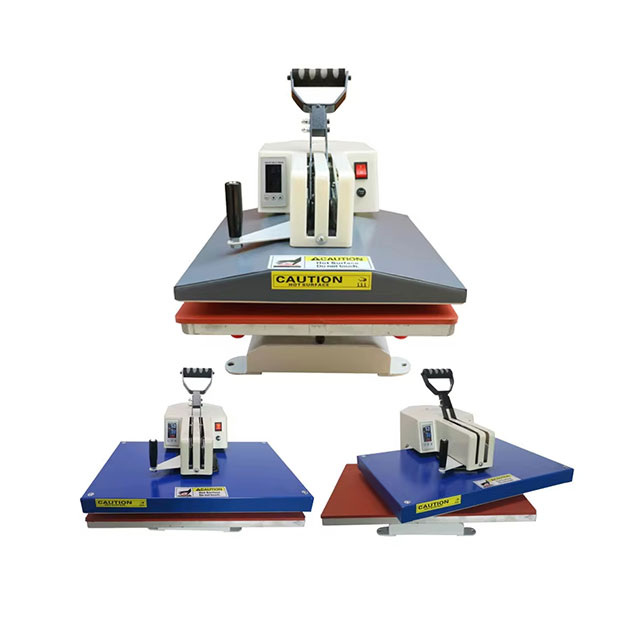
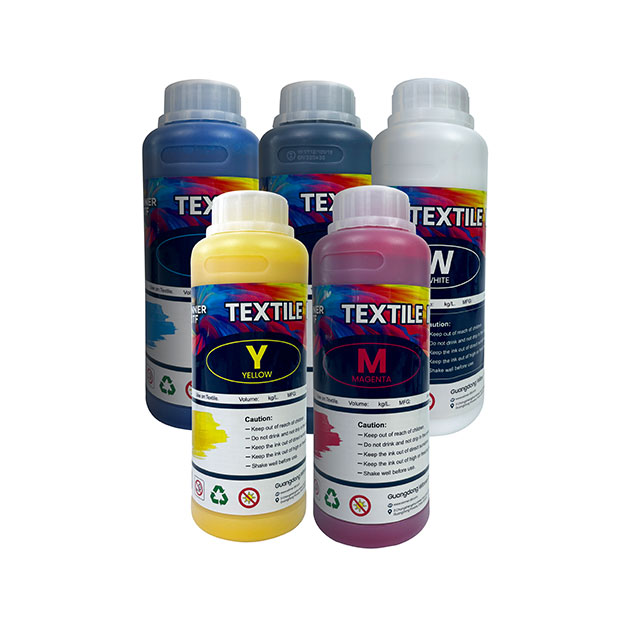
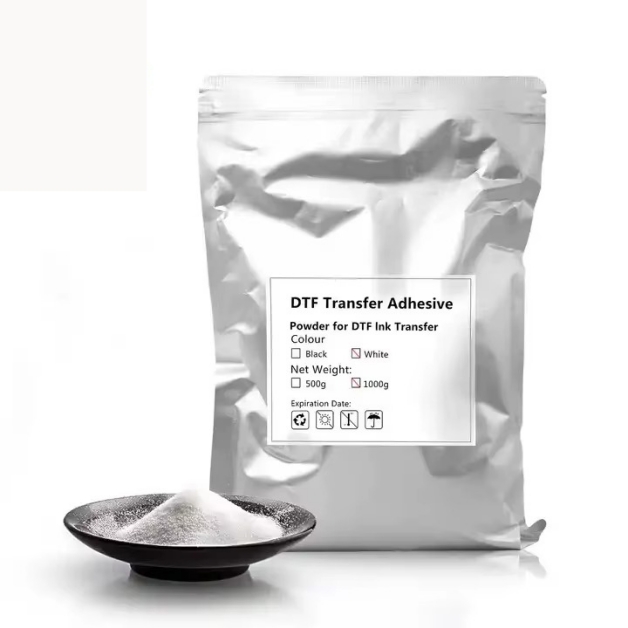
DTF printing is a two-step digital process. First, a design is printed in mirror image onto a PET film using specialized pigment inks, including a white ink base. A hot-melt adhesive powder is then applied to the wet ink. After curing, the powdered film is heat-pressed onto a garment, where the design permanently adheres to the fabric fibers.
The technology’s surge in 2023 wasn’t accidental. It was the result of converging factors that created an ideal environment for adoption. The post-pandemic economy accelerated e-commerce demand for customized goods, while businesses sought agile, on-demand production models to minimize inventory risk. DTF’s fundamental advantages over other methods became impossible to ignore:
In 2023, DTF positioned itself as the pragmatic choice bridging the gap between high-setup-cost screen printing for long runs and the fabric limitations of DTG for short runs. It offered a cost-effective, high-resolution solution suitable for single pieces to medium-sized batches, perfectly aligning with the era of personalized products.
The market in 2023 was characterized by major players launching refined, second-generation machines focused on solving core industry challenges: productivity, reliability, and color consistency.
A headline release of 2023, Mimaki’s TxF300-75, was engineered to deliver print speeds approximately three times faster than its predecessor, the TxF150-75. Mimaki identified that after the successful launch of their first DTF model, the market’s primary demand was for increased productivity without sacrificing quality. Beyond speed, the TxF300-75 doubled down on reliable, uninterrupted operation with key features:
In a significant move, electronics giant Kyocera entered the DTF arena with the ForEarth inkjet textile printer. Kyocera’s approach highlighted sustainability and process consolidation. Their innovation involved discharging pretreatment liquid, pigment ink, and a finishing agent sequentially from the same printhead, combining multiple conventional steps into one. They claimed this process used a minuscule 0.02 liters of water per kilo of fabric compared to screen printing’s 153 liters, presenting a compelling case for environmentally conscious printers.
2023 also saw the refinement of hybrid and high-volume solutions:
The hardware advances of 2023 were powerfully amplified by intelligent software, which solved some of the most persistent barriers to DTF adoption.
Advanced software solutions moved far beyond simple print drivers. They integrated automated color management systems that could calibrate for different ink, film, and fabric variables, ensuring brand colors were matched perfectly every time. This was crucial for businesses outsourcing production, as it guaranteed consistency across different suppliers. Furthermore, smart nesting and job batching algorithms helped reduce material waste by 30-40%, turning environmental and cost-saving benefits into a major competitive advantage.
A significant industry challenge has been the skilled labor shortage. Modern DTF software in 2023 helped bridge this gap by automating complex tasks like white underbase generation and color separation. This allowed operators without years of experience to achieve professional results, enabling small businesses to enter the market and established shops to scale more easily.
The trajectory set in 2023 points toward a dynamic and expanding future for DTF technology.
The numbers tell a clear story. With a compound annual growth rate (CAGR) of nearly 6%, the DTF market is projected to reach USD 45.7 billion by 2033. While North America and Europe are mature markets with strong demand, the Asia-Pacific region is poised to be the fastest-growing market, driven by massive textile manufacturing hubs in China, India, and Bangladesh adopting digital transformation.
A key trend that gained momentum in 2023 was the focus on the environmental footprint of DTF printing. The primary concern has been PET film waste. In response, leading companies highlighted eco-certified inks (like Mimaki’s) and water-conserving processes (like Kyocera’s). The push for recyclable film materials and biodegradable alternatives is set to be a major area of innovation and a significant market differentiator.
The future of DTF lies in seamless integration and artificial intelligence. The next phase involves AI-powered image analysis for automatic print parameter optimization, predictive maintenance systems, and fully automated, end-to-end workflows that connect e-commerce platforms directly to the print floor. Printers like Mimaki’s TxF300-1600 (launched in 2024) already hint at this future, expanding beyond apparel into wider-format applications like interior fabrics.
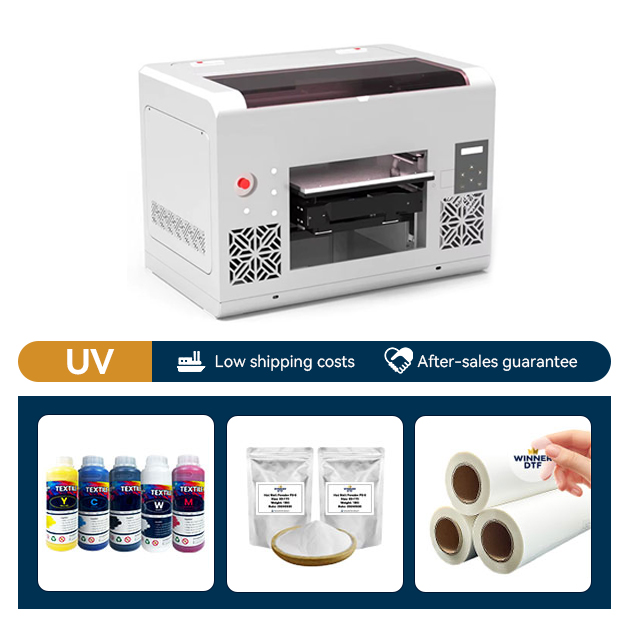
The year 2023 proved to be a defining chapter for DTF printing technology. It transitioned from a promising alternative to a mature, reliable, and highly capable production method. The launches of high-speed, stable printers like the Mimaki TxF300-75, the strategic entry of players like Kyocera with a sustainability focus, and the critical maturation of intelligent software workflows collectively addressed the core needs of quality, speed, and operational simplicity.
For any business involved in customized textiles, ignoring the DTF revolution is no longer an option. The technology offers a tangible path to meet modern consumer demands for personalized, on-demand products across virtually any fabric. Investing in a comprehensive DTF solution—considering not just the printer, but the inks, films, software, and partner ecosystem—is an investment in resilience, versatility, and future growth. The competitive advantage gained by early and strategic adoption in 2023 is substantial, setting the stage for the continued dominance of DTF in the digital decoration landscape for years to come.