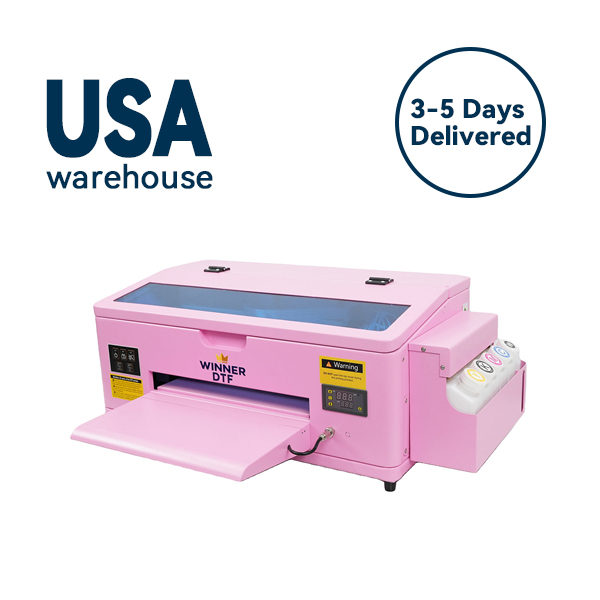
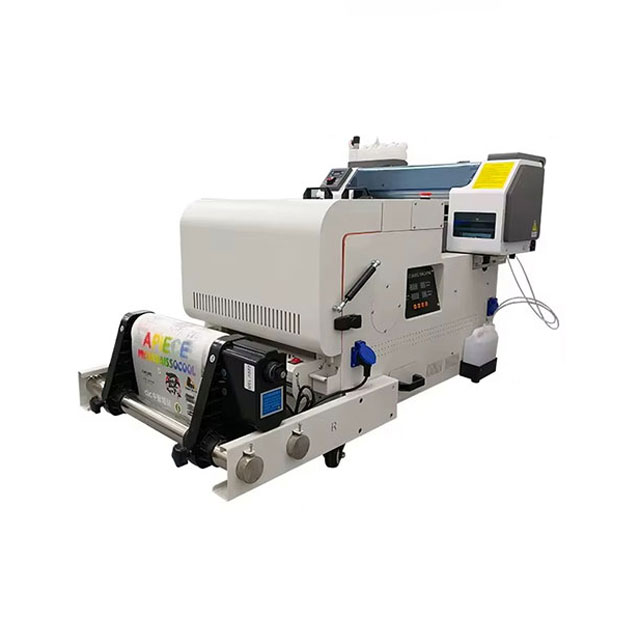
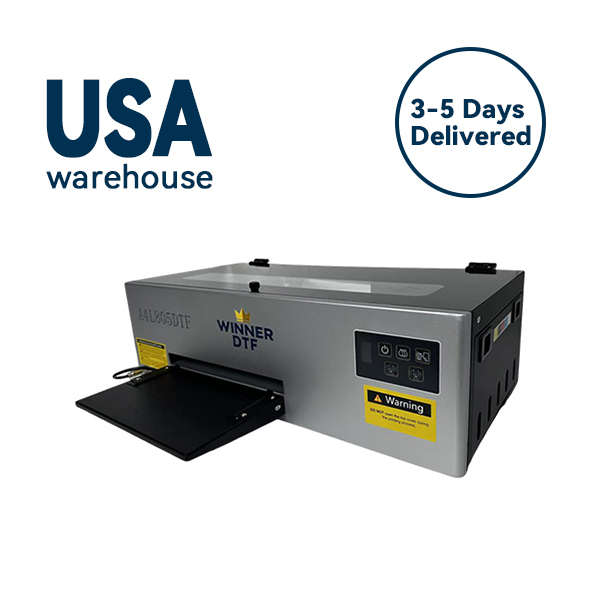
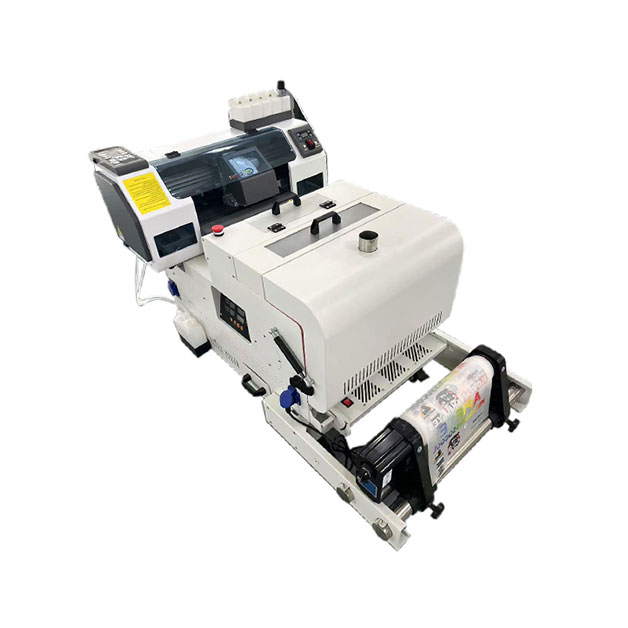
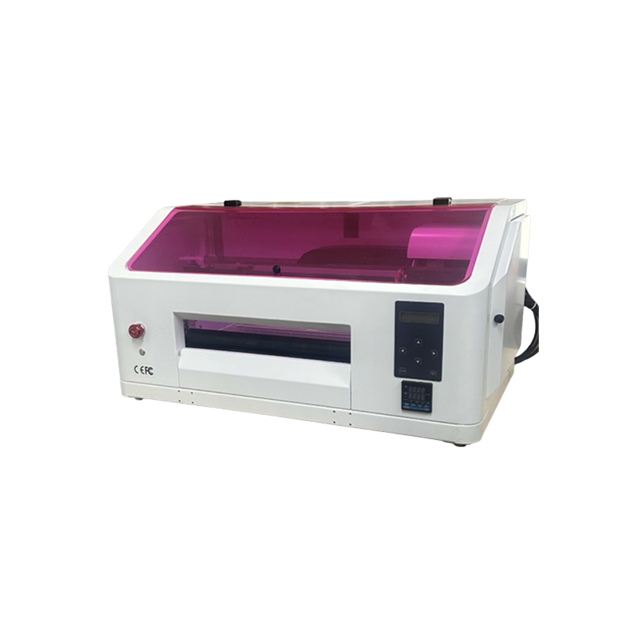
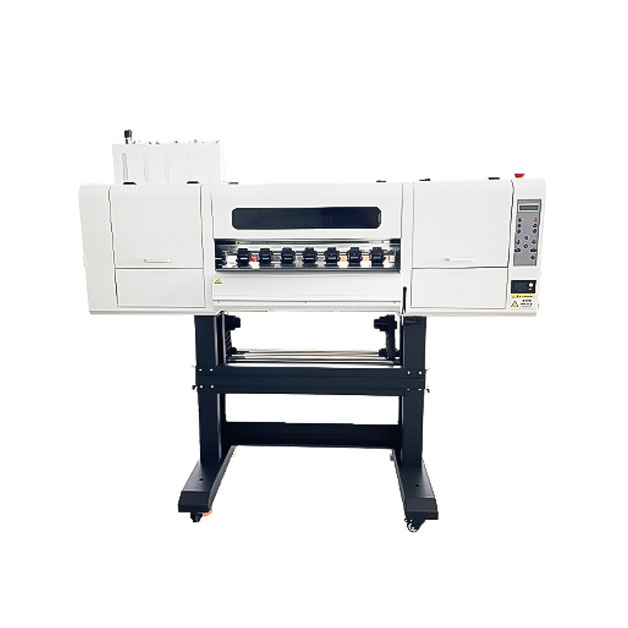
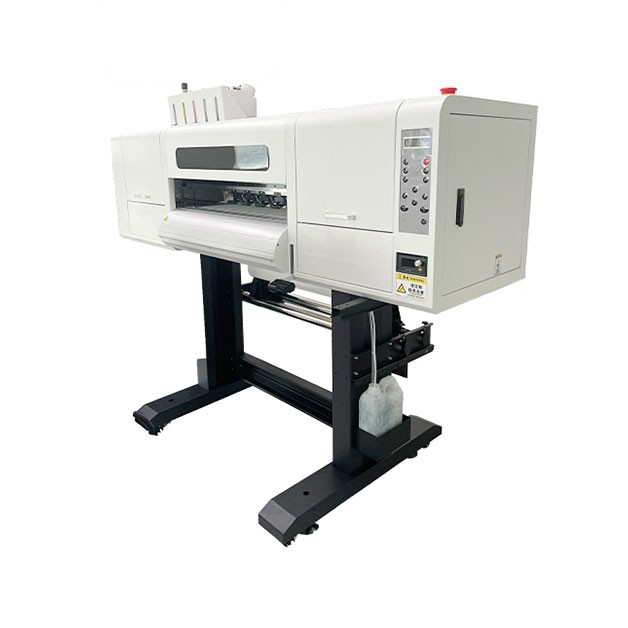
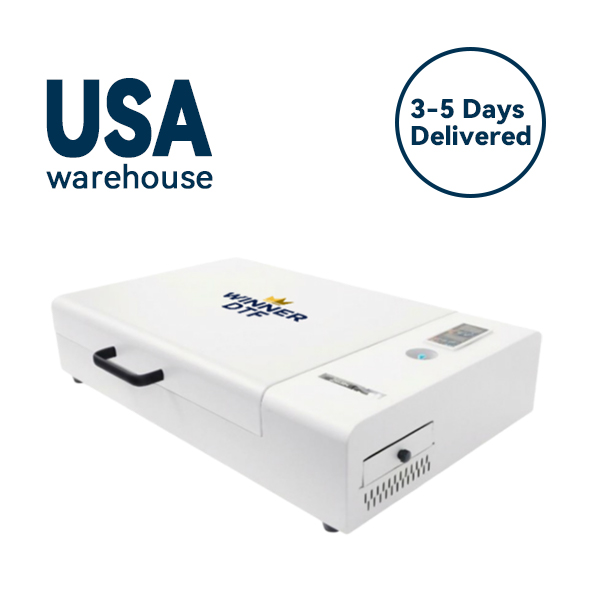
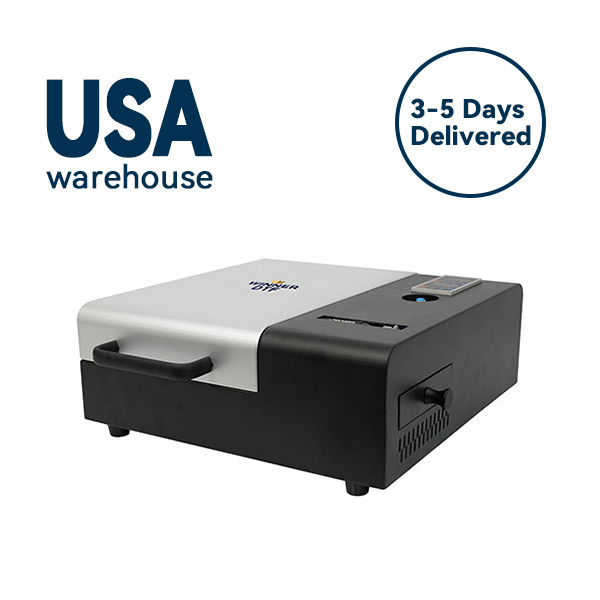
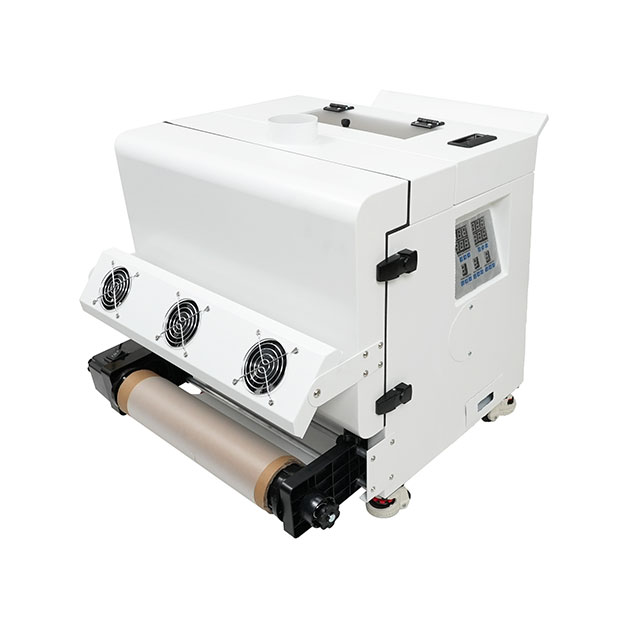
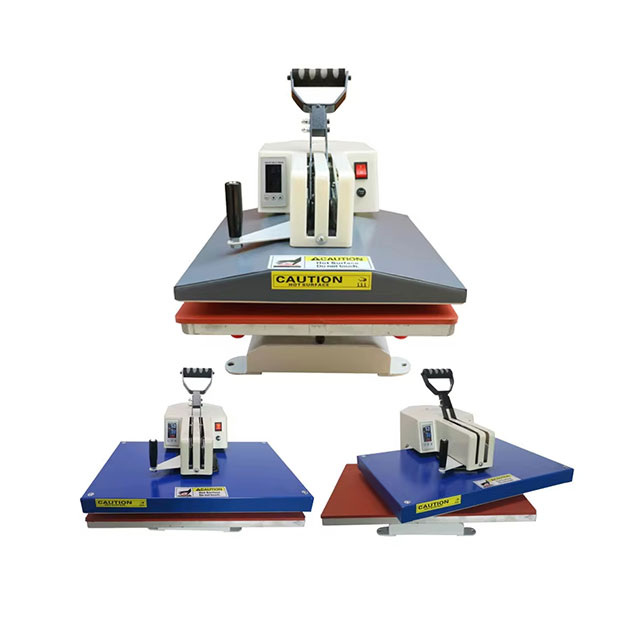
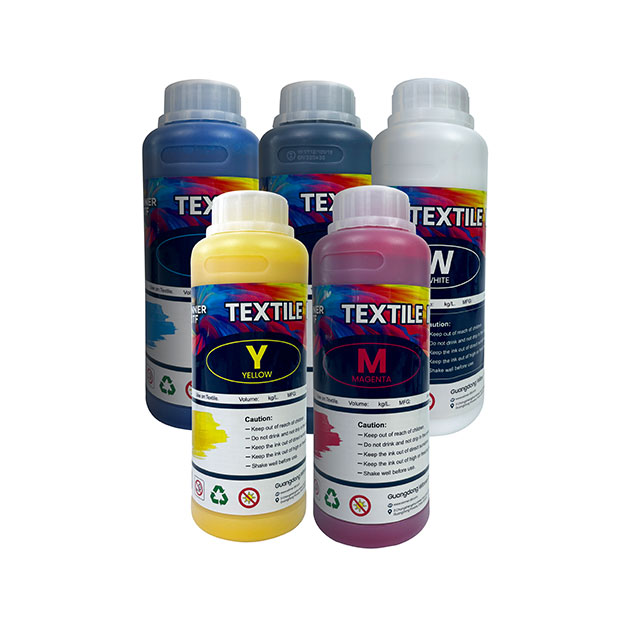
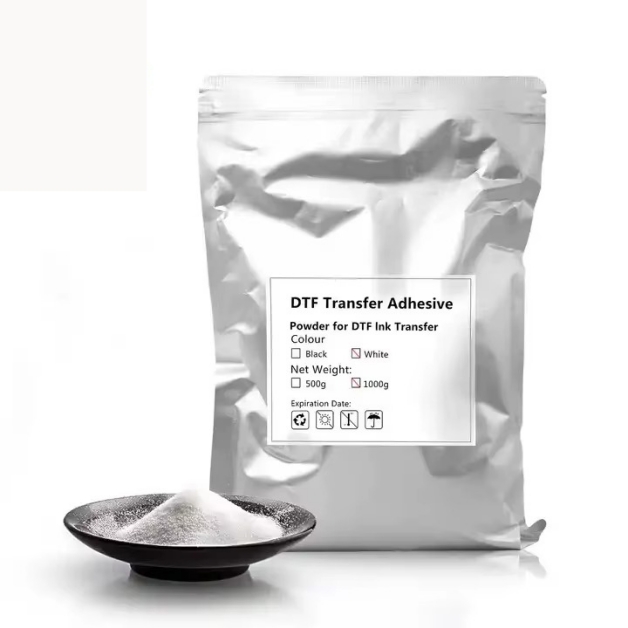

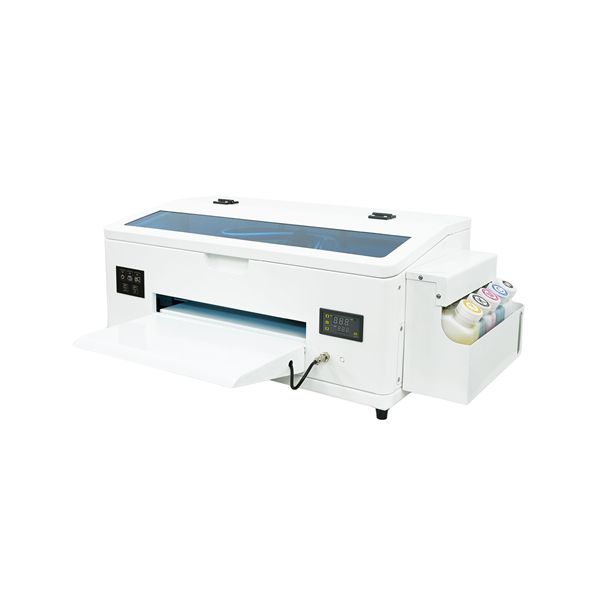
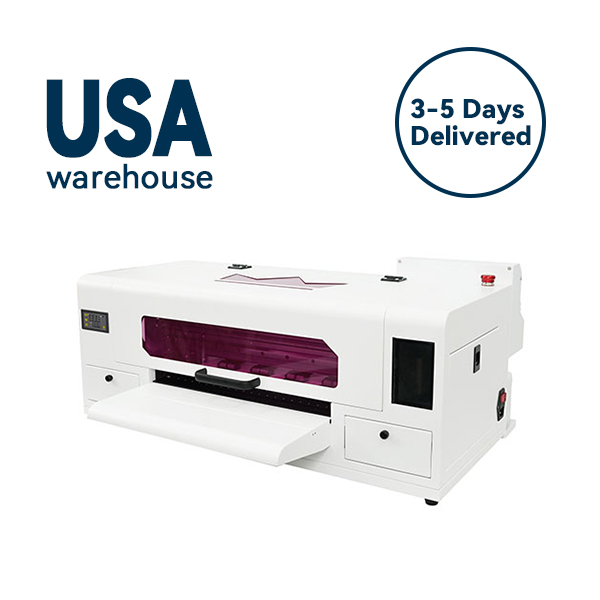
In fields such as personalized customization, advertising production, and industrial signage, the A3 UV DTF Printer has emerged as a core device breaking the limitations of traditional printing through the innovative integration of “UV curing technology + DTF transfer process”. It not only achieves multi-material compatibility (including plastic, metal, glass, etc.) but also meets the diverse needs from small-batch customization to mass production with high resolution of 1440dpi and instant-dry high efficiency. Combining the latest 2025 industry data and real cases, this article provides a practical, actionable guide from four core dimensions—core advantages, buying pitfalls avoidance, scenario applications, and maintenance skills—to help you accurately select the right A3 UV DTF Printer, avoid industry traps, and maximize the investment value of the equipment.
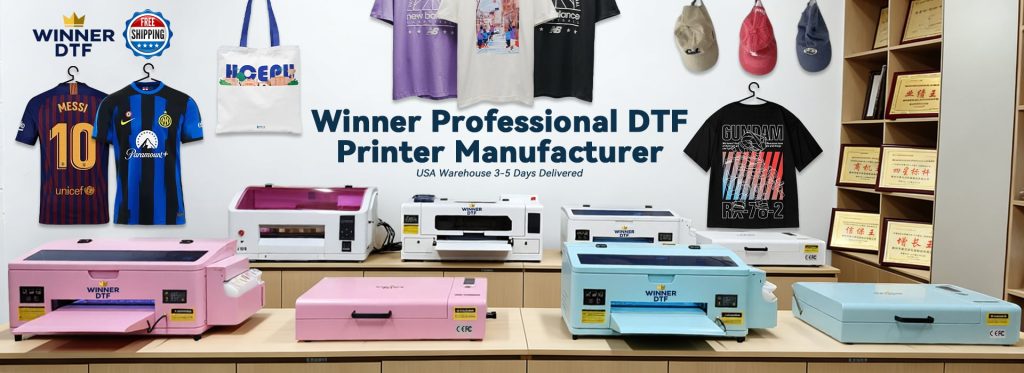
I. Core Advantages of A3 UV DTF Printers: Redefining Efficient Printing
1. Technological Integration: Dual Breakthroughs of UV Curing and DTF Transfer
The A3 UV DTF Printer innovatively combines UV ultraviolet curing technology with Direct-to-Film (DTF) transfer process, solving the pain points of traditional printers: “narrow material adaptation, slow drying, and weak adhesion”. By instantly curing low-VOC environmentally friendly ink with UV LED lamps, printed products can be used immediately after being taken out without additional drying, increasing production efficiency by over 40%. Meanwhile, DTF transfer technology frees printing from the constraint of “direct contact with materials”—even curved and irregular objects (such as thermos cups and keychains) can achieve precise printing, with adhesion reaching level 4 or above (wear-resistant, scratch-resistant, and waterproof).
2. All-Round Adaptation: Printing Black Technology Covering 10+ Materials
Unlike traditional inkjet printers that only support paper, the A3 UV DTF Printer is compatible with more than 10 materials, including plastic, metal, glass, wood, ceramics, and textiles. Whether for hard materials (such as acrylic signs) or soft materials (such as leather backpacks), it delivers vivid colors and clear details. For example, in the advertising industry, outdoor billboards printed by it can resist sun and rain, maintaining colors for 3 years without fading; in the gift customization field, the text precision of personalized metal badges can reach 0.1mm, fully restoring design details.
3. Controllable Costs: Cost-Effective Choice for SMEs
Compared with industrial-grade UV printers that often cost over
100,000,themarketpriceof∗∗A3UVDTFPrinters∗∗rangesfrom780 to
6,800,supportingaminimumorderquantityof1unitwitha1−3yearwarranty.Itsinkutilizationrateisashighas950.08 (equivalent to 0.5 RMB), saving 60% of consumable costs compared with traditional screen printing. For small studios or entrepreneurs, there is no need for large-scale investment to launch customization businesses and quickly achieve profitability.
II. Popular Application Scenarios of A3 UV DTF Printers in 2025
1. Advertising and Promotional Products Industry
2. Packaging and Cultural and Creative Fields
3. Industrial and Manufacturing Industries
III. Buying Guide: Avoid Pitfalls – 5 Core Parameters + 3 Must-Check Points
1. Interpretation of Core Parameters (2025 Latest Standards)
| Parameter | High-Quality Standard | Pitfall Avoidance Tips |
| Printing Resolution | ≥1440dpi | Be wary of “virtual resolution” claims; test text clarity in person |
| Print Head Model | Epson DX5/DX7, Ricoh G5 (verifiable on official websites) | Reject fictional models such as “Golden 8th Generation” or “10th Generation” |
| Board Configuration | Well-known brands like Hansen, Senyang | Avoid “self-developed boards”—most are modified parts from small factories with poor stability |
| Guide Rail Motor | Hiwin guide rail + Leadshine/JMC servo motor | Reject equipment with thin sheet metal that shakes during operation |
| Ink Type | Low-VOC UV-specific ink | Ordinary ink is prone to insufficient adhesion and fading |
2. Brand Selection: Comparison of 4 Mainstream Brands
3. 3 Must-Avoid Buying Traps
IV. Maintenance and Troubleshooting Skills for A3 UV DTF Printers
1. Core Daily Maintenance Steps
2. Common Troubleshooting Quick Reference Table
| Troubleshooting Phenomenon | Troubleshooting Methods |
| Blurred printing and ink breakage | 1. Clean the print head; 2. Check if the ink filter is clogged; 3. Confirm the ink shelf life (recommended to use within 6 months) |
| Insufficient adhesion | 1. Replace UV-specific ink suitable for the material; 2. Adjust UV lamp power (80% power is recommended for hard materials) |
| Equipment error and failure to start | 1. Check the connection lines of the board; 2. Restart RIP software; 3. Contact the manufacturer to update firmware |
V. Industry Trends and Future Outlook of A3 UV DTF Printers
In 2025, A3 UV DTF Printers will upgrade towards “intelligence, environmental protection, and multi-functionality”. On one hand, AI visual positioning technology will become widespread, enabling one-click printing with “automatic material identification + parameter matching”; on the other hand, VOC-free ink will become the standard configuration to meet global environmental policy requirements. For enterprises, choosing equipment that supports “modular upgrades” (such as adding film lamination functions or multi-print head expansion) can better adapt to future business expansion needs.
Conclusion
The emergence of A3 UV DTF Printers has made “small-batch, personalized, and high-quality” printing the norm. Whether you are a startup novice or an SME, you can break business boundaries with it. When purchasing, keep in mind the three principles: “focus on actual parameters rather than false claims, choose stable brands over obscure ones, and clarify after-sales terms instead of accepting vague commitments”. Select the appropriate model based on your industry needs (e.g., emphasizing weather resistance for the advertising industry and material adaptation for the gift industry). If you need parameter comparisons of specific brands or personalized selection suggestions, feel free to leave a message to obtain an exclusive plan.