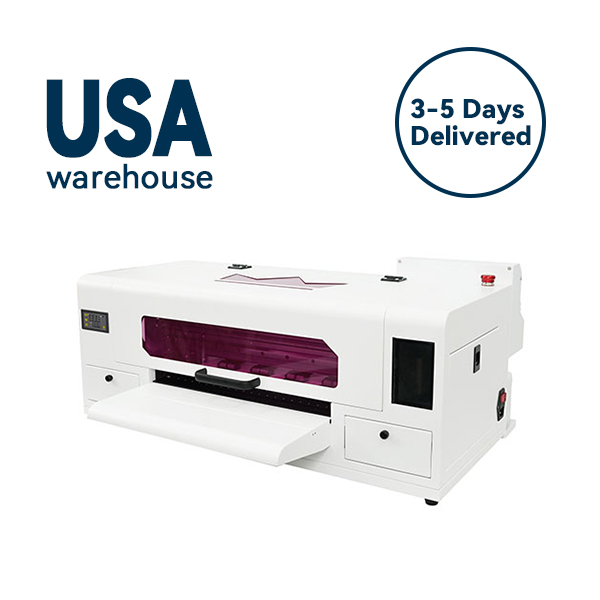
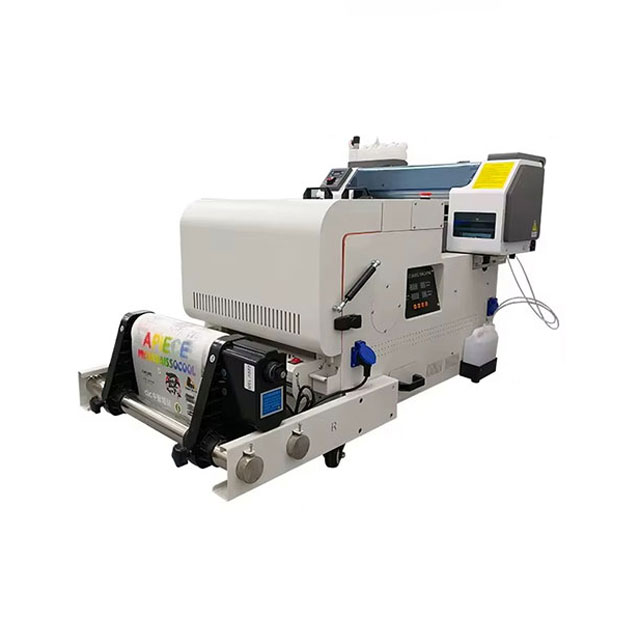
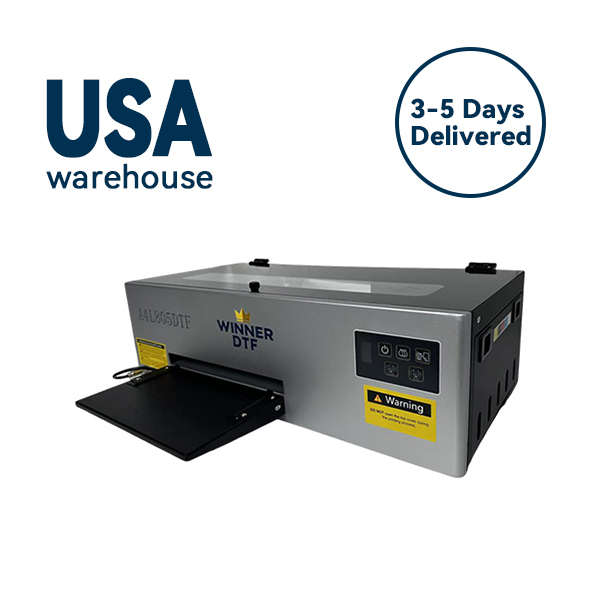
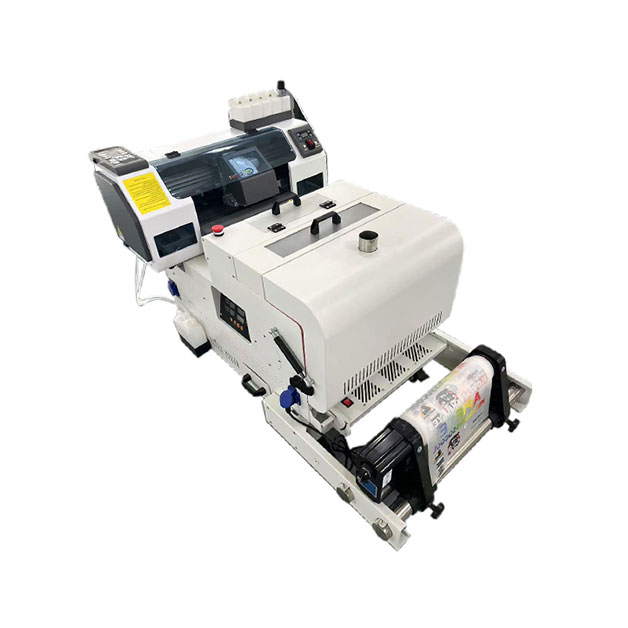

As a B2B player in the custom printing industry—whether you’re a wholesaler, print service provider (PSP), or brand procurement manager—you’re no stranger to the pain points that eat into profits: high setup costs for small batches, limited fabric compatibility that restricts product lines, frequent maintenance headaches, and inconsistent print quality that risks client complaints. In 2026, Direct-to-Film (DTF) printing has emerged as the ultimate solution to these challenges, empowering B2B businesses to cut costs, expand offerings, and deliver reliable results. This guide is tailored to your needs, breaking down how DTF printing solves your core pain points and how to leverage it to scale your B2B operations.
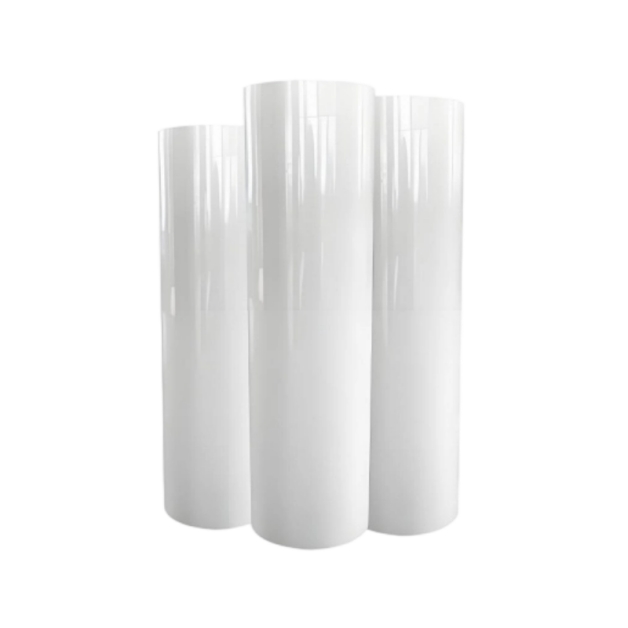
DTF printing (Direct-to-Film) is a heat transfer technology designed to address B2B printing’s most frustrating pain points: pre-treatment delays, narrow substrate compatibility, and high small-batch costs. It works by printing designs onto specialized PET film with water-based inks, then transferring the design to your target substrate via heat and pressure—no pre-treatment sprays required, unlike DTG printing (which only works reliably on 100% cotton). For B2B businesses, this means you can serve clients across industries (apparel, promotional products, hard goods) without investing in multiple printing systems, eliminating the risk of turning down orders due to fabric or material limitations.
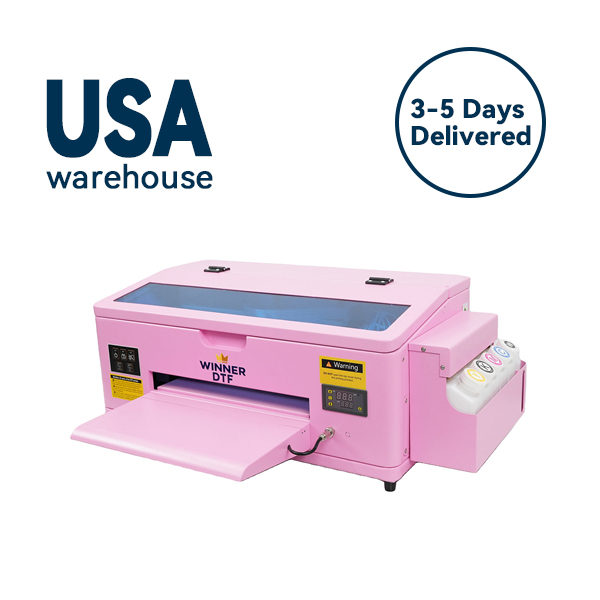
For B2B operations where efficiency and cost control are critical, the DTF printing process is streamlined to minimize waste and maximize throughput. Here are the four core steps—with B2B-focused benefits highlighted:
For B2B businesses, every printing technology choice boils down to three questions: Does it reduce costs? Does it expand my service capabilities? Does it minimize operational headaches? DTF printing checks all three boxes, outperforming traditional methods (DTG, screen printing, HTV) for B2B use cases. Here’s how it solves your top pain points in 2026:
A top B2B pain point: DTG limits you to 100% cotton, sublimation only works on polyester, and HTV struggles with intricate designs. DTF printing eliminates this restriction—your business can print on cotton, blends, fleece, nylon, leather, and even hard surfaces (via UV-DTF) for clients in apparel, corporate gifting, and retail. UK-based wholesale PSP Let’s Get Crafty solved this exact pain point by adopting DTF and UV-DTF printers in 2026: they expanded from textile-only orders to hard goods (drinkware, phone cases) and grew B2B revenue by 40% in 6 months—no longer turning down multi-category client requests.
Screen printing’s biggest B2B flaw: $50–$200 setup fees per design, making small batches (10–50 units) unprofitable. Many B2B clients (startups, small brands, event planners) only need low-volume orders—and turning them away means losing long-term business. DTF printing has zero setup fees, so you can profit from 1-unit custom orders just as easily as 500-unit runs. A 2025 B2B printing market analysis confirms: DTF printers in the $800–$2500 range (entry-level commercial grade) deliver 30% lower per-unit costs for small batches compared to screen printing, while maintaining professional quality that keeps B2B clients coming back.
B2B businesses can’t afford downtime—DTG printers require frequent pre-treatment, nozzle cleaning, and ink system maintenance, which halts production and delays client orders. DTF printers are designed for B2B reliability: plug-and-play setup, minimal maintenance (occasional nozzle checks), and robust support from top suppliers. For example, B2B-focused brands like InkSonic offer 24/7 remote technical support and on-site training for teams—critical for PSPs scaling to high-volume orders. With over 20,000 B2B support sessions completed, InkSonic helps businesses minimize downtime to less than 2 hours per month, ensuring on-time delivery for even the tightest B2B deadlines.
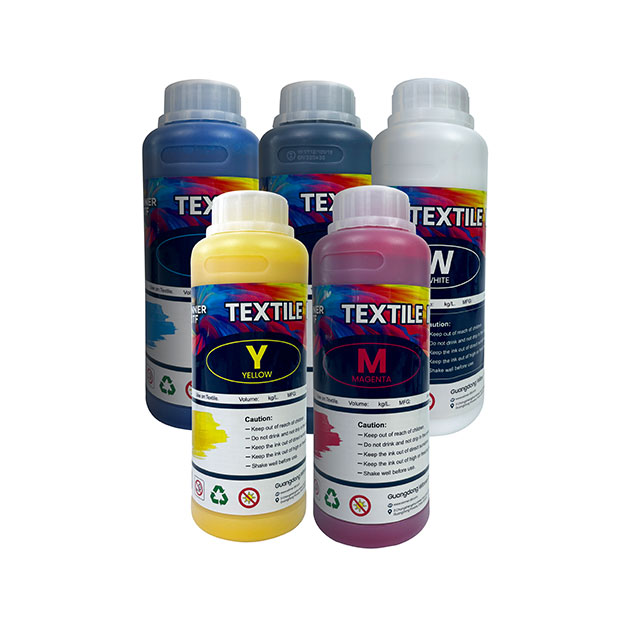
For B2B businesses, print quality = client retention. Faded, cracked, or peeling prints lead to returns, negative reviews, and lost long-term contracts. DTF prints—when using commercial-grade inks and powders—withstand 50+ industrial washes without fading or cracking, meeting the strict standards of apparel brands and corporate clients. The latest 2026 DTF innovations (like Resolute’s 9-color ink system) deliver precise Pantone color matching—critical for B2B clients with brand guidelines. This consistency ensures every order you deliver reinforces your reputation as a reliable B2B printing partner, reducing churn and driving repeat business.
In the competitive B2B printing market, staying ahead means adopting innovations that solve new pain points and open new revenue streams. 2026’s top DTF trends are designed specifically for B2B scalability, sustainability, and client diversification—here’s what you need to know to stay competitive:
Resolute’s 2026 powderless DTF system is a game-changer for B2B operations. It eliminates the need for hot-melt powder, cutting down on material costs, waste disposal fees, and production time (no more powder application or recycling steps). For B2B PSPs handling high-volume orders, this reduces per-unit costs by 15% and increases throughput by 20%—all while delivering a softer hand feel that meets premium apparel clients’ demands. The hybrid design (works with/without powder) also lets you adapt to diverse client needs without investing in new equipment.
Textile printing is crowded—UV-DTF lets B2B businesses break into high-margin hard goods markets (drinkware, acrylic, phone cases, signage) with minimal investment. This variant uses UV-curable inks that bond to non-textile substrates, opening up B2B clients in retail, corporate gifting, and hospitality. Let’s Get Crafty’s 2026 plan to add a UV 6090 flatbed printer (paired with their DTF setup) is a textbook B2B play: they’re targeting $100k+ in new revenue from hard goods clients, without abandoning their core textile business. For B2B businesses, UV-DTF is a low-risk way to diversify and increase average order value (AOV).
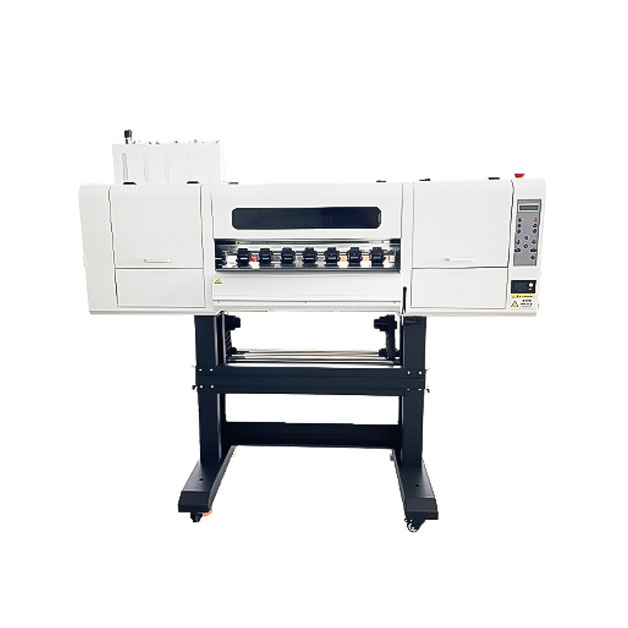
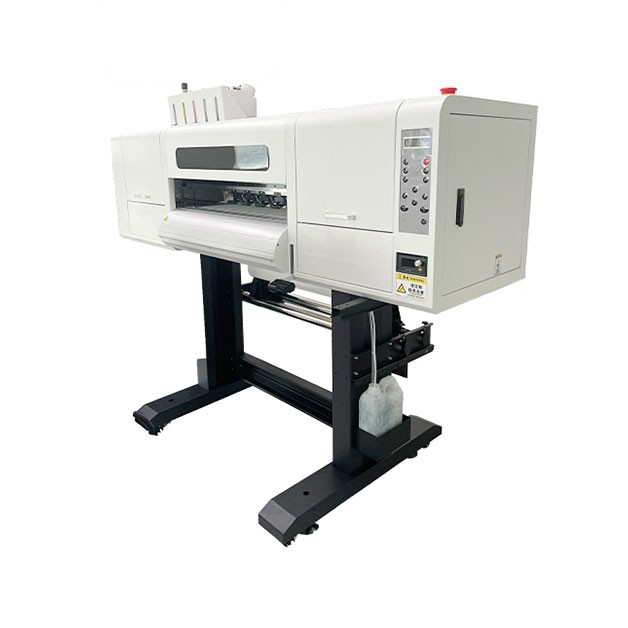
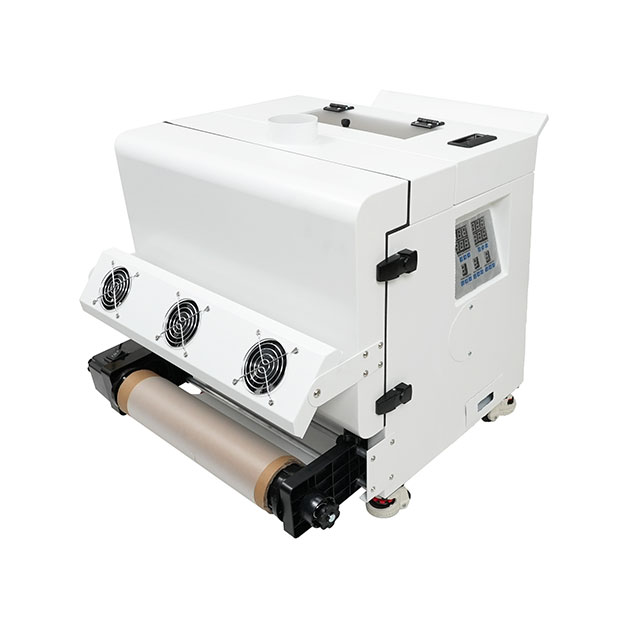
B2B growth often hits a wall when manual labor can’t keep up with order volume—hiring more staff increases costs, while slow production leads to missed deadlines. 2026’s commercial DTF printers (like the InkTec DTF-T652) solve this with built-in automation: auto-ink supply (no more manual refills mid-job), powder recycling systems (reduces waste and labor), and film take-up systems (streamlines batch processing). These features let B2B PSPs handle 3x more orders with the same team, cutting labor costs per unit by 25% and ensuring on-time delivery even during peak seasons (e.g., holiday promotional orders).
For B2B businesses, even small printing issues (e.g., blurry prints, inconsistent adhesion) can lead to large-scale losses—especially when fulfilling bulk orders. Below are the most common DTF problems in B2B production, their root causes, and 2026-proven fixes to keep your operations running smoothly and clients happy:
Causes: Low-resolution client files, clogged nozzles (from infrequent use), or inconsistent printer settings across batches.Solutions: Implement a B2B client file checklist (require 300 DPI+ images), schedule daily nozzle checks (critical for high-volume runs), and save custom printer profiles for common substrates (e.g., cotton blends, polyester) to ensure batch-to-batch consistency. Partner with your ink/printer supplier for calibration support—many offer free B2B-specific setup services.
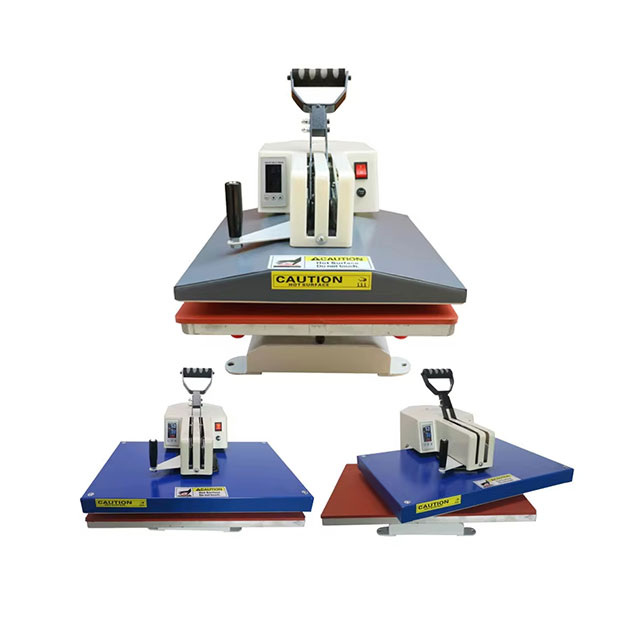
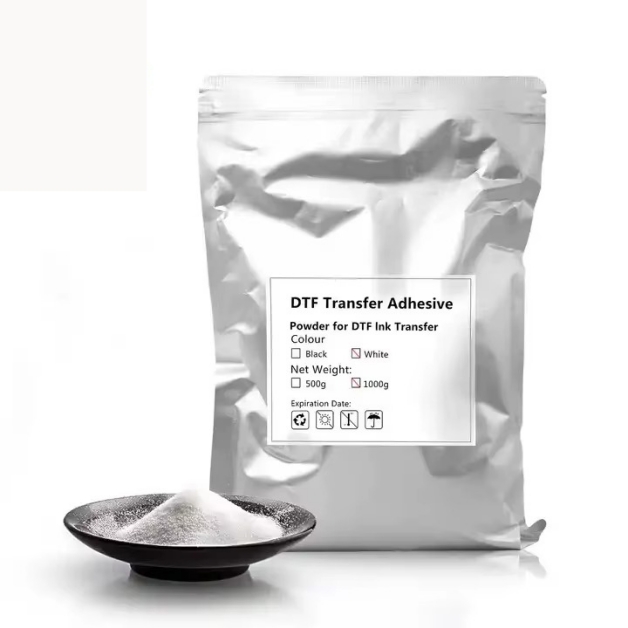
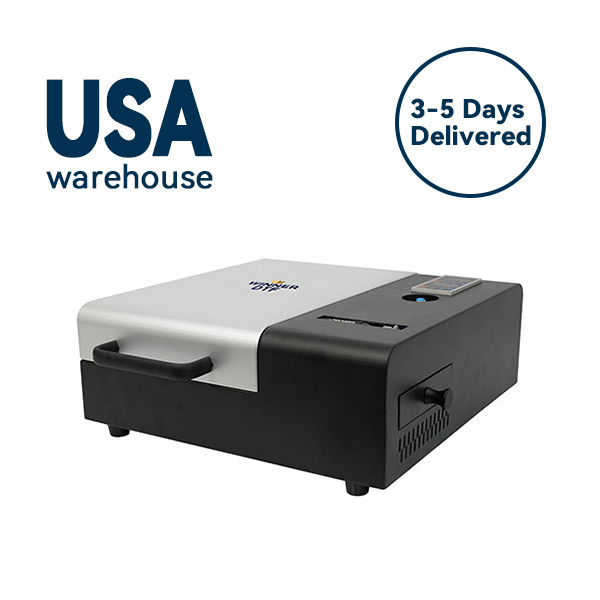
Causes: Inconsistent heat/pressure (common with manual heat presses), under-cured powder (from rushed production), or low-quality generic powder (tempting for cost-cutting, but risky).Solutions: Invest in a commercial-grade automatic heat press (ensures uniform pressure/heat for bulk orders), use a temperature gun to verify cure temperatures, and avoid generic supplies—opt for B2B-grade powder/ink kits (e.g., InkSonic’s 3000ml DTF kit) that are tested for reliability. For large orders, run a 5-unit test batch first to catch adhesion issues early.
Causes: Uncalibrated monitors (leads to client expectations vs. reality mismatches), low-quality inks, or missing color profiles for B2B client brand colors. Solutions: Calibrate your team’s monitors monthly, use Pantone-matched DTF inks (critical for brand clients), and create a color swatch library for frequent substrates to share with clients upfront. For high-stakes B2B orders (e.g., corporate apparel), offer a physical proof before full production—this reduces disputes and reinforces your professionalism.
DTF printing is a game-changer for B2B businesses—but it’s not one-size-fits-all. You should invest in DTF if your business faces these core challenges (and goals):
B2B success stories with DTF printing speak for themselves. Let’s Get Crafty’s managing director Richard sums it up: “Investing in DTF printers let us stop turning down 30% of B2B orders (the small-batch and multi-substrate ones) and cut maintenance downtime by 70%. We now have consistent, repeat clients who trust us to deliver on time, every time—something screen printing and DTG never gave us.” For B2B businesses, DTF isn’t just a technology upgrade—it’s a strategic investment to solve pain points, expand revenue streams, and build long-term client loyalty.
For B2B printing businesses, 2026 is the year to stop letting pain points (small-batch losses, narrow capabilities, downtime) hold you back. DTF printing has matured into a B2B-optimized solution that delivers on the three non-negotiables: cost efficiency, versatility, and reliability. With innovations like powderless systems, UV-DTF hard goods printing, and automated workflows, you can scale your operations, diversify your client base, and boost profits—all while reducing the operational headaches that plague B2B printing.
Ready to implement DTF printing for your B2B business? Start with three key steps: 1) Choose a commercial-grade printer (focus on reliability and supplier support, not just price—look for 24/7 B2B support and on-site training). 2) Invest in premium, B2B-tested inks/powders (avoid generic supplies that risk client returns). 3) Test and document workflows for your top substrates (create standard operating procedures to ensure batch consistency). In 2026, DTF printing isn’t just a trend—it’s the competitive edge your B2B printing business needs to thrive.