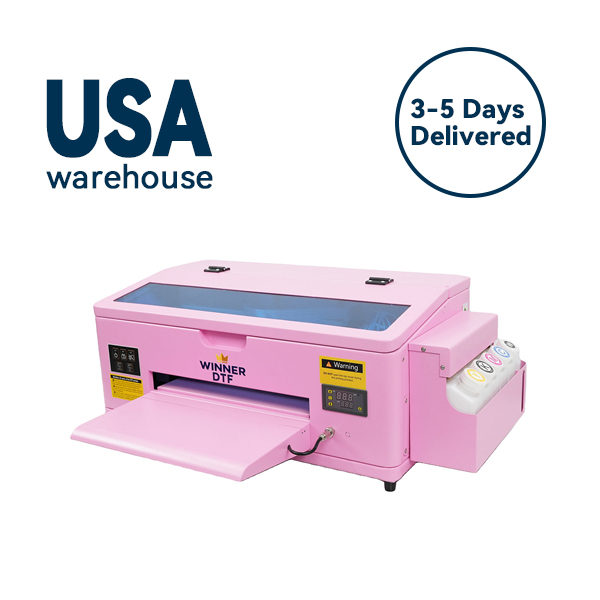
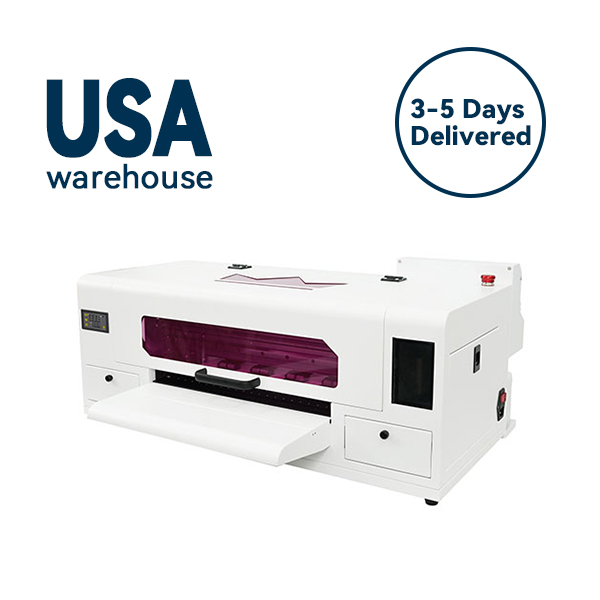
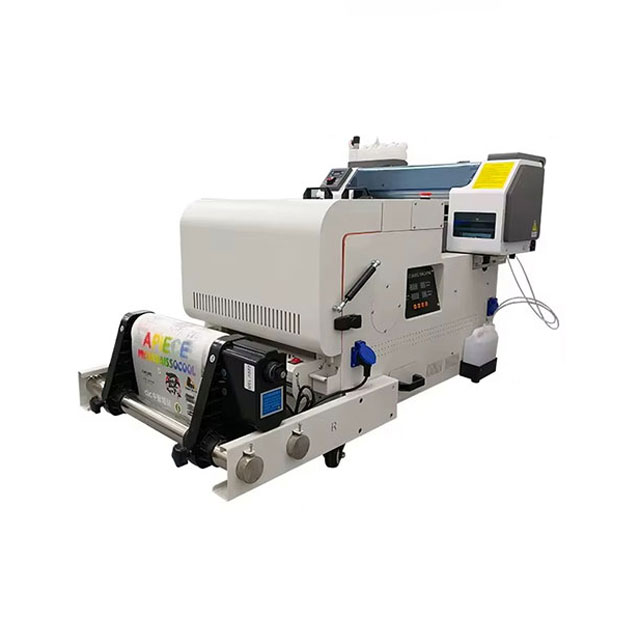
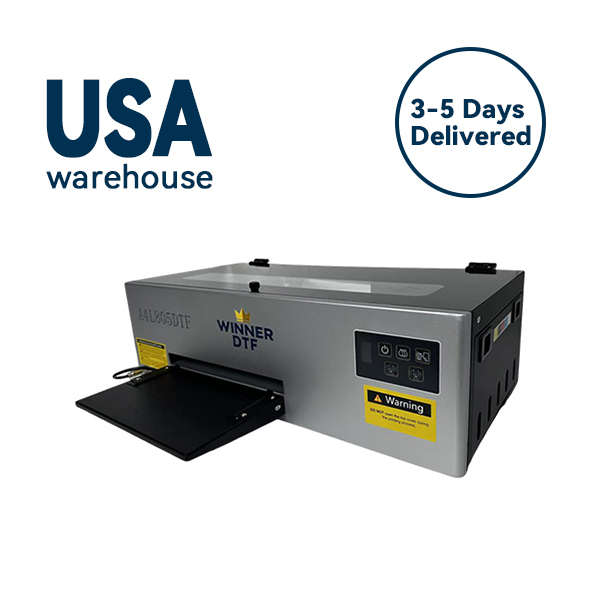
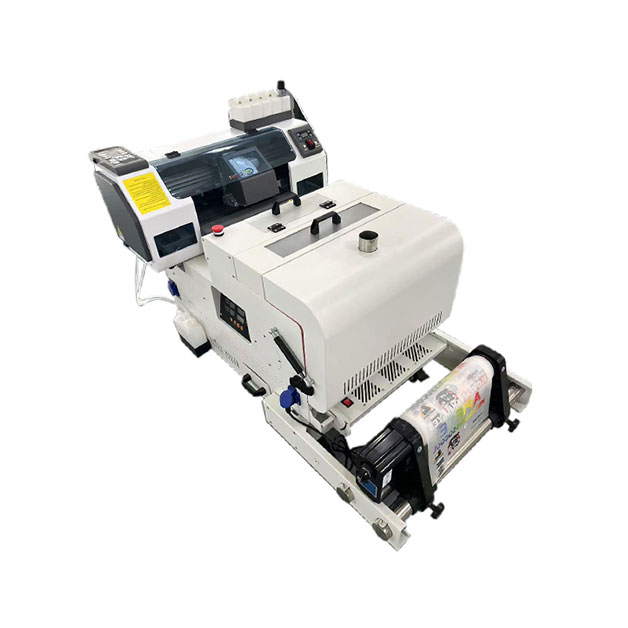
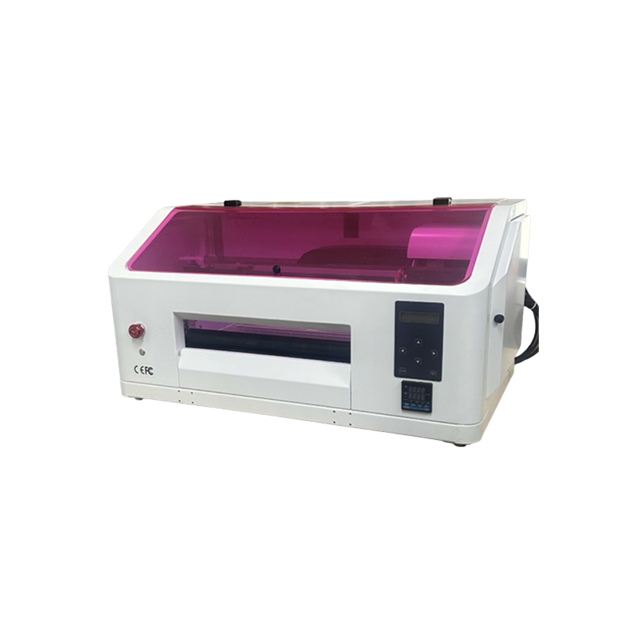
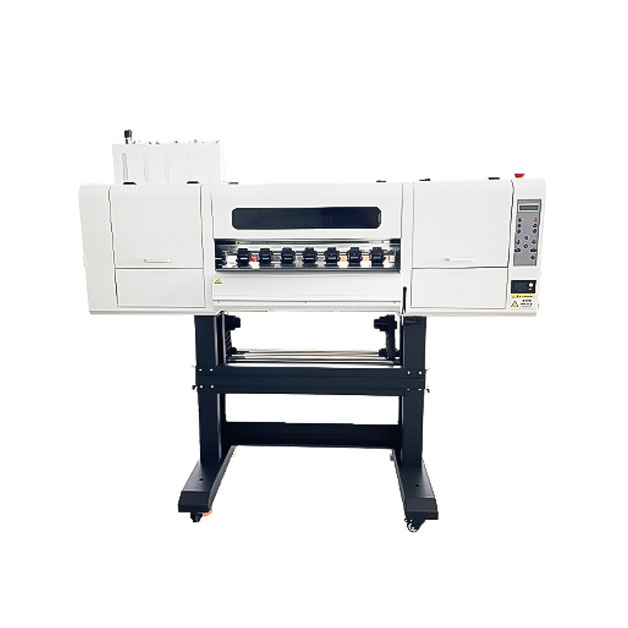
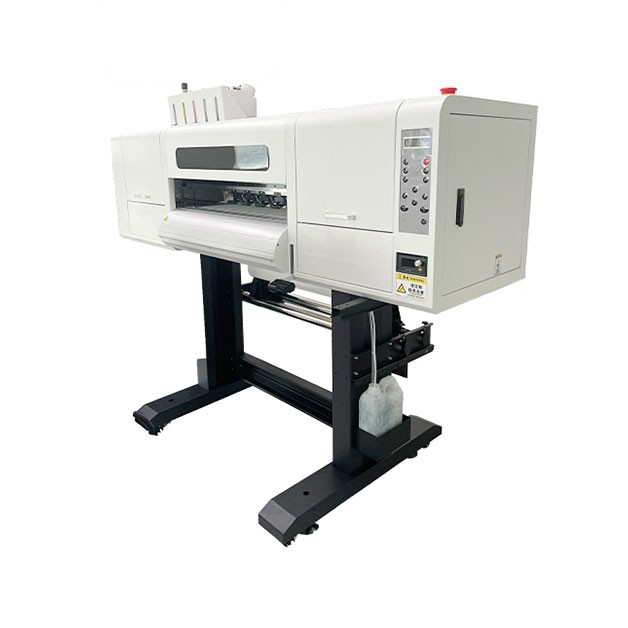

Amid the global wave of personalized customization, innovations in printing technology directly determine business competitiveness. Mesin print dtf (DTF Direct to Film Printer), as a revolutionary device breaking material limitations, is reshaping the production models of multiple industries such as apparel, gifts, and advertising with its core advantages of “no pre-treatment required, full material compatibility, high efficiency, and low cost.” Data shows that the global DTF printing market size reached 2.72 billion US dollars in 2024 and is expected to exceed 3.92 billion US dollars by 2030, with a compound annual growth rate of 6%. Whether you are a startup POD (Print on Demand) business, a small-to-medium-sized garment factory, or a traditional printing enterprise seeking transformation, mastering the core knowledge and practical skills of mesin print dtf can help you quickly seize the dividends of the customized market. This article will comprehensively dissect the application logic of mesin print dtf from technical principles, core advantages, selection guidelines, maintenance skills to frequently asked questions, helping you accurately implement this efficient printing technology.
I. Core Cognition of Mesin Print DTF: Technical Principles and Workflow
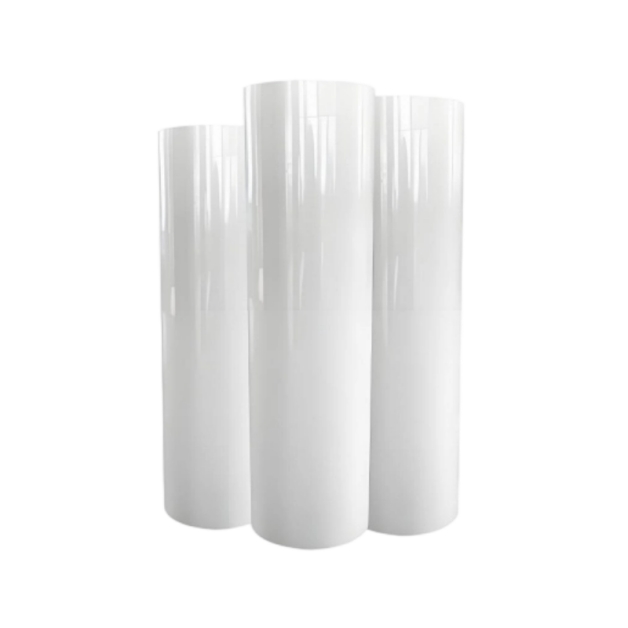
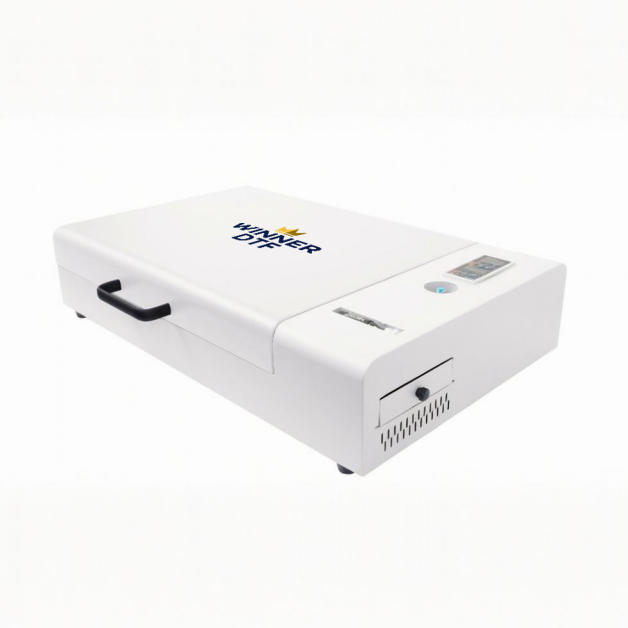
Mesin print dtf is a digital printing device based on DTF (Direct to Film) technology. Its core logic is “print on film first, then transfer,” achieving efficient combination of patterns with various materials through a special transfer film as the carrier. Unlike traditional printing equipment, mesin print dtf does not require pre-treatment of the substrate. Whether it is textile fabrics or rigid materials, pattern adhesion can be completed through heat transfer, greatly simplifying the production process.
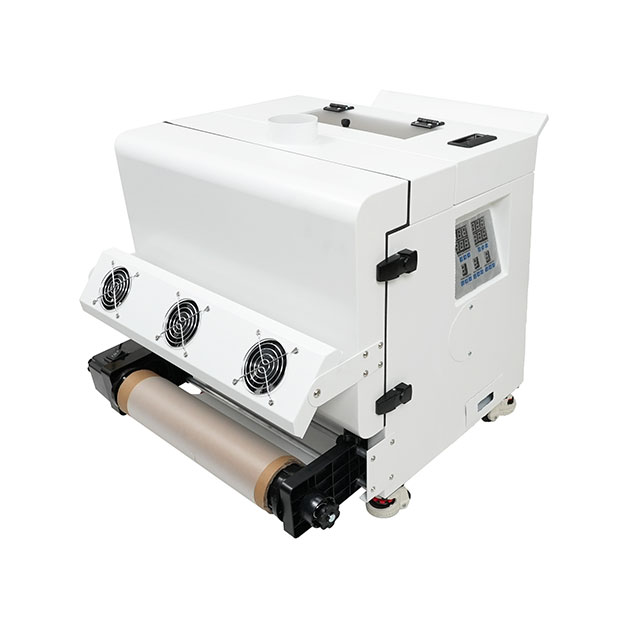
Its complete workflow mainly consists of three steps:
This technical logic frees mesin print dtf from the material dependence of traditional printing. Whether it is cotton, linen, chemical fiber and other fabrics, or leather, metal, plastic and other non-textile materials, high-quality printing can be achieved, providing possibilities for multi-category customization.
II. Core Advantages of Mesin Print DTF: Why It Becomes the First Choice in the Printing Industry in 2026?
Compared with traditional technologies such as DTG direct printing, heat sublimation, and screen printing, mesin print dtf has particularly prominent comprehensive advantages, especially adapting to the current market demand for small batches, multiple categories, and fast turnover. To intuitively present the differences, the following is a comparison table of core parameters between mesin print dtf and mainstream printing technologies:
| Comparison Dimension | Mesin Print DTF (DTF Printer) | DTG Direct Printer | Heat Sublimation Printer | Screen Printing Machine |
| Material Compatibility | Full material adaptation (textiles/leather/metal/ceramics, etc.) | Limited to fabrics with over 60% cotton content | Limited to fabrics with over 80% polyester content | Compatible with multiple materials, but requires customized screens |
| Pre-treatment Requirement | No pre-treatment required, direct printing on transfer film | Requires pre-treatment with coating spray | Requires high-temperature setting of fabrics | Complex processes such as screen making, ink mixing, and plate making |
| Minimum Order Quantity | No limit, single piece production available | Single piece printable, high cost | Suitable for batches, high cost for single piece | Suitable for large batches, not cost-effective for small batches |
| Single Piece Consumable Cost (Taking T-shirt as Example) | 0.2-0.3 US dollars | 0.5-0.8 US dollars | 0.3-0.5 US dollars | 0.1 US dollars (batch)/5 US dollars (single piece) |
| Color Restoration Degree | 98%, supports high-definition gradients/white ink undercoating | 95%, average effect on dark fabrics | 90%, good performance on light-colored fabrics | 85%, easy distortion of complex patterns |
| Production Efficiency (Single T-shirt) | 3-5 minutes | 8-10 minutes | 5-8 minutes | High efficiency in batches (1000 pieces/hour), 1 hour+ for single piece |
| Entry-Level Equipment Price | 2000-5000 US dollars (entry-level) | 3000-6000 US dollars (entry-level) | 1500-3000 US dollars | 500-2000 US dollars (basic model) + screen making fee |
| Technical Threshold | Low, beginners can get started in 1 day | Medium, requires mastery of coating spray skills | Medium, needs to control temperature and time | High, requires professional screen making and ink mixing technology |
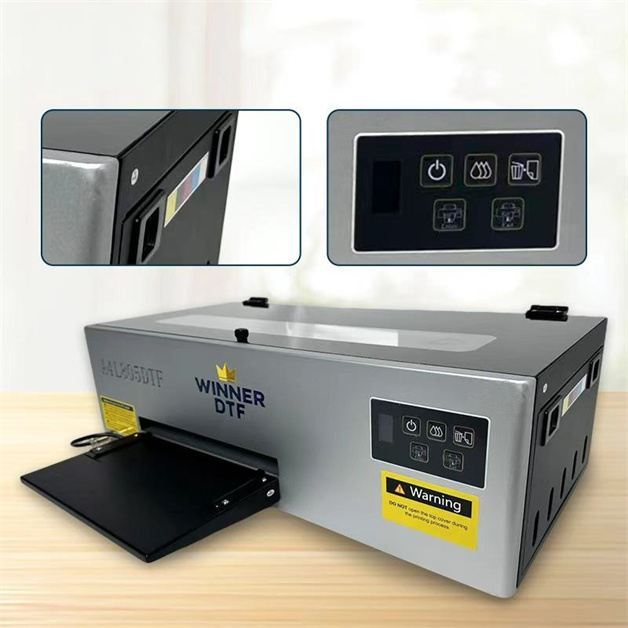
1. Full Material Compatibility, Breaking Application Boundaries
Mesin print dtf does not need to adjust the pre-treatment process according to materials. It can directly adapt to all fabrics such as cotton, polyester, nylon, silk, and wool, and can even print on non-textile materials such as leather backpacks, canvas shoes, metal nameplates, and ceramic cups. In contrast, DTG direct printers are mainly suitable for fabrics with a cotton content of over 60%, heat sublimation can only be used for materials with a polyester content of over 80%, and screen printing is limited by mass production and cannot meet personalized needs. This compatibility allows businesses to expand their product lines without replacing equipment, extending from clothing customization to home decoration, corporate gifts, advertising promotional items and other fields.
2. Low Cost and High Efficiency, Enhancing Profit Margins
The consumable cost of mesin print dtf is 15%-30% lower than that of DTG direct printing. The total cost of ink, transfer film, and adhesive powder for single-piece clothing printing is only 0.2-0.3 US dollars, while the market price can reach 5-8 US dollars, with a gross profit margin significantly higher than traditional technologies. In terms of production efficiency, mesin print dtf has a high degree of automation. The entire process from printing to transfer requires little manual intervention, and the production cycle of a single product is only a few minutes, which is much faster than the multi-step process of DTG direct printing (“pre-treatment-printing-drying-heat pressing”). For startups and small-to-medium-sized businesses, the low-investment and high-output characteristics of mesin print dtf can effectively reduce the threshold for entrepreneurship and operational risks.
3. High Color Restoration, Adapting to Complex Designs
Mesin print dtf supports full-color printing. The color restoration degree of gradient effects and photo-level patterns can reach 98%, and the white ink layer design allows patterns on dark materials to maintain bright saturation. By matching with an AI color management system, precise color calibration with ΔE<1.5 can be achieved, ensuring color consistency in mass production, which is especially suitable for scenarios with strict color requirements such as brand logos and complex illustrations. At the same time, mesin print dtf supports printing patterns as small as a few centimeters and as large as the entire fabric. Whether it is fine lines or large-area color blocks, they can be clearly presented to meet diverse design needs.
4. Easy Operation, Lowering Technical Threshold
The operation process of mesin print dtf is simple and easy to understand. Beginners can get started after short-term training without professional printing skills. The device’s built-in automatic cleaning and nozzle detection functions can reduce maintenance difficulty and lower the defect rate to below 2%. In addition, mesin print dtf can print transfer films in advance for storage, and directly perform heat transfer after receiving orders, effectively shortening the delivery cycle, which is particularly suitable for on-demand customization orders on e-commerce platforms.
III. Mesin Print DTF Selection Guide: Cost-Effective Purchasing Skills in 2026
There are various models of mesin print dtf on the market, with prices ranging from thousands of US dollars to tens of thousands of US dollars. It is necessary to accurately select models according to your own business needs to avoid blind investment. The following 5 core dimensions can be used as purchasing criteria:
1. Clarify Production Scale and Scenarios
2. Pay Attention to Core Hardware Configuration
The print head is the core component of mesin print dtf, directly affecting printing precision and service life. It is recommended to choose equipment equipped with well-known brand print heads such as Epson i3200 and Ricoh G5. These print heads have precise ink droplet control, strong durability, and low maintenance costs. At the same time, it is necessary to confirm whether the device supports CMYK+double white ink configuration. Double white ink can improve the printing effect on dark materials and expand application scenarios.
3. Evaluate Consumable Compatibility and Cost
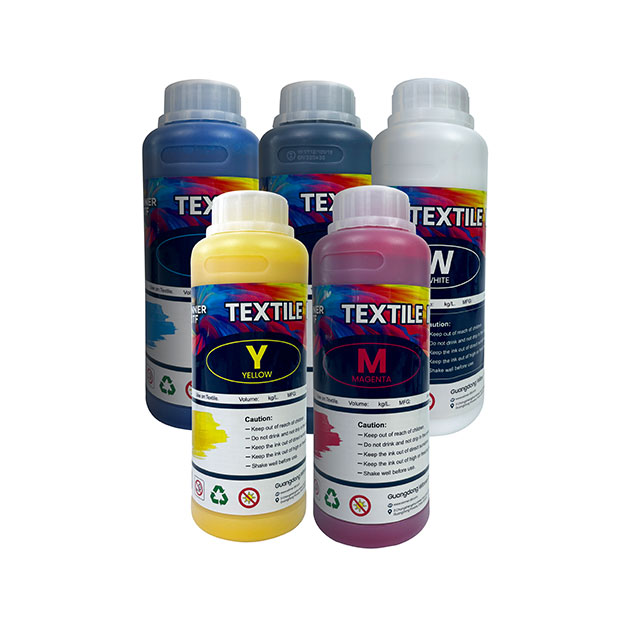
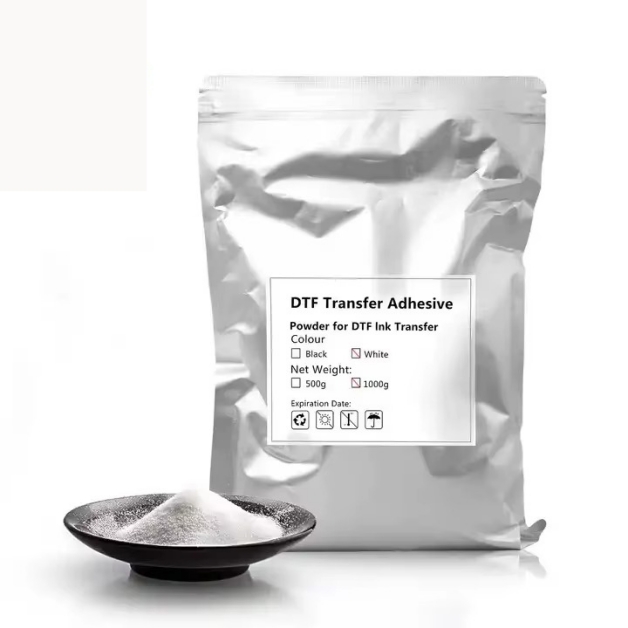
A high-quality mesin print dtf should support various brands of ink, transfer film, and adhesive powder to avoid being tied to a single supplier. During purchasing, you can test the adaptation effect of different consumables. Prioritize environmentally friendly ink (with heavy metal content reduced by more than 90%) and recyclable transfer film, which not only conforms to environmental trends but also meets the needs of high-end customers. At the same time, it is necessary to calculate the long-term consumable cost to avoid an increase in overall operating costs due to low-cost equipment matched with high-priced consumables.
4. Inspect Software and After-Sales Support
The ease of use of the supporting software of the equipment is crucial. It needs to support functions such as ICC color calibration and batch pattern processing. Some high-end models also integrate an AI color management system, which can automatically optimize pattern colors and reduce manual adjustment costs. In terms of after-sales service, it is necessary to confirm whether the supplier provides installation training, technical support, and spare parts supply. High-quality after-sales service can effectively reduce the downtime loss caused by equipment failures, which is indispensable especially for novice businesses.
5. Refer to Technical Upgrade Potential
The development trend of mesin print dtf in 2026 is automation, intelligence, and environmental protection. During purchasing, you can pay attention to whether the equipment supports firmware upgrades and whether it reserves IoT monitoring interfaces, so as to connect to the production management system later, realize real-time monitoring of equipment status and predictive maintenance. At the same time, models supporting hybrid technologies such as UV+DTF can be extended to printing on rigid materials such as ceramics and glass, with stronger market competitiveness in the future.
IV. Mesin Print DTF Maintenance Manual: Key Skills to Extend Service Life and Ensure Printing Quality
Correct operation and maintenance can extend the service life of mesin print dtf by more than 30%, while ensuring stable printing quality and reducing the defect rate. The following are phased maintenance points:
1. Daily Maintenance (Must Do Every Day)
2. Regular In-Depth Maintenance
3. Consumable Storage and Management
V. Frequently Asked Questions (FAQ) About Mesin Print DTF
1. The printed pattern color is inconsistent with the computer display?
Solutions: Calibrate the screen using ProfileMaker software and load the ICC color file matching mesin print dtf; adjust the pattern tone in design software such as Photoshop to reserve the color space occupied by the white ink layer; choose high-quality ink and transfer film to avoid color deviation caused by consumables.
2. Poor pattern adhesion, easy to fall off or fade?
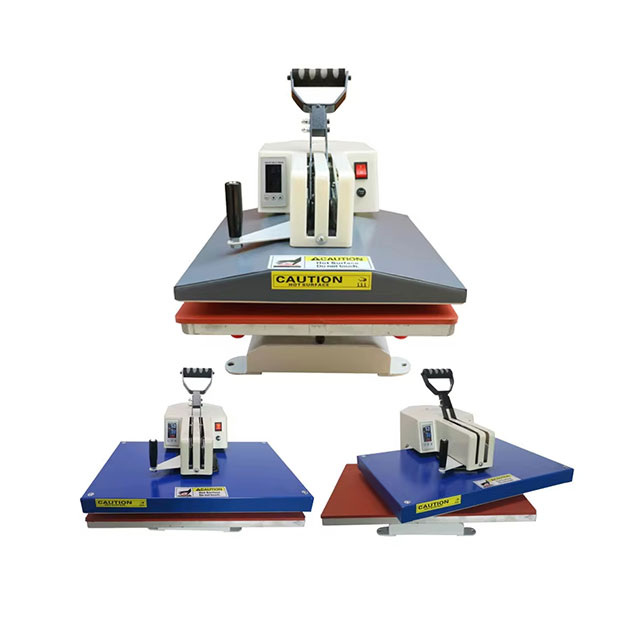
Main Reasons: Insufficient heat pressing temperature/time, incomplete ink curing, and stains on the substrate surface. Solutions: Adjust the heat press temperature to 150-165℃ and extend the transfer time to 20-30 seconds; ensure the transfer film is completely cooled before peeling off after printing; clean the substrate surface to remove oil and dust before transfer.
3. Horizontal stripes or broken lines appear in the printed pattern?
It is likely that the nozzle is clogged, or there is air or impurities in the pipeline. Solutions: Execute the automatic cleaning function of the equipment, and manually clean the print head if necessary; use a syringe to discharge air and impurities in the pipeline; check the ink quality, and replace with new ink if the ink precipitates; adjust the printing speed, reducing the speed can reduce the probability of broken lines.
4. The pattern has an obvious glue texture after transfer, affecting the air permeability of the fabric?
This is a common phenomenon when mesin print dtf prints large patterns, which can be improved in the following ways: Choose thin transfer film and low-viscosity ink; reduce the ink injection volume and optimize the pattern density in the design software; for clothing products, wash them after transfer to soften the glue texture.
VI. 2026 Technology Trends and Application Expansion of Mesin Print DTF
With the continuous growth of customized demand, mesin print dtf is developing in three core directions: first, automation upgrade, integrating functions such as AI color management and IoT monitoring, increasing production efficiency by more than 30% and controlling the defect rate below 2%; second, environmental protection innovation, with biodegradable transfer film and heavy metal-free ink becoming mainstream, reducing carbon footprint by 50%; third, hybrid technology integration, such as DTF+UV and DTF+heat sublimation combination schemes, realizing the printing demand of “full materials + full effects.” For example, cotton-polyester blended fabrics can achieve a perfect combination of dark background color and high-definition gradient through hybrid technology, increasing value by 50%.
In terms of application scenarios, mesin print dtf has expanded from clothing customization to more fields: decorative carpet and curtain printing in the home industry; interior customization in the automotive industry; outdoor banner and promotional item printing in the advertising industry; and even widely used in the customization of 3C product accessories (such as mobile phone cases and earphone cases). For businesses, grasping these trends and laying out diversified product lines in advance can gain an advantage in the fierce market competition.
Conclusion
As the most flexible and cost-effective printing technology currently available, mesin print dtf not only breaks the material limitations and batch dependence of traditional printing but also becomes a core tool for small and medium-sized businesses and startups to enter the customized market with its low threshold and high profitability. From technical principles to selection skills, from daily maintenance to problem-solving, this article covers the full-life-cycle knowledge of mesin print dtf. As long as you flexibly apply it according to your own business needs, you can quickly achieve technology landing and profit growth. In 2026, the customized market will continue to maintain rapid growth. Mastering the core competitiveness of mesin print dtf will enable you to seize a place in the 100-billion-level blue ocean market.