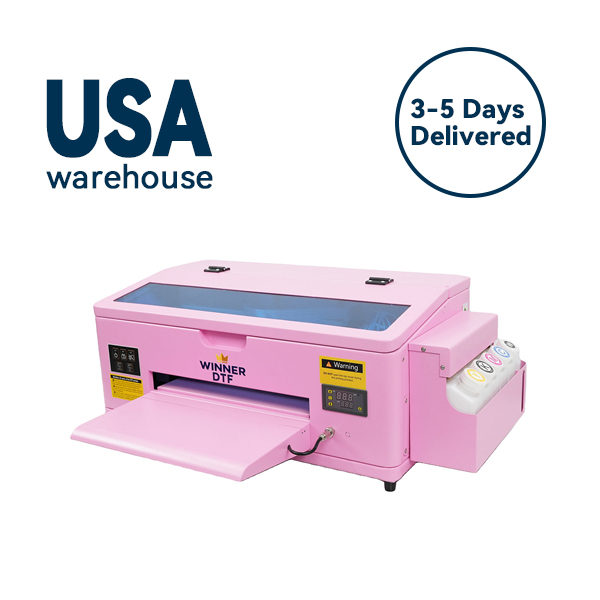
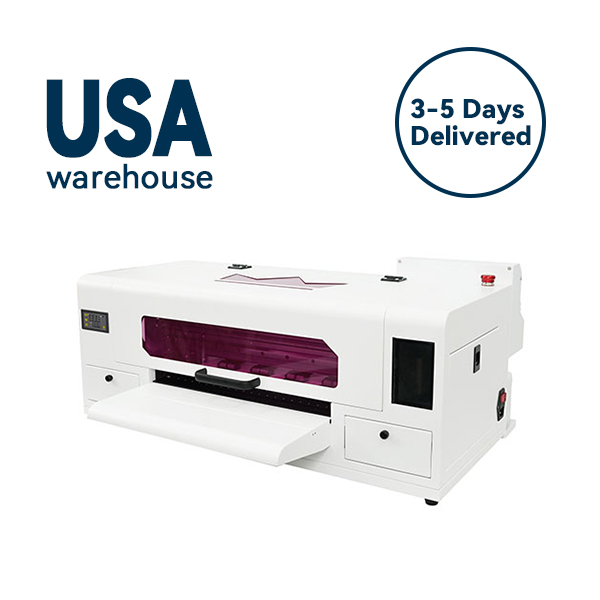
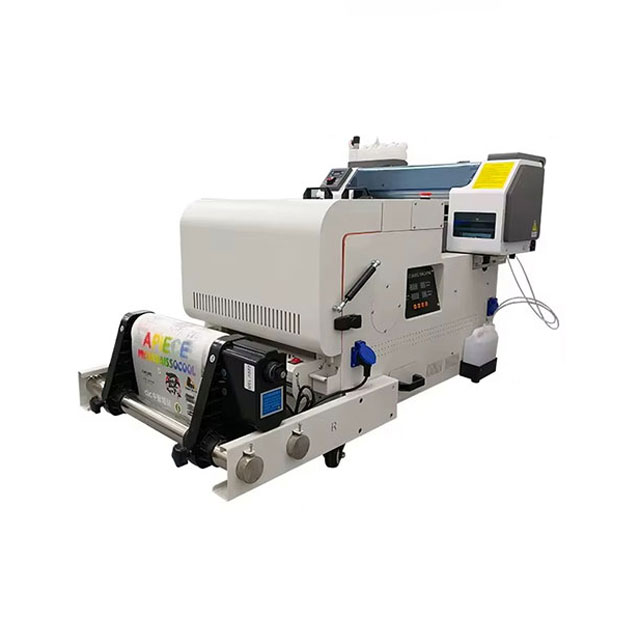
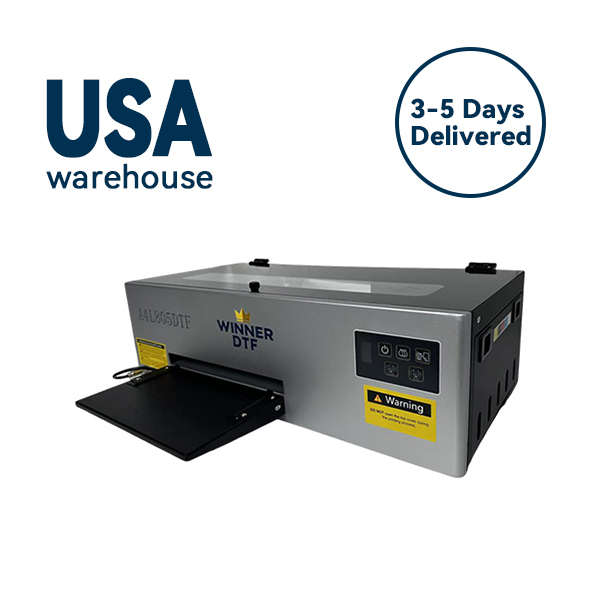
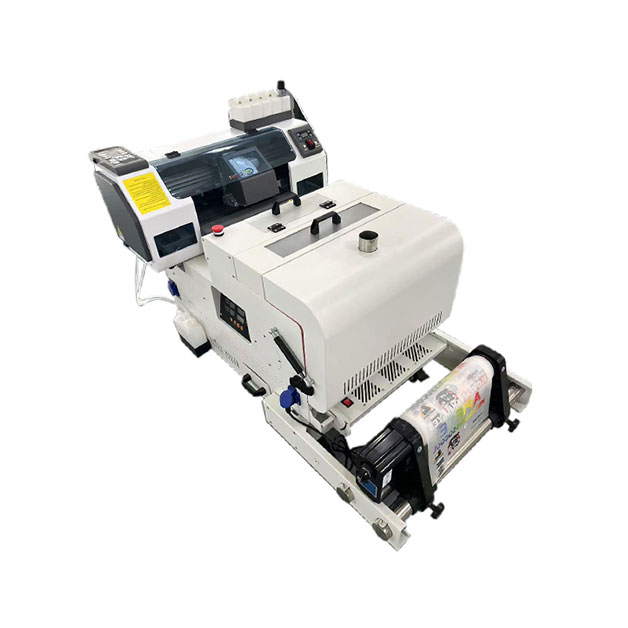
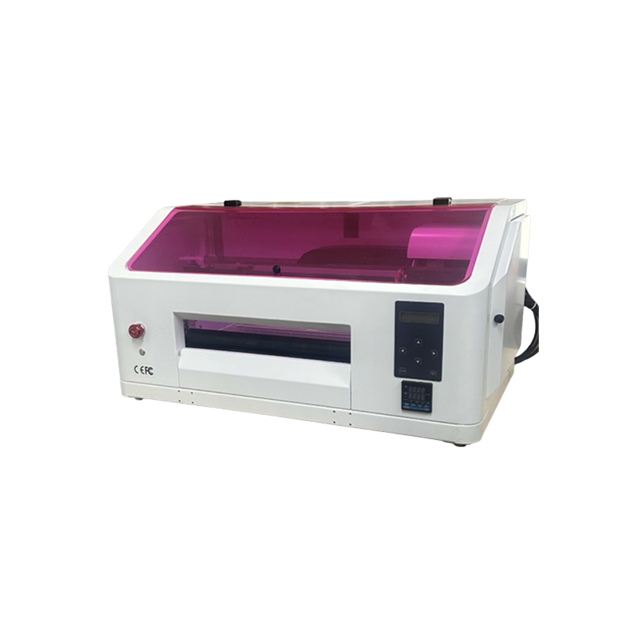
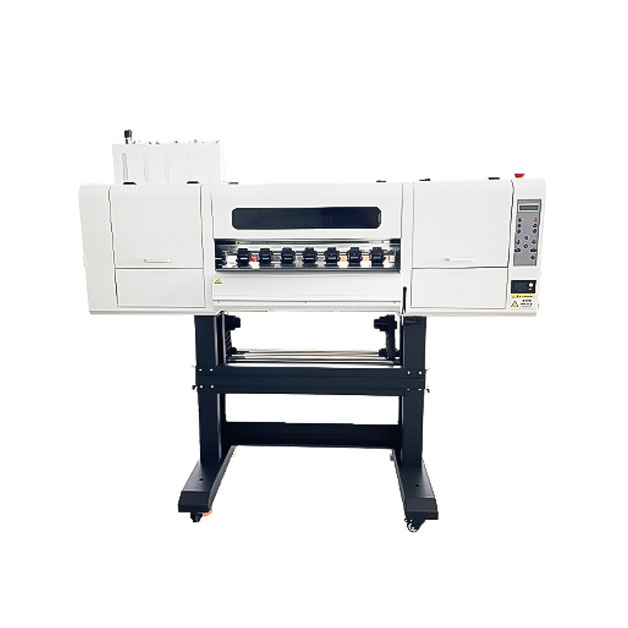
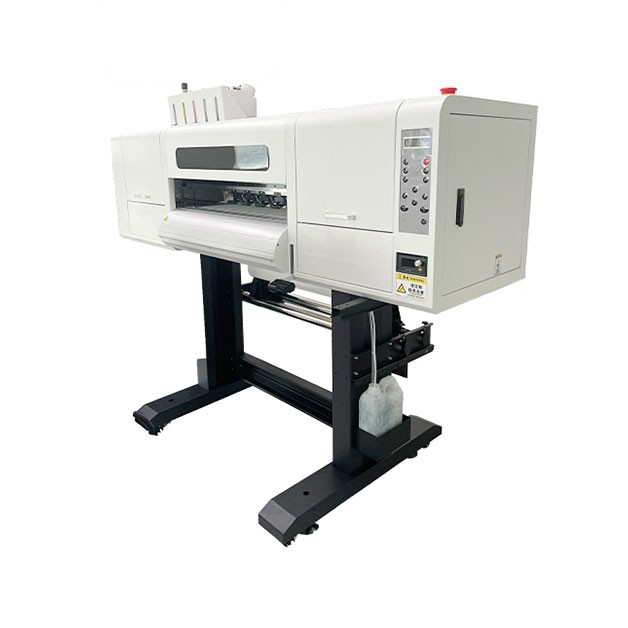
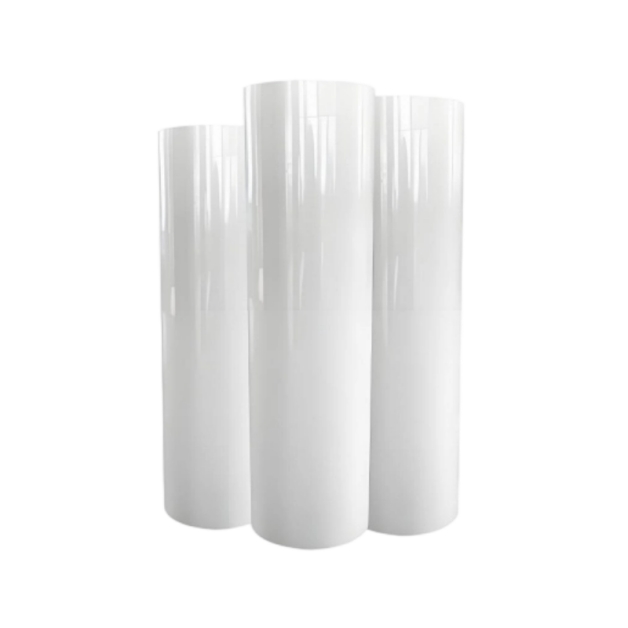
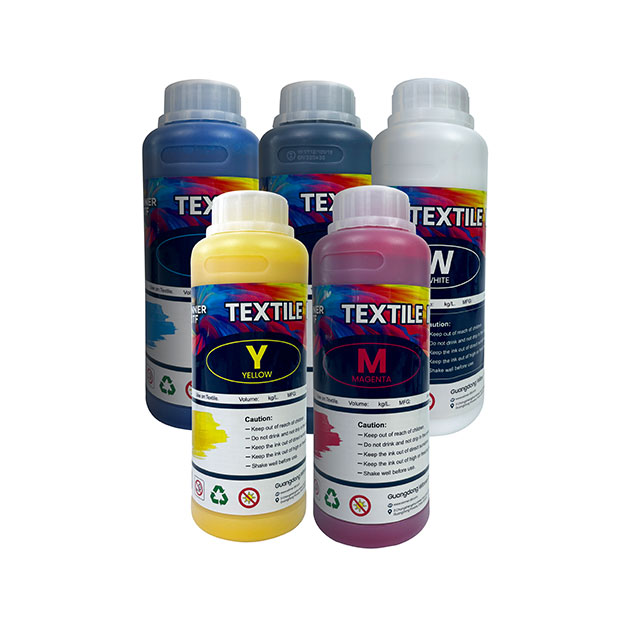
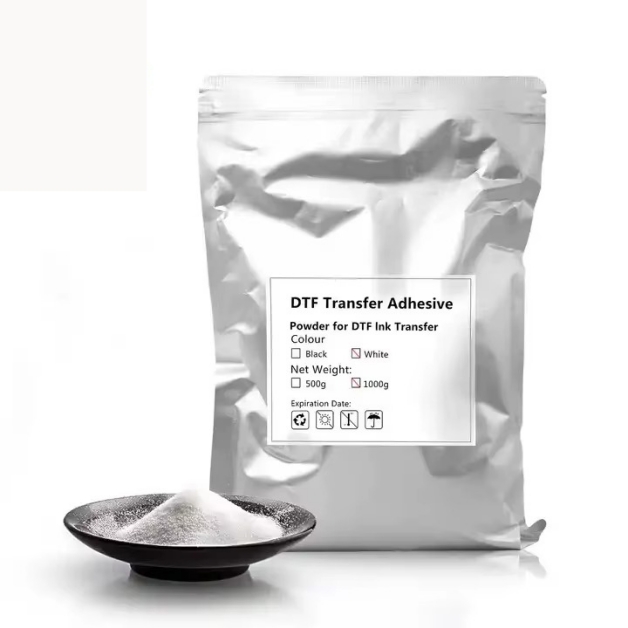

In the rapidly evolving landscape of personalized customization and textile printing, DTF Printing (Direct-to-Film) is swiftly becoming the industry’s new favorite. This innovative technology not only addresses numerous limitations of traditional printing methods but also attracts widespread attention—from startup brands to large-scale manufacturers—with its exceptional adaptability, superior print quality, and increasingly lower production costs.
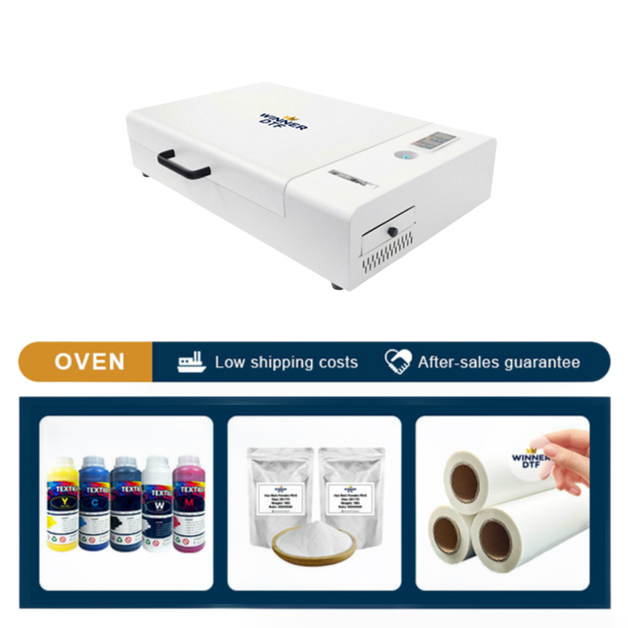
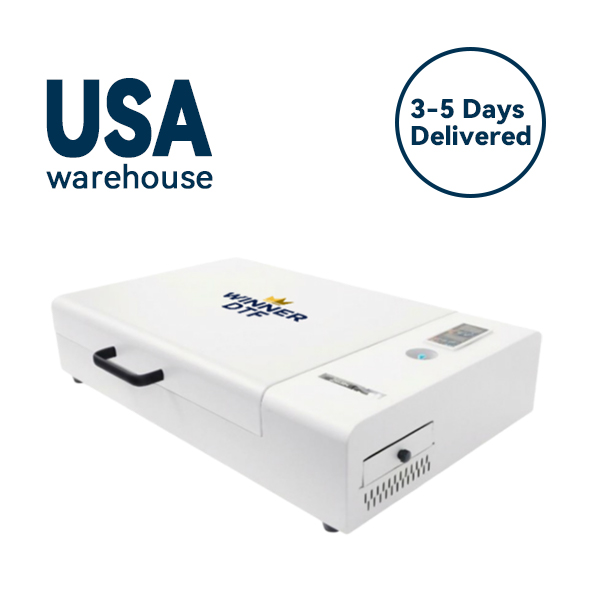
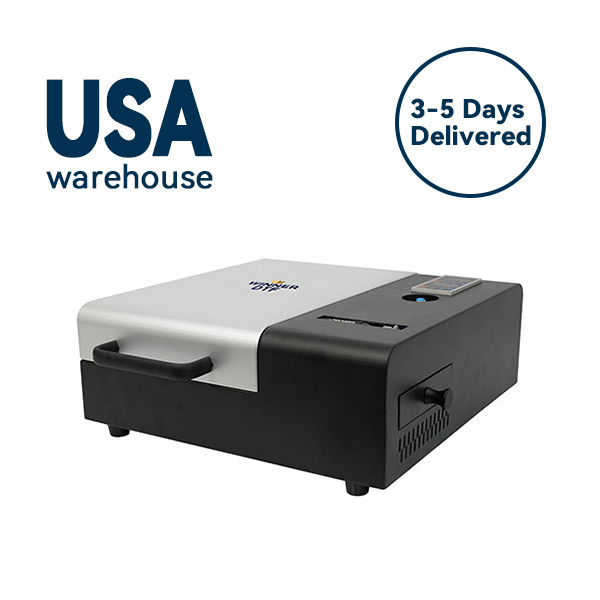
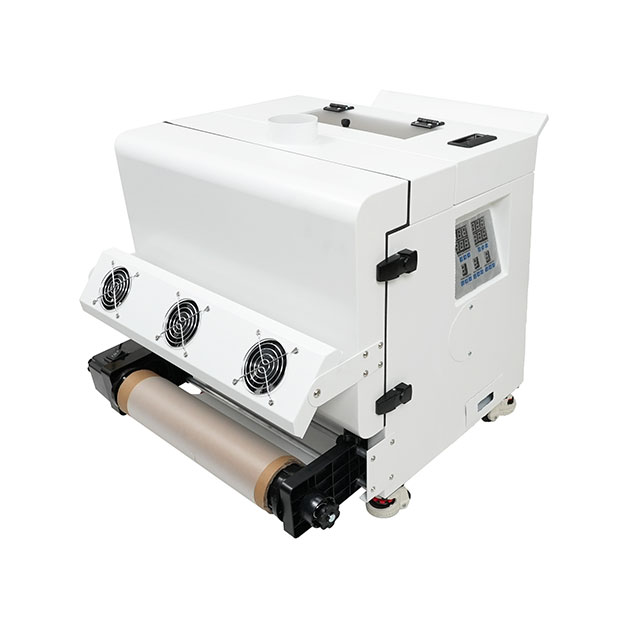
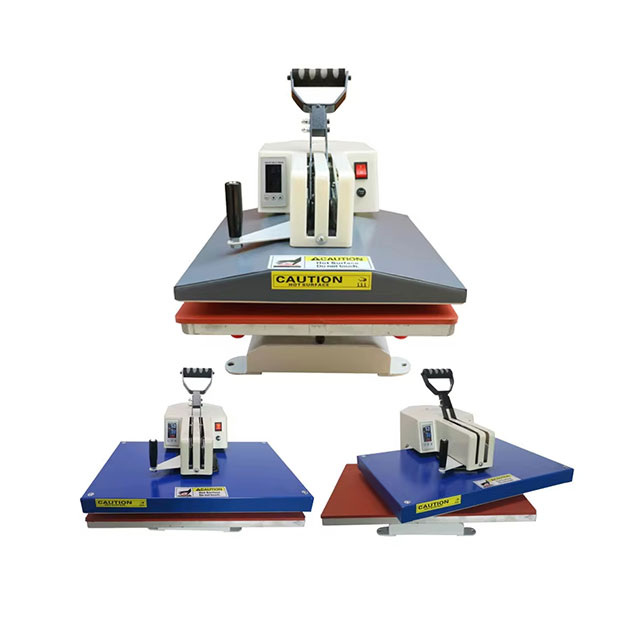
DTF printing is a digital printing process. Its core workflow includes: first printing the design onto a specialized PET film, then sprinkling hot-melt powder over the printed pattern, heating to melt the powder and form an adhesive layer. Finally, the design is transferred from the film onto various textiles using a heat press.
Compared to traditional methods, DTF’s uniqueness lies in its use of an intermediate carrier—the special film. This film not only protects the pattern from damage before transfer but also ensures the pigments transfer completely and vividly to the final substrate. The innovation of this technology is its bonding layer formation mechanism, which allows patterns to adhere firmly to various fiber surfaces, including synthetic materials like polyester that are difficult to handle with traditional methods.
Breaking the Limitations of Screen Printing
Traditional screen printing has long dominated the textile printing market, but its inherent flaws are increasingly apparent: high plate-making costs, limited color count, uneconomical small-batch production, and difficulty handling complex gradient patterns. DTF technology completely solves these problems—no plates are needed, a single setup handles various designs, truly achieving “print-on-demand,” and significantly lowering the barrier for small-batch orders.
The Technological Boundaries of Heat Transfer and DTG
Compared to dye-sublimation transfer, DTF does not rely on the chemical properties of polyester fibers and can be applied to more fabrics like cotton, linen, and blends. Compared to Direct-to-Garment (DTG) printing, DTF eliminates the need for pre-treatment solutions, simplifying the process. It also overcomes DTG’s limitation of requiring a white underbase on dark garments, resulting in fuller, more vibrant colors.
Breakthrough Detail Reproduction Capability
DTF printing can achieve print resolutions up to 1200 dpi, accurately reproducing fine lines, complex gradients, and subtle color transitions. This level of precision means designers can fully realize their creativity without compromising design details due to technical limitations.
Superior Wash and Abrasion Resistance
Properly heat-pressed DTF prints can withstand over 50 industrial washes without significant fading or cracking. Its unique adhesive layer forms a strong bond with the fibers, keeping the printed area soft and elastic, avoiding the stiffness and cracking often seen in traditional prints.
Truly “Universal Printing”
One of DTF technology’s most revolutionary breakthroughs is its nearly limitless substrate adaptability. From 100% cotton to polyester, nylon, blends, and even non-standard materials like canvas and leather, DTF delivers high-quality print results. This characteristic opens new possibilities for product development.
Exploring Applications Beyond Textiles
Forward-thinking companies are exploring DTF applications in more fields: footwear customization, home décor, promotional products, outdoor gear, and more. The technology’s flexibility makes it a catalyst for cross-industry innovation, continuously expanding the market boundaries of digital printing.
An Economic Revolution for Small-Batch Production
Traditional printing methods face high per-unit costs for small orders, but DTF technology completely changes this economic model. Regardless of order quantity, unit costs remain relatively stable, making personalized customization and small-batch production truly economically viable.
Automated Processes and Labor Optimization
Modern DTF systems are highly integrated, enabling a high degree of automation from printing and powder application to drying and transfer. This integrated design reduces manual intervention, lowers labor costs, and improves production consistency and reliability.
Key Considerations for Design Optimization
Successful DTF printing starts with proper file preparation. Designers need to understand the technical characteristics: using CMYK color mode, ensuring resolution is at least 300 dpi, converting transparent backgrounds to pure white, etc. Also, considering the coverage effect of the hot-melt powder, complex patterns require special attention to edge details to prevent powder overflow from affecting final quality.
Precise Control of Color Management
Unlike traditional printing, DTF’s color performance is influenced by multiple factors: film characteristics, powder layer, and final substrate. Establishing a standardized color management workflow is crucial, including device calibration, profile creation, and color matching verification to ensure the design intent is accurately translated into the final product.
Quality Control in Film Printing
The film printing stage requires precise control of ink deposition, drying temperature, and tension balance. Excessive ink leads to incomplete drying, affecting powder adhesion; insufficient ink results in poor color saturation. Experienced operators ensure stable print quality through a combination of visual inspection and instrumental measurement.
Precision Techniques in Hot-Melt Powder Application
The powder application process is a core component of DTF technology. Powder uniformity, particle size distribution, and application thickness directly impact the final product’s softness and durability. Advanced equipment uses electrostatic-assisted powder application to ensure even distribution, while precisely controlled heating systems melt the powder sufficiently without complete liquefaction, forming an optimal adhesive layer structure.
Matching Print Width to Production Capacity
DTF printer widths range from 30 cm to 3 meters. Selection should consider target product dimensions, production volume, and workspace. Small and medium-sized enterprises can initially consider 60-90 cm width devices to balance investment costs with business expansion needs.
Technical Considerations for Ink Systems
Pigment inks are the mainstream choice for DTF printing, offering excellent weather resistance after curing. Selection should focus on ink color saturation, compatibility with the film, and softness after transfer. Some premium inks include special additives to further enhance wash resistance and elasticity.
Scientific Selection of Film Materials
The quality of PET film directly affects print accuracy and transfer results. High-quality films have appropriate surface tension, uniform coating, and excellent dimensional stability. Thickness typically ranges from 50-75 microns, providing sufficient handling strength without overly affecting the transfer’s hand feel.
Performance Variations in Hot-Melt Powders
Different hot-melt powder formulas are suited for different substrate types. Powders for cotton typically have lower melting points and higher tack, while powders for synthetic fibers require higher melting points and specific chemical compatibility. Building a database matching powders to fabrics is key to improving final product quality.
Revolutionizing Fast Fashion Response Times
In traditional apparel supply chains, the printing stage is often a bottleneck. DTF technology reduces the printing production cycle from weeks to days, even hours, enabling brands to respond faster to market trends, reduce inventory risks, and achieve true “on-demand production.”
Scalable Commercialization of Personalized Customization
From wedding customization and corporate apparel to celebrity merchandise and fan culture products, DTF technology makes personalized customization no longer a niche luxury. Combined with social media and e-commerce platforms, personalized DTF products are becoming a new consumer growth point.
The Personalized Wave in Home Décor
Home textiles like curtains, bedding, and tablecloths are becoming new growth areas for DTF printing. Consumers increasingly prefer personalized home items to express individual style, and DTF technology makes small-batch, multi-pattern home customization economically feasible.
Technological Innovation Through Cross-Industry Integration
DTF technology is merging with innovations in smart textiles and functional apparel. For example, incorporating reflective elements in sportswear via DTF prints, or printing patterns with special functional coatings on outdoor gear, expands the technology’s application boundaries.
Addressing Challenges with White Ink Printing
When printing vibrant patterns on dark fabrics, the quality of the white base layer is crucial. Optimizing white ink formulation, adjusting printing sequence (wet-on-wet or wet-on-dry), and controlling ink layer thickness and drying temperature are all key factors in improving white opacity and final color vibrancy.
Adapting to Elastic Fabrics
For high-stretch fabrics like Lycra, traditional prints tend to crack when stretched. DTF optimizes the elastic modulus of hot-melt powder and adjusts heat press temperature and time parameters, allowing the print layer to stretch synchronously with the substrate, significantly improving print durability on elastic fabrics.
Diagnosing and Fixing Common Defects
Issues during DTF production may include: unclear pattern edges (adjust powder distribution), incomplete transfer (check temperature and pressure parameters), peeling after washing (verify heat press conditions), etc. Establishing systematic diagnostic procedures and solution protocols is fundamental to ensuring production stability.
Testing and Validating Long-Term Durability
Establish standardized durability testing procedures, including wash tests, rub tests, lightfastness tests, etc., to objectively assess product lifespan. Simultaneously, record long-term performance data for different material combinations to provide a basis for technical optimization and new material development.
Advances in Eco-Friendly Material Development
Traditional textile printing involves significant water consumption and chemical waste. Next-generation DTF technology is moving towards greater environmental friendliness: improvements in water-based ink systems, development of bio-based hot-melt powders, and application of biodegradable film materials are all reducing DTF printing’s environmental footprint.
System Optimization for Energy Efficiency
Equipment manufacturers are significantly reducing DTF printing’s energy consumption through innovations like waste heat recovery systems, intelligent power management, and low-temperature curing technologies. Combined with renewable energy sources like solar power, this makes distributed, localized small-scale production more environmentally viable.
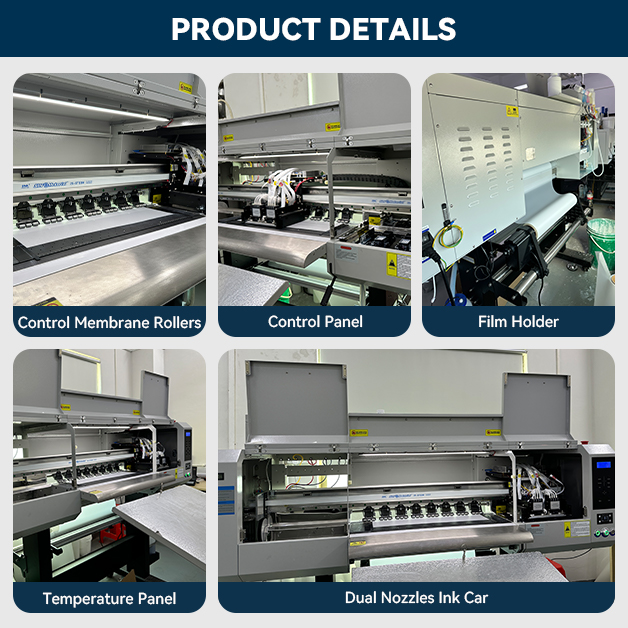
Industry 4.0 Applications in DTF Production
IoT sensors monitor production parameters in real-time, AI algorithms optimize process settings, and robotics automate material handling—DTF production lines are moving towards full automation and intelligence. These advancements not only improve production efficiency but also continuously optimize print quality through data-driven insights.
Cloud Platforms and Distributed Manufacturing
Cloud-based production management platforms enable design files to be securely transmitted to DTF production facilities anywhere in the world, enabling true distributed manufacturing. This model reduces logistics needs, brings products closer to end-consumers, and provides unprecedented flexibility for designers and brands.