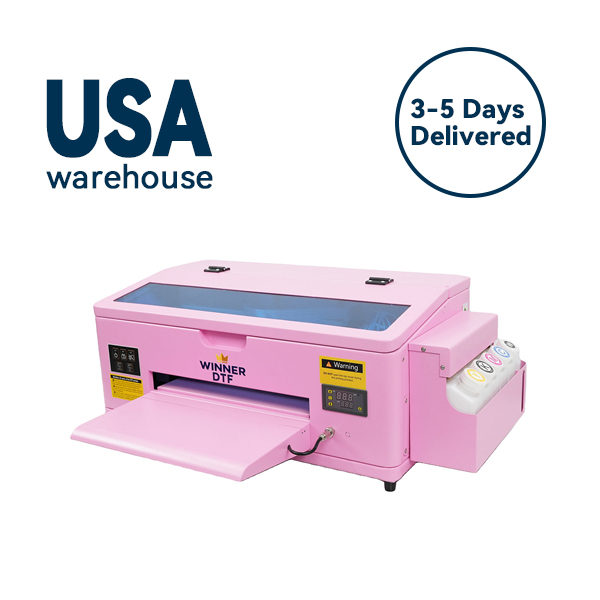
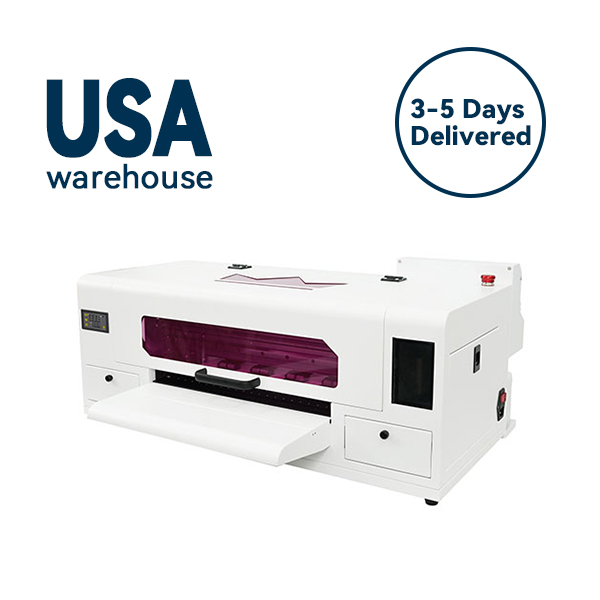
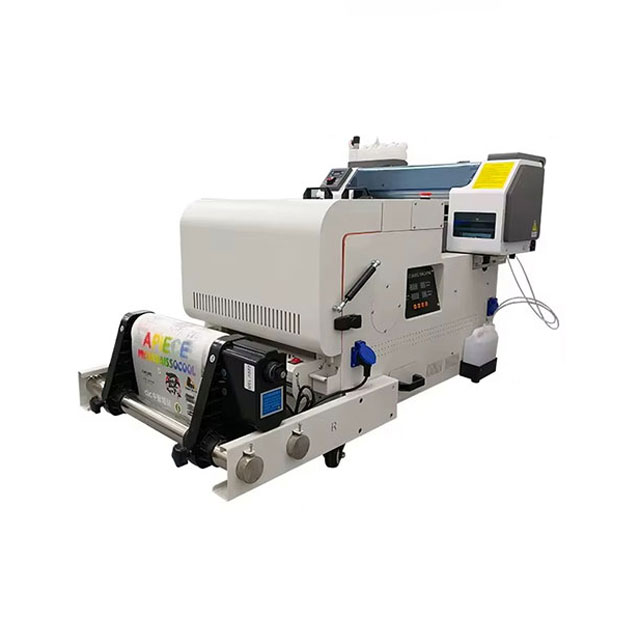
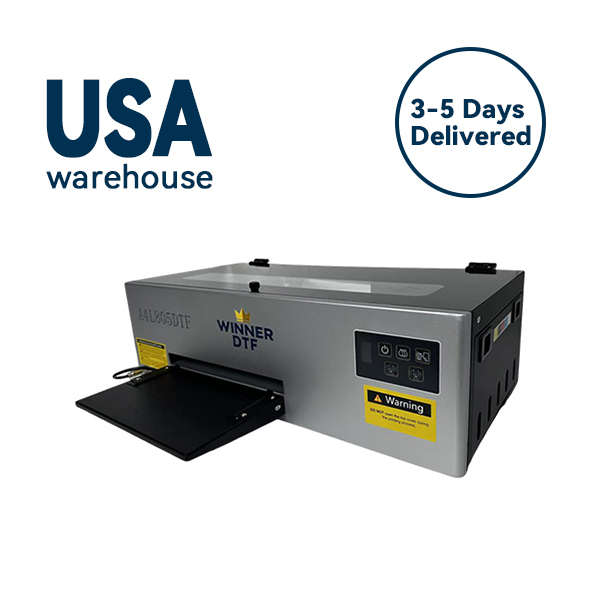
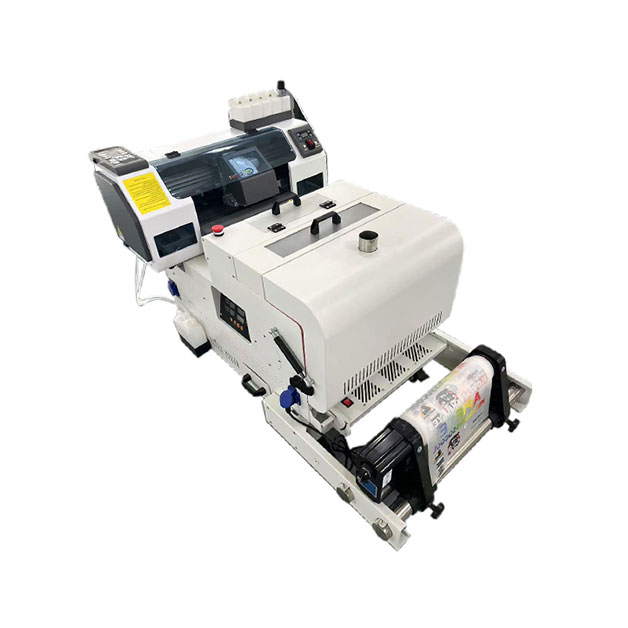
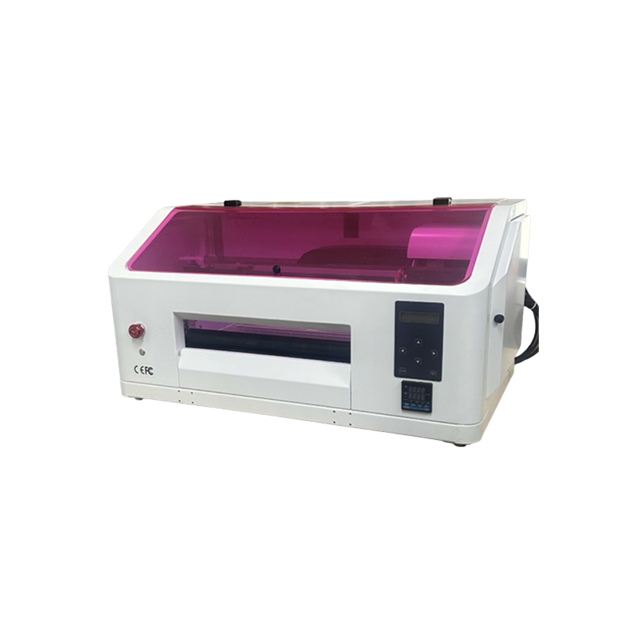
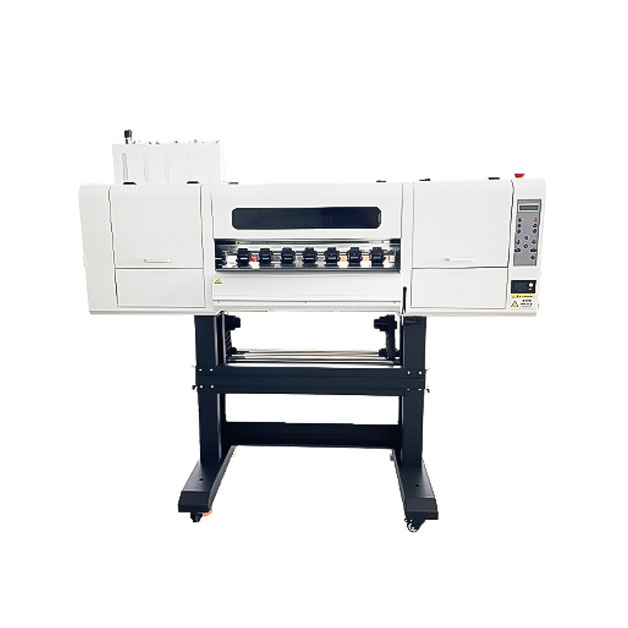
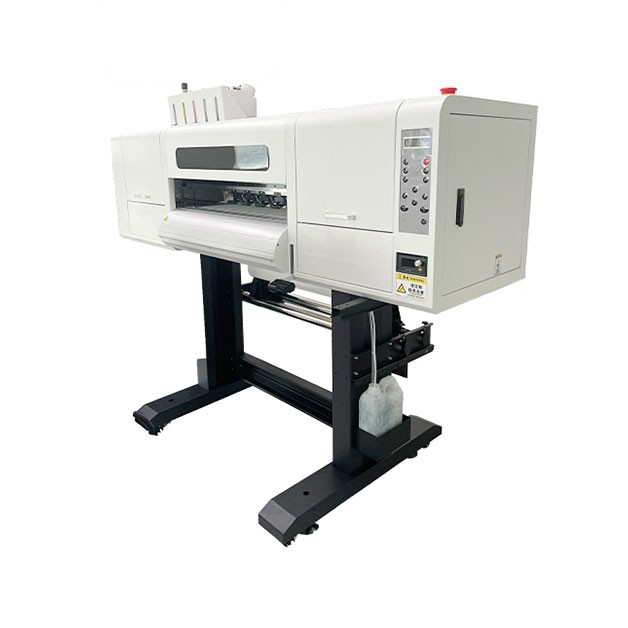
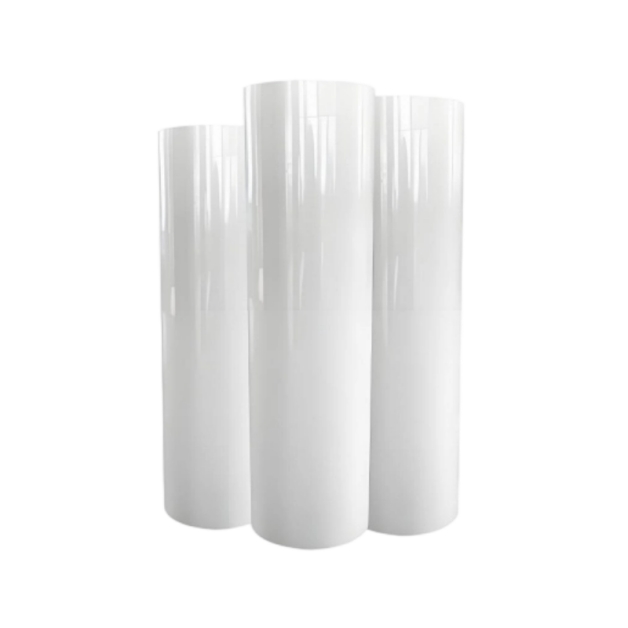
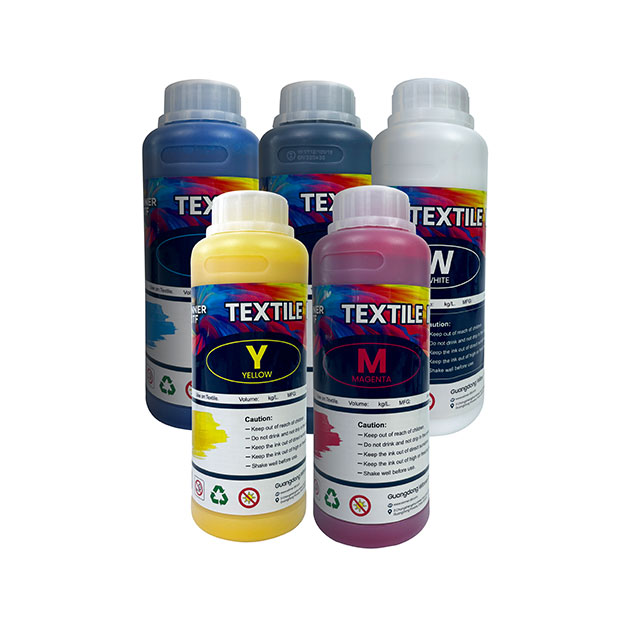
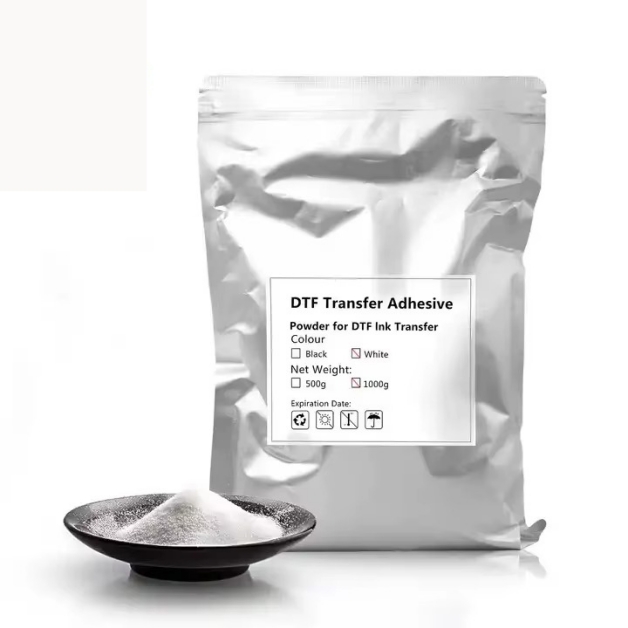

Shirt printing has evolved from a niche hobby to a multi-billion dollar industry, driven by the demand for personalized apparel, brand merchandise, and custom fashion. Whether you’re a small business owner, an entrepreneur, or a creative professional, investing in the right shirt printer can be a game-changer for your operations. In this comprehensive guide, we’ll explore everything you need to know about shirt printers, from the different types available to key features, maintenance tips, and how to optimize your printing business for success.
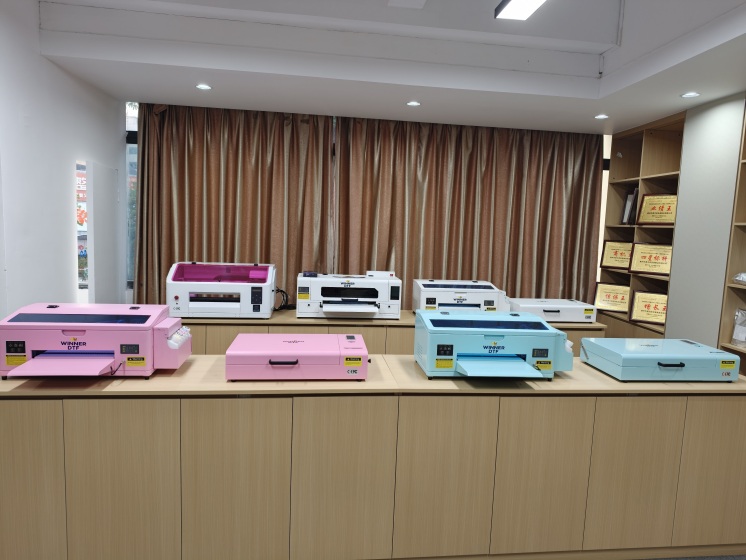
Direct-to-Garment (DTG) printers are revolutionizing the shirt printing industry by allowing users to print high-resolution, full-color designs directly onto fabric. Unlike traditional methods like screen printing, DTG printers use specialized inkjet technology to apply water-based inks directly to the shirt, resulting in vibrant, detailed prints that feel soft to the touch. This technology is ideal for small batch orders, custom designs, and intricate artwork, as it eliminates the need for screens or setup costs. Popular DTG printers include models from Epson, Brother, and Ricoh, which offer varying print speeds, resolution, and connectivity options.
Screen printing remains a staple in the shirt printing industry, especially for large-scale production. This method involves creating a stencil (screen) for each color in the design, then applying ink through the screen onto the shirt. While screen printing requires more setup time and is less cost-effective for small orders, it excels in producing durable, long-lasting prints that are resistant to fading and washing. Modern screen printing machines come with features like automatic registration, multi-color stations, and digital controls, making them suitable for both small businesses and industrial operations.
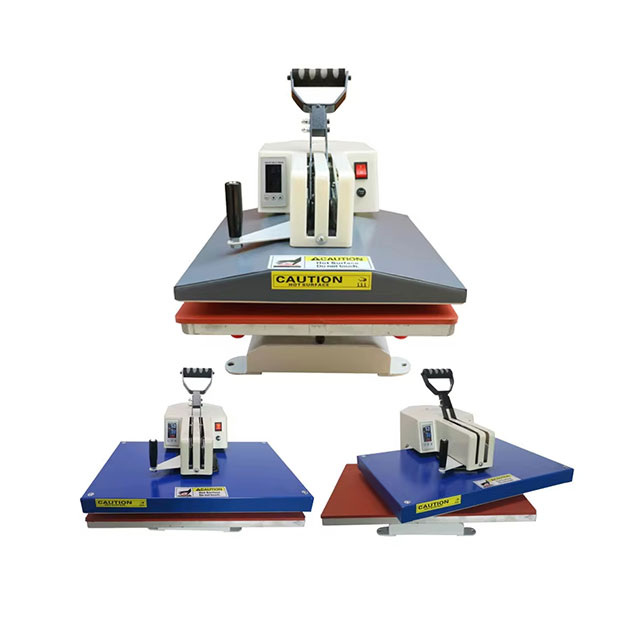
Heat transfer printers use heat and pressure to transfer designs from a special paper or vinyl onto the shirt. This method is popular for its versatility, as it can be used with a wide range of materials, including cotton, polyester, and blends. Heat transfer printers are ideal for customizing individual shirts, promotional items, and small batches, as they require minimal setup and can produce high-quality prints quickly. Some advanced heat transfer printers even support full-color designs and variable data printing, making them a flexible option for businesses looking to offer personalized products.
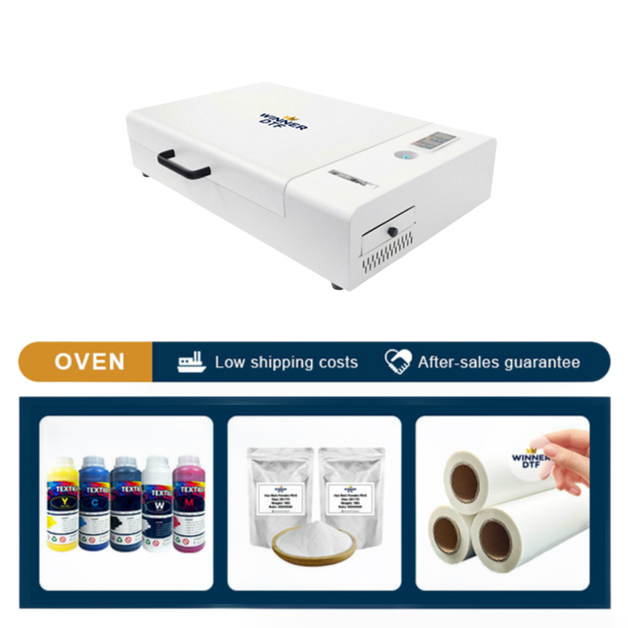
The print quality of a shirt printer is determined by its resolution, measured in dots per inch (DPI). Higher DPI means sharper, more detailed prints, which is crucial for designs with fine lines, gradients, or small text. For most shirt printing applications, a resolution of 1200 DPI or higher is recommended to ensure professional-looking results. Additionally, consider the printer’s color accuracy and ability to reproduce vibrant hues, as this can impact the overall appeal of your printed shirts.
Print speed is an important factor for businesses that need to handle large volumes of orders. DTG printers typically have slower print speeds compared to screen printing machines, with some models printing 1-2 shirts per minute. Screen printing machines, on the other hand, can print dozens of shirts per hour, depending on the number of colors and the complexity of the design. Heat transfer printers offer a balance between speed and quality, with some models capable of printing a shirt in under a minute. When choosing a shirt printer, assess your production needs and select a model that can keep up with your order volume.
A user-friendly shirt printer can save you time and reduce the learning curve for your staff. Look for models with intuitive interfaces, easy-to-follow instructions, and automated features like self-cleaning nozzles or ink level monitoring. Maintenance is also a key consideration, as regular upkeep can extend the lifespan of your printer and ensure consistent performance. Some printers require more frequent maintenance than others, so be sure to factor in the time and cost of cleaning, replacing parts, and servicing when making your decision.
To stand out in the competitive shirt printing market, you need a strong marketing and branding strategy. Start by defining your target audience and creating a unique brand identity that resonates with them. Use social media platforms like Instagram, Facebook, and Pinterest to showcase your work, engage with customers, and drive traffic to your website. Offer promotions, discounts, and limited-time offers to attract new customers and encourage repeat business. Additionally, consider partnering with influencers, local businesses, or event organizers to expand your reach and build credibility.
Providing exceptional customer service is essential for building a loyal customer base and generating positive reviews. Respond to inquiries promptly, offer personalized recommendations, and ensure that your customers are satisfied with their orders. Consider implementing a return or exchange policy to give customers peace of mind, and follow up with them after their purchase to gather feedback and address any issues. By prioritizing customer service, you can differentiate your business from competitors and create a positive reputation in the industry.
As your shirt printing business grows, you may need to scale your operations to meet increasing demand. This could involve investing in additional printers, hiring more staff, or expanding your production space. Consider automating repetitive tasks like order processing, inventory management, and shipping to improve efficiency and reduce costs. Additionally, explore new markets and product lines to diversify your revenue streams and stay ahead of the competition. By planning for growth and adapting to changing market trends, you can position your business for long-term success.
Choosing the right shirt printer is a critical decision that can impact the success of your business. By understanding the different types of printers available, evaluating key features like print quality, speed, and ease of use, and implementing effective marketing and customer service strategies, you can set yourself up for success in the competitive shirt printing industry. Whether you’re just starting out or looking to upgrade your existing equipment, this guide has provided you with the knowledge and insights you need to make an informed decision. Invest in the right shirt printer today and take your business to the next level.
Disclaimer: The information provided in this guide is for educational purposes only. Always conduct thorough research and consult with industry experts before making any investment decisions.