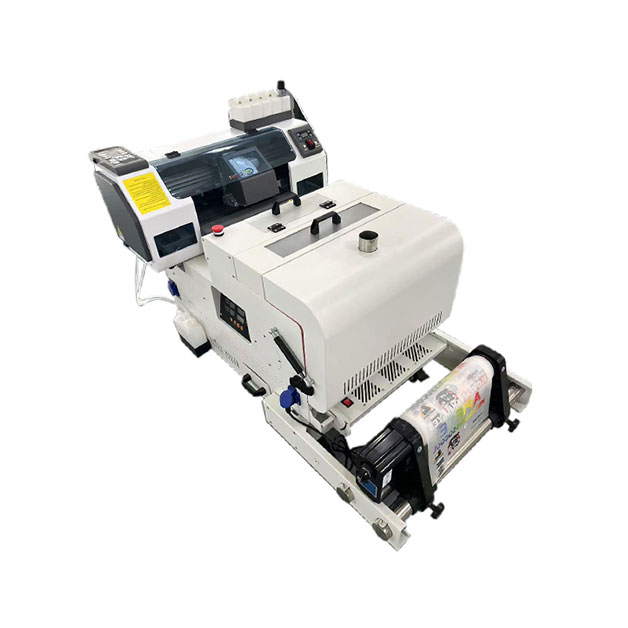
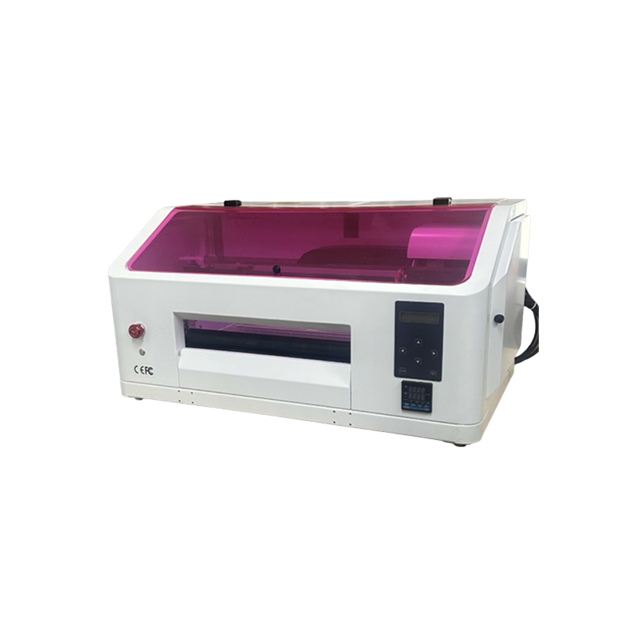
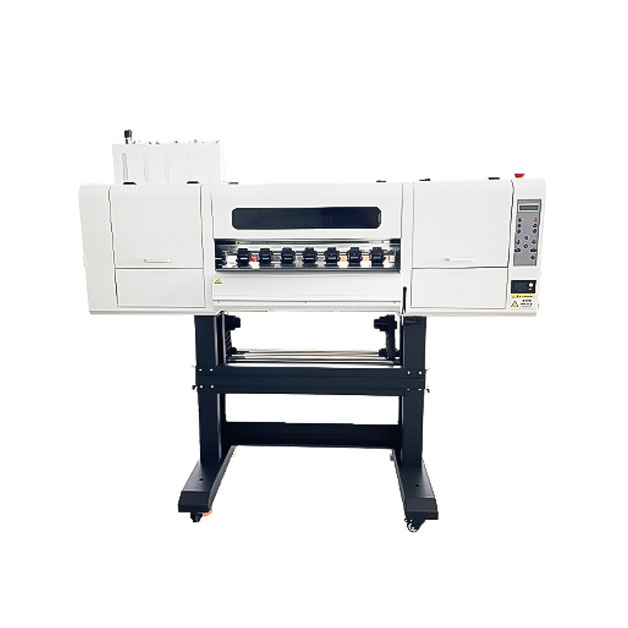
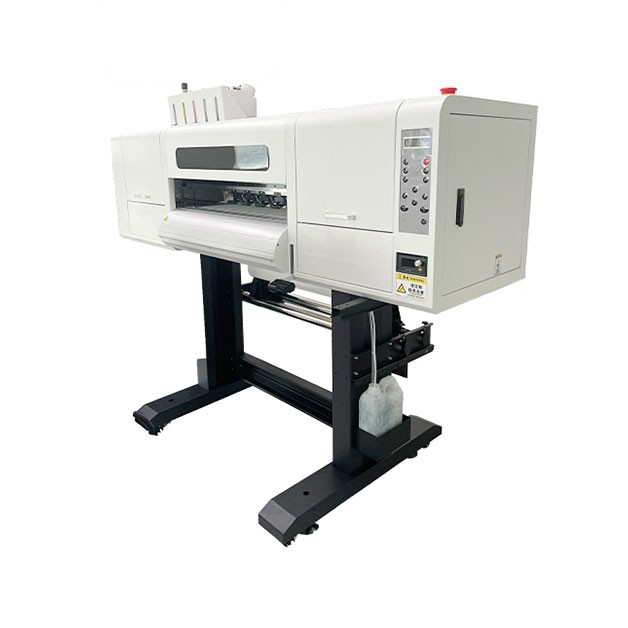

The shirt printing industry is evolving at a rapid pace, driven by technological advancements, changing consumer preferences, and global market shifts. As we enter 2024, staying ahead of the latest trends is crucial for businesses looking to remain competitive. In this guide, we’ll explore the most impactful trends shaping the future of shirt printing, from AI-powered design tools to sustainable manufacturing practices.
Artificial intelligence is revolutionizing the way we create and customize shirt designs. AI-powered tools like Canva’s Magic Write and Adobe Firefly can generate unique designs based on user input, from color palettes to style preferences. For shirt printers, this means faster design turnaround times and the ability to offer personalized designs at scale. For example, a customer can upload a photo of their pet, and an AI tool can convert it into a vector graphic ready for printing. By integrating AI design tools into your workflow, you can reduce manual labor and offer more creative options to your clients.
Machine learning algorithms are being used to predict and prevent printer failures before they happen. By analyzing data from sensors in the printer (such as temperature, ink levels, and print speed), ML models can identify patterns that indicate potential issues. For instance, a sudden drop in print speed might signal a clogged nozzle, allowing you to address the problem before it causes downtime. Some modern shirt printers come with built-in ML capabilities, while others can be integrated with third-party software. By leveraging predictive maintenance, you can reduce repair costs and keep your production line running smoothly.
Waterless printing is one of the most promising sustainable trends in the industry. Traditional shirt printing methods use large amounts of water for cleaning screens and pre-treating fabrics. Waterless printing eliminates this by using UV-curable inks that dry instantly when exposed to ultraviolet light. This not only reduces water consumption but also eliminates the need for chemical solvents and reduces energy use. Waterless printers are ideal for small to medium-sized businesses looking to reduce their environmental footprint without compromising on print quality.
The circular economy is gaining traction in the shirt printing industry, with a focus on reducing waste and extending the lifecycle of products. This includes using recycled materials for shirts, offering repair services for printed apparel, and implementing take-back programs for old garments. For example, some companies collect used shirts, remove the prints using eco-friendly methods, and reuse the fabric for new products. By adopting circular economy practices, you can attract eco-conscious customers and build a more sustainable business model.
3D printing is no longer limited to plastic and metal—it’s now being used to create textured and raised designs on shirts. 3D shirt printers use additive manufacturing techniques to build up layers of ink or polymer, creating unique textures like embossing, debossing, and even 3D logos. This technology is ideal for luxury brands and high-end apparel, where unique design elements can command a premium price. While 3D shirt printing is still in its early stages, it has the potential to revolutionize the industry by offering unlimited design possibilities.
Digital textile printing is making mass customization more accessible than ever. Unlike traditional screen printing, which requires a separate screen for each color, digital textile printers can print full-color designs directly onto fabric with no setup costs. This makes it possible to produce one-of-a-kind shirts at the same cost as mass-produced ones. Some digital textile printers even support variable data printing, allowing you to print unique designs on each shirt in a batch. By embracing digital textile printing, you can offer personalized products to a wider audience and stay ahead of the competition.
The future of shirt printing is bright, with AI, sustainability, and emerging technologies driving innovation. By staying informed about the latest trends and adapting your business model accordingly, you can position yourself as a leader in the industry. Whether you’re investing in AI-powered design tools, adopting waterless printing, or exploring 3D printing, the key is to focus on delivering value to your customers while reducing your environmental impact. As we move into 2024 and beyond, the shirt printing industry will continue to evolve—those who embrace change will thrive.