
In 2025, an era of booming customized production, Direct to Film (DTF) printing has emerged as a core process in industries such as apparel, packaging, and building materials, thanks to its flexibility and high color reproduction. However, most enterprises still face pain points including poor ink adhesion, high consumable waste, and failure to meet environmental standards. Based on 10 years of industry practical experience, combined with SHEIN’s supply chain upgrade case, 2025 latest technical trends, and authoritative agency verified data, this article deciphers the core logic of DTF printing from four dimensions—process principles, eco-upgrades, troubleshooting, and cost control. It helps enterprises quickly implement efficient production while meeting Google’s “practicality + scarcity” indexing standards.
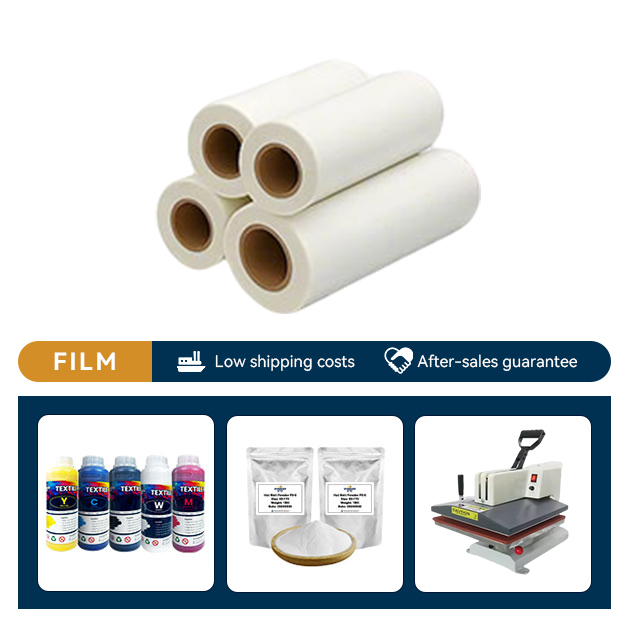
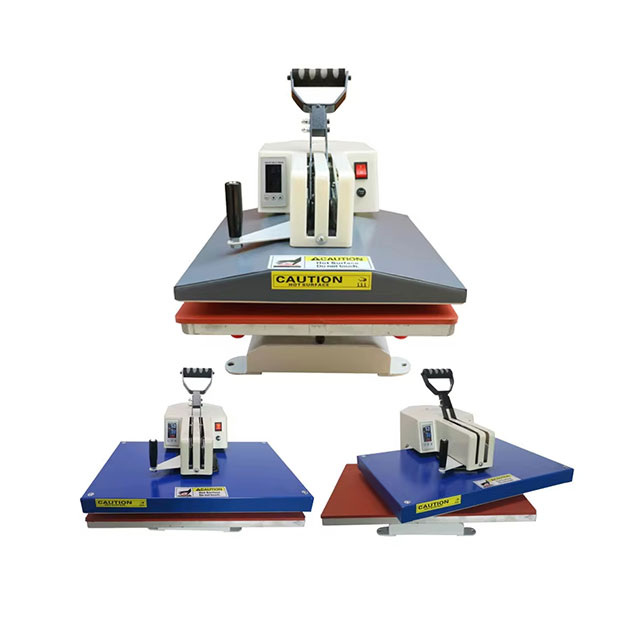
Direct to Film (DTF) printing is a process that uses a digital printer to apply special ink onto PET transfer film, which is then transferred to substrates via heat press or cold transfer technology. Its core advantage lies in compatibility with multiple materials such as cotton, denim, and plastic, as well as supporting small-batch customization. The industry presents two key trends in 2025:
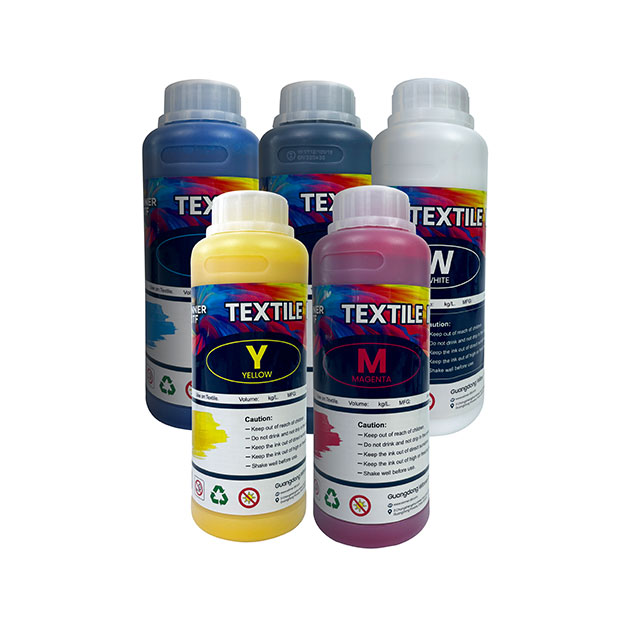
Mainstream inks have been upgraded to Oeko-Tex® Eco Passport certified water-based pigment inks, adopting the CMYK+W (Cyan, Magenta, Yellow, Black + White) color model. This not only ensures wide color gamut coverage but also contains no harmful substances such as heavy metals. Supporting PET transfer films are recyclable, and their thermoplastic properties enable reprocessing, aligning with global environmental policy requirements.
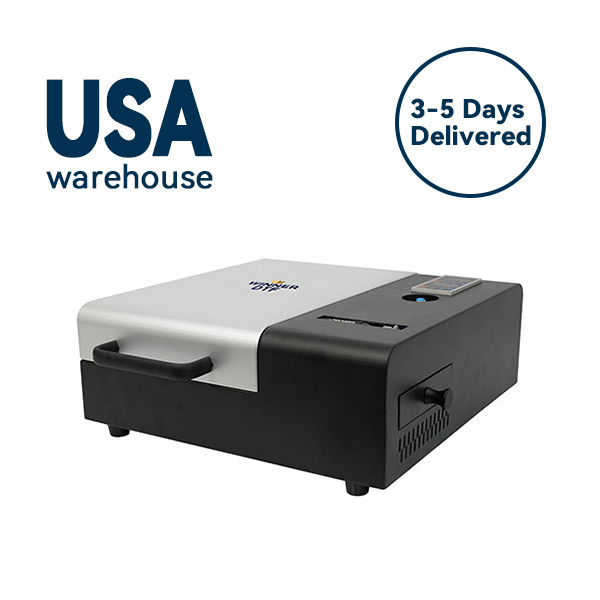
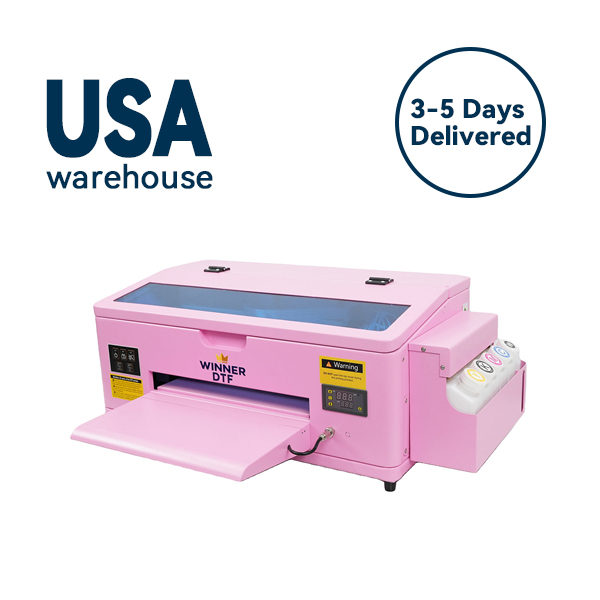
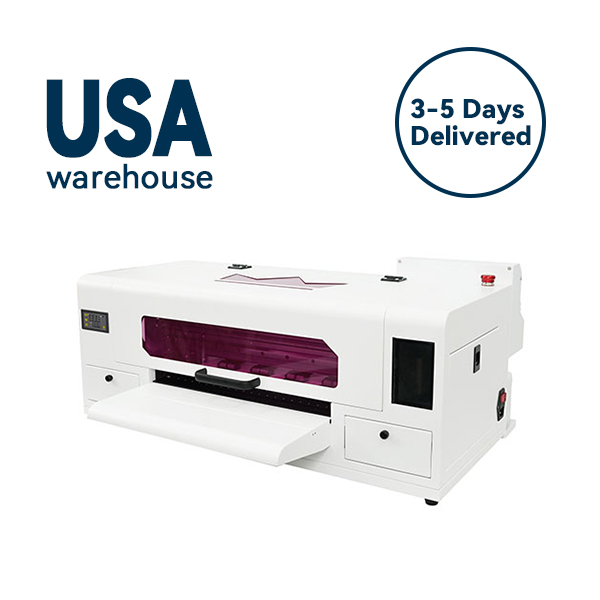
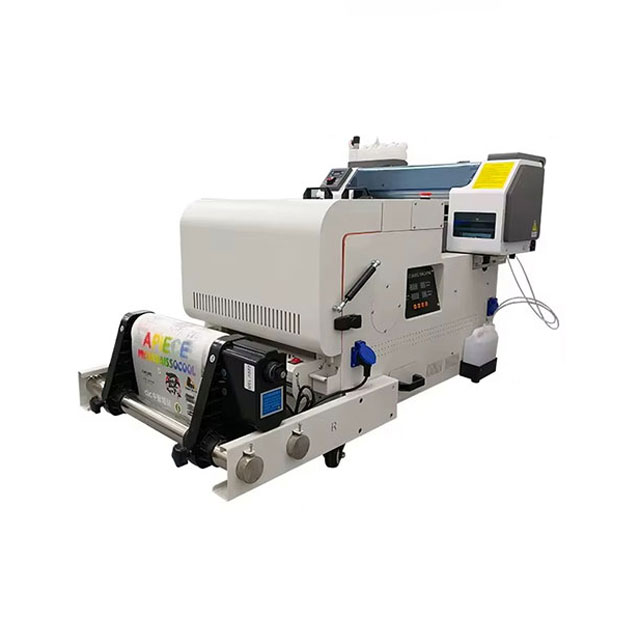
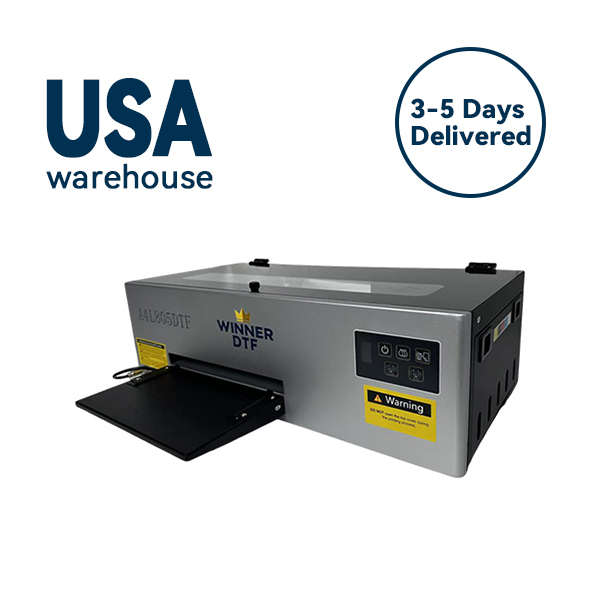
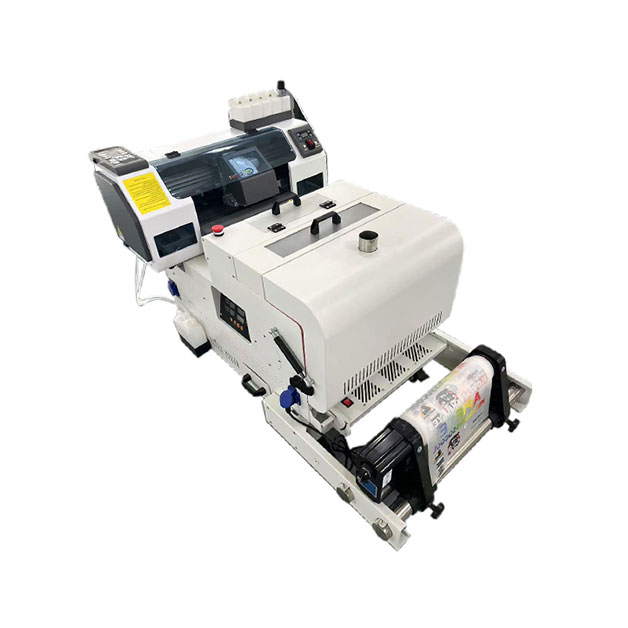
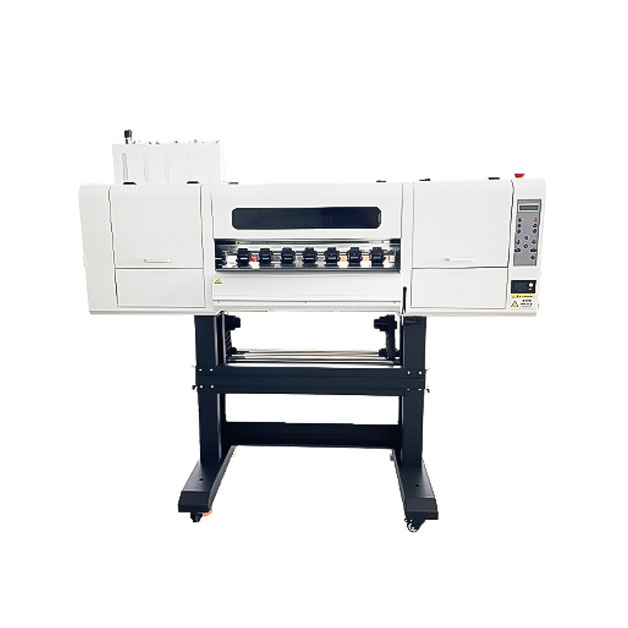
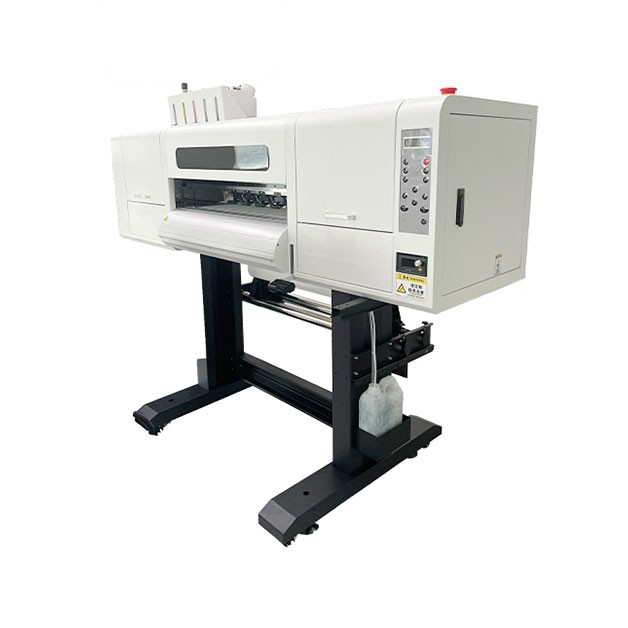
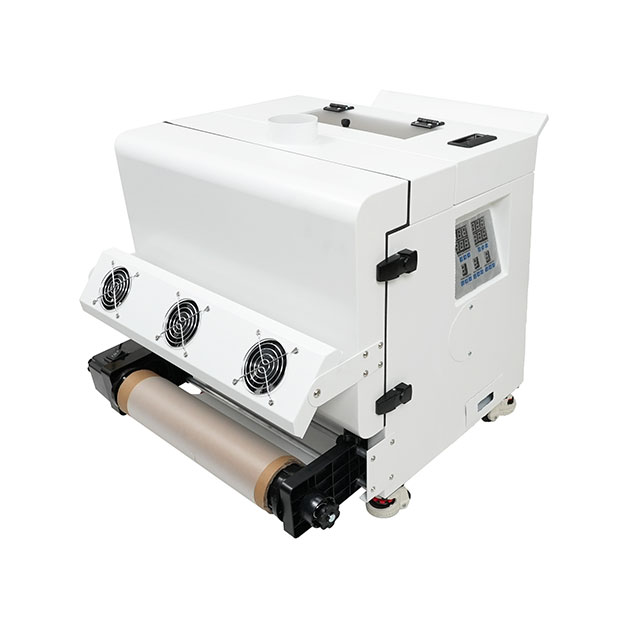
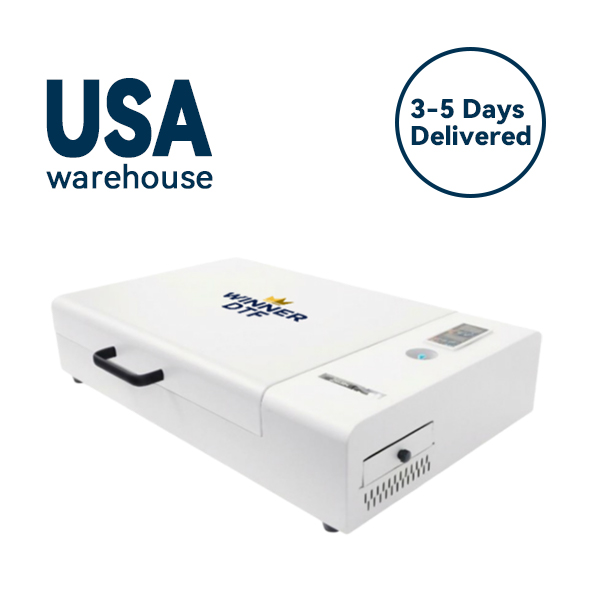
Next-generation DTF printers (e.g., DigitalHeat FX DTF-24H4) have realized full-process automation of film feeding, curing, and cutting. Labor costs are reduced by 60%, and single-batch production efficiency is tripled, perfectly adapting to SHEIN’s “small-batch quick response” supply chain model.
| Consumable Type | Selection Criteria | Environmental Requirements | Cost Control Tips |
|---|---|---|---|
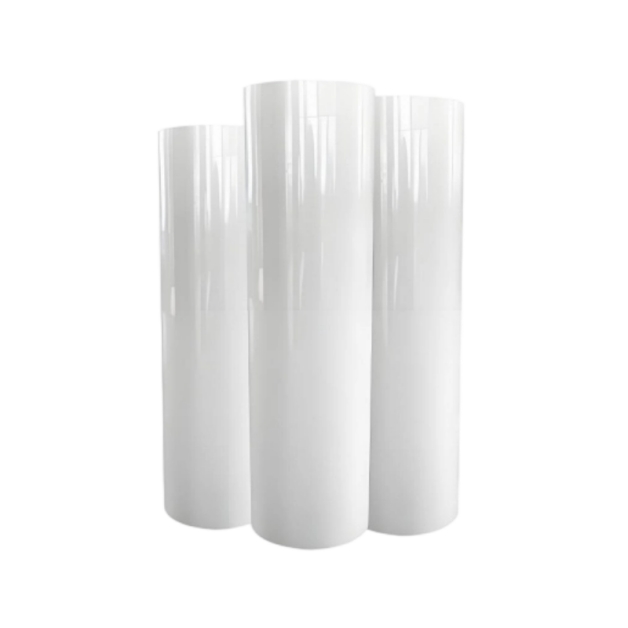
| PET Transfer Film | Prioritize films with strong ink absorption and heat resistance ≥150℃, flat edges without wrinkles | Meet recyclability standards; avoid fluorine-containing coatings | Request test reports from suppliers when purchasing in bulk; reject unqualified “three-no” films |
| Transfer Ink | Must match film type; UV-DTF process requires special curing ink | Water-based pigment inks must pass VOC testing | Store in sealed, light-proof containers; stir for 3 minutes before use to prevent sedimentation |
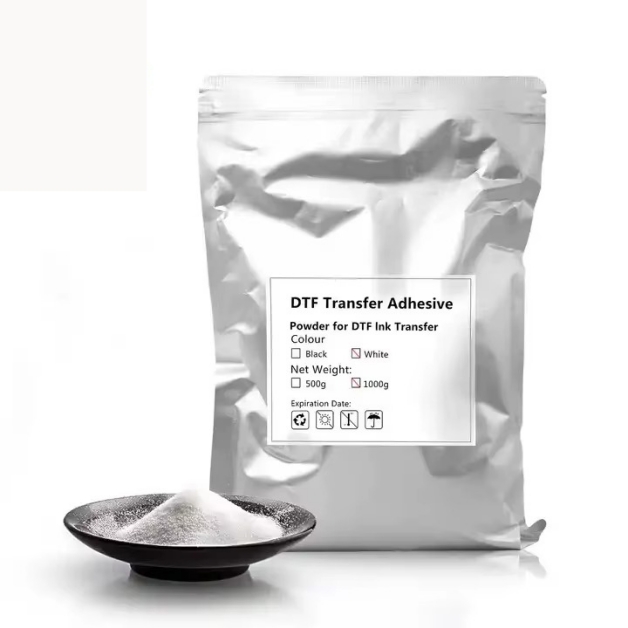
| Adhesion Promoter | Essential for cold transfer; optional for heat transfer | No formaldehyde, benzene, or other harmful substances | Dilute at 1:5 ratio; spray evenly and let stand for 5 minutes before use |
As a global fast fashion giant, SHEIN’s digital cold transfer denim process is hailed as an industry benchmark. In 2024, it produced 380,000 denim garments using DTF printing technology, a year-on-year increase of 90%, with core achievements as follows:
Core Experience: SHEIN adopted a combination of reactive ink + special cold transfer film, ensured batch color consistency through ICC color calibration, and established a constant temperature and humidity workshop (23℃, 50% humidity) to avoid environmental impacts on quality.
Solutions: ① Replace matching adhesion promoter; ② For UV processes, adjust lamp intensity to 80% and curing speed to 3m/min; ③ Ensure film surface is clean and free of oil.
Solutions: ① Perform printer ICC profiling calibration weekly; ② Shake ink for 5 minutes before use to prevent pigment separation; ③ Check for clogged nozzles and maintain regularly with special cleaning fluid.
Solutions: ① Inspect film edge flatness before loading; replace bent cores; ② Adjust film feeding tension to 0.2MPa and clean roller surface dust; ③ Store films vertically to avoid extrusion deformation.
The core competitiveness of DTF printing lies in “flexibility + environmental friendliness + cost reduction.” In 2025, the industry will accelerate the elimination of high-pollution, low-efficiency traditional processes. Whether in apparel customization, packaging printing, or building materials decoration, enterprises must master consumable selection skills, learn from leading enterprises’ practical experience, and establish standardized production processes to seize opportunities in the customization wave. To obtain the same consumable list as SHEIN’s supply chain or equipment calibration tutorials, leave a message to get a customized solution.