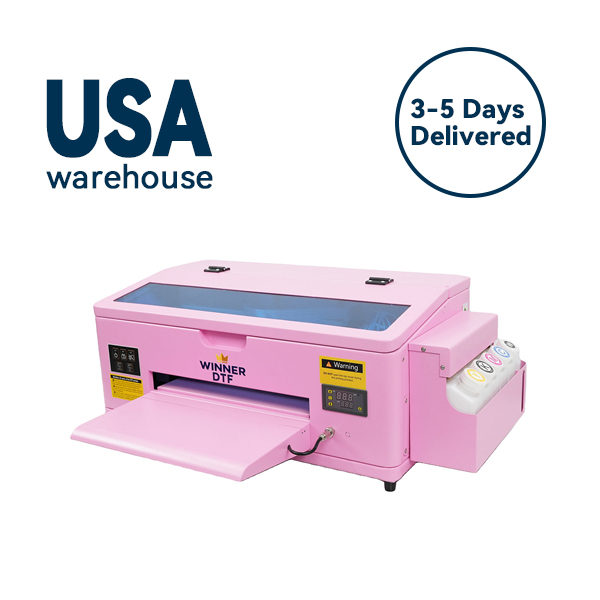
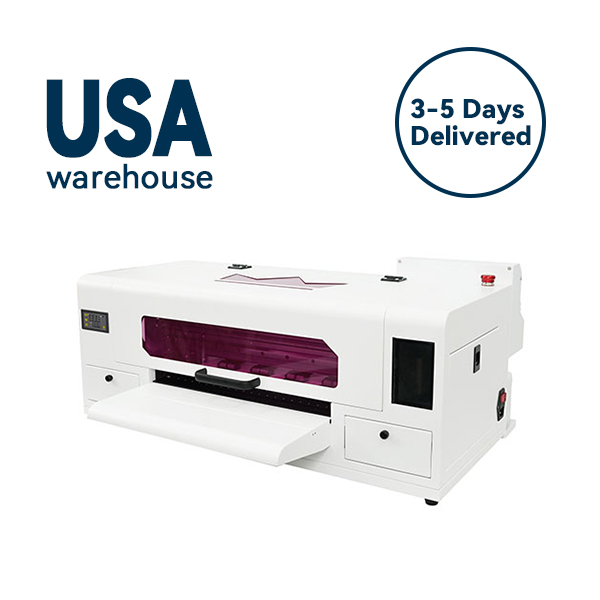
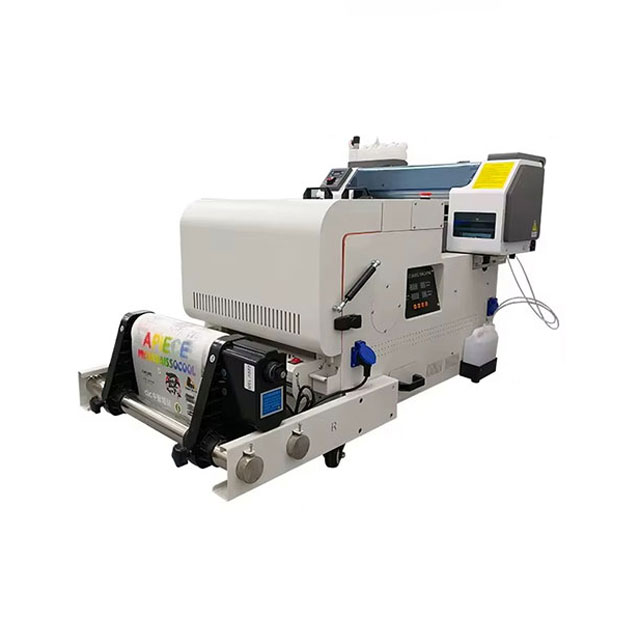
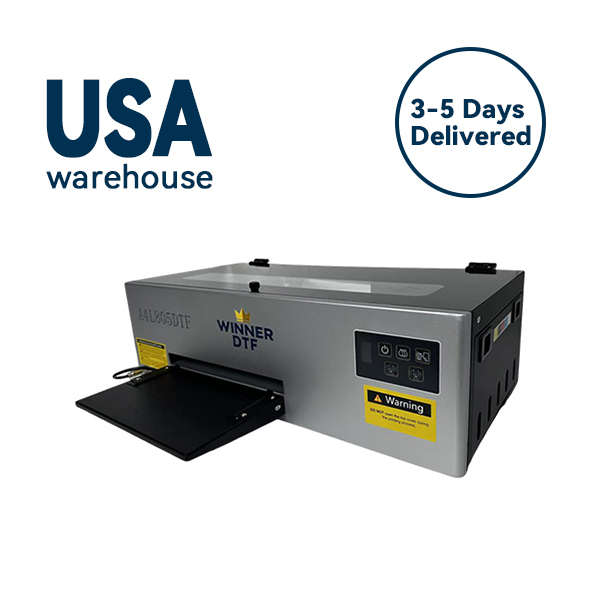

Understanding the DTF Printing Phenomenon
Direct-to-Film (DTF) printing has emerged as one of the most transformative technologies in the customization industry over the past five years. Unlike traditional methods that faced limitations in color vibrancy, material compatibility, or production efficiency, DTF printing machines offer unprecedented versatility. This technology represents the convergence of digital precision with textile application science, enabling businesses and creators to produce complex, full-color designs on virtually any fabric type without the constraints that plagued earlier methods like screen printing or direct-to-garment (DTG) printing.
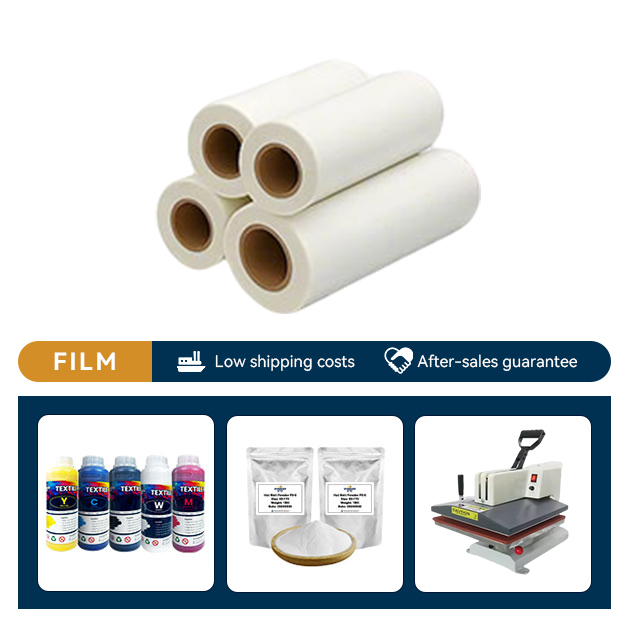
The core innovation lies in the process: designs are first printed onto specialized PET film using pigment inks, then coated with adhesive powder, and finally heat-pressed onto textiles. This seemingly simple three-step process has democratized high-quality custom apparel production, allowing small businesses to compete with large manufacturers in terms of print quality and durability. The market response has been explosive, with the global DTF printing sector projected to grow at 18.7% CAGR between 2023 and 2030, according to recent textile industry analysis.
Why Traditional Printing Methods Are Falling Behind
The limitations of previous customization technologies created the perfect environment for DTF’s rapid adoption. Screen printing, while excellent for large batches of simple designs, requires costly setups, minimal color variation, and struggles with complex gradients or photorealistic images. DTG printing solved some color complexity issues but introduced new problems: pretreatment requirements, slow production speeds, and poor performance on synthetic fabrics or dark garments.
DTF printing machines eliminated these pain points simultaneously. The technology requires no fabric pretreatment, works equally well on cotton, polyester, blends, and even non-textile surfaces, maintains consistent quality across light and dark garments, and produces prints that withstand 50+ industrial washes without cracking or fading. For businesses calculating ROI, the reduction in wasted materials from misprints (often 15-20% with DTG) to under 3% with DTF represents a substantial financial advantage that goes beyond the impressive print quality.
Precision Engineering Behind High-Quality Output
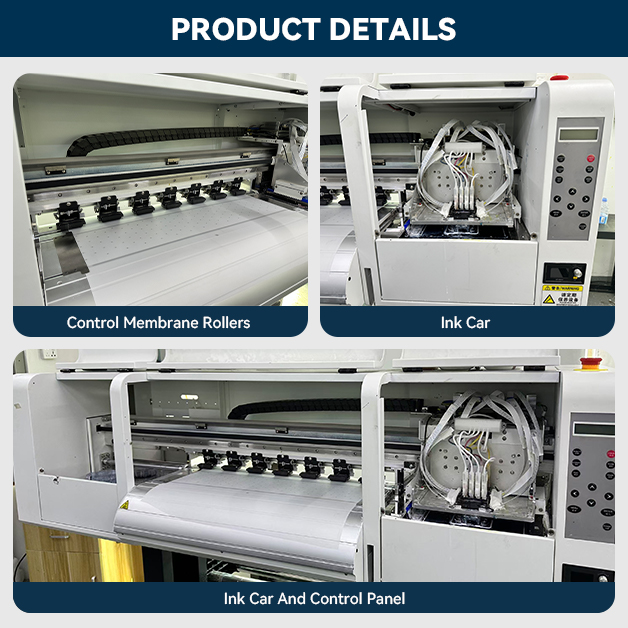
Contemporary DTF printing machines integrate multiple advanced technologies to achieve their remarkable results. The printing mechanism typically employs piezoelectric print heads capable of depositing pigment-based inks at resolutions between 400-600 DPI. These inks are specifically formulated with particle sizes under 1 micron to ensure smooth passage through print heads while maintaining vibrant color saturation. The printer’s RIP (Raster Image Processor) software plays an equally crucial role, converting digital designs into precise droplet placement patterns while managing color profiles for different fabric types.
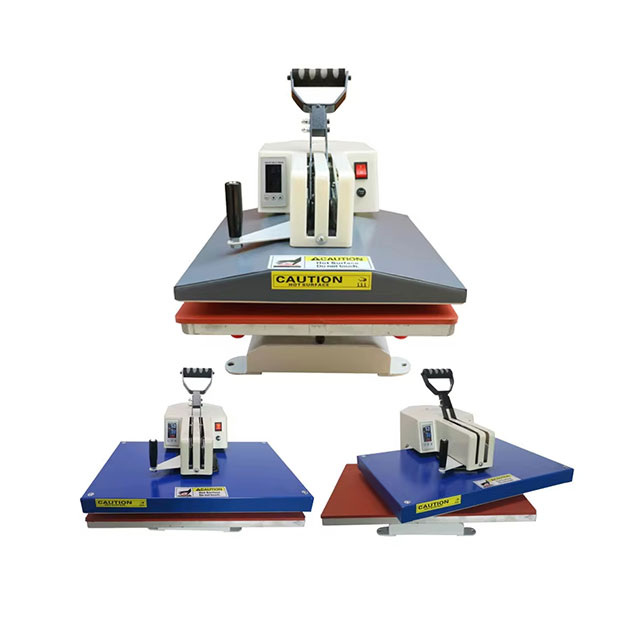
The thermal transfer component represents another engineering marvel. Professional-grade DTF machines maintain temperature accuracy within ±2°C across the entire heat platen, ensuring uniform adhesive activation. Pressure calibration systems apply consistent force measured in kilograms per square centimeter, while timing mechanisms accurate to 0.1-second increments guarantee optimal transfer conditions. This trifecta of temperature, pressure, and time control transforms the adhesive powder (typically 80-120 mesh thermoplastic polymer particles) from a dusty coating into a flexible, wash-resistant bonding layer that becomes part of the fabric’s surface rather than sitting atop it.
Material Science: Inks, Films, and Powders Explained
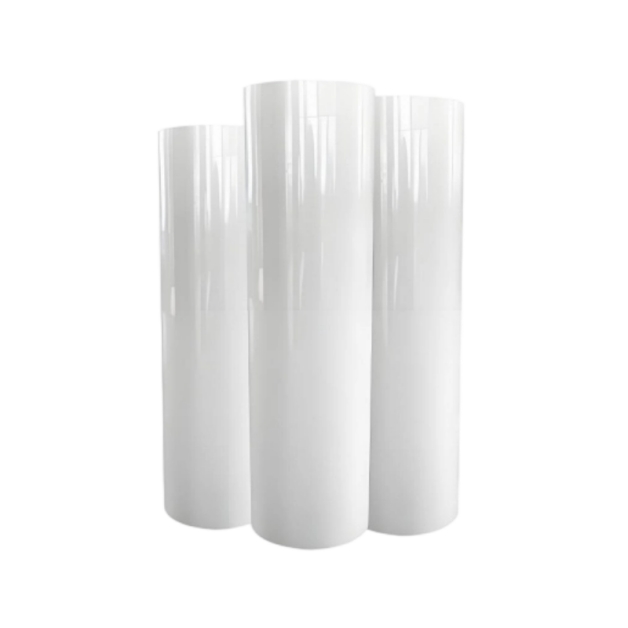
The consumables ecosystem distinguishes DTF from other printing methods. The specialized PET film acts as both transfer medium and temporary carrier, engineered with surface tension properties that hold liquid ink without absorption while releasing the dried ink layer completely during transfer. These films range from 75-125 microns in thickness, with optical clarity ratings ensuring no color distortion between digital file and final print.
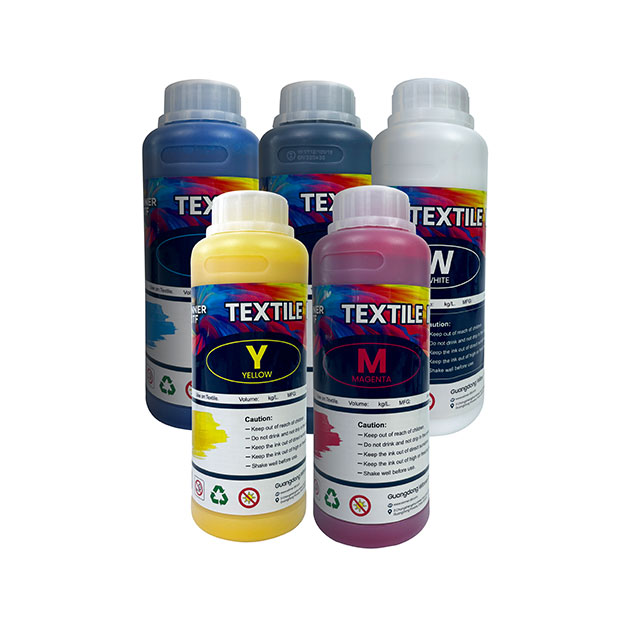
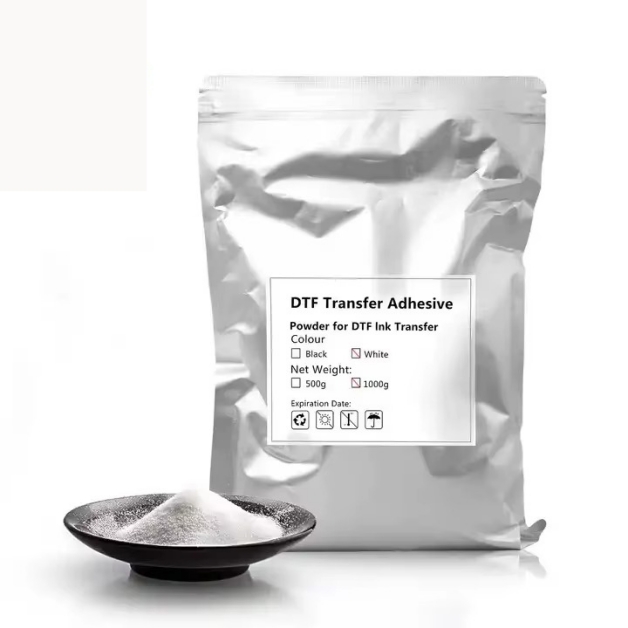
DTF pigment inks contain four to eight base colors (CMYK plus white, light cyan, light magenta, and sometimes orange or green) with proprietary additives enhancing flexibility and wash fastness. Unlike dye-based alternatives, these pigment particles physically bond with fabric fibers through the adhesive layer rather than chemically bonding, resulting in superior opacity and color permanence. The adhesive powder’s composition—usually a copolymer blend with melting points between 110-130°C—determines the print’s hand feel and durability. Advanced formulations now create virtually undetectable prints on even lightweight fabrics, addressing early criticisms about stiffness.
Fashion and Apparel: Beyond Basic T-Shirts
While DTF printing entered mainstream consciousness through custom t-shirt businesses, its applications have expanded dramatically. High-fashion designers now employ DTF technology for limited-run collections featuring intricate patterns that would be cost-prohibitive with traditional methods. The technology enables placement printing with photographic precision—detailed designs positioned exactly on sleeves, pockets, or garment seams with registration accuracy under 0.5mm.
Athletic apparel represents another growth sector. DTF prints withstand the stretching, moisture, and friction inherent in sportswear better than most alternatives. Technical fabrics like moisture-wicking polyesters, compression materials, and even waterproof layers accept DTF transfers without losing functionality. Major brands utilize this capability for team uniforms with complex logos, player names, and sponsor graphics applied in a single process rather than multiple patch applications. The economic impact is substantial: what previously required overseas manufacturing with minimum orders of 500+ units can now be produced locally in batches as small as one with identical per-unit quality.
Emerging Markets: Home Decor, Accessories, and Industrial Uses
The application frontier continues to expand as innovators explore DTF’s potential beyond apparel. Home decor entrepreneurs create custom cushions, table runners, and wall art featuring personalized photographs or designs. The technology’s ability to print on diverse textiles makes it ideal for upholstery applications, with prints demonstrating excellent lightfastness (resistance to fading from UV exposure).
Accessory manufacturers employ DTF printing machines for hats, bags, shoes, and even fabric-covered electronics cases. The process works exceptionally well on curved or irregular surfaces that challenge other printing methods. Industrial applications include safety equipment identification, automotive interior customization, and promotional products. Medical scrubs with permanent, washable identification and decorative elements represent a niche but growing application, particularly as healthcare facilities seek to personalize uniforms while maintaining strict hygiene standards.
Key Specifications for Commercial Success
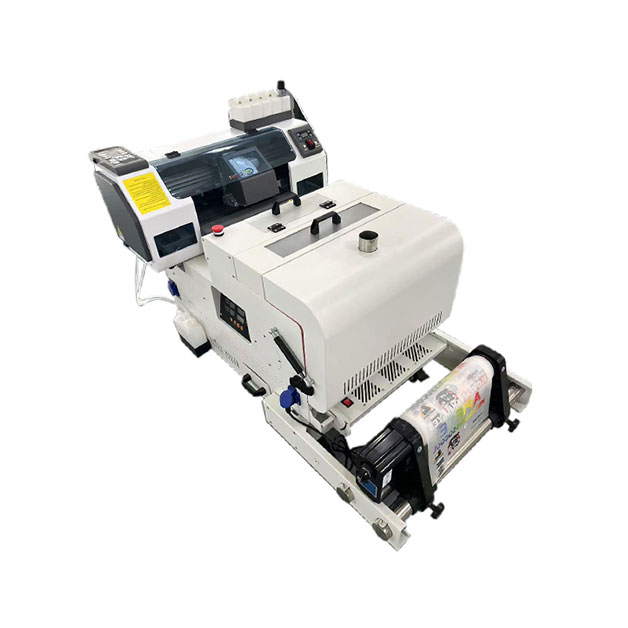
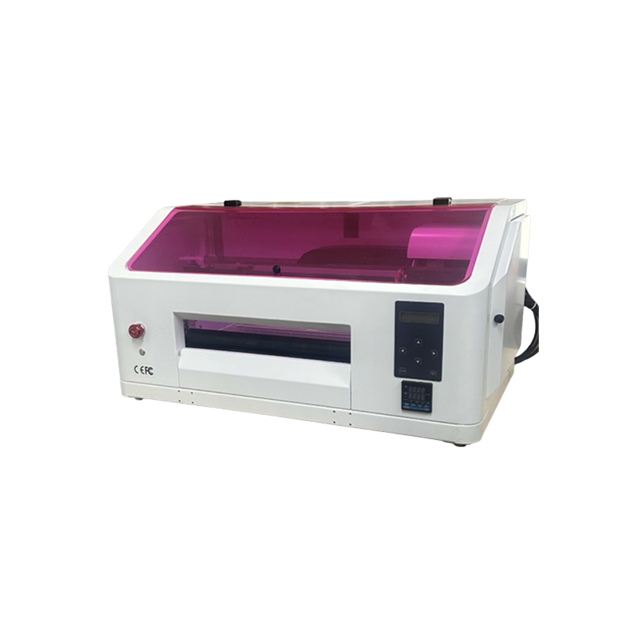
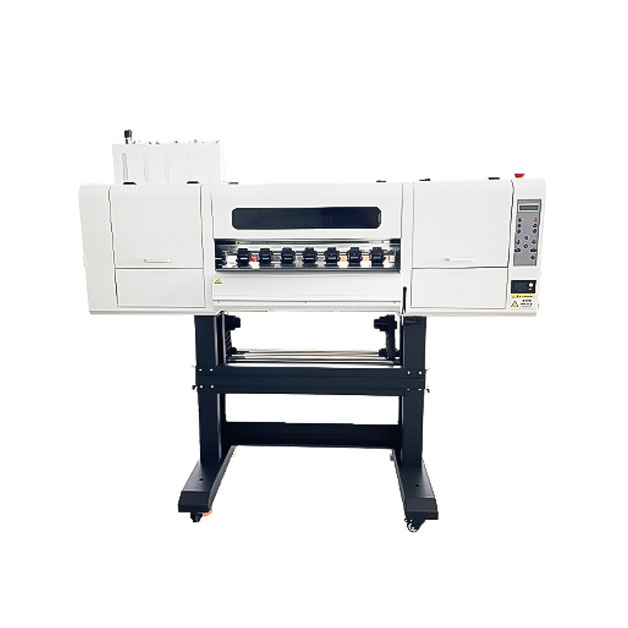
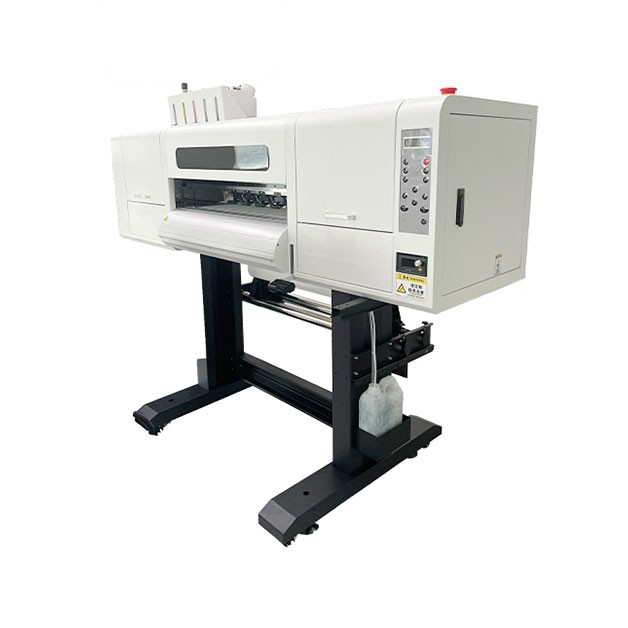
Choosing an appropriate DTF printing machine requires careful analysis of both technical specifications and business requirements. Production volume dictates the printer size and automation features. Entry-level models with 30-50cm print widths suit startups or supplemental income businesses, processing 20-50 garments hourly. Mid-range commercial machines (60-90cm width) increase output to 80-150 items hourly with enhanced color management systems, while industrial systems exceeding 1.5m widths achieve 300+ garment capacity through conveyorized automation.
Critical technical considerations include print resolution (400 DPI minimum for commercial quality), ink droplet size (6-12 picoliters for detail reproduction), and white ink capabilities. The white ink system deserves particular attention—poorly engineered systems cause clogging and inconsistent opacity. Look for machines with automatic circulation systems, heated ink pathways, and regular maintenance reminders. Software compatibility often receives inadequate consideration; ensure the machine works with your preferred design programs through industry-standard drivers or included RIP software with color management profiles for different materials.
Cost Analysis: Investment vs. Return Projections
A comprehensive financial evaluation must include both initial investment and operational economics. Complete DTF systems range from $8,000-$15,000 for entry configurations to $25,000-$60,000 for commercial setups, with industrial installations reaching $100,000+. However, the consumables cost structure reveals the true economic advantage: DTF transfers typically cost $1.50-$3.50 in materials per garment depending on size, compared to $2.50-$5.00 for comparable DTG printing when factoring in pretreatment, higher ink usage, and rejection rates.
The breakeven point for small businesses generally falls between 500-800 garments monthly, after which profit margins of 40-60% become achievable. Successful operations often diversify revenue streams—combining bulk orders for organizations with on-demand e-commerce fulfillment and walk-in custom orders. The most profitable implementations utilize the technology’s quick turnaround capabilities to offer 24-48 hour production on customized items, commanding premium pricing in markets accustomed to weeks-long waits from traditional decorators.
Sustainability Innovations in Transfer Printing
Environmental considerations are driving significant DTF technology evolution. Recent developments include water-based adhesive powders that eliminate plastic polymers while maintaining bonding strength, biodegradable PET films with comparable performance to conventional options, and ink formulations using food-grade pigments rather than petroleum-based alternatives. Energy consumption has decreased approximately 40% in newer models through improved thermal efficiency and standby power management.
Closed-loop recycling systems represent another frontier. Some manufacturers now offer take-back programs for used films and powder containers, with the materials processed into pellets for industrial applications. Water usage—previously a criticism of textile printing—has been reduced to near-zero in modern DTF systems, with only minimal cleaning requirements compared to the substantial water needs of screen printing cleanup or DTG pretreatment processes. These improvements address growing consumer and regulatory demands for sustainable production while reducing operational expenses through material efficiency.
Integration with AI and Automation Systems
The next evolution of DTF printing machines involves intelligent systems that optimize production with minimal human intervention. Computer vision systems now automatically detect garment placement, adjust designs for optimal positioning, and identify potential defects before heat application. AI-powered color management analyzes original artwork and suggests adjustments for specific fabric types, learning from previous successful transfers to improve recommendations over time.
Automated workflow solutions connect e-commerce platforms directly to production systems, with orders flowing seamlessly from digital shopping cart to printed garment without manual file handling. Predictive maintenance algorithms monitor component performance, scheduling service before failures occur rather than after breakdowns. These advancements reduce the skill barrier for high-quality production while increasing throughput reliability—factors particularly valuable for businesses scaling operations without proportionally increasing technical staff.
DTF printing machines represent more than just another technological option; they embody the democratization of manufacturing. By providing small businesses, entrepreneurs, and individual creators with capabilities previously reserved for large factories, this technology fosters innovation across countless industries. The combination of material versatility, production efficiency, and exceptional quality has established DTF as the new standard in textile decoration, with applications continuing to expand as the technology matures.
For businesses evaluating their production options, the decision increasingly centers not on whether to adopt DTF technology, but when and how extensively to implement it. The competitive advantages—from reduced minimum orders and faster turnaround to superior print durability and expanded material options—create compelling arguments for transition. As the technology continues evolving with sustainability improvements and intelligent automation, its role in the future of customized manufacturing appears not just secure, but increasingly dominant. The question facing creative professionals and businesses is no longer about the capability of modern printing technology, but rather about the imagination they bring to applications now made possible.