
Direct-to-Film (DTF) printing has become a cornerstone of the custom apparel industry, but mastering advanced techniques is key to standing out from competitors. Whether you’re looking to expand your service offerings, improve print quality, or increase profit margins, this guide will provide you with actionable strategies to take your DTF prints to the next level. From multi-layer printing to specialty finishes, we’ll explore the latest innovations and best practices that can transform your business.
Multi-layer DTF printing involves applying multiple layers of ink and adhesive to create depth and texture in your designs. This technique is ideal for creating 3D effects, embossed logos, and textured patterns that stand out from traditional flat prints. To achieve this, start by designing your artwork in layers using graphic software like Adobe Illustrator. Each layer should be printed separately, with a layer of adhesive powder applied between each print. For example, a logo with a raised border can be created by printing the border first, applying powder, then printing the inner design on top. By experimenting with layer order and thickness, you can create unique, eye-catching designs that command a premium price.
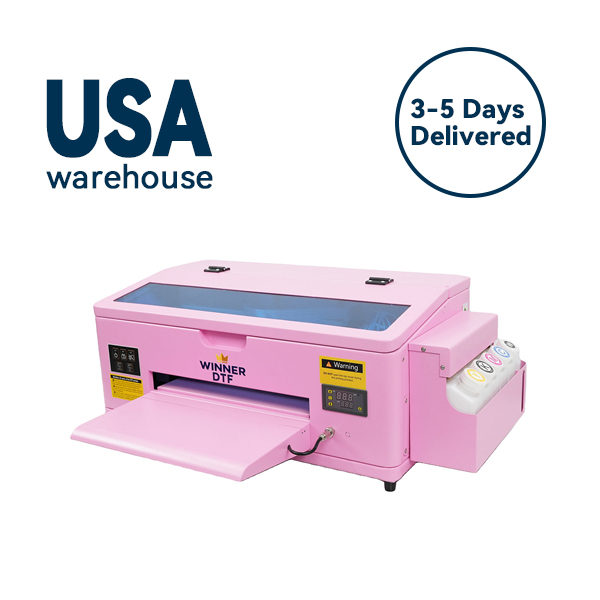
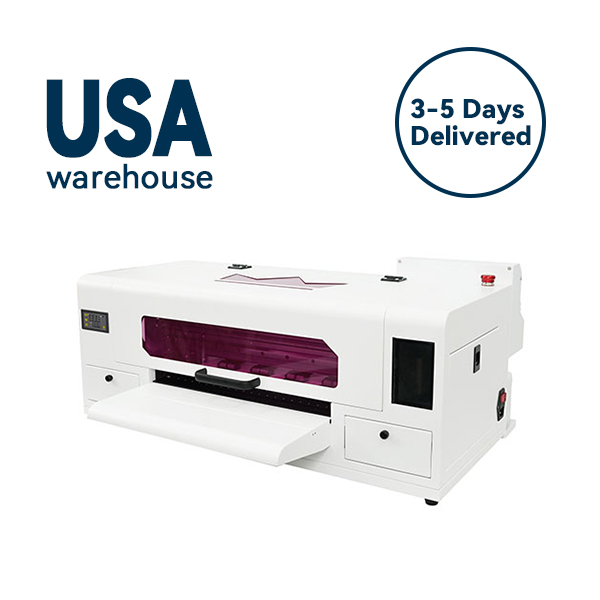
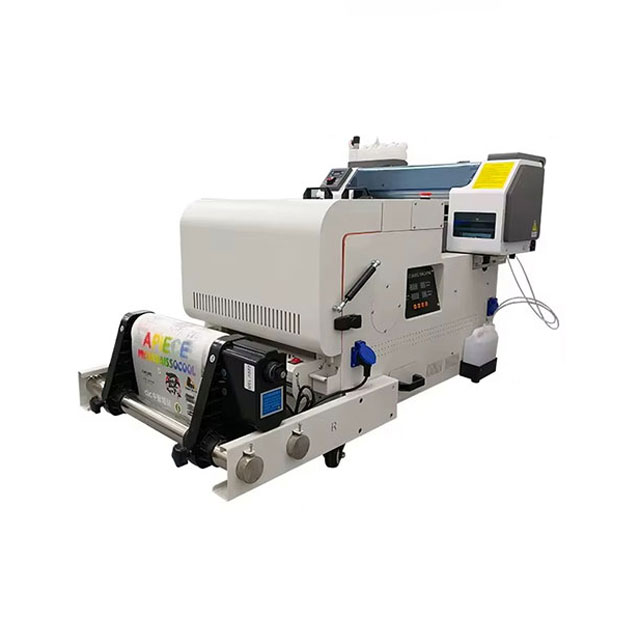
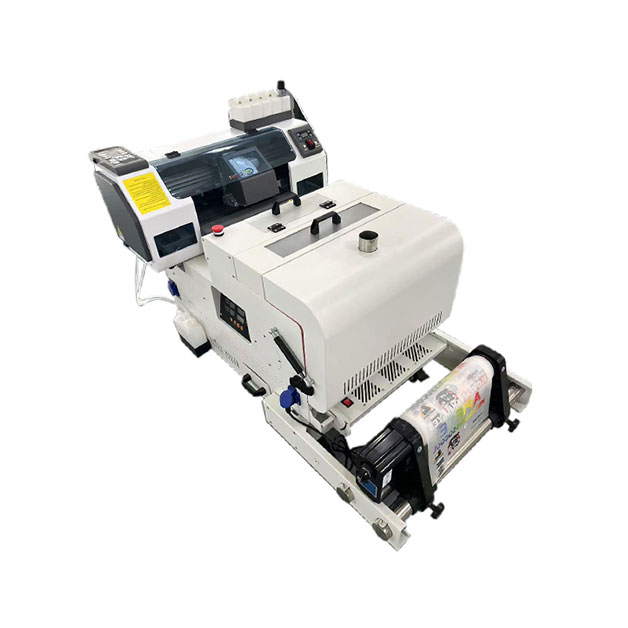
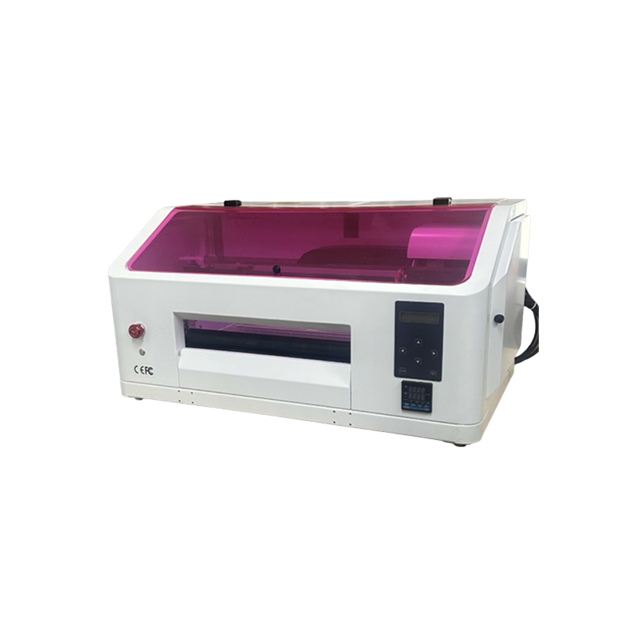
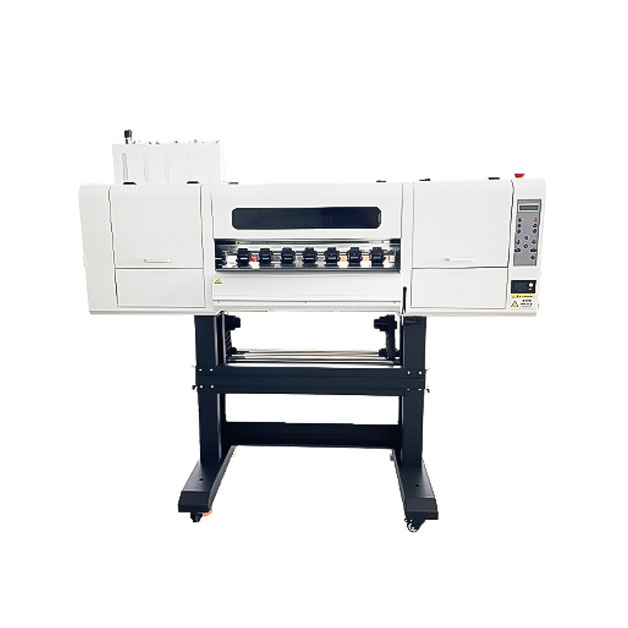
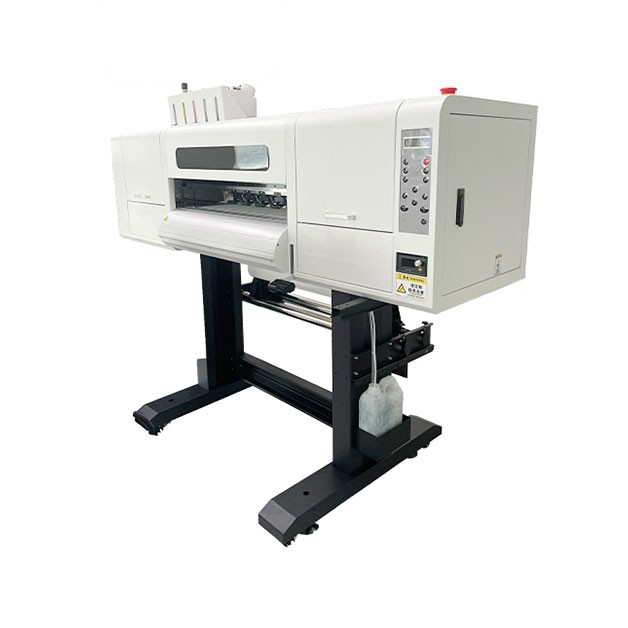
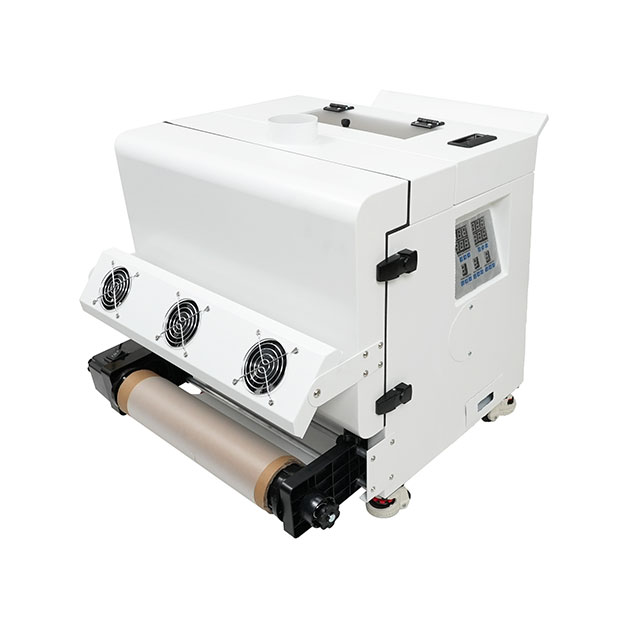
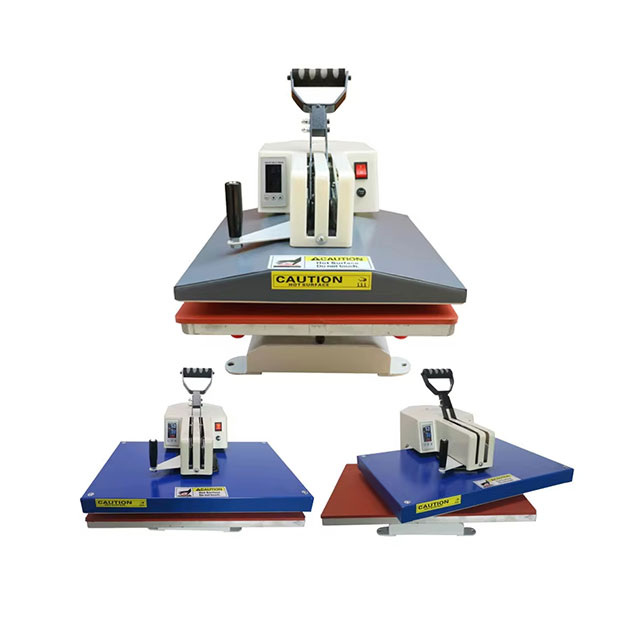
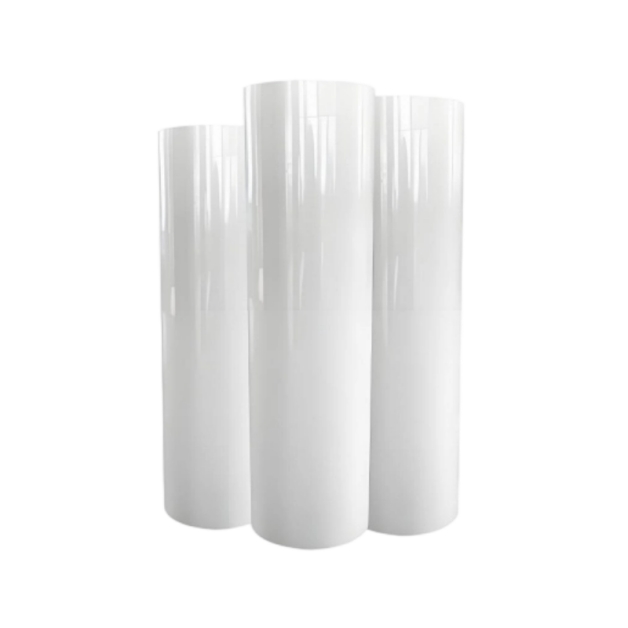
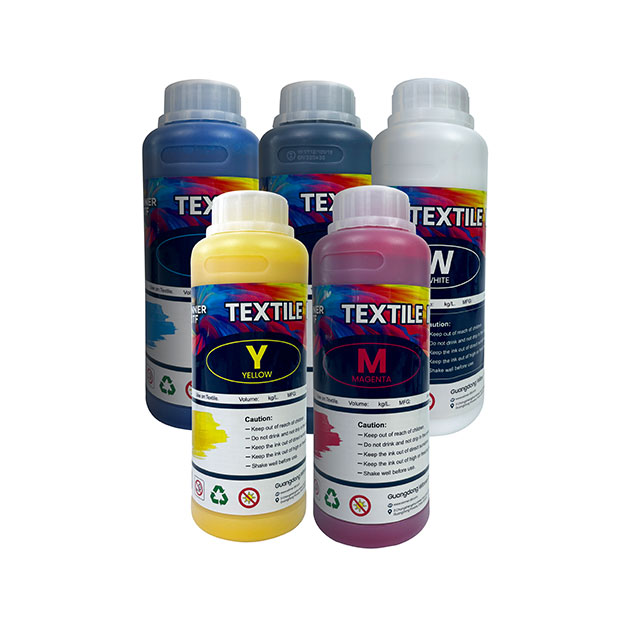
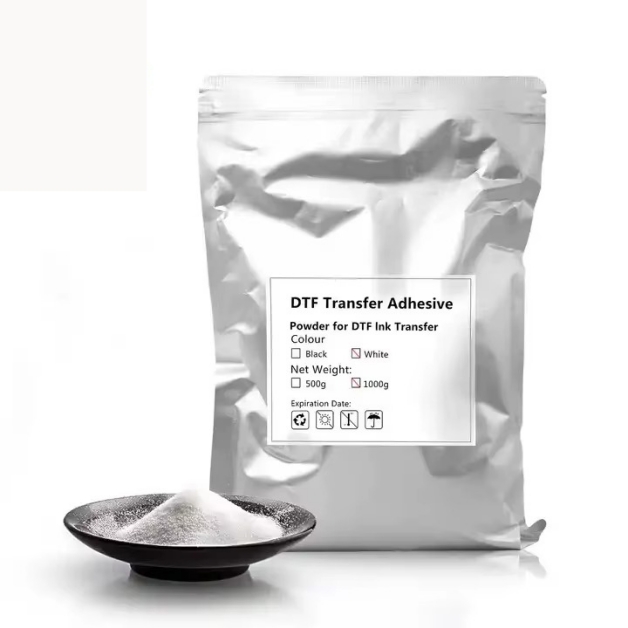
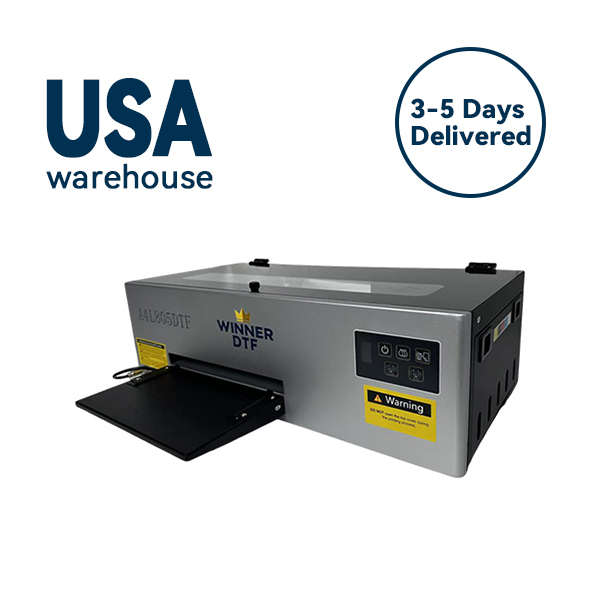
Multi-layer DTF printing requires specialized equipment and materials to ensure consistent results. Invest in a high-quality DTF printer with precise ink control and a powder shaker that can apply an even layer of adhesive. Use a heat press with adjustable pressure and temperature settings to ensure each layer is properly bonded to the fabric. For materials, choose a durable adhesive powder that can withstand multiple layers without cracking or peeling. Additionally, use high-quality PET film that can handle multiple print passes without warping. By using the right equipment and materials, you can achieve professional multi-layer prints that impress your customers.
Metallic and glitter effects are a great way to add value to your DTF prints and attract high-end customers. Metallic inks contain small metal particles that reflect light, creating a shiny, luxurious finish. Glitter inks, on the other hand, contain fine glitter particles that add texture and sparkle to your designs. To achieve these effects, mix metallic or glitter powder with your DTF ink before printing. For best results, use a white underbase to make the metallic or glitter colors pop, especially on dark-colored fabrics. Metallic and glitter effects are ideal for custom apparel like wedding dresses, prom outfits, and luxury brand merchandise.
Matte and satin finishes are popular for creating a sophisticated, premium look in DTF prints. Matte finishes have a non-reflective surface that is soft to the touch, while satin finishes have a subtle sheen that adds depth to your designs. To achieve these effects, use matte or satin topcoats after printing. Matte topcoats can be applied using a spray gun or a heat press, while satin topcoats are often integrated into the ink formulation. These finishes are ideal for corporate apparel, formal wear, and high-end fashion brands that want to stand out from the competition. By offering specialty finishes, you can differentiate your business and charge higher prices for your services.
Events and promotions are a lucrative niche market for DTF printing. From corporate events and trade shows to music festivals and sports games, there is a high demand for custom apparel like t-shirts, hoodies, and hats. DTF printing is ideal for this market because it can handle small to medium batch orders with quick turnaround times. To tap into this market, partner with event planners, marketing agencies, and corporate clients to offer custom apparel solutions. Create a portfolio of event-specific designs, such as team uniforms, promotional giveaways, and event merchandise, to showcase your capabilities.
E-commerce brands are another growing niche market for DTF printing. With the rise of online shopping, consumers are increasingly looking for personalized products that reflect their individual style. DTF printing allows you to offer custom apparel like t-shirts, sweatshirts, and accessories with unique designs, names, and messages. To succeed in this market, integrate your DTF printing services with e-commerce platforms like Shopify or WooCommerce. Use automated order management software to handle large volumes of orders, and offer fast shipping to meet customer expectations. By focusing on personalized products, you can build a loyal customer base and grow your business online.
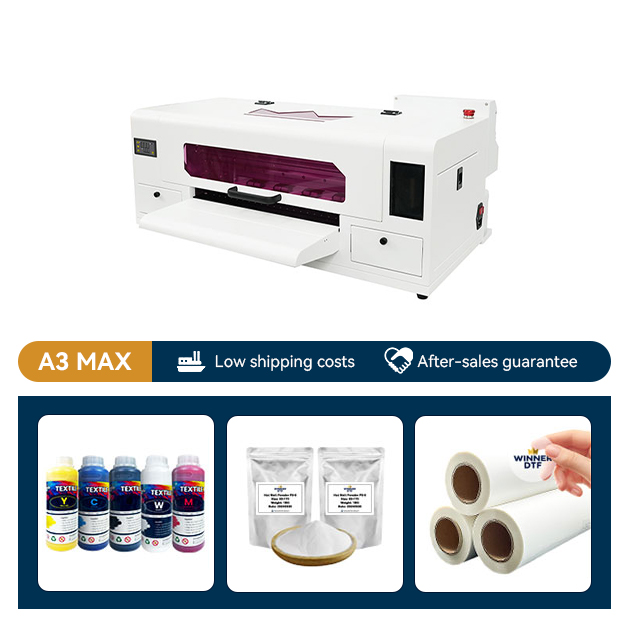
DTF printing offers endless possibilities for custom apparel businesses, but mastering advanced techniques is key to staying ahead of the competition. By exploring multi-layer printing, specialty finishes, and niche markets, you can elevate your DTF prints and increase your profit margins. Whether you’re a small business owner or a seasoned professional, this guide provides you with the knowledge and strategies to take your DTF printing business to new heights. Invest in the right equipment, experiment with new techniques, and focus on delivering high-quality products that meet your customers’ needs. With dedication and innovation, you can build a successful DTF printing business that stands out in the industry.