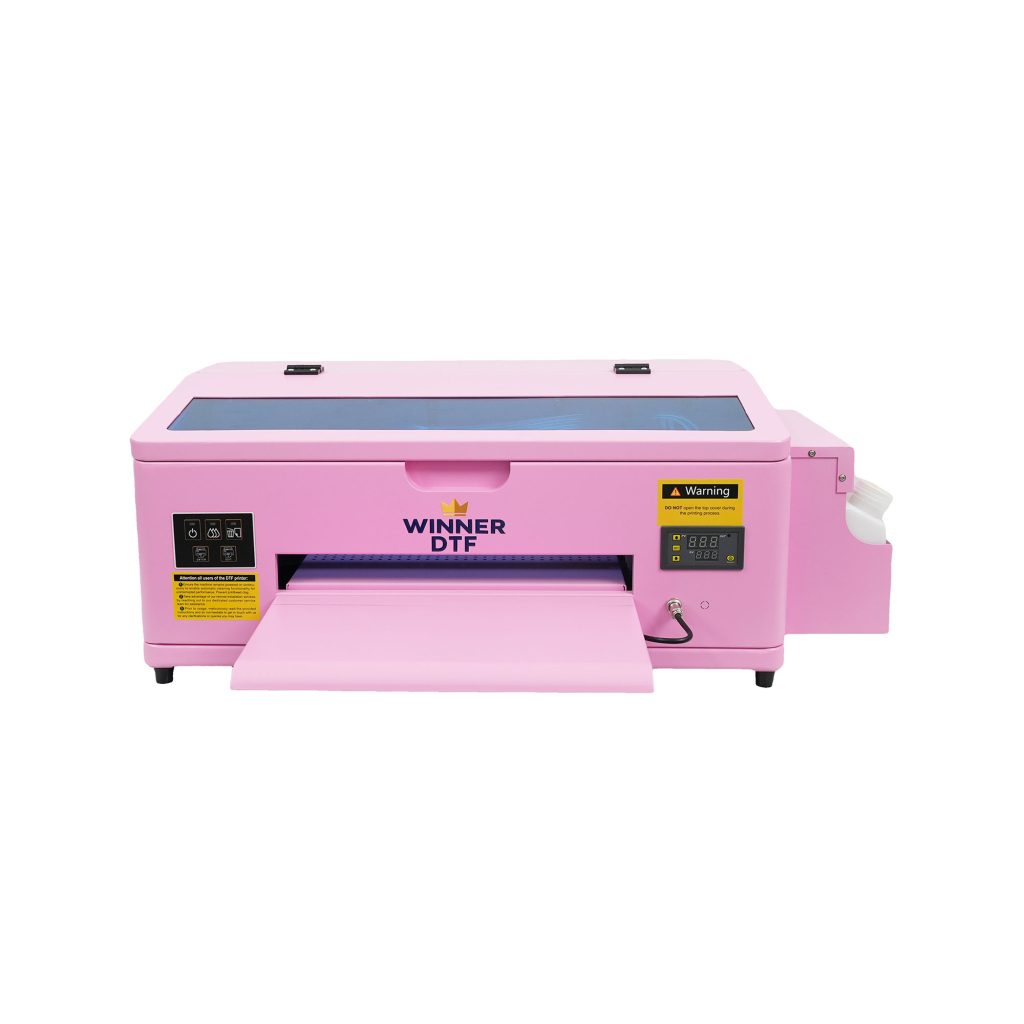
The Ultimate Guide to DTF Printing: Why Direct-to-Film is the Future of Custom Apparel in 2026
Table of Contents
The custom apparel industry has undergone a seismic shift over the last five years. While screen printing and Direct-to-Garment (DTG) methods have long been the standard bearers, a new champion has emerged for print shops and home-based entrepreneurs alike: DTF printing.
Direct-to-Film printing has rapidly evolved from a niche alternative to a dominant production force. Unlike traditional methods that are often limited by fabric type or order quantity, DTF printing offers unparalleled versatility, vibrant color reproduction, and durability that stands up to the rigors of modern life.
If you are a print shop owner looking to expand your capabilities, or a solo entrepreneur wanting to start a clothing brand from your spare room, understanding the nuances of DTF printing is no longer optional—it is essential for staying competitive. This deep dive will cover everything from the foundational technology to the advanced trends shaping 2026, ensuring you have the knowledge to make informed decisions and produce high-quality transfers that keep customers coming back.
What is DTF Printing and Why Has It Disrupted the Industry?
To truly appreciate the impact of DTF printing, one must look beyond the surface and understand the mechanical ballet that occurs when creating a transfer. It is a process that combines the precision of digital inkjet technology with the chemistry of textile adhesives.
The Technical Breakdown of the DTF Process
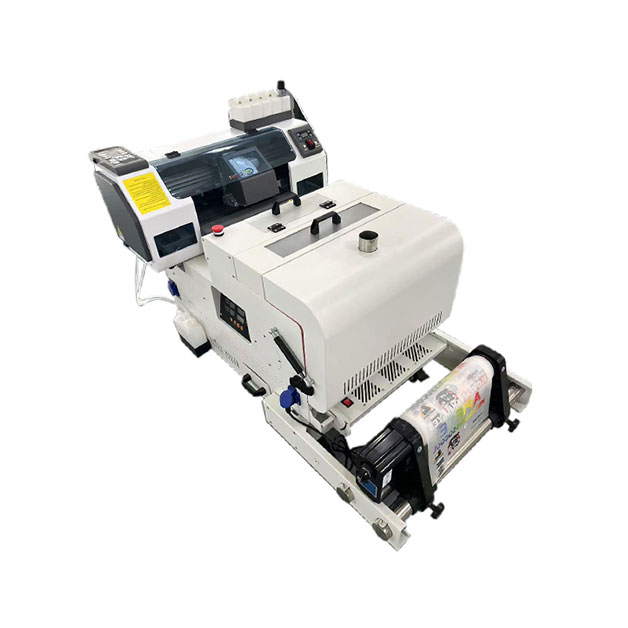
At its core, DTF printing is a four-stage process that results in a ready-to-press transfer .
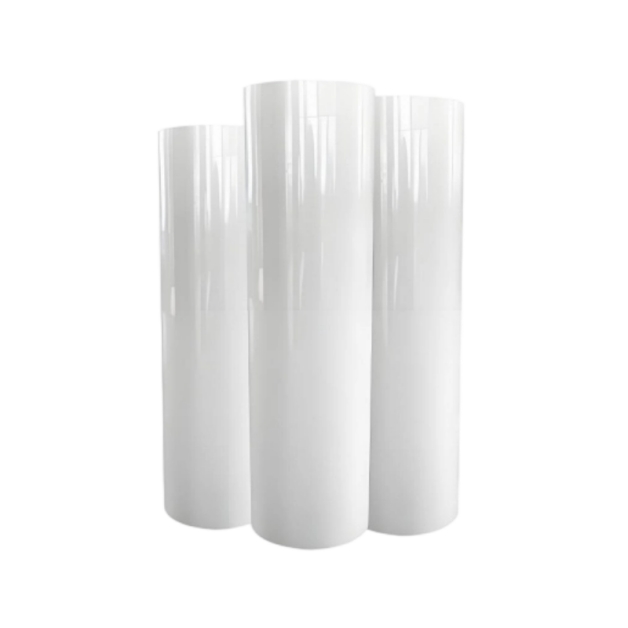
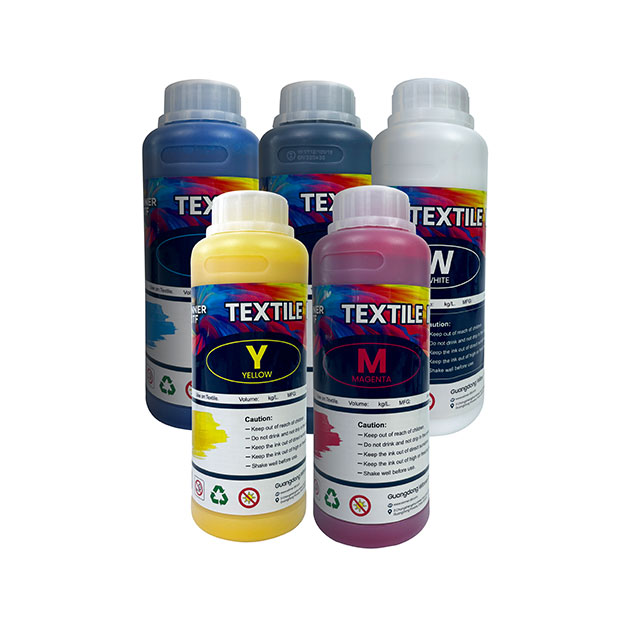
Printing: The design is printed onto a specialized PET (Polyethylene Terephthalate) transfer film. This isn’t standard printing; DTF printers lay down CMYK colors, but crucially, they also print a layer of white ink as an underbase. This white layer is what makes the colors pop vibrantly on dark or colored garments .
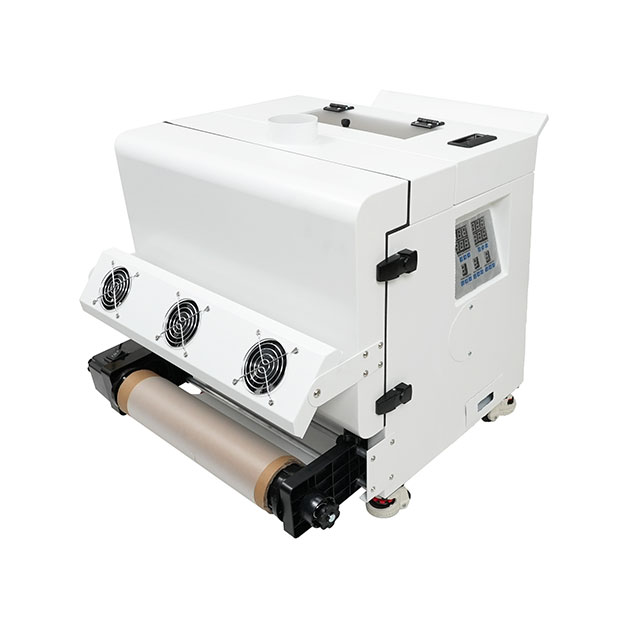
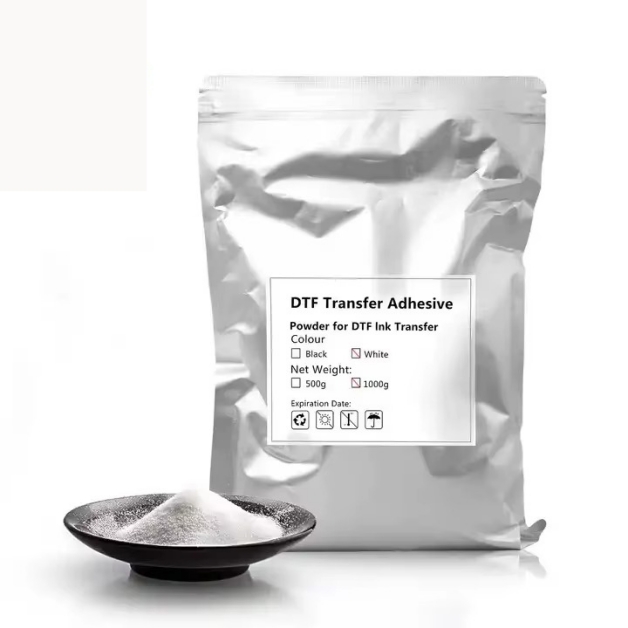
Adhesive Application: While the ink is still wet, a hot-melt adhesive powder (typically TPU or PES) is applied to the film. This powder is the “glue” that will later bond the design to the fabric. This can be done manually for small runs or automatically via a powder shaker unit for consistency .
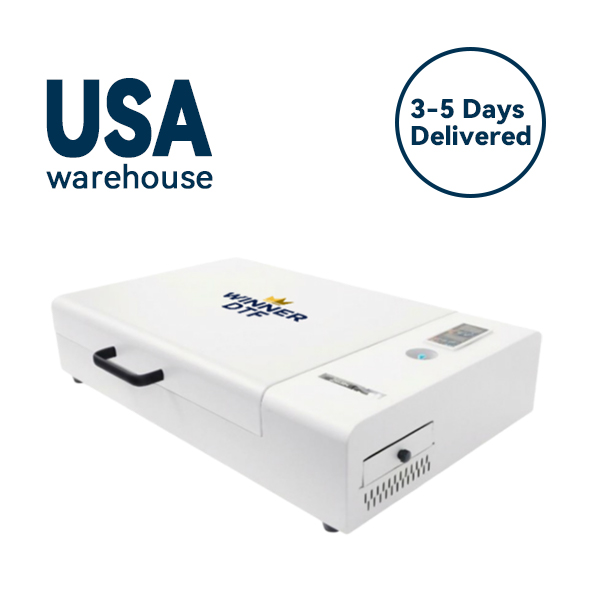
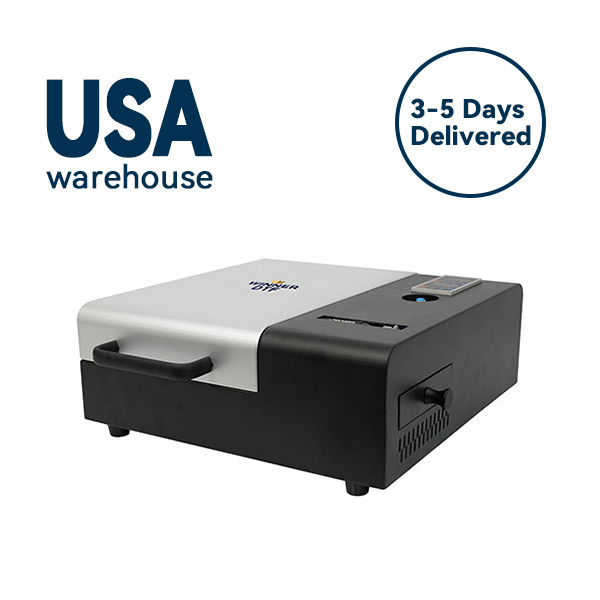
Curing: The film, now covered in powder, passes through a curing oven. The heat melts the adhesive powder, turning it into a tacky, solid layer that fuses with the ink on the film. This step is critical for washability .
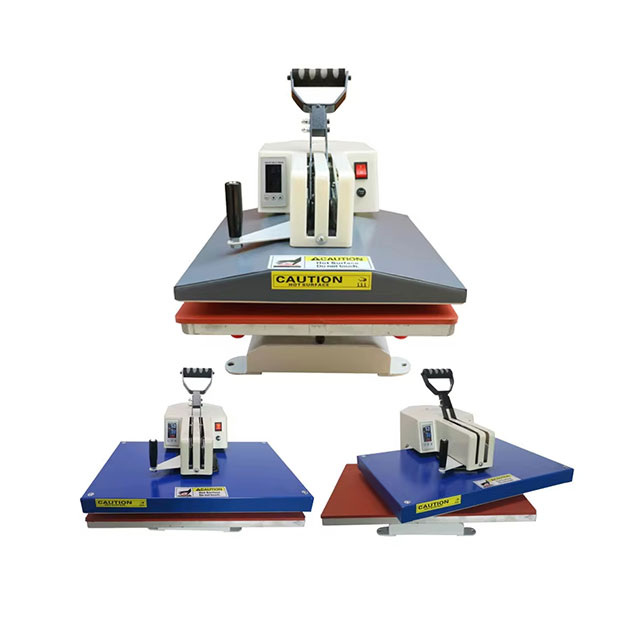
Transferring: The cooled film is placed onto the garment and pressed with a heat press. The heat reactivates the adhesive, locking the design into the fabric fibers. Once pressed, the film is peeled away (either hot or cold, depending on the film type), leaving the design permanently embedded on the garment .
DTF vs. DTG vs. Screen Printing: A Competitive Analysis
While DTG is often praised for its soft hand-feel, and screen printing for its bulk-order cost-efficiency, DTF printing occupies a “best of both worlds” space.
Versatility: DTG struggles on polyester and fails on nylon. Screen printing requires different mesh counts and ink types for different materials. DTF, however, adheres seamlessly to cotton, polyester, blends, nylon, leather, and even wood.
Durability: Modern DTF transfers, when cured correctly, can withstand well over 50 to 100+ washes without cracking or fading, rivaling the durability of screen printing .
Cost Efficiency: Screen printing requires expensive setup fees, making small runs cost-prohibitive. DTG has a higher cost-per-print. DTF eliminates setup costs and allows for on-demand production, making it the most profitable method for short to medium runs .
Detail and Color: DTF printing handles gradients, tiny text, and photographic details with the same precision as DTG, outperforming the spot-color limitations of screen printing .
The Real Cost of DTF Printing: Equipment, Supplies, and Profit Margins
Moving from understanding the “what” to the “how” requires a frank discussion about money. Is DTF printing expensive? The answer depends entirely on your business model and volume. You generally have two paths: in-house production or outsourcing.
Breaking Down the In-House Investment
Bringing DTF printing in-house offers the highest profit margins, but it requires a significant initial capital outlay .
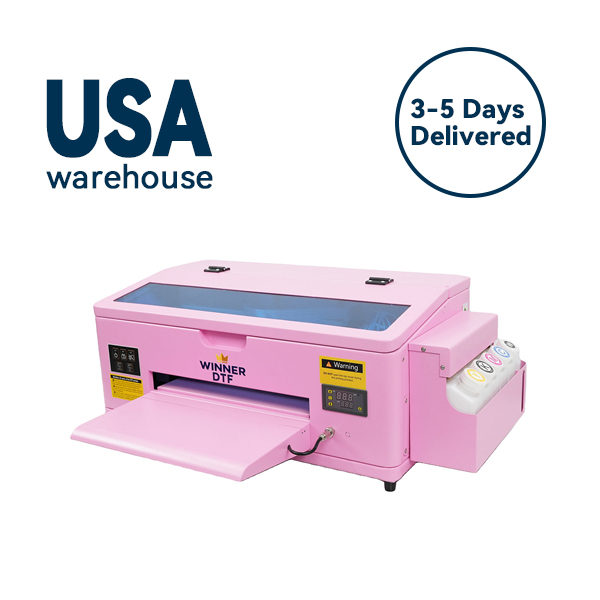
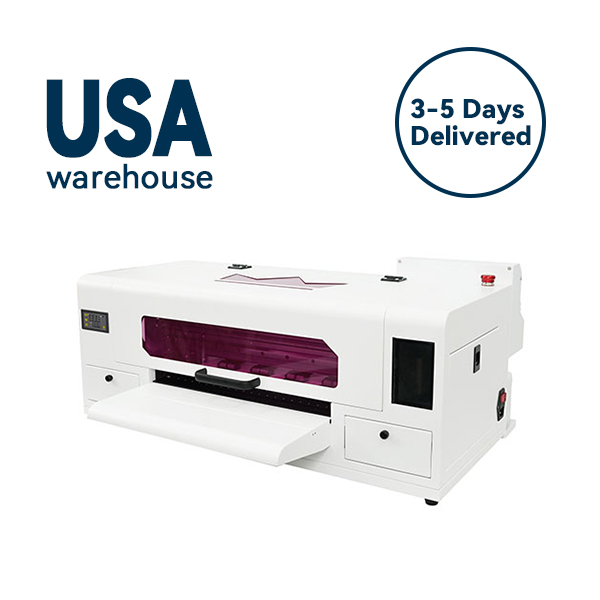
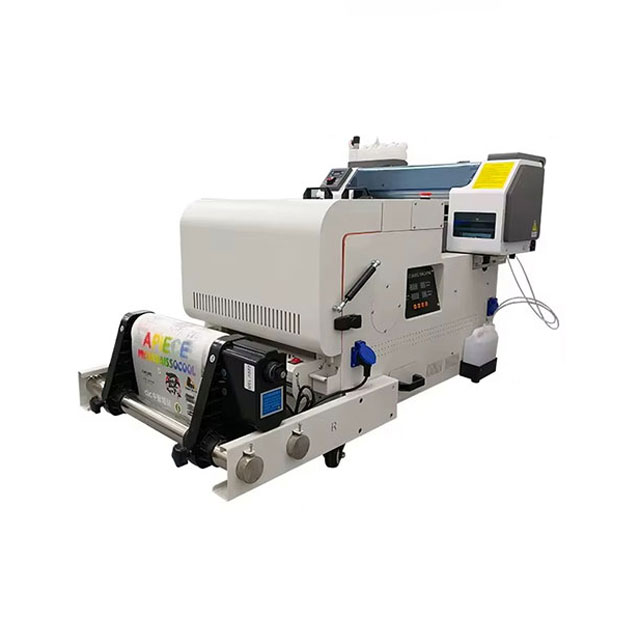
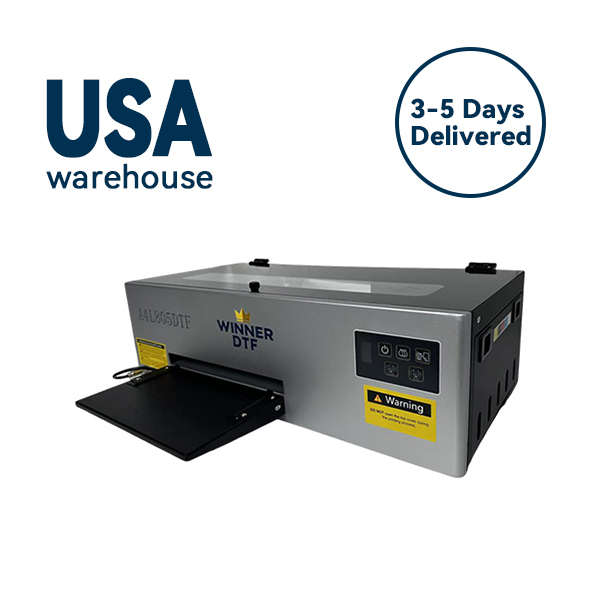
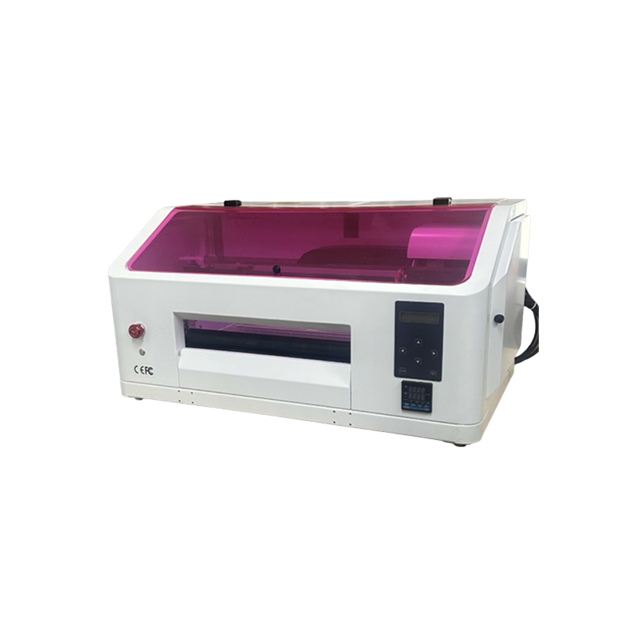
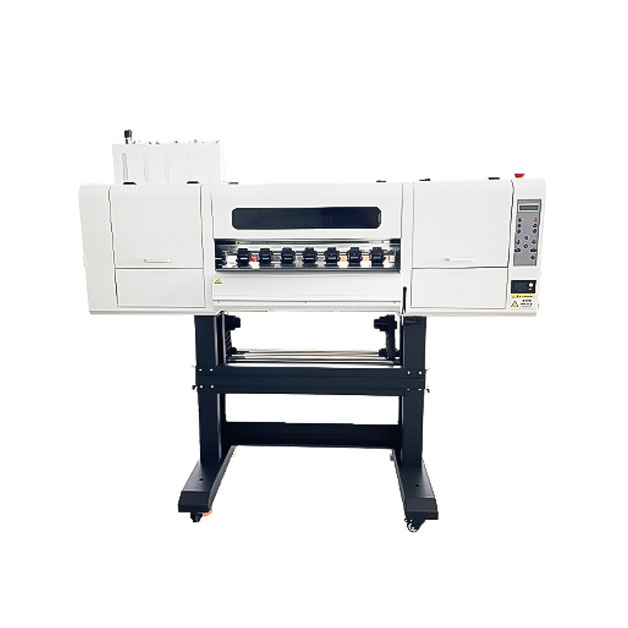
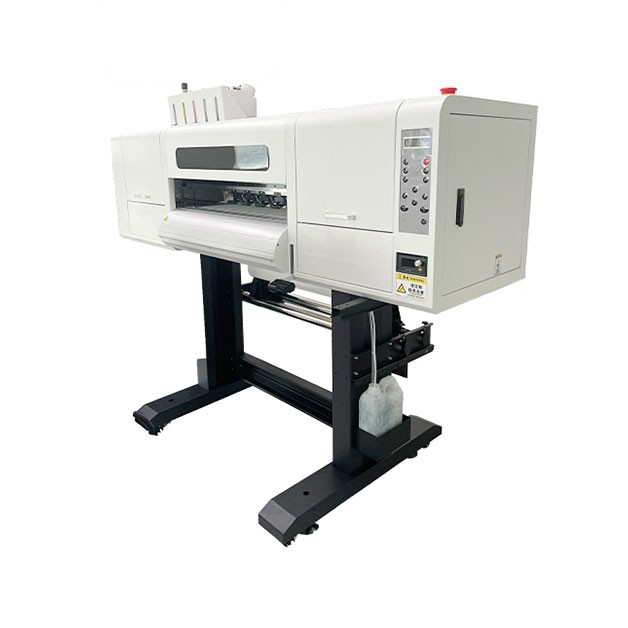
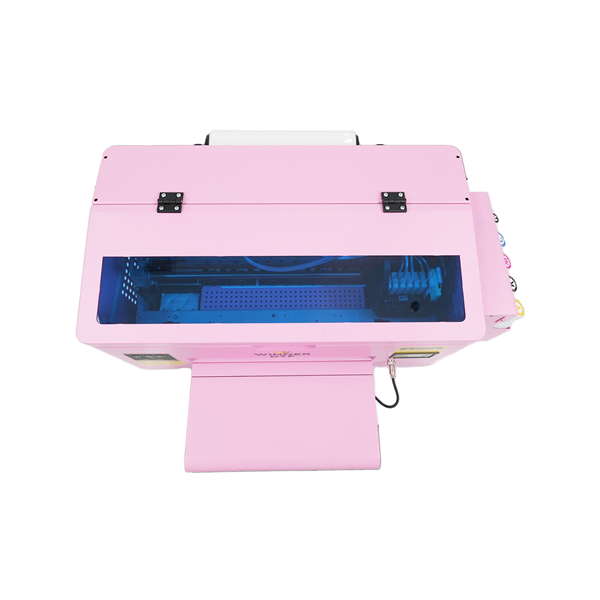
The Printer: Entry-level DTF printers can be found for $1,500 to $3,000, but these are often slower and prone to issues. For a serious business, a mid-range or all-in-one commercial system (like those from xTool, Sublistar, or Jinlong) costing between $5,000 and $10,000 is a wiser investment. These systems include features like auto-circulating white ink and integrated powder shaker/baker units that save time and reduce waste .
Support Equipment: Beyond the printer, you need a quality heat press (around $300), an air purifier (if printing in a confined space, ~$1,000), and potentially a RIP software license .
Cost Per Print (CPP): This is where the magic happens. By calculating ink, film, and powder usage, the raw material cost for a full-color, full-size t-shirt design is often only $1.00 to $2.00. This leaves a massive margin when the finished shirt sells for $20 to $30.
The Profit Picture: If you produce 250 shirts a month, in-house printing could net you around $35,000 in profit in your first year after recouping equipment costs .
The Economics of Outsourcing Transfers
For beginners or those testing the market, outsourcing DTF transfers is the low-risk gateway .
Startup Costs: You can start for under $300—just a heat press and some blanks .
The Trade-Off: You pay for convenience. Outsourcing a transfer might cost $7 to $15 per sheet, compared to the $1-$2 it would cost to make in-house. Consequently, your profit margin per shirt drops to the $5 to $15 range.
Who Is It For? This model is ideal for solo entrepreneurs running side hustles on Etsy or at local markets. It allows you to offer dozens of designs without managing a complicated printing rig. You focus on design and sales, while a specialized provider handles the technical production .
Mastering the DTF Workflow: A Step-by-Step Production Guide
Achieving consistent, high-quality results with DTF printing isn’t just about owning the machine; it is about mastering the workflow. The difference between a print that lasts 10 washes and one that lasts 100 lies in the details of your process.
Pre-Press: File Preparation and Color Management
The digital file is the blueprint for your physical product, and errors here magnify through the rest of the process.
Resolution and Format: Always work at 300 DPI. While vector files (AI, SVG) are ideal for logos and text, high-resolution TIFF or PNG files are acceptable for complex raster art .
Color Mode and White Underbase: Design in CMYK. Your RIP (Raster Image Processor) software is the real hero here. It automatically generates the critical white ink underbase. This layer must be precisely aligned (trapped) beneath the CMYK layer to prevent outlines or halos on dark garments. Advanced AI-assisted RIP software now automates ICC profiling, ensuring color consistency from screen to shirt .
Bleed and Safe Zones: Include a 0.25-inch bleed area to account for slight movements during pressing. Keep critical text and design elements away from the edge to avoid them being cut off .
The Pressing Process: Heat, Time, and Pressure Calibration
This is where the transfer bonds with the garment. Getting it wrong means returns and unhappy customers.
Temperature and Pressure: The general sweet spot for standard DTF transfers is 310-330°F (155-165°C) with medium to firm pressure (40-60 PSI) for 10-15 seconds . However, always check the manufacturer’s specs for your specific film and powder.
Cold Peel vs. Hot Peel: This is a critical distinction. Hot peel films allow you to peel the carrier sheet immediately after pressing, speeding up production lines. Cold peel films require the transfer to cool down completely, which often results in a higher gloss finish and better adhesion on certain fabrics .
Tackling Tricky Fabrics: Performance fabrics (like those used in sports jerseys) require special attention. For high-polyester items or those with moisture-wicking coatings, you may need a low-cure adhesive (applying at 260°F) to avoid scorching the fabric, or a dye-blocker layer to prevent the garment’s color from bleeding through your white underbase .
Advanced Techniques and Troubleshooting Common DTF Failures
Even with a perfect workflow, problems can arise. Understanding the “why” behind common failures is the hallmark of a professional printer.
Solving White Ink and Printhead Challenges
White ink is the lifeblood of DTF, but its heavy pigment makes it prone to settling and clogging .
The Circulation Imperative: Modern DTF printers include white ink circulation systems to keep pigment particles suspended. If your printer lacks this, or if the system fails, you will experience streaky whites and color fading. The printer must be left on to perform automatic agitation cycles .
Nozzle Recovery: If you notice missing lines in your nozzle check, don’t panic. Start with a standard cleaning cycle. If that fails, a more aggressive “soak” or “wet capping” process using cleaning solution on the maintenance pads can break down dried ink over 20 minutes to a few hours .
Addressing Adhesion and Washability Issues
A transfer that peels off after the first wash is a business killer. This is almost always a mechanical error .
The Curing Culprit: If the adhesive powder isn’t fully melted in the curing oven (typically 160-175°C for 2-3 minutes), it won’t bond to the fabric. Under-cured powder looks grainy; over-cured powder can yellow and become brittle .
Pressure and Contour: Uneven pressure on the heat press platen is a common issue, especially with thick seams (like on caps or pockets). Using a silicone pad or rubber pressure sheet helps distribute force evenly around seams, ensuring the transfer adheres to the fabric in those recessed areas .
The Future is Now: DTF Printing Trends for 2026 and Beyond
The DTF printing landscape is not static. As we move through 2026, several key trends are defining the next generation of equipment and consumables, driven by demands for efficiency, sustainability, and specialty effects.
Industrial Automation and Multi-Head Platforms
As print shops scale, the bottleneck shifts from the printer to the manual labor involved in pressing .
Multi-Head Production: To meet high-volume demands, manufacturers like Sublistar are deploying systems with seven and eight printheads. This allows for expanded color sets (beyond CMYK+W) or simply doubling up on white ink to print faster .
Workflow Integration: The future is the “lights-out” factory. We are seeing a rise in integrated DTF workflow automation, where printers are connected to automatic cutting tables and multi-station automated heat presses. This drastically reduces labor dependency and human error, allowing one operator to manage what used to require a team of five .
The Rise of Powderless DTF and Eco-Conscious Materials
Sustainability is moving from a buzzword to a business requirement, particularly in the European and North American markets .
Jettable Adhesive: The holy grail of DTF evolution is eliminating loose adhesive powder. DuPont Artistri has pioneered Jettable Adhesive™, a liquid adhesive that can be printed directly onto the film through the printhead. This streamlines the printer, removes powder waste, and creates an incredibly soft hand-feel .
Eco-Friendly Consumables: Brands are increasingly switching to Oeko-Tex certified inks and exploring biodegradable PET films to reduce their environmental footprint. This is not just good ethics; it is good marketing for brands selling to eco-conscious consumers .
Beyond Standard Prints: Special Effects
DTF is no longer just about flat color. Printers are pushing creative boundaries to offer products that stand out on the shelf.
Specialty Films and Finishes: Glitter, glow-in-the-dark, and reflective films are becoming standard offerings for custom decorators. These allow small businesses to offer high-value, unique products .
Textured and Dimensional Prints: Technologies like digital puff ink, which rises during heating, and silicone transfers, which provide a raised, rubbery texture, are becoming hugely popular in streetwear and athleisure. Some printers are even combining embroidery with DTF to create patches that have the look of expensive stitching with the color gradients of digital print .
Conclusion: Is DTF Printing Right for Your Business?
Direct-to-Film printing has irrevocably changed the economics and capabilities of the custom apparel industry. It has democratized entry for solo entrepreneurs and supercharged the efficiency of established print shops.
For the home-based business, DTF offers a path to market that requires minimal technical expertise and low upfront costs, especially through outsourcing . For the production house, investing in advanced, automated DTF printing equipment unlocks new revenue streams, higher margins, and the ability to take on jobs that were previously impossible .
The key to success lies in education. By understanding the chemistry of your inks and powders, the mechanics of your press, and the evolving trends in the market, you can harness the full power of DTF printing to build a brand that lasts.
Ready to take the next step? Whether you are looking for bulk transfer quotes or need advice on which industrial printer fits your workflow, contact our team of specialists today. Let us help you navigate the future of printing.
Subscribe
To join our mailing list and never miss our updates !