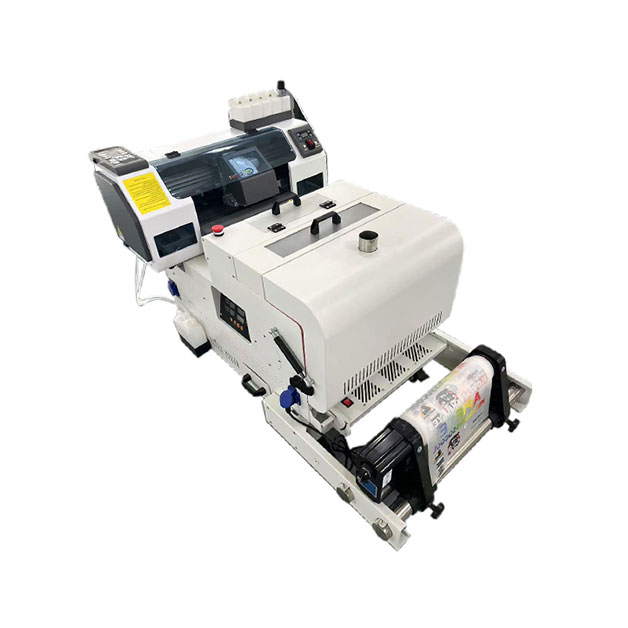
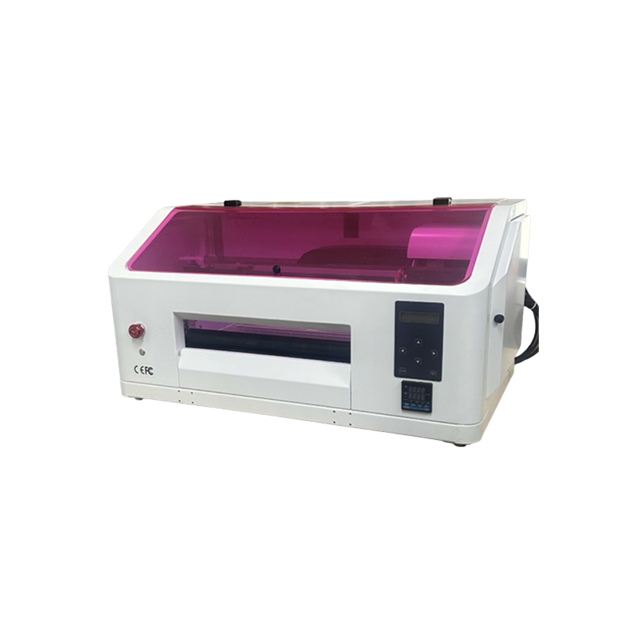
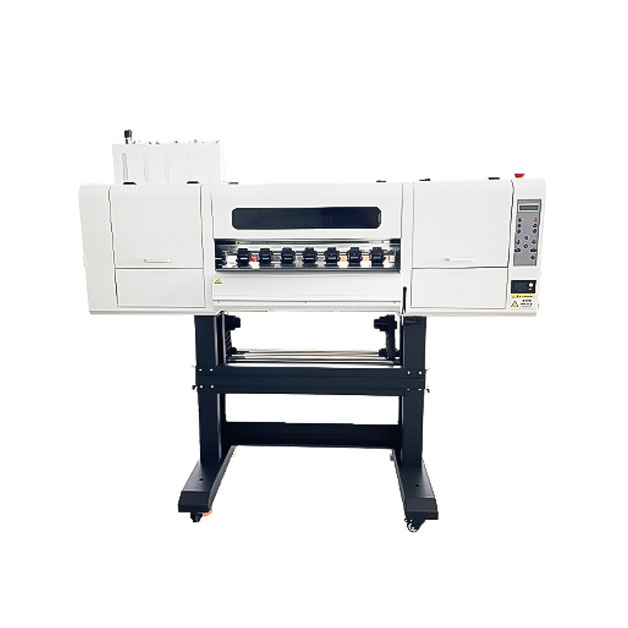
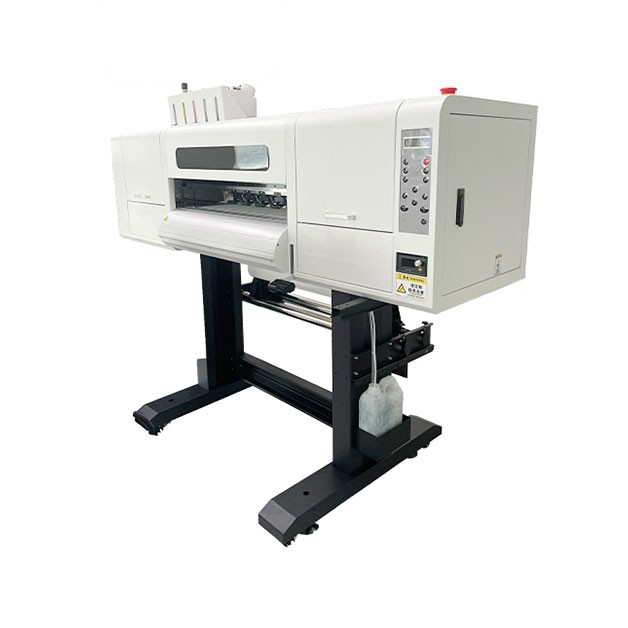

In a market dominated by personalized customization and fast fashion, apparel printing technology is undergoing unprecedented transformation. DTF (Direct-to-Film) Transfers, or direct-to-film transfer technology, is rapidly becoming the new industry standard due to its exceptional adaptability, outstanding print quality, and efficient production workflow. This technology is not only changing the production methods of professional printers but also opening unprecedented doors of opportunity for small businesses and entrepreneurs.
At its essence, DTF printing is an innovative process that involves printing a design directly onto a special PET film, which is then heat-pressed onto various fabric surfaces. Compared to traditional printing methods, DTF’s greatest breakthrough lies in its material adaptability—it enables high-quality printing on almost any type of textile, including cotton, polyester, blends, and even materials like silk that are difficult to handle with conventional techniques.
Market data shows that businesses adopting DTF technology have grown by over 300% in the past two years. This growth is primarily due to the technology addressing long-standing industry pain points: complex pre-treatment processes, material limitations, and high startup costs. By simplifying production steps, DTF reduces the traditional 7-8 step printing process to just 3-4 steps, significantly boosting production efficiency.
Cost-benefit analysis reveals that DTF technology is particularly advantageous for small-batch production. Traditional screen printing requires creating screens, making small orders economically unviable. In contrast, DTF requires no screens, truly enabling “one-piece printing” with consistent quality. Industry reports indicate that businesses using DTF technology have reduced small-batch production costs by an average of 40% while increasing order turnaround speed by 60%.
Screen printing has long been a mainstay in apparel printing, but its limitations are becoming increasingly apparent in today’s fast-paced market. Screen printing requires separate screens for each color, making multi-color designs costly and time-consuming. In contrast, DTF uses a full-color printing process requiring no color separation or screens, completing everything from simple logos to complex photographic images in one go.
In practical application, the minimum economical order quantity for screen printing is typically over 50 pieces, while DTF has no such limitation. For small-batch needs like personalized customization, event souvenirs, or trial products, DTF offers an unparalleled advantage. More importantly, DTF prints have a softer hand feel and better breathability, solving the issues of stiffness and poor ventilation associated with traditional screen prints.
Direct-to-Garment (DTG) printing was once considered the future of apparel printing, but the emergence of DTF has exposed several weaknesses in DTG. DTG has strict requirements on fabric composition, typically working well only on high-cotton content fabrics and requiring complex pre-treatment. Improper pre-treatment can lead to cracking, fading, or poor texture.
DTF technology creates a more durable protective layer by printing the design onto a specialized film and then transferring the entire film layer onto the fabric surface. Laboratory tests show that after 50 standard washes, DTF prints retain 25-30% more color than DTG prints. Furthermore, DTF performs exceptionally well on dark fabrics, achieving vibrant colors without the need for heavy white underbases.
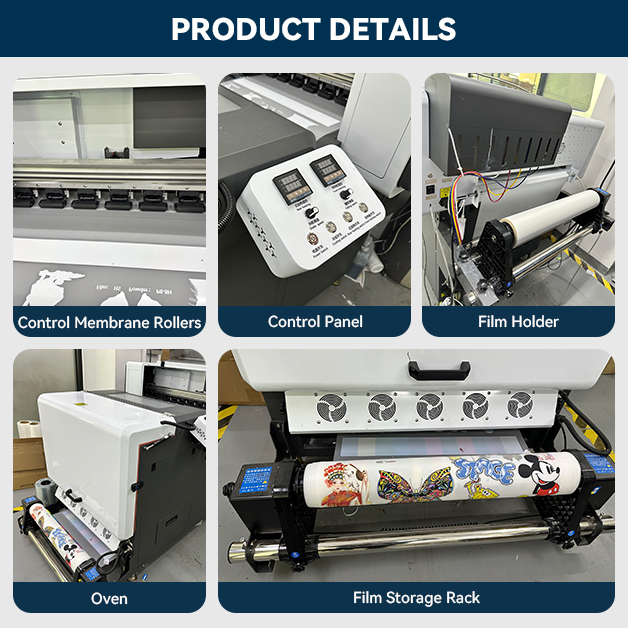
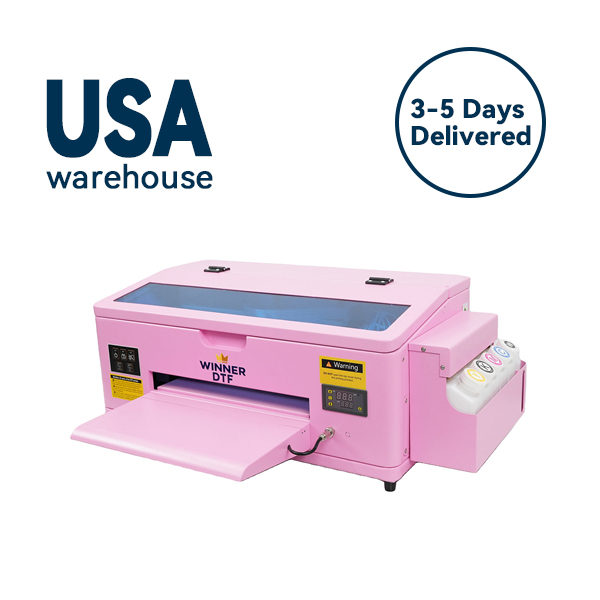
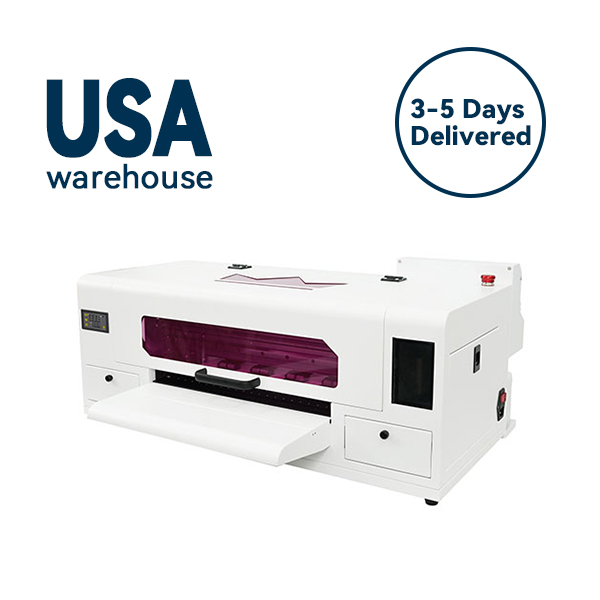
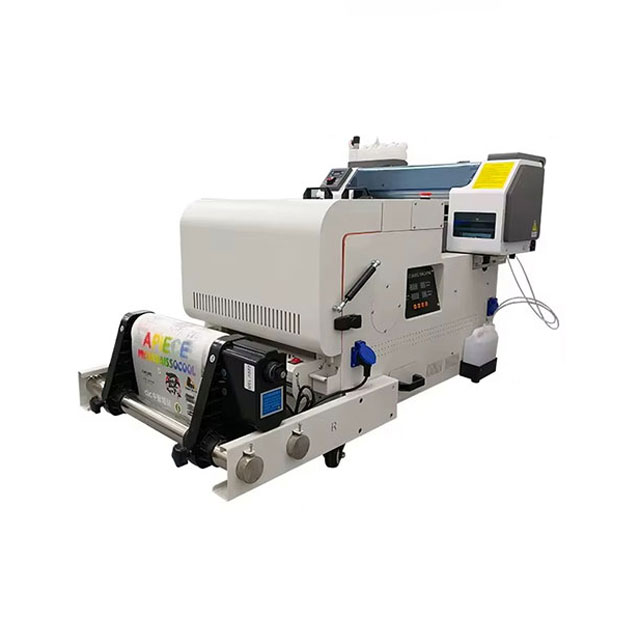
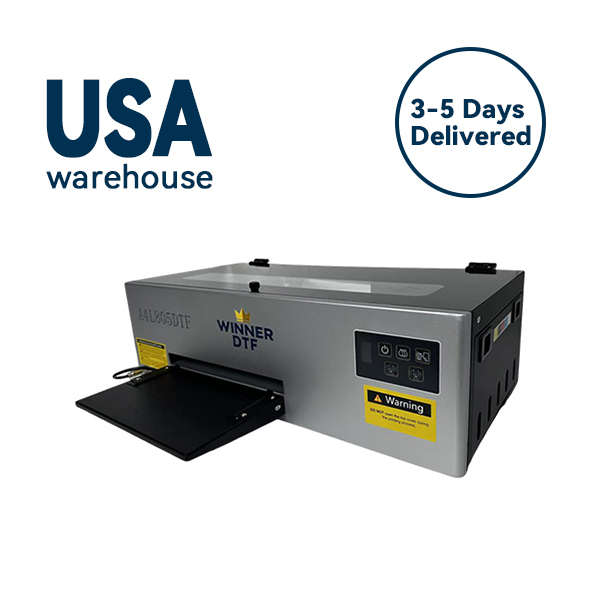
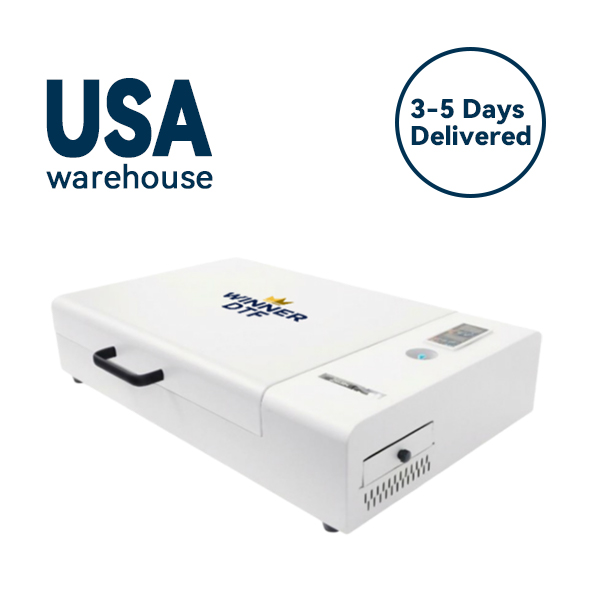
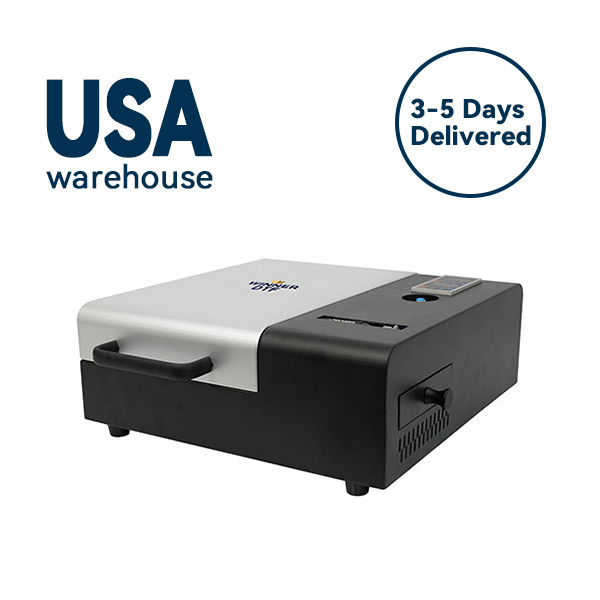
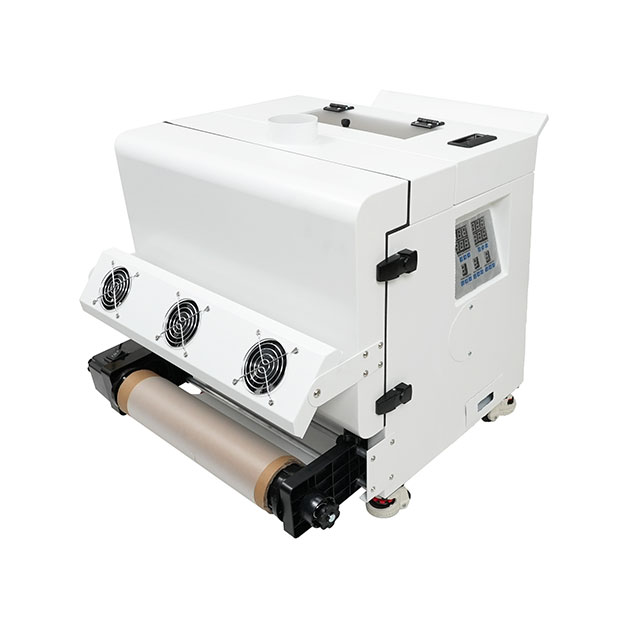
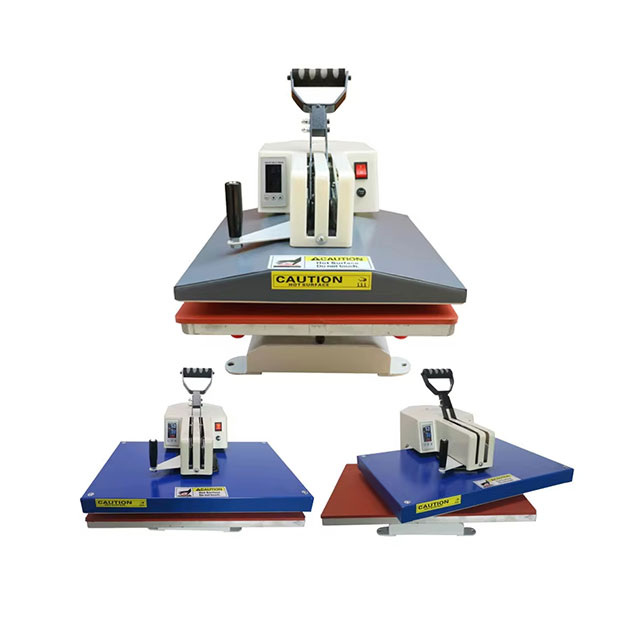
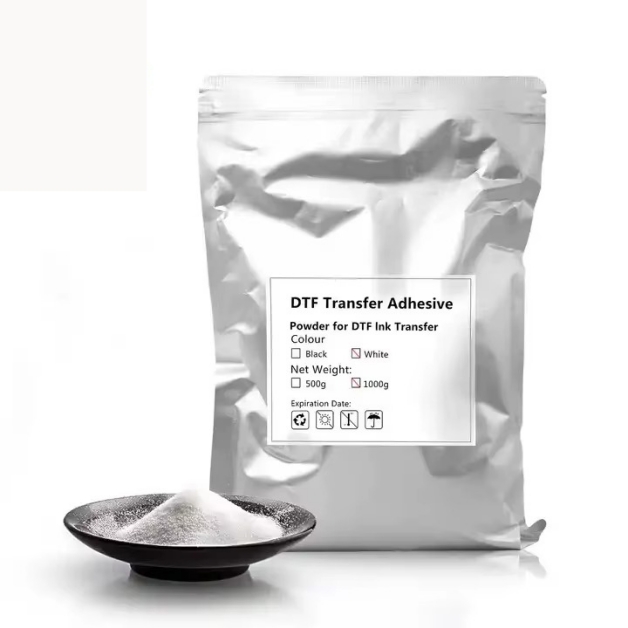
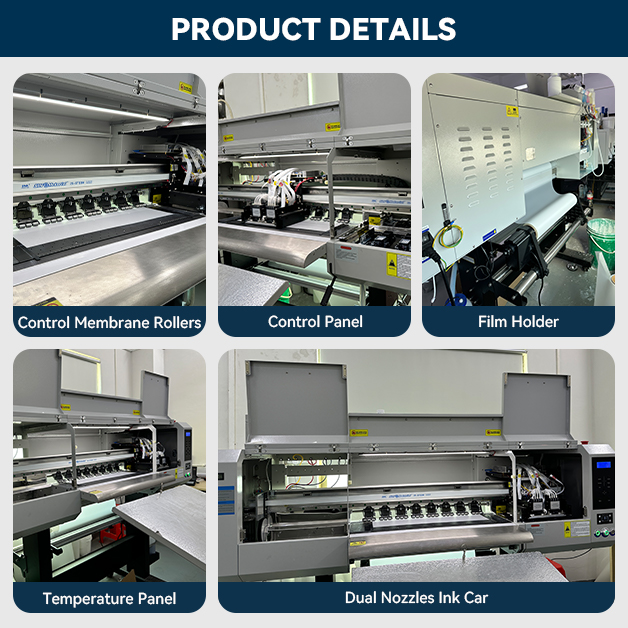
Building an efficient DTF printing system requires careful selection of four core components: a dedicated printer, a hot-melt powder scatter/shaker machine, a curing unit, and a heat press. The printer should be an industrial-grade model equipped with piezoelectric print heads to ensure precise ink deposition and long-term stable operation. The choice of hot-melt powder is also crucial; powder with uniform particle distribution ensures sharp edges and complete transfer.
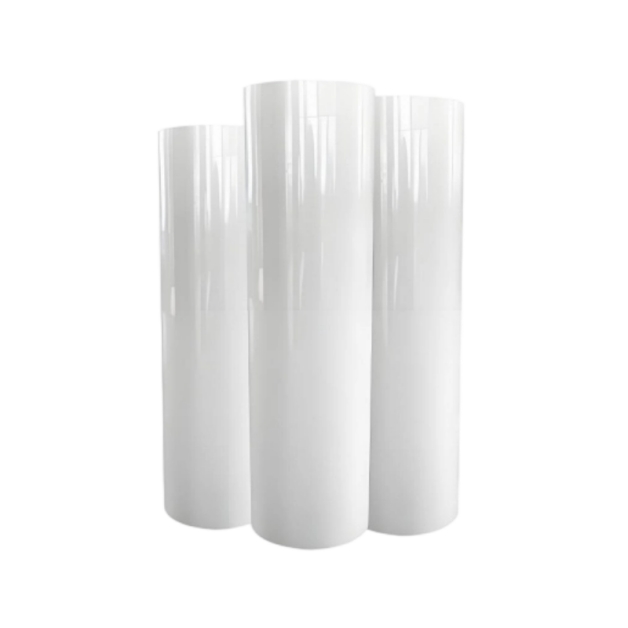
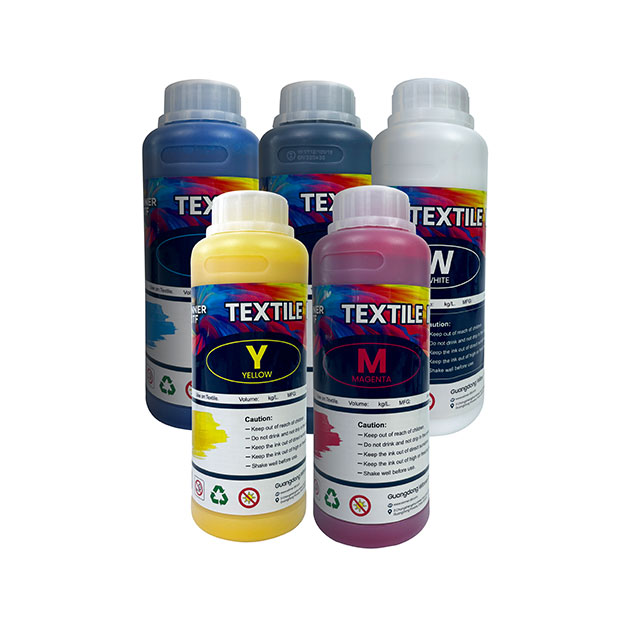
Regarding material selection, the specialized PET film must have appropriate surface tension to ensure ink adhesion while possessing good release properties for easy transfer. The ink system must be dedicated DTF ink, as conventional inks cannot effectively bond with the hot-melt powder. Depending on the fabric type, hot-melt powders with different melting points are needed—cotton fabrics typically require higher melting temperatures (around 150-160°C), while synthetic fibers require lower temperatures (130-140°C).
Successful DTF printing begins with professional graphic design. The design should consider the final application: patterns for stretch fabrics need special treatment to avoid cracking when stretched; designs on dark fabrics require higher color saturation. During file preparation, ensure a resolution of at least 300 DPI and use the CMYK color mode for optimal color reproduction.
Post-printing processing is equally important. Hot-melt powder application needs to be even—excess powder blurs the design, while insufficient powder affects adhesion. The curing process must precisely control temperature and time, typically recommending 2-3 minutes at 100-110°C. In the final transfer stage, heat press temperature, pressure, and time need precise adjustment based on fabric type, usually in the range of 150-170°C, medium pressure, for 10-15 seconds.
The fashion industry was one of the earliest adopters of DTF technology. High-end streetwear brands use DTF to achieve complex gradient effects and photographic-quality patterns that are difficult with traditional methods. A Los Angeles-based streetwear brand reported an 80% increase in design freedom and a 60% reduction in product development cycle after adopting DTF.
The activewear industry is also adopting DTF. Unlike traditional heat transfers, DTF patterns do not compromise the breathability or stretch of functional fabrics, which is crucial for athletic performance. A yoga wear manufacturer found that DTF-printed patterns remained intact after 300% stretch, while traditional prints showed cracks at 150% stretch.
The promotional products and corporate apparel market also benefits from DTF. Small-batch custom orders become economically feasible, allowing companies to create exclusive designs for different departments or events. Data shows that promotional product suppliers using DTF have seen an average 70% decrease in order size but a 200% increase in total order numbers, reflecting market demand for small-batch, diversified products.
Recent advancements in DTF focus on environmental friendliness and automation. The development of water-based DTF ink systems reduces environmental impact, lowering volatile organic compound emissions by 90% compared to traditional solvent-based inks. Closed-loop hot-melt powder recycling systems can reclaim and reuse excess powder, increasing material utilization from the traditional 60% to over 95%.
Automation is another key development direction. Integrated DTF systems can now automate the entire process from file input to finished product transfer, reducing manual intervention and improving production consistency. Intelligent temperature control systems automatically adjust heat press parameters based on fabric type, ensuring optimal results for every transfer.
DTF technology is merging with other digital technologies to form more powerful production ecosystems. Integration with 3D modeling software allows designers to preview patterns on different garment styles and poses; connection with e-commerce platforms enables true on-demand production, minimizing inventory risk.
The application of Artificial Intelligence in DTF workflows is also increasing. AI algorithms can automatically optimize pattern colors for different fabrics, detect printing defects, and even predict trending designs based on sales data. These intelligent systems allow small businesses to possess market responsiveness capabilities once available only to large corporations.
The proliferation of DTF technology is changing global apparel supply chains. As small-batch production becomes economically viable, more production can occur closer to consumer markets, reducing the need for long-distance shipping and carbon footprints. Localized production also enables faster response to market trends, shortening the time from design to shelf from months to just days.
For developing countries, DTF technology provides opportunities for small businesses and individual entrepreneurs to enter the global market. Low startup costs and technical barriers allow more people to participate in the apparel customization market, promoting economic diversification and job creation. It is estimated that by 2025, the global DTF-related market will reach $4.5 billion, with an annual growth rate exceeding 15%.
DTF Transfers technology is not merely an improvement in a printing process; it is a key component of the digital transformation of the entire apparel manufacturing and customization industry. With advancements in materials science and increasing automation, DTF will continue to expand its applications, creating unprecedented value for designers, manufacturers, and consumers. For businesses looking to remain competitive in this transformation, now is the optimal time to deeply understand and adopt this technology.