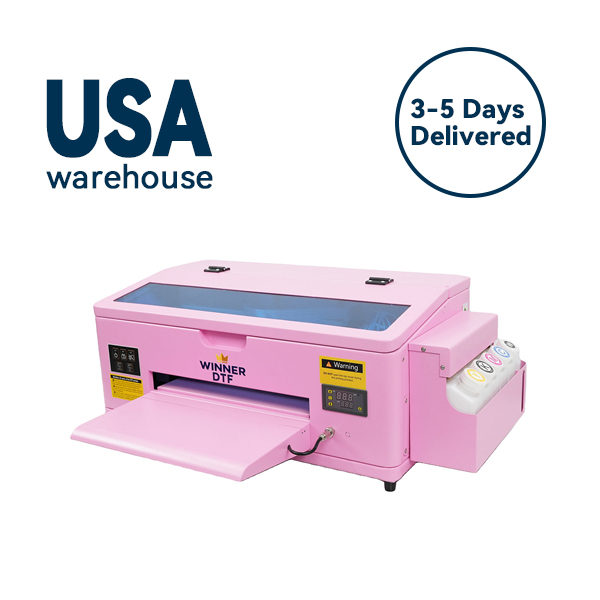
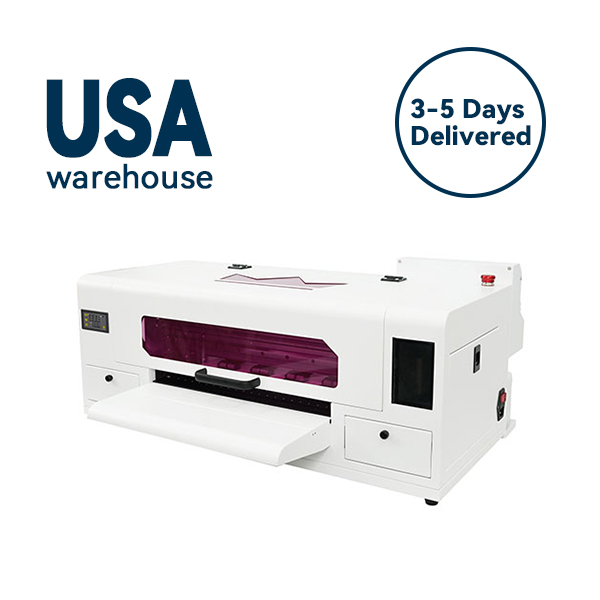
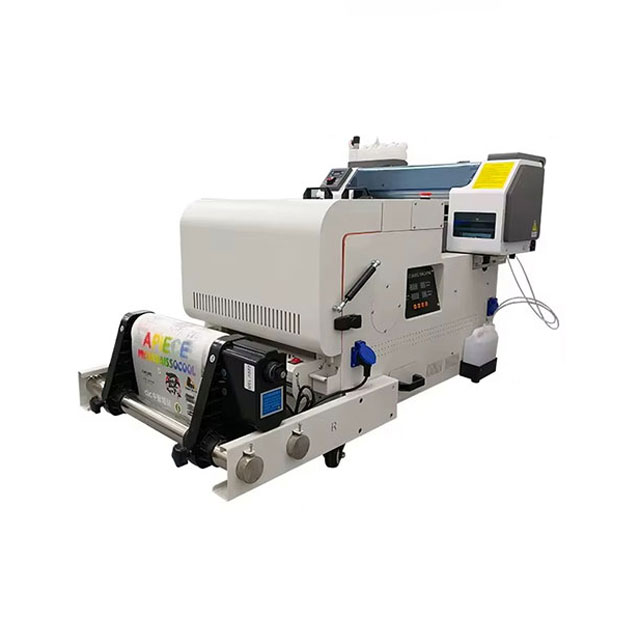
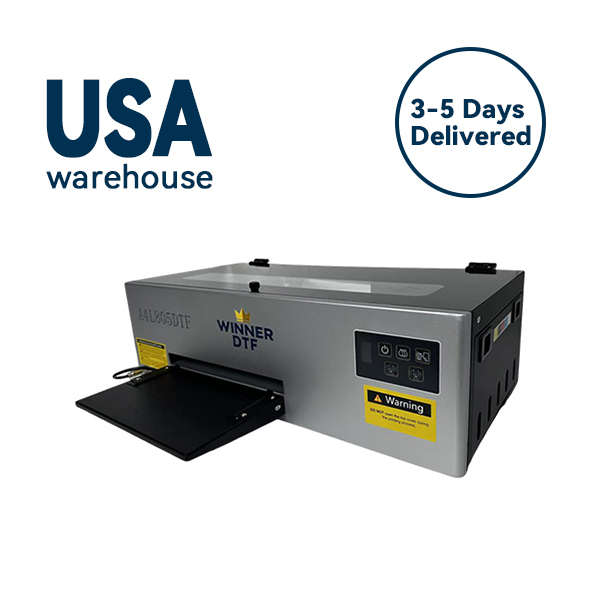
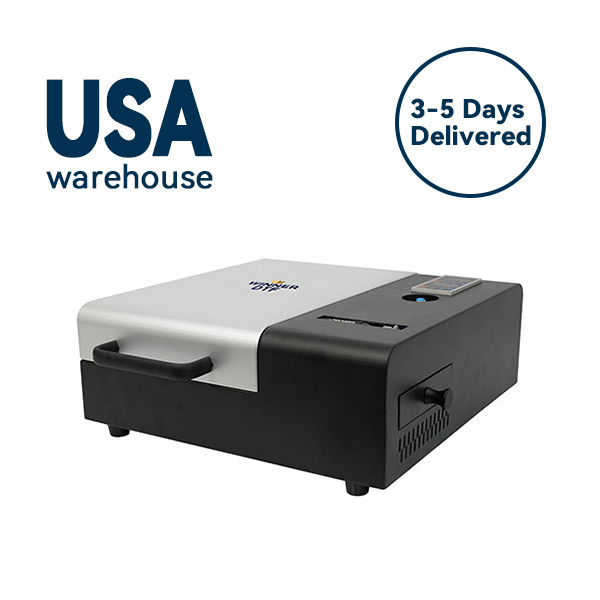
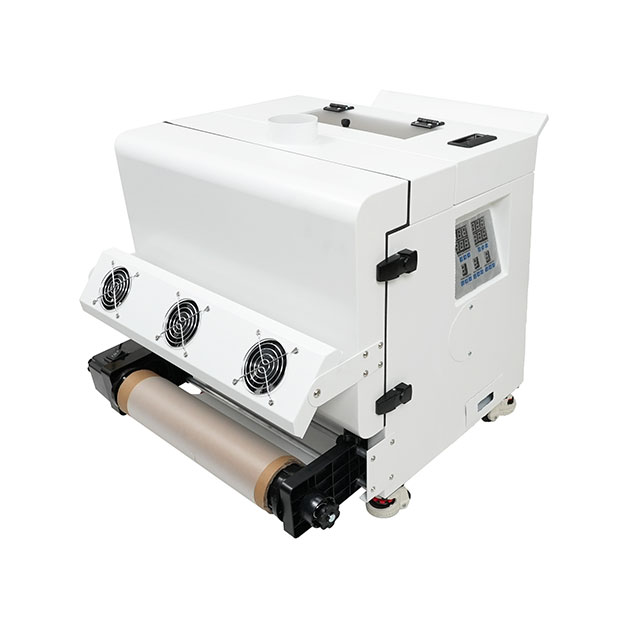
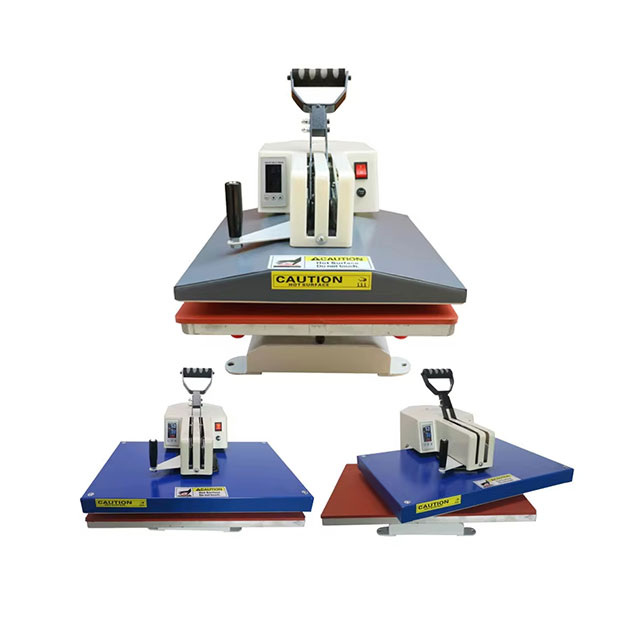
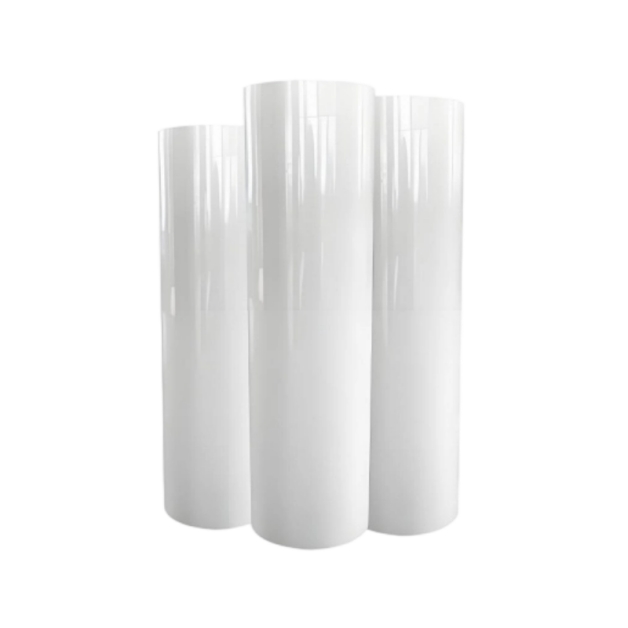

In an era swept by the wave of personalized customization, the high thresholds and low efficiency of traditional printing equipment can no longer meet the needs of small and medium-sized businesses and entrepreneurs. The A3 DTF printer has rapidly emerged as a “profit-making tool” in industries such as clothing customization, gift and cultural and creative products, and trendy accessories, thanks to its core advantages of no plate making required, compatibility with multiple materials, and high cost-effectiveness for small-batch production. Whether you are a newly established personal studio or a small and medium-sized enterprise seeking production capacity upgrading, the A3 DTF printer can break production limitations with its flexible printing format。
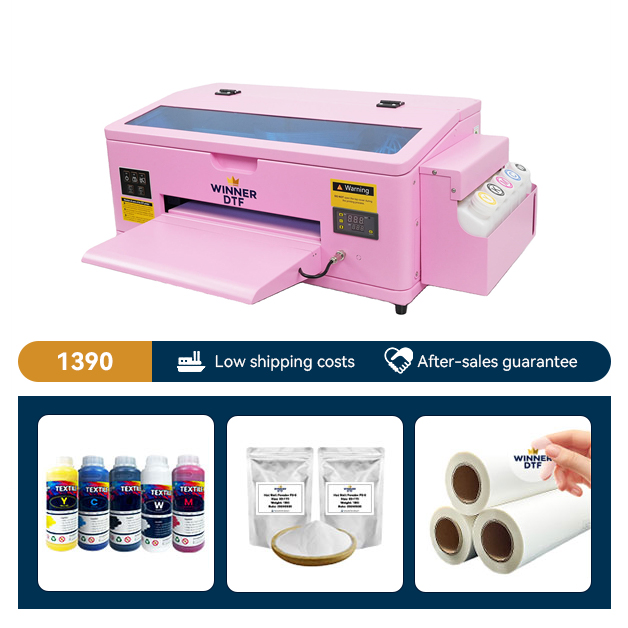
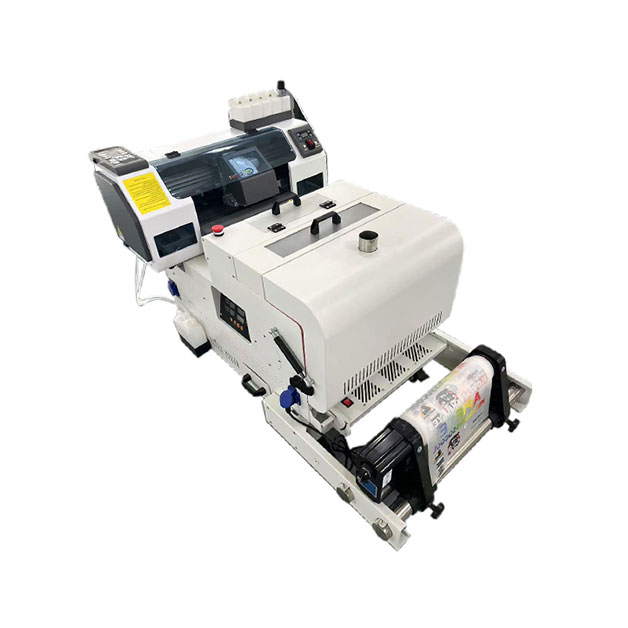
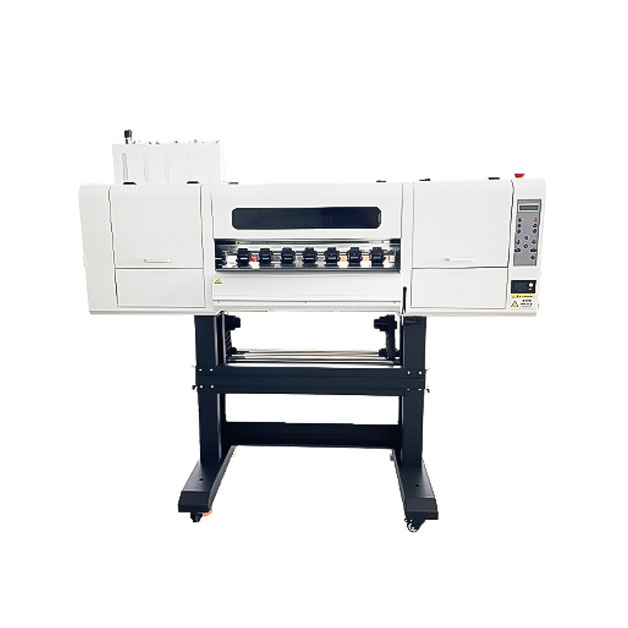
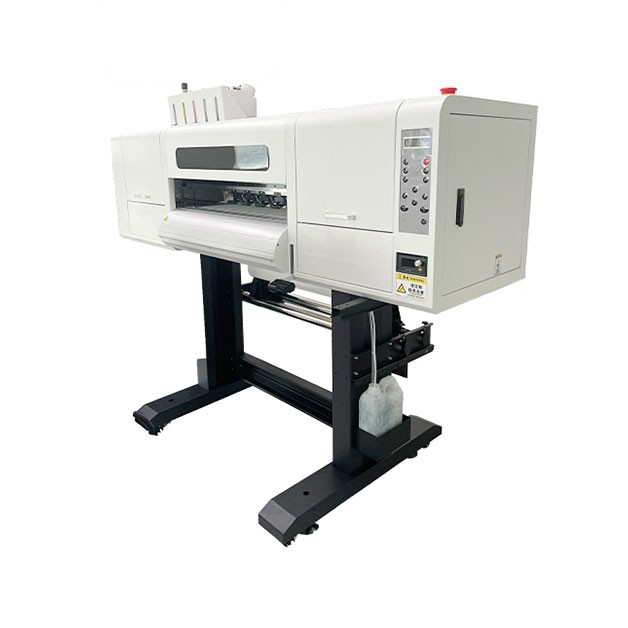
An A3 DTF printer is a professional printing device adopting Direct to Film (DTF) transfer printing technology, with a core printing format of 297×420mm (11.7×16.5 inches), which can meet various small-format printing needs below A4 size. Its working principle is to first print high-precision patterns on PET transfer film, solidify them with hot melt adhesive powder, and then transfer the patterns to the surface of the target material through heat press equipment to achieve firm adhesion of the patterns.
Compared with traditional screen printing and heat transfer equipment, the core differences of the A3 DTF printer lie in “full-process simplification” and “material-independent compatibility”: complex plate-making processes are not required, and computer design files can be directly output; it can achieve high-definition color rendering and wash resistance on almost all flexible materials, including pure cotton, polyester, leather, canvas, rayon, and sports quick-drying fabrics. From an engineering perspective, high-quality A3 DTF printers equipped with Epson XP600 or I1600 dual nozzles, combined with an independent temperature-controlled ink path system, can solve the sedimentation problem of high-solid-content white ink, ensure precise deposition of ink droplets, and make the edge sharpness of patterns meet industrial-grade standards.
It is worth noting that the A3 format is not a simple size upgrade, but a golden choice to balance production efficiency and cost. Compared with A4 models, the A3 DTF printer can complete large-format pattern printing such as sweatshirt backs and large tote bags in a single pass, or arrange multiple small patterns on a single film, reducing splicing errors and consumable waste; compared with industrial-grade A2 and A1 equipment, it has a compact size suitable for small studio spaces, greatly reducing transportation and installation costs.
The procurement cost of an A3 DTF printer is only 1/5 to 1/3 of that of industrial-grade digital printing equipment, and the direct supply model from source manufacturers further compresses the premium of intermediate links. Its consumables (specialized ink, PET film, hot melt powder) are low-priced, and there is no minimum order quantity limit, so the unit cost difference between single-piece customization and mass production is minimal. For startups, there is no need to stock up on inventory, and production can be carried out immediately after receiving orders, truly realizing “zero-inventory entrepreneurship”; for mature businesses, it can quickly expand the personalized customization business line without additional large equipment investment.
Traditional printing equipment is often restricted by material characteristics, while the A3 DTF printer can easily handle almost all flexible materials such as cotton, linen, silk, velvet, leather, and nylon, and can even be used for printing non-clothing products such as throw pillows, mouse pads, scarves, and hats. In terms of pattern presentation, it supports various design types including full-color gradients, high-definition photos, and complex logos. The white ink base technology ensures that patterns on dark fabrics are still bright and full, solving the pain point of “difficult color rendering on dark fabrics” in traditional heat transfer printing.
High-quality A3 DTF printers can achieve a printing resolution of up to 2880dpi, and with linear encoder positioning, the pattern deformation error is controlled within 0.2%, far exceeding the industry average level. Its production process is simplified to five steps: design – printing – powder spraying – curing – transfer. It only takes 10-15 minutes to complete a single A3 format pattern from output to transfer, and small-batch orders (less than 50 pieces) can be received and delivered on the same day, greatly improving customer satisfaction.
A3 DTF printers are generally equipped with a user-friendly operation interface, combined with Chinese operation guides and online video tutorials, allowing users to master core operations within 1-2 days without professional technical background. The equipment maintenance process is simple; daily maintenance only requires basic work such as nozzle cleaning, ink path inspection, and feed roller dust removal. Manufacturers usually provide professional after-sales support to address the technical concerns of newbies.
Compact integrated A3 DTF printers are only the size of an ordinary copier, and can be easily placed in home studies, store corners, or small studios without the need to reserve space for large equipment. Some high-end models also integrate built-in drying and powder mixing functions, further saving space occupation and making large-scale production “one person, one store” a reality.
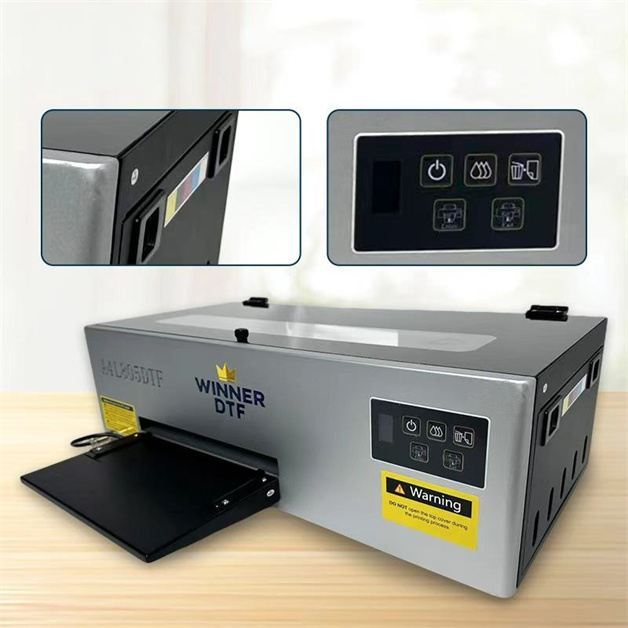
Nozzles directly determine printing precision and stability. Priority should be given to models equipped with original Epson XP600 or I1600 nozzles. These nozzles have a single nozzle diameter of only 14μm, precise ink droplet control, and a service life of up to 15 million firings. For the ink path system, attention should be paid to whether it has an independent temperature control function—the white ink area needs to maintain a constant temperature of 38±1℃ to avoid sedimentation and blockage of high-solid-content white ink (25%-30% solid content), while the color ink area should be kept at around 28℃ to ensure color reproduction accuracy.
In terms of printing speed, models with “10-15㎡/hour in standard mode” can meet the needs of small and medium-sized orders in daily production; the wash fastness should meet the AATCC 61-2013 4A standard to ensure that the transferred patterns do not fade or fall off after more than 50 washes. In addition, it is necessary to confirm whether the equipment supports dual feeding modes of roll and sheet PET film. Roll feeding is more suitable for mass production, while sheet feeding is suitable for small-size personalized orders, improving application flexibility.
Avoid purchasing low-cost assembled machines without brand names. Such equipment often uses refurbished nozzles and inferior accessories, resulting in frequent failures in later use and no after-sales guarantee. Priority should be given to source manufacturers with independent R&D and production capabilities. These brands can provide one-stop solutions for “equipment + consumables + technical support”, ensuring that ink, PET film, hot melt powder and other consumables are perfectly compatible with the equipment, reducing the probability of failures. At the same time, pay attention to the after-sales response speed; ideally, manufacturers should provide 7×12-hour online technical support, as well as value-added services such as nozzle maintenance and firmware upgrades.
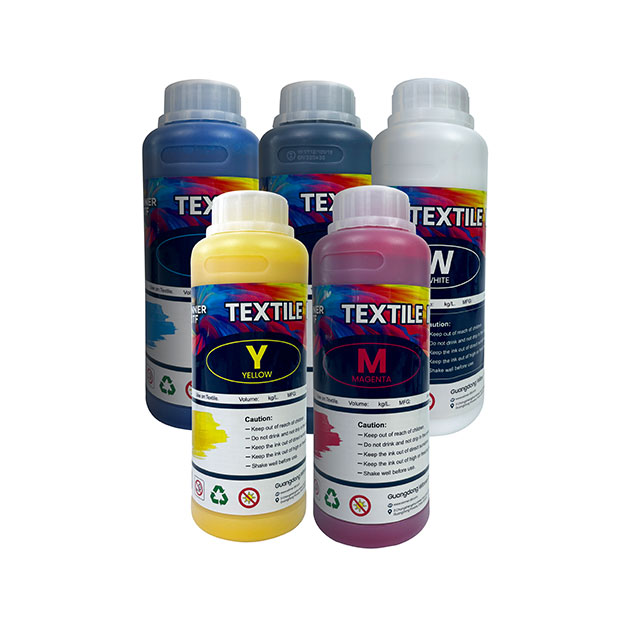
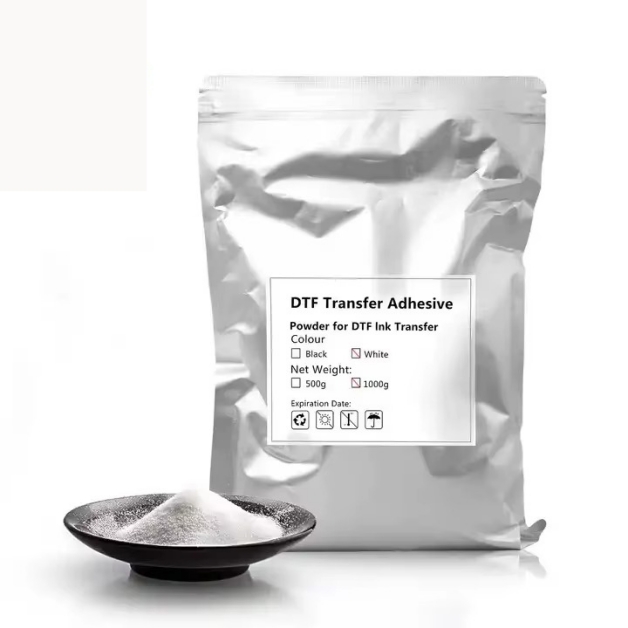
Specialized consumables for A3 DTF printers must be used. White ink should be high-solid-content and low-sedimentation formula products to avoid nozzle blockage caused by general-purpose inkjet ink. PET film should match the quality of the printing surface coating to ensure uniform ink absorption; hot melt powder should be selected in dry and sealed packaging, and the storage environment humidity should be controlled below 50% to prevent caking and affect adhesion.
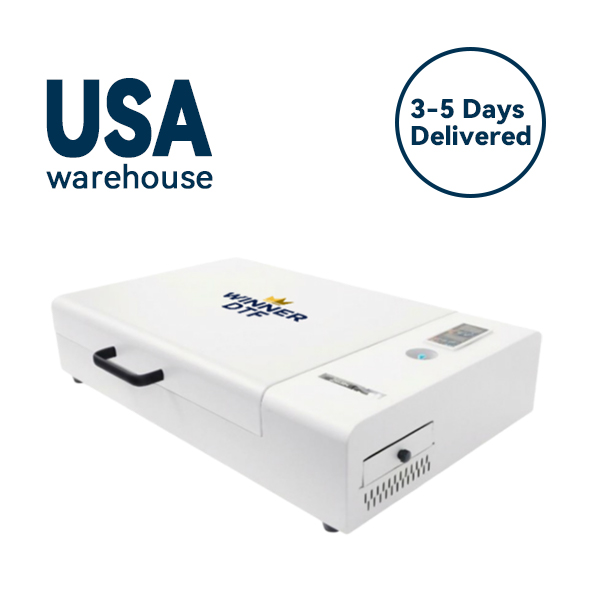
Before printing, parameters should be adjusted according to the target material: the “white ink base” function should be enabled for dark fabrics, and the white ink density should be set to 80%-90%; for light-colored fabrics, the white ink density can be appropriately reduced to improve printing speed. Heat press parameters follow the “three-stage temperature control”: preheat at 60℃ for 3 seconds to remove moisture from the substrate, keep constant temperature at 195℃ for 10 seconds to realize fusion of ink layer and adhesive layer, and cool slowly at 80℃ for 2 seconds to avoid pattern cracking.
Nozzle inspection should be performed before daily use; if line breaks occur, 1-2 light cleanings should be performed; white ink cartridges should be shaken for 1-2 minutes every day to prevent pigment sedimentation. Feed rollers should be cleaned once a week to remove residual powder and ink stains, avoiding film jamming and deviation problems; when not in use for a long time (more than 3 days), nozzle moisturizing operation should be performed to prevent ink from drying and clogging nozzles.
Take advantage of the A3 format to optimize layout. Arrange multiple small-size patterns (such as chest logos, sleeve logos) on a single PET film, print them at one time, and then cut and transfer them, which can save more than 30% of consumables and time costs. It is recommended to enable the “continuous printing” mode during batch printing to reduce the number of equipment start-stop times. At the same time, regularly check the remaining amount of ink and powder to avoid affecting production progress due to mid-supply interruption.
Symptoms: Interrupted white ink output, faded color, and whitish patterns.
Solutions: Check the remaining amount of white ink and replenish it in time; perform deep nozzle cleaning to remove nozzle blockages; confirm that the white ink has not expired—expired ink is prone to delamination and sedimentation; check whether the ink path temperature control is normal—low temperature will lead to excessive viscosity of white ink.
Symptoms: Sticky patterns after printing, and ink stain diffusion after heat pressing.
Solutions: Increase the curing temperature to 160℃ and extend the curing time to 2-3 minutes; adjust the nozzle height—too close is prone to ink smudging, too far is prone to ink splattering; check the ambient humidity—dehumidification equipment should be turned on when humidity is higher than 60%; replace high-quality PET film—inferior film coating will affect ink drying speed.
Symptoms: Skewed PET film feeding, multiple sheets being rolled in at the same time, and jamming in the middle of the process.
Solutions: Clean dust and adhesive stains on the surface of feed rollers to improve friction; use a roll stand to assist feeding to avoid film curling and deformation; ensure that the film cut is neat without burrs or warping; adjust feed pressure—too loose is prone to deviation, too tight is prone to jamming.
Symptoms: Unsmooth lines, and foggy or jagged pattern edges.
Solutions: Check the nozzle alignment and perform “nozzle calibration” in the equipment settings; reduce printing speed and increase resolution; confirm that the encoder strip is clean and free of stains—stains will affect positioning accuracy; replace high-quality ink—inferior ink has uneven ink droplet size.
Symptoms: Powder peeling off after heat pressing, and pattern edge peeling.
Solutions: Ensure that powder is sprayed when the ink is not completely dry after printing; the powder should be evenly covered and excess powder should be shaken off; adjust heat press temperature and time to ensure complete melting of the adhesive layer; check the powder storage environment—damp powder should be dried before use; confirm that the PET film printing surface is facing the correct direction—the non-printing surface cannot absorb powder.
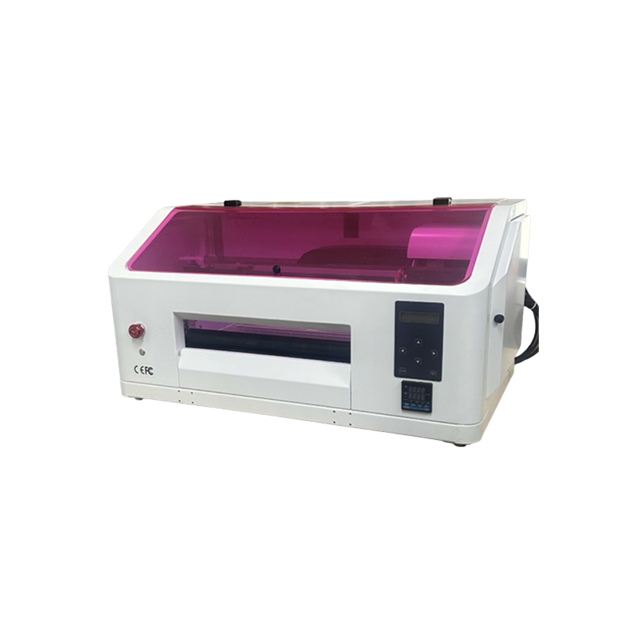
The emergence of the A3 DTF printer has completely broken the “high-threshold” barrier in the personalized customization industry, allowing small and medium-sized businesses and entrepreneurs to enter the high-profit market with low costs. Its flexibility in A3 format, versatility in multi-material compatibility, and economy in high cost-effectiveness make it a core production equipment in fields such as clothing customization, gift and cultural and creative products, and corporate team building supplies. Whether you are an e-commerce seller pursuing “small-batch and quick-response” or an offline studio focusing on “exclusive design”, the A3 DTF printer can help achieve profit growth through stable performance, simple operation, and rich application scenarios.
Choosing a high-quality A3 DTF printer is essentially choosing a complete profit solution. Mastering the key knowledge points in this article from core component selection to daily operation and maintenance can help you avoid industry traps and maximize the value of the equipment. With the continuous upgrading of personalized consumer demand, the market demand for A3 DTF printers will further expand. Deploying this equipment in advance will allow you to seize opportunities in the blue ocean of the customization economy.